





 English
  Francês
  Alemão
  Italiano
  Japonês
  Norueguês
  Portuguese
  Spanish
 3 min of reading


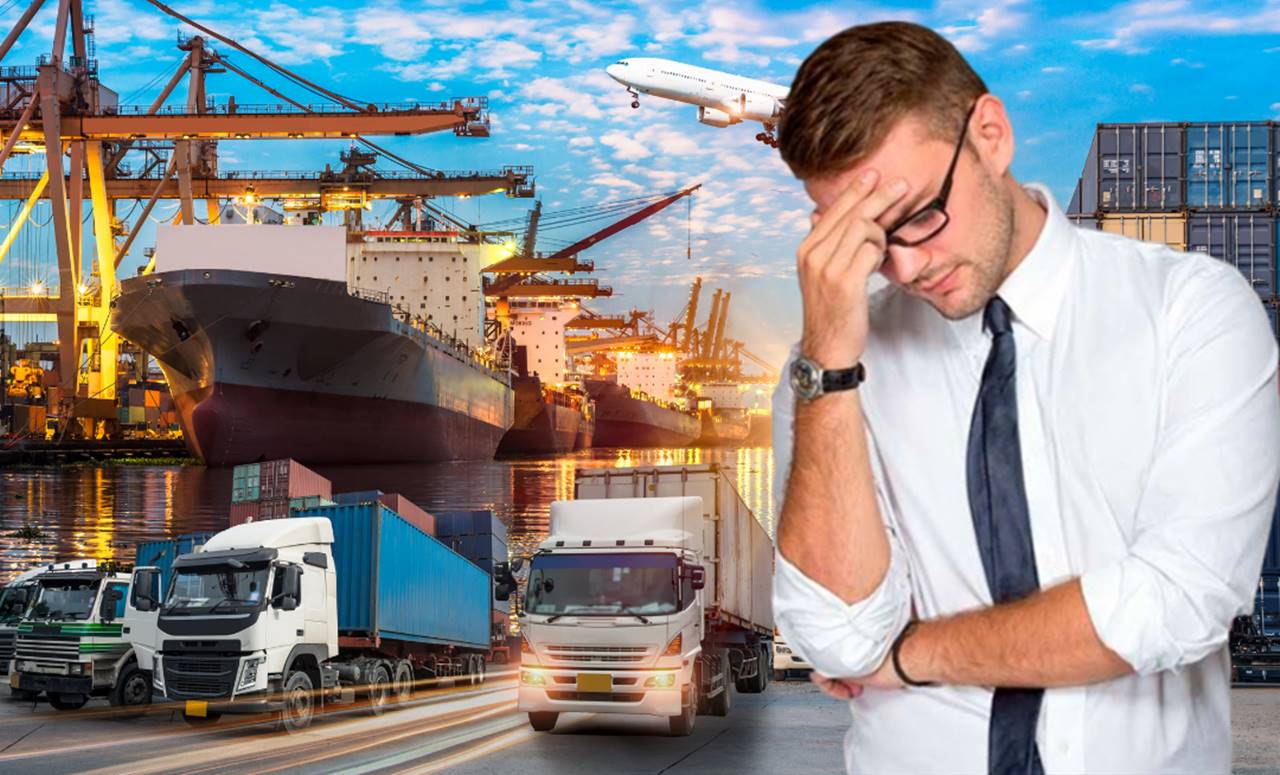
Diesel Is The Most Used Input In Cargo Transportation Operations, Accounting For Over 40% Of The Total Operational Cost Of Companies That Provide The Service
ABOL (Brazilian Association of Logistics Operators) goes public to express its position regarding the recent adjustment in diesel and gasoline prices for distributors, recently announced by Petrobras.
Since last Saturday (18), the average sale price of diesel for distributors has increased from R$4.91 to R$5.61 per liter, representing a 14.2% increase. Diesel is the most used input in cargo transportation operations, accounting for over 40% of the total operational cost of companies that provide the service. With this increase, they will have to purchase the liter of diesel for at least R$0.70 more.
Unlike Petrobras, which holds a monopoly, logistics companies cannot immediately pass on price increases, which may take one or two months to happen, and negotiations often do not cover the entire increase. As a result, there is a cascading effect of cost transfers to the end consumer, which will inevitably worsen the current inflationary situation in the country.
-
Petrobras finds high-quality oil in the pre-salt at 113 km from RJ and reignites expectations about strategic reserves in the Campos Basin.

-
Chinese giant worth nearly R$ 4 billion that manufactures cables for electric cars, solar energy, and robotics wants to open a factory in SC.
-
Many employers do not know, but the law guarantees domestic workers a 25% increase in salary during trips, 50% for overtime, 20% for night shifts, and 17 additional benefits that can lead to labor lawsuits if not paid.

-
Gasoline prices soar and the question arises: is ethanol more advantageous? The 70% rule reveals the limit with gasoline.
In a statement, the company claims that it has been seeking the balance of its prices with the global market, but without immediate transfer to the internal prices of the volatility of international quotes and the exchange rate, in respect to the International Parity Price (IPP), a policy that needs its terms reviewed. It has been a little over 80 days since the last increase in diesel prices occurred, once again, abruptly and in a completely adverse economic scenario.
Disfavoring The Business Environment Could Be A Consequence
Adjustments like this have become a constant over the last two years, disadvantaging a healthy and competitive business environment in the country. It is worth noting that increases in diesel prices have been much greater than other costs for logistics companies and directly undermine their financial health. In this scenario, the sector is at risk of being undermined as it sees no promising present or future for new investments.
We are talking about companies that fuel the country and enable international trade and that try as much as possible not to pass on the variation of these costs to shippers, while at the same time trying to ensure the quality of the services provided.
These are companies that aim to reduce Brazil’s Cost by thinking of logistical solutions in an intelligent, integrated, and customized manner, ensuring efficiency gains for the various economic segments that depend on them (e.g., base industries and pharmaceuticals, large retail, and e-commerce). It is also worth highlighting that the sector contributes a high value in taxes and levies, employs massively, and tries to prioritize training and cutting-edge technologies, even in a scenario of instability.
Petrobras’ Profits Are Not Yet Benefiting The Business Chain In Brazil
While Petrobras Reports Record Profits, Logistics Operators see their margins shrink. The company’s profitability is exorbitant compared to similar companies in other countries, which opt for lower profits in favor of their nation’s economic and social development. We do not see the same here. Petrobras recorded a net profit of R$44.5 billion in the 1st quarter of 2022 – an amount 3,718% higher than that recorded during the same period in 2021.
In no way does the sector oppose the profitability of state-owned and mixed-economy companies, but not at the expense of the development of others and burdening Brazilian society. In this regard, we believe that political efforts must be focused, at this moment, on finding a balance in the market.
Otherwise, with each new adjustment, there will be no alternative for companies transporting goods but to pass the burden on to their freight contracts, which will impact the prices of goods sold to the population, worsening the inflationary situation we are currently experiencing. We have already experienced a logistical blackout in the past, and it is likely that we will have a much more serious one in the near future due to poor management of fuel policies – and the impacts will affect not only the logistics sector but also Petrobras itself.
Via Marcella Souza Cunha — President of ABOL










Seja o primeiro a reagir!