





 English
  Francês
  Alemão
  Italiano
  Japonês
  Norueguês
  Portuguese
  Spanish
  3 min of reading
  0 comments


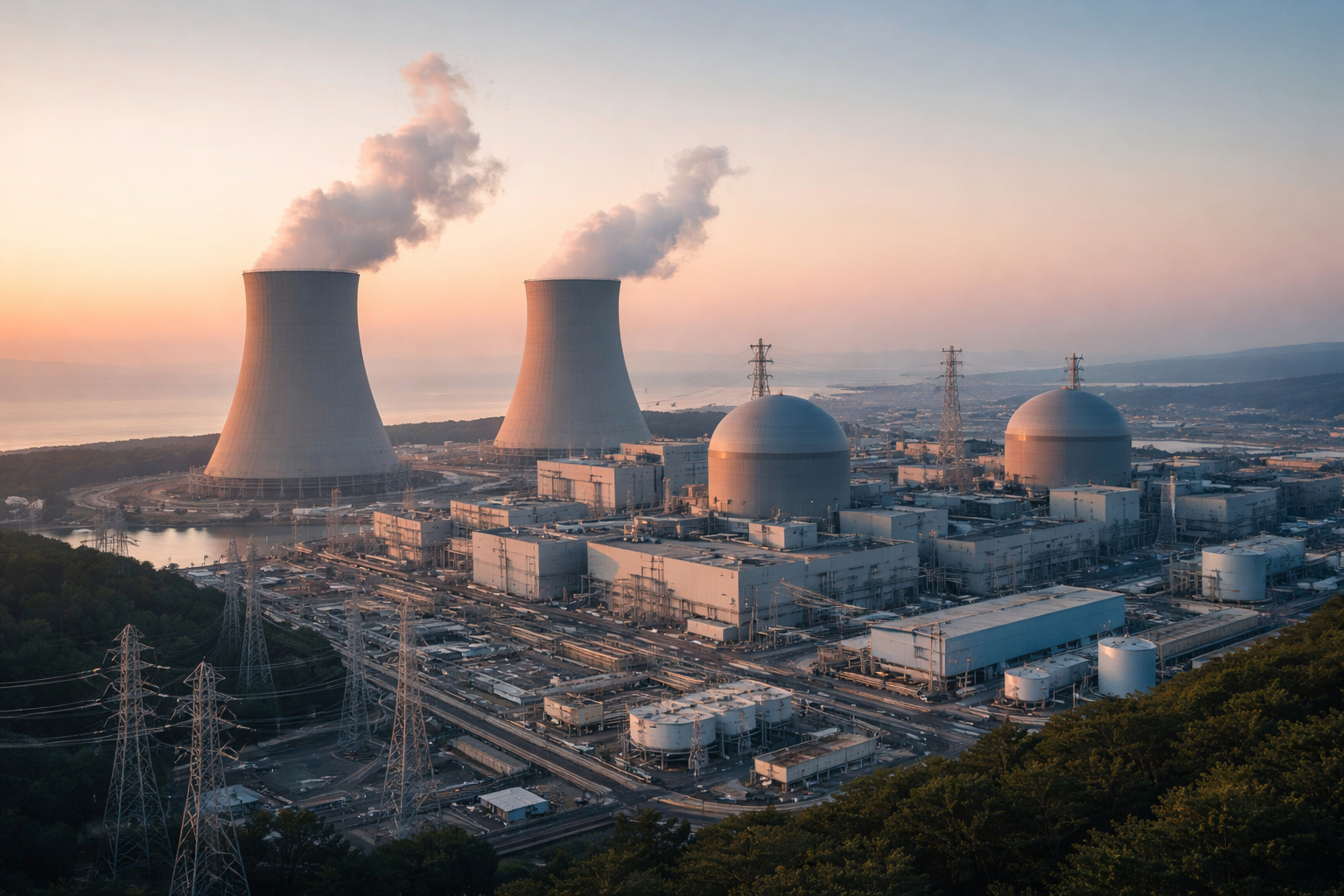
After More Than A Decade Of Stoppage Caused By The Fukushima Disaster, The Kashiwazaki-Kariwa Nuclear Complex Resumes Operation With New Safety Barriers As Japan Seeks To Reduce Dependence On Imported Fossil Fuels

The Japan Has Reactivated The Largest Nuclear Power Plant In The World, Located In The Complex Of Kashiwazaki-Kariwa, Marking A New Chapter In The Country’s Energy Policy. The Decision Comes 13 Years After The Fukushima Nuclear Disaster In 2011 And Rekindles Global Debates About Safety, Energy Transition, And The Role Of Nuclear Energy In The 21st Century.
The Information Was Released By International Agencies, Such As AFP And Japanese Media, Based On An Official Statement From Tokyo Electric Power Company (Tepco), The Operator Of The Facility.
At The Same Time, The Japanese Government Sees The Resumption As Strategic. This Is Because The Country Has A Scarcity Of Natural Resources And Faces High Costs With The Import Of Fossil Fuels. Thus, The Reactivation Of The Plant Emerges As An Alternative To Ensure Energy Security, Reduce Emissions, And Stabilize Prices.
-
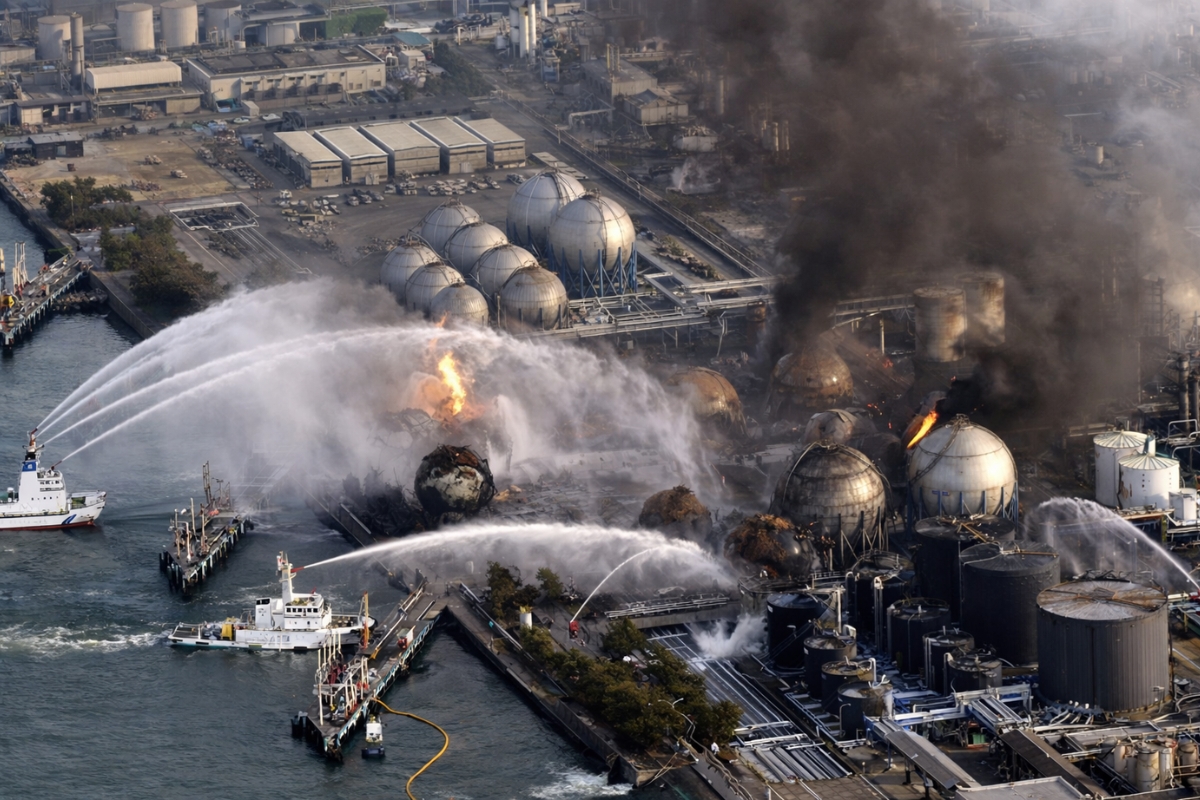
Fukushima Marks A Turning Point In Japan’s Energy Policy: After The Disaster, The Country Shut Down Its 54 Nuclear Reactors And, 15 Years Later, Only A Small Portion Have Returned To Operation
-
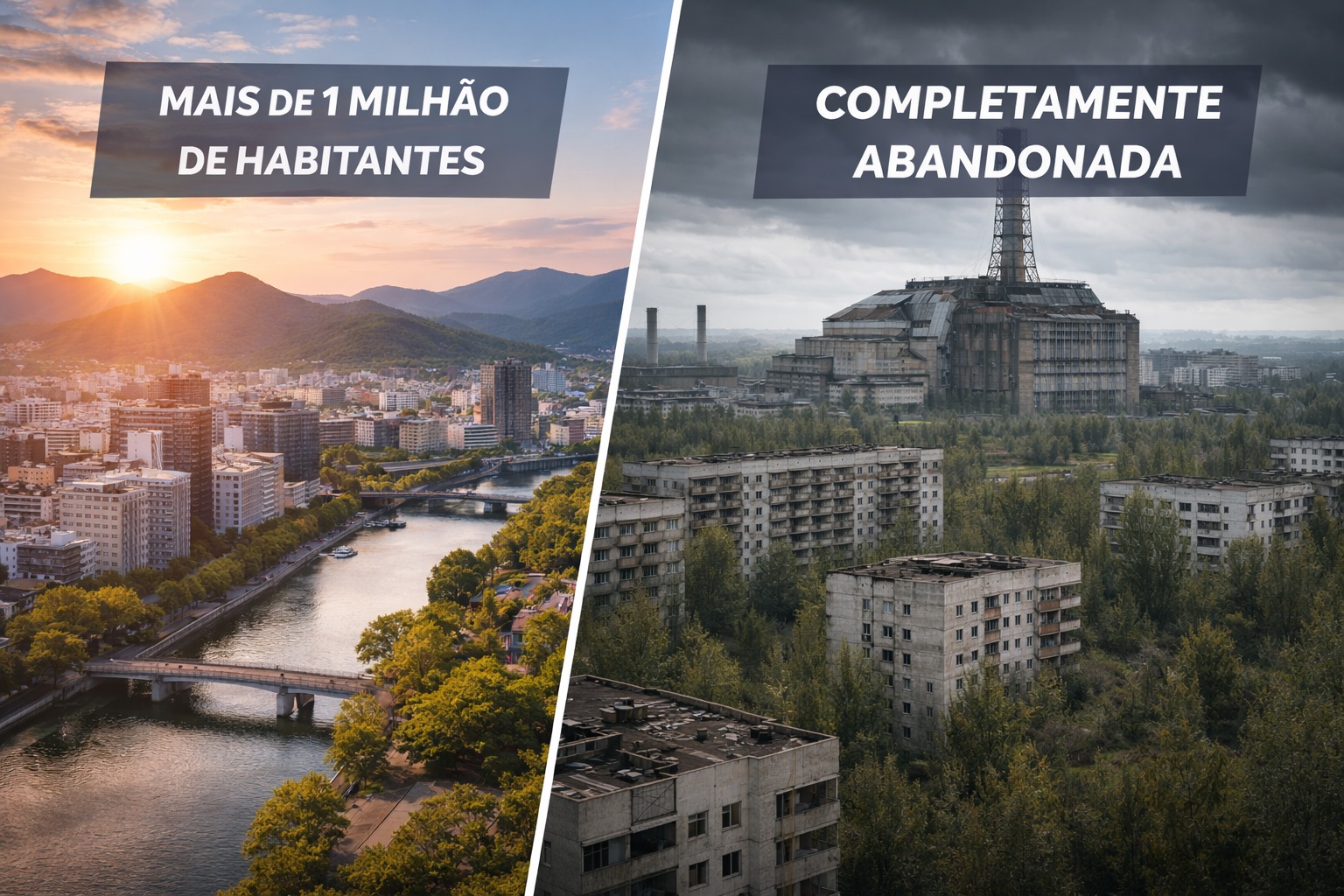
How Japan Overcame The Nuclear Bomb And Now Houses Millions In Hiroshima, While Ukraine Lost Chernobyl?
-
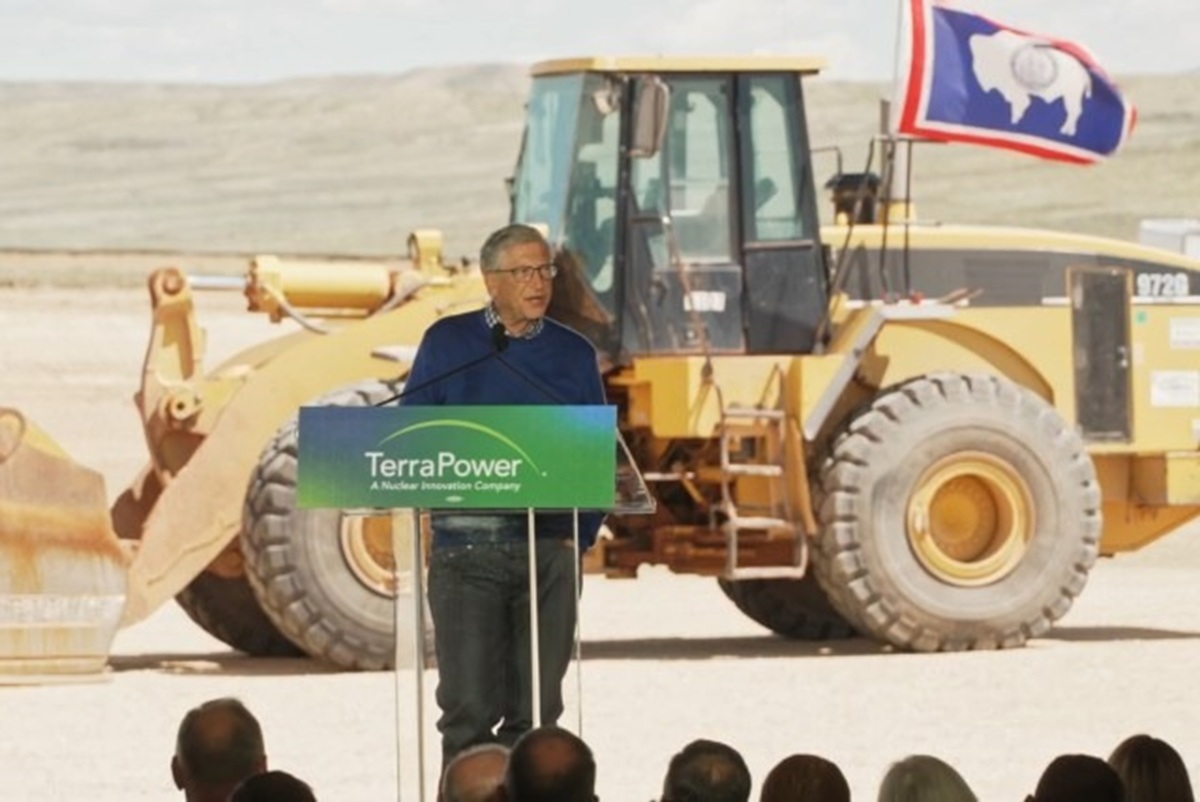
Bill Gates Receives Historic Approval to Build Giant 345 MW Nuclear Plant in the U.S. and Promises to Generate Up to 500 MW of Energy with Innovative Technology
-
India Opens Nuclear Energy to Private Capital to Accelerate Projects and Attract Billions, While Brazil Remains Stalled at Angra 3 and Discusses Who Will Foot the Bill for Completion
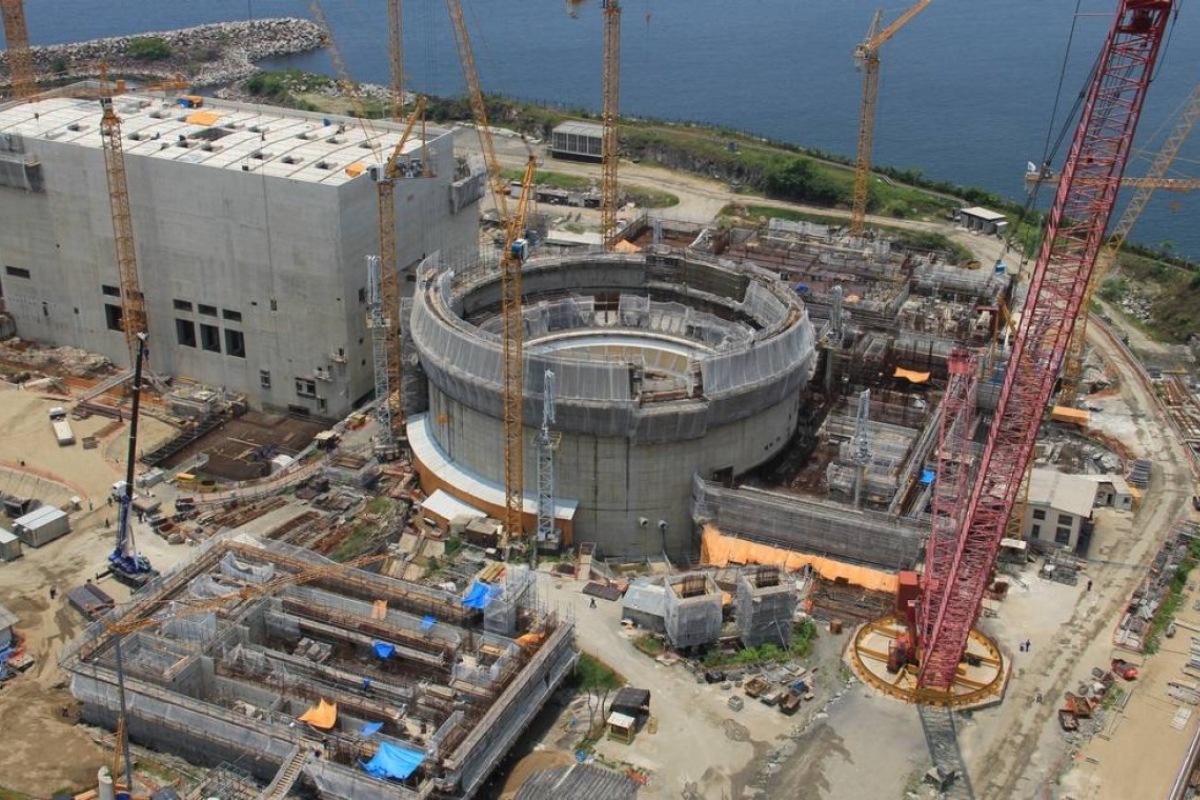

Resumption Of The Largest Nuclear Power Plant In The World Occurs Under Strict Safety Regulations
The Complex Of Kashiwazaki-Kariwa, Located North Of Tokyo, Had Been Completely Stopped Since The Earthquake Followed By The Tsunami That Caused The Collapse Of Fukushima Daiichi. Since Then, All Japanese Nuclear Reactors Have Gone Through Long Processes Of Review And Structural Reinforcement.
According To Tepco, The Reactivated Reactor Went Into Operation After 7 PM (Local Time), Following The Completion Of Technical Tests And Final Checks. In Addition, The Complex Received Billions In Security Investments, Including:
- Construction Of A 15-Meter-High Dike Against Tsunamis
- New Emergency Electrical Systems Installed In Elevated Areas
- Updated Evacuation And Containment Protocols
- Real-Time Seismic And Marine Monitoring
Currently, 14 Nuclear Reactors Have Resumed Operation In Japan, Mainly In The Eastern And Southern Regions Of The Archipelago. However, This Is The First Plant That Tepco Has Reactivated Since Fukushima, Making The Decision Even More Symbolic.
Nuclear Energy Returns To The Center Of Japanese Strategy To Reduce Fossil Fuels

Although The Decision Raises Concerns Among Part Of The Population, The Japanese Government Argues That The Current Safety Standards Are Not Comparable To Those Of 2011. Moreover, Authorities Argue That The Resumption Of Nuclear Energy Is Essential To Meet Climate Goals And Ensure Economic Stability.
Currently, Japan Imports A Large Portion Of The Oil, Coal, And Natural Gas It Consumes. Therefore, By Reactivating The Largest Nuclear Power Plant In The World, The Country Aims To Reduce External Dependence, Contain Energy Costs, And Reduce Carbon Emissions.
Experts Also Point Out That Nuclear Energy Has Returned To The Global Debate, Particularly In Countries Facing Energy Crises And Climate Challenges. Thus, Japan’s Decision May Influence Similar Policies In Other Industrialized Nations.
Reactivation After Fukushima Reignites Global Debate About The Risks And Future Of Nuclear Energy
Despite Technical Advances, The Trauma Of Fukushima Still Weighs On The Collective Memory. Therefore, Environmental Movements And Local Communities Remain Vigilant. They Question Whether No Failure Is Truly Acceptable, Even With New Technologies.
On The Other Hand, Defenders Of Nuclear Energy Emphasize That The Cost Of Energy Inaction Also Generates Social, Economic, And Environmental Impacts. Without Stable Alternatives, Countries Tend To Increase The Use Of Fossil Fuels, Worsening Global Warming.
In This Way, Japan Becomes Again A Global Laboratory On How Far Humanity Is Willing To Go To Balance Safety, Climate, And Economic Development.
Do You Believe That Nuclear Energy Is Still An Unacceptable Risk Or Can It Be A Necessary Solution Amid The Global Energy Crisis?









Seja o primeiro a reagir!