





 Português
  Inglês
  Espanhol
  3 min de leitura
  0 comentários


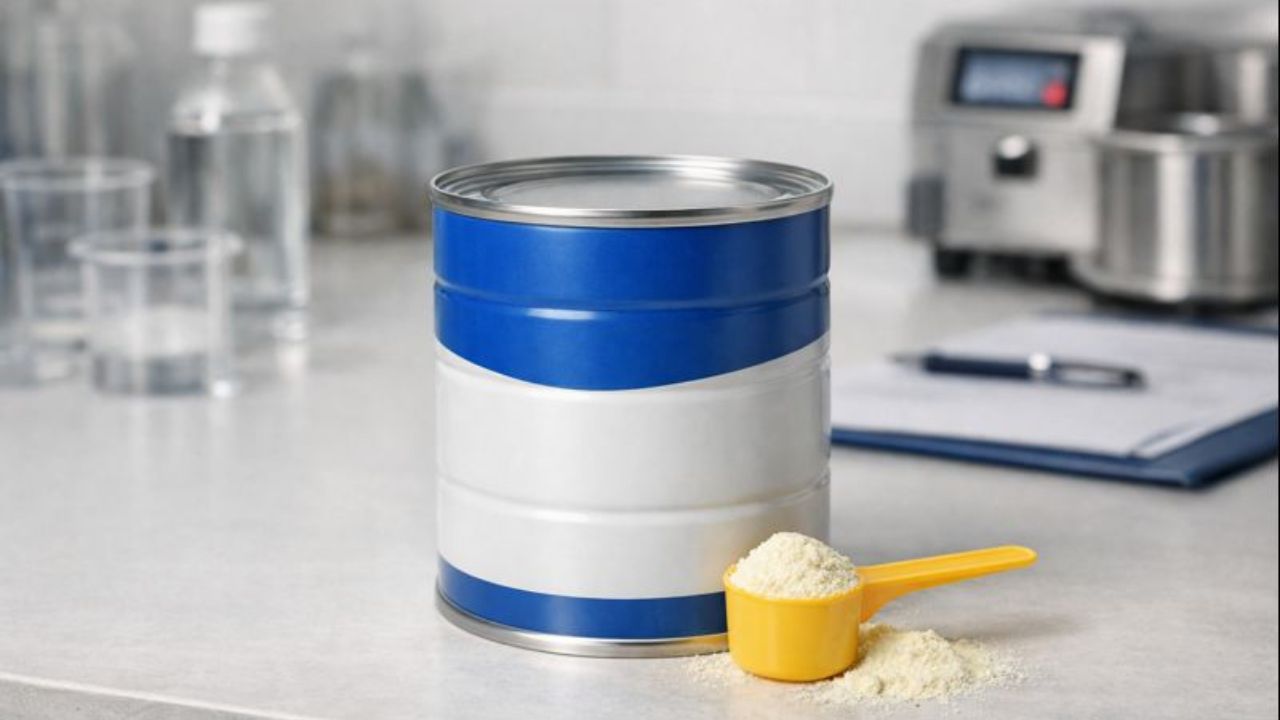
Nestlé Announces Recall Of Infant Formula Due To Possible Presence Of Cereulide Toxins. Recall Is Global And Preventive.
A Nestlé recall of global reach has alerted parents and caregivers after the identification of a possible risk in infant formula sold in several countries.
The measure was announced by Nestlé this week after the company detected that specific batches of its products could contain toxins, more specifically cereulide, a substance associated with food poisoning.
The recall is taking place as a preventive measure in various international markets, aiming to ensure the safety of babies and avoid any health risks.
-
Historic bankruptcy of Centauro shocks the market, and the century-old company puts more than 500,000 products, machines, and complete infrastructure up for online auction.

-
New shoe factory in Ceará is expected to create 400 jobs and strengthen the local economy.

-
No one imagined it, but a mixture of sawdust with a mineral that fights fires surprises scientists with a result that changes the course of fire-resistant construction.

-
From empty land to a high-end house, wooden construction uses a lightweight system, metal structure for the foundation, ventilated ceramic cladding, and special windows to create an efficient and comfortable living space throughout the year.


According to the company, the problem was identified in specific batches of infant formulas and follow-on formulas, which should not be offered to babies.
Although there are currently no confirmed reports of illnesses related to the consumption of these products, the decision for the recall was made as a precautionary measure.
Thus, the company seeks to avoid potential impacts and reinforce its food safety protocols.
Nestlé Recall Is Global And Affects Different Brands Of Infant Formula
The Nestlé recall is classified as global and involves products sold in various countries, especially in Europe. Among the mentioned markets are France, Germany, Austria, Denmark, Italy, and Sweden.
In the United Kingdom, detailed information regarding the batch numbers is available on the company’s official channels and local regulatory bodies.
Meanwhile, the brand names vary by country. In France, the preventive and voluntary recall involves infant formulas from the Guigoz and Nidal brands.
In Germany, the affected products are known as Beba and Alfamino. In all cases, the recommendation is clear: do not use the batches included in the recall.
What Is Cereulide And Why It Concerns Authorities
Cereulide is a toxin produced by certain strains of the Bacillus cereus bacteria. This substance can cause typical symptoms of food poisoning, such as nausea, vomiting, and stomach cramps, which tend to arise quickly after ingestion.
Furthermore, food safety authorities warn that cereulide is particularly resistant.
It is not easily eliminated by common preparation processes, such as using boiling water, cooking, or heating during the preparation of infant formula.
Therefore, even when following preparation instructions correctly, the risk may remain if the product is contaminated.
Guidelines For Parents And Caregivers Regarding Infant Formula
In light of the situation, the guidance is for parents, guardians, and caregivers to carefully check the lot codes before using any infant formula.
The numbers can be found on the bottom of cans or boxes, in the case of powdered formulas, or on the external packaging and sides of ready-to-use formula containers.
Health authorities emphasize that babies and young children should not consume the products included in the recall.
If there is any concern following the consumption of the formula, the recommendation is to seek medical advice immediately, contacting healthcare professionals or official service providers.
Nestlé’s Position And Measures Taken
In an official statement, Nestlé emphasized that the safety and well-being of babies are of utmost priority.
The company apologized to parents, caregivers, and customers for any concerns or inconvenience caused by the recall, reinforcing that the measure was adopted responsibly and preventively.
Additionally, the company stated that all other products and batches not included in the recall are safe for consumption.
Nestlé also assured that affected consumers will be entitled to refunds and indicated that the source of the problem is related to an ingredient supplied by a partner in the supply chain.
Regulation And Withdrawal Of Products From The Market
Meanwhile, regulatory bodies continue to act to ensure that all affected products are removed from shelves.
According to representatives of food authorities, urgent measures are being taken to prevent contaminated formulas from remaining on sale.
This episode reinforces the importance of constant vigilance over foods intended for babies and highlights how swift actions, such as the Nestlé recall, are fundamental to preserving consumer trust and protecting children’s health.










Seja o primeiro a reagir!