





 Portuguese
  English
  Spanish
  4 min of reading
  0 comments


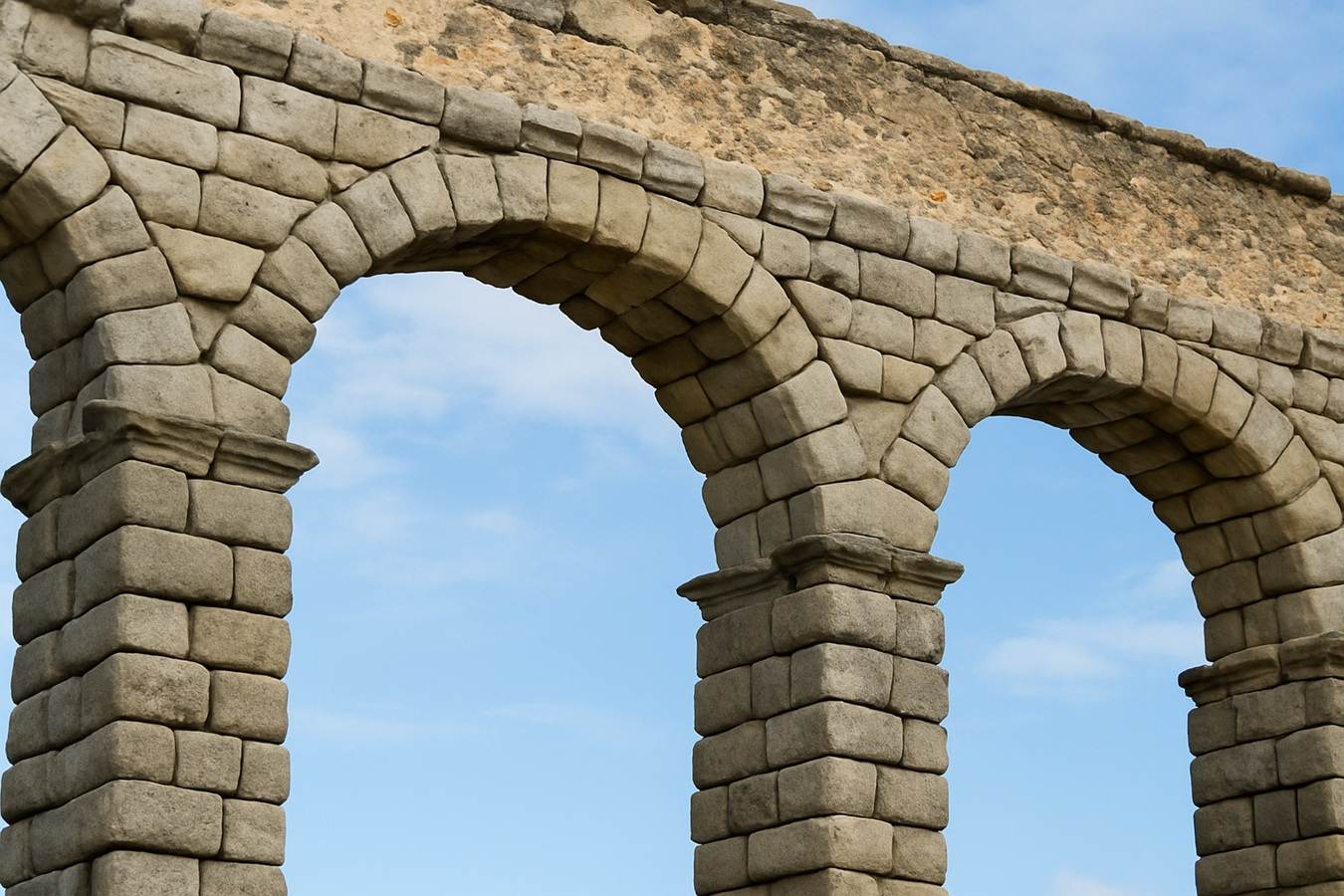
Researchers Investigated Whether The Ancient Concrete Recipe Used By The Romans Could Help Make Construction More Sustainable In Today’s World.
Roman concrete continues to impress engineers and researchers. Even after two thousand years, structures such as aqueducts, bridges, and buildings withstand the test of time.
This performance caught the attention of scientists, who decided to investigate whether revisiting the ancient recipe could assist in current sustainable construction.
In a study published in the journal iScience, researchers compared the Roman formulas with modern practices.
-
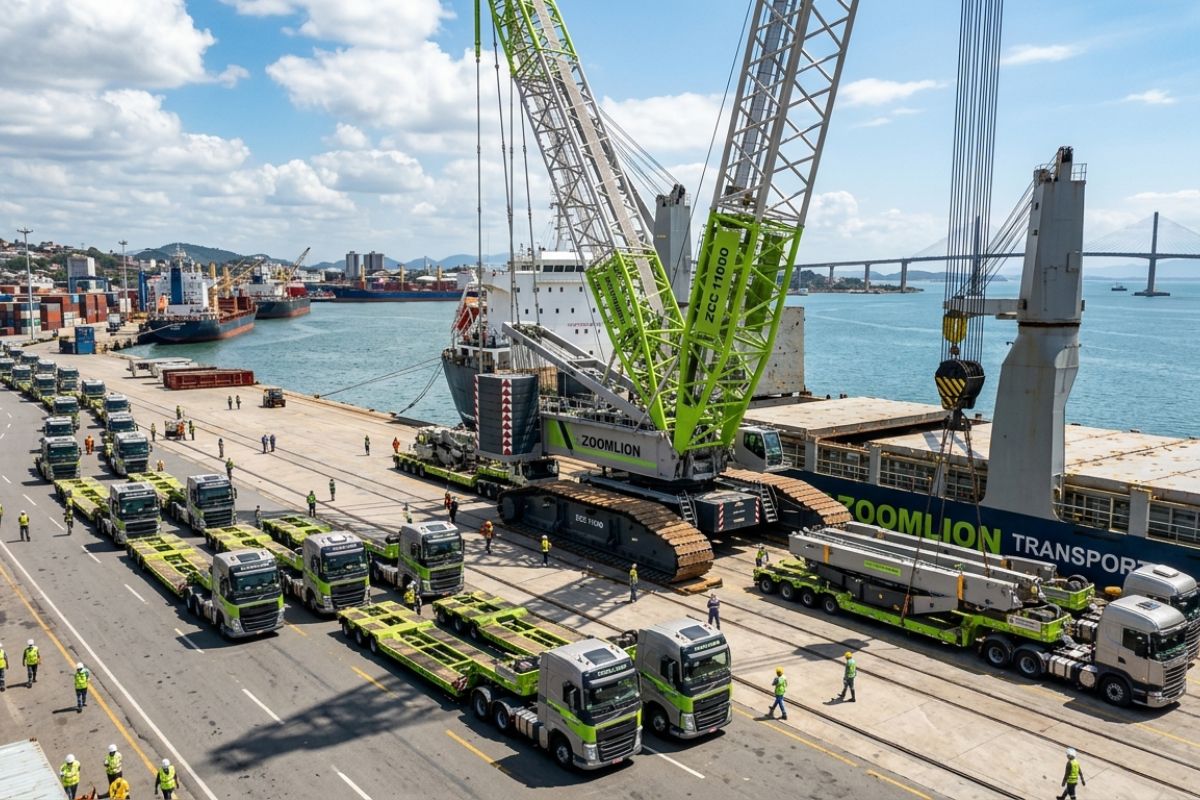
ZCC 11000 crane lands at the port of Vitória and heads to Ceará in a convoy with 64 trailers: Zoomlion, founded in 1992, builds a monster that lifts over 600 compact cars to 93 m.
-
The biggest drama of being born on Mars is not breathing: Rice biologist says that colonists’ children may cease to be Homo sapiens, shaped by low gravity, radiation, and isolation that divides humanity.

-
With no separate outdoor unit and designed to fit in the window, monoblock air conditioners used in Japan emerge as an alternative for those who cannot install a split system in a rented apartment.

-
China prepares a 78,000-ton pilotable floating island for deep-sea research: it accommodates 240 people for months, withstands category 17 typhoons and 9-meter waves, and uses metamaterials that dissipate nuclear explosions.


They wanted to understand whether the material’s durability could compensate for the high emissions and energy consumption of the construction industry.
Ancient Recipe, Modern Challenges
The base of the concrete in both versions is limestone. When heated to hightemperatures, it transforms into calcium oxide and releases CO₂. This process serves to create the paste that binds the elements of the mixture. Most importantly, despite using the same ingredient, the Romans followed a different logic.
They added pozzolana — a volcanic detritus — and even demolition debris. Modern concrete, on the other hand, mixes cement with sand and gravel. With these differences, the scientists wanted to test the environmental impacts of each method.
Daniela Martinez, an engineer at Universidad del Norte in Colombia, explains the study’s goal: “We wanted to learn from the Romans and see if their techniques could help reduce the environmental damage of our construction sector.”
Modeling Reveals Surprises
The researchers created models that simulate the volume of water, limestone, and energy used to produce each type of concrete. Additionally, they measured the CO₂ emissions and other pollutants associated with production.
The surprise came with the results. The production of Roman concrete, in several cases, emitted equal or even greater amounts of CO₂ than modern concrete. In other words, the ancient recipe is not automatically cleaner, as was once thought.
According to Martinez, “we expected to find a more sustainable alternative, but we discovered that simply changing the formula does not solve everything. We also need to rethink the energy source of the kilns.”
Biomass And Renewable Energy Make The Difference
The study also compared the effects of using different energy sources to heat the limestone. The use of biomass, wood, and renewable sources had a positive impact, reducing atmospheric pollution. Pollutants such as nitrogen and sulfur oxides, which directly affect human health, dropped by up to 98% depending on the energy source used.
Therefore, although Roman concrete does not provide a direct advantage in terms of CO₂, it may still offer environmental benefits by emitting fewer toxic pollutants during production.
Bet On Durability
Another central point of the study is durability. Roman structures have survived for centuries without major repairs. In contrast, modern buildings require constant maintenance, especially on highways and heavily used structures.
“When we think about the material’s lifespan, the Romans still have much to teach us,” says Martinez. “A concrete that lasts longer can decrease the need for reconstruction, which means fewer emissions over time.”
Sabbie Miller from the University of California agrees. For her, the real advantage of the ancient recipe lies in its resistance. If applied correctly, it could reduce the environmental impact, even with similar initial emissions.
Limits In Comparison
Despite this, the authors themselves caution against the limitations of this comparison. Modern concrete is reinforced with steel bars, something that the Romans did not use. This makes the current material more susceptible to corrosion, one of the main causes of deterioration.
Paulo Monteiro from the University of California highlights: “We need to be careful when comparing the two types. The ancient structures did not face the same challenges that we do today, such as the corrosion of metal reinforcements.”
Next Steps
The group plans new studies to better understand how the Roman mixture might behave in modern works. They want to test different scenarios and assess whether durability can indeed compensate for initial environmental costs.
“If we can combine Roman techniques with modern technology, we can create more efficient and sustainable constructions,” concludes Martinez.
The research paves the way for new solutions in civil engineering. Roman concrete is not a magic solution, but it can inspire more durable and less environmentally aggressive strategies.







Seja o primeiro a reagir!