





 English
  Francês
  Alemão
  Italiano
  Japonês
  Norueguês
  Portuguese
  Spanish
 5 min of reading
  0 comments


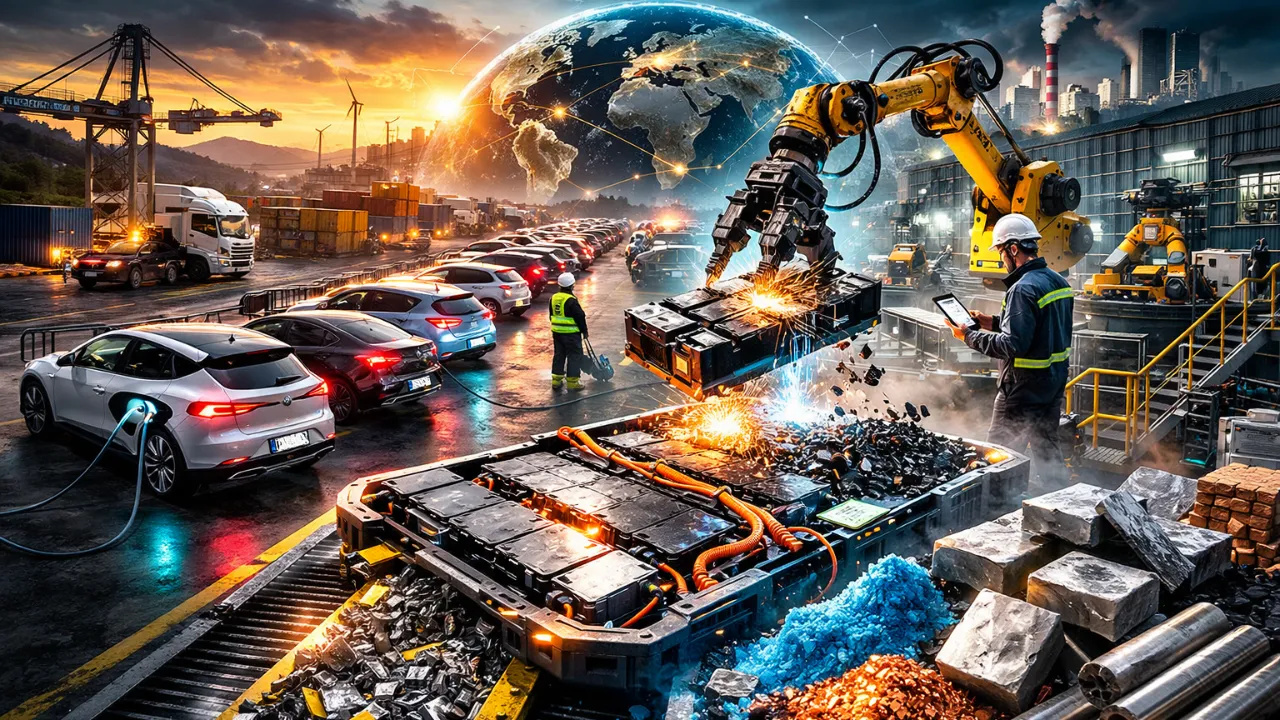
The Silent Transformation of the Automotive Industry Has Already Begun Behind the Scenes: As the First Generation of Electric Vehicles Approaches the End of Its Lifecycle, A New Strategic Gear Gains Strength — the Recovery of Critical Minerals That Could Redefine Costs, Global Supply Chains, and the Balance of Power in Electrification by 2040.
In an industrial warehouse that looks ordinary, a pallet arrives marked with high voltage warnings. Outside, it’s just another used batch. Inside, each module contains metals worth more than the entire car’s shell. This is where the story changes: electric car batteries stop being the end of the line and become the start of a new, silent, costly, and strategic dispute.
The turning point has a date and a reason. Projections attributed to McKinsey indicate that global revenues along the recycling chain could soar to about US$ 70 billion per year by 2040, up from around US$ 2.5 billion in a recent past, driven by a wave of retired batteries after 2030.
Today, the market still seems small because most of the world’s electric fleet has not yet reached the end of its useful life. But this is a short-term snapshot. By 2030, much of the material feeding recyclers comes from manufacturing scrap. After that, the game changes: starting in 2035, end-of-life batteries take center stage as the primary source of material for recycling.
-
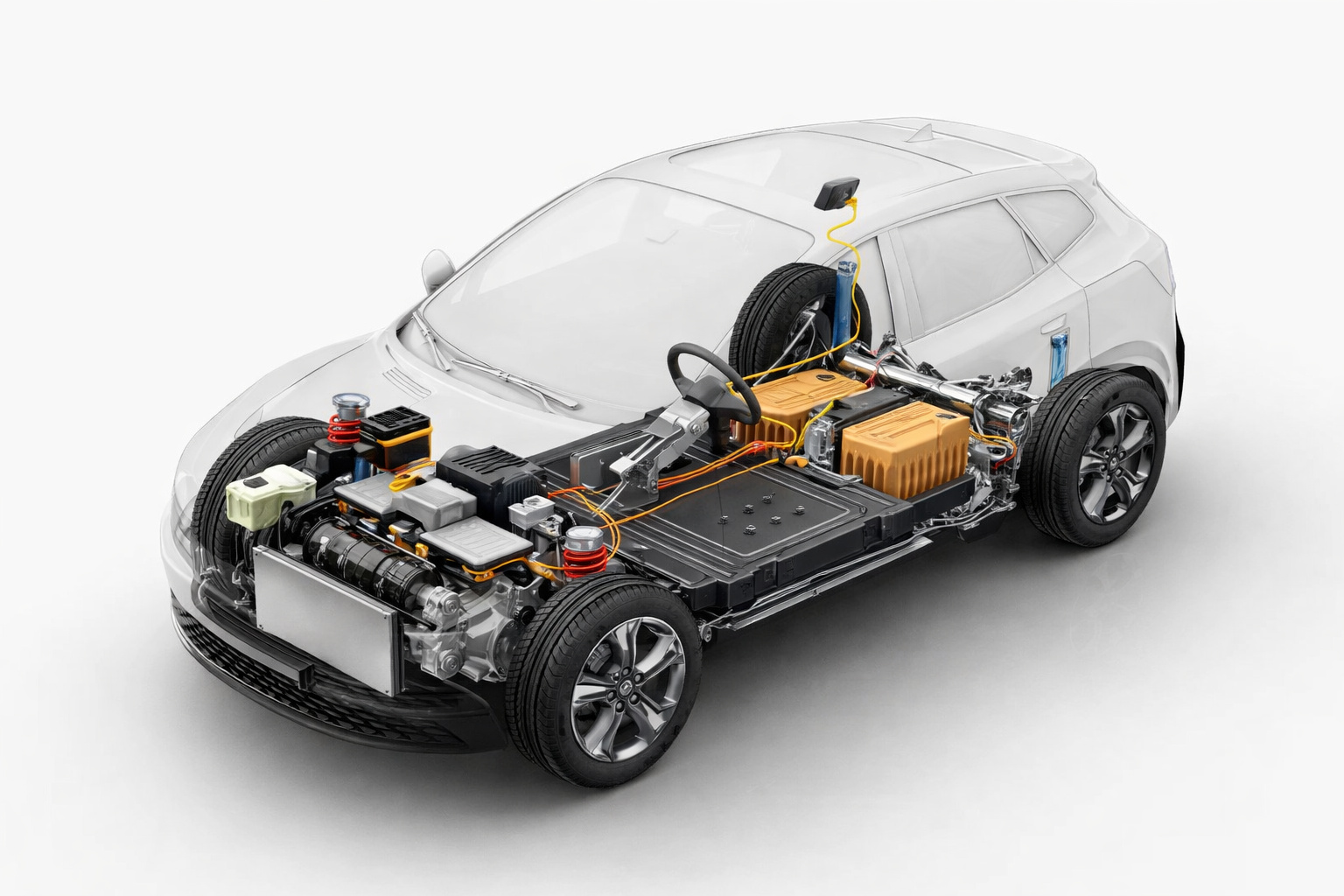
China Surprises Automotive Industry With Battery That Promises Electric Car Able to Run Up to 1,000 km Without Recharge
-
Why BYD Grew So Fast in Brazil and How Blade Batteries, Electric Cars, and Industrial Incentives Shaped This Expansion in the National Automotive Sector
-
Electric Cars Make Progress in Brazil in 2026 and Promise to Reduce Drivers’ Costs with Cheaper Energy, While Infrastructure Grows Slowly Across the Country
-
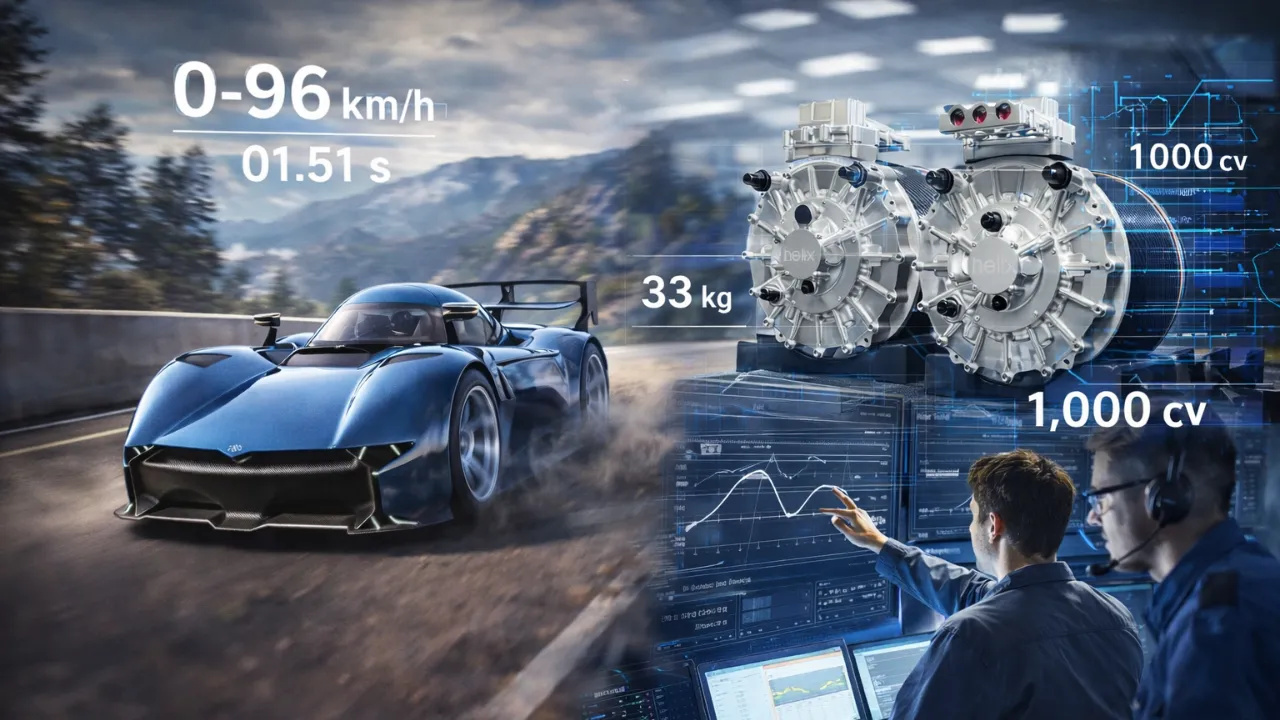
This Helix Electric Motor Weighs Only 33 Kg and Turns the McMurtry Spéirling Into a Compact 1,000 Hp Missile That Takes Just 1.5 Seconds to Reach 100 Km/H

Electric Car Batteries: Why the “Urban Mine” Has Become a Priority Now
The race does not stem solely from an environmental impulse. It arises from the fear of bottlenecks and the cost of being held hostage. Electric car batteries concentrate critical raw materials like lithium, nickel, cobalt, and copper. When supply fluctuates, vehicle prices fluctuate as well. Therefore, recycling has become a form of industrial insurance: it reduces exposure to mining, decreases geopolitical dependencies, and improves predictability of the most expensive component of the electric car.
Without recycling, battery materials tend to remain a bottleneck for electrification. The sector’s potential value is large enough to attract automakers, manufacturers, and investors. The practical effect is direct: when the industry creates a consistent flow of metal returns for new cells, it closes part of the cycle and buys time against supply shocks.
This becomes even more relevant when the demand for minerals grows faster than the capacity to open and operate mines, refine, and transport. Recycling acts as a balancing valve in an increasingly pressured market.
The Post-2030 Wave: When Discard Becomes Raw Material
The micro-story of the pallet in the warehouse multiplies when the first generation of mass-sold electric vehicles begins to retire. The more electric vehicles hit the streets, the more future stock of used batteries is formed. What seems like an exception today will become routine tomorrow. That’s why the post-2030 horizon appears as a central trigger in market projections.
If all announced recycling projects come to fruition, global capacity in 2030 may surpass the available material. However, after 2030, the availability of end-of-life batteries grows rapidly, changing the relationship between material supply and installed capacity. Many companies are building factories before the peak hits because those who have scale and contracts at the right time gain better costs, access to material, and predictability.
Regulation: The Push That Transforms Discourse into Obligation
Even when the isolated economy still doesn’t close the deal, regulation shortens the path. The European Union is already drawing up goals and obligations that affect the entire chain. The rules include progressive recovery of lithium, cobalt, nickel, and copper, as well as minimum percentages of recycled content in batteries sold in the coming years.
These requirements change the incentives of the game. Recyclers cease to be an option and become a mandatory piece to enter the market with a product. When the rule is implemented, technology and investment rush to keep up. The result is an environment where sustainability, cost, and industrial strategy blend.
The Hidden Challenge: Battery Chemistry and the Cost That Changes
The race is billion-dollar, but it is not simple. Changes in chemistry alter the economics of recycling. The expansion of LFP batteries, for instance, reduces the presence of more valuable metals like nickel and cobalt, which pressures traditional business models.
This means that not all batteries are equally valuable for recycling. The financial return depends on the chemical composition, the available volume, and the efficiency of the process. The competition, therefore, is not just for quantity but for technology and operational models capable of maintaining margins even with less valuable raw materials.

Automation and Safety: Why Robots Are at the Center of the Story
Dismantling electric car batteries is not like dismantling an old engine. There are risks of high voltage, diversity of architectures, and the need for rigorous safety protocols. When done manually, the process is costly, slow, and dangerous.
That’s why the industrial phase of recycling depends on automation. Robotics, computer vision, and standardized unloading and sorting processes gain prominence. Those who master safe and quick disassembly create cost advantages, and cost determines whether recycling yields profit or loss.
What Defines the Winners by 2040: Contracts, Scale, and Flow Control
The projected market of US$ 70 billion per year by 2040 will not go to those who recycle better in the lab. It will go to those who simultaneously control three points: access to the flow of used batteries, an efficient metal recovery process, and the ability to reintegrate those materials into the production chain.
Contracts with automakers, insurers, and fleets become strategic assets. Processes with a high recovery rate reduce waste and elevate competitiveness. Supply agreements close the cycle, ensuring that recycled material returns to production lines.
If recycling is scaled consistently, global battery production may rely less on the extraction of new minerals in the coming decades. This reduces environmental impacts, pressures on natural resources, and geopolitical vulnerabilities.
In the end, the urban mine is not an empty metaphor. It is a new gear in the automotive industry that determines price, independence, and speed of electric vehicle expansion. The race that began with autonomy and cost now gains a colder but more profitable chapter: those who control the destiny of electric car batteries can control a billion-dollar slice of the future of electrification by 2040.










-

-

-

3 pessoas reagiram a isso.