





 Portuguese
  English
  Spanish
  3 min of reading
  0 comments


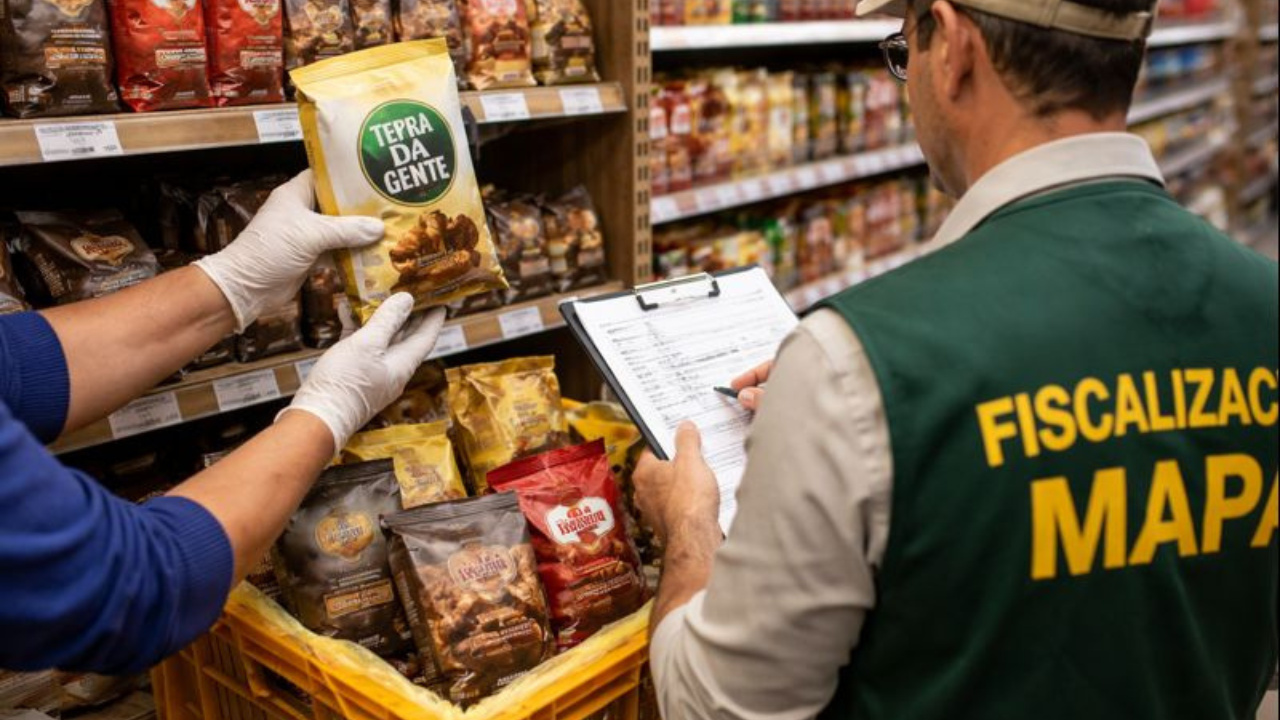
Irregularities in Roasted Coffee Lead Mapa’s Supervision to Withdraw Lots and Advise Consumers on Substitution.
The withdrawal of coffee was determined after Mapa’s inspection identified irregularities in roasted coffee produced by four different brands.
The action took place this month at units located in five Brazilian states and was conducted by the Department of Inspection of Plant Origin Products of the Agricultural Defense Secretariat, focusing on food safety and compliance with sanitary regulations.
The investigation pointed to the presence of impurities in coffee above the limit permitted by current legislation. As a result, 23 lots were disqualified and withdrawn from the market.
-
They said no to 26 million dollars and would do it all over again: mother and daughter from Kentucky reject a million-dollar offer from a mysterious company that wants to build the largest data center in the state on more than 2,000 acres of rural land.

-
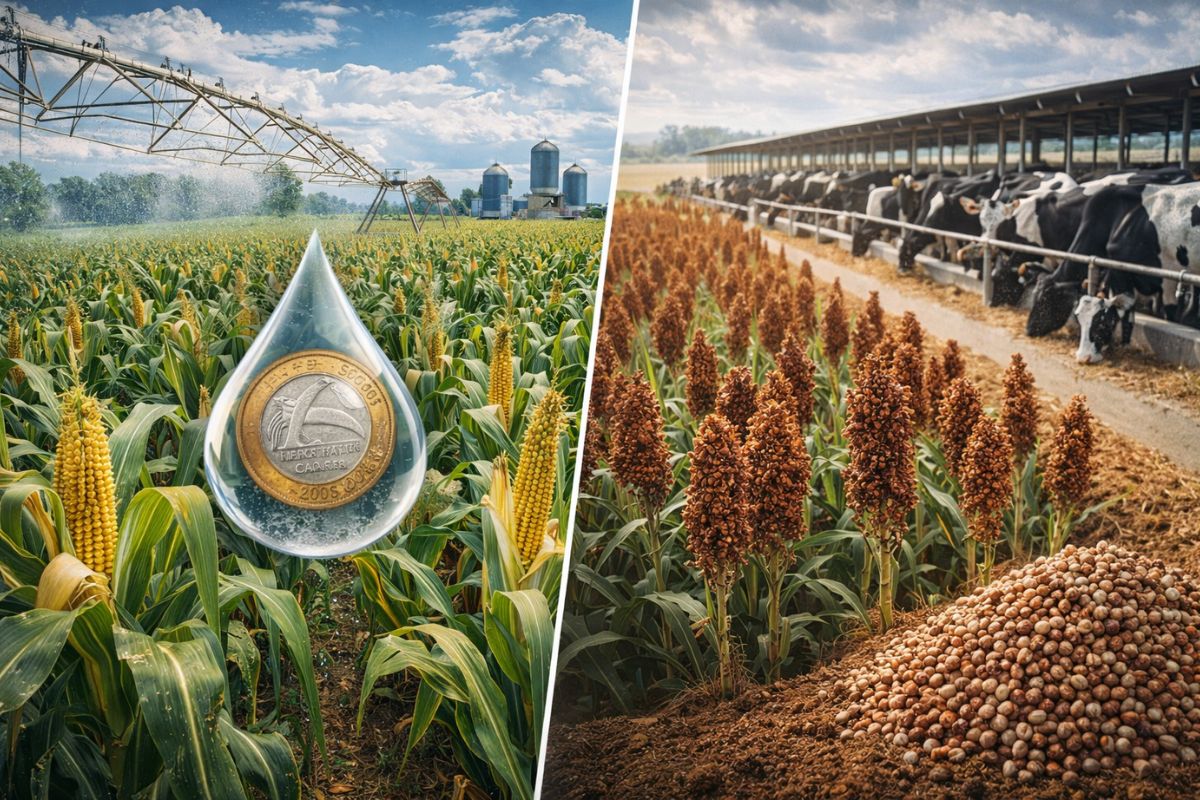
While corn requires rain and is expensive, sorghum produces almost the same volume per hectare at a cost up to 80% lower and uses less water, and it is revolutionizing dairy farming in the Triângulo Mineiro, where producers save hundreds of reais per hectare.
-
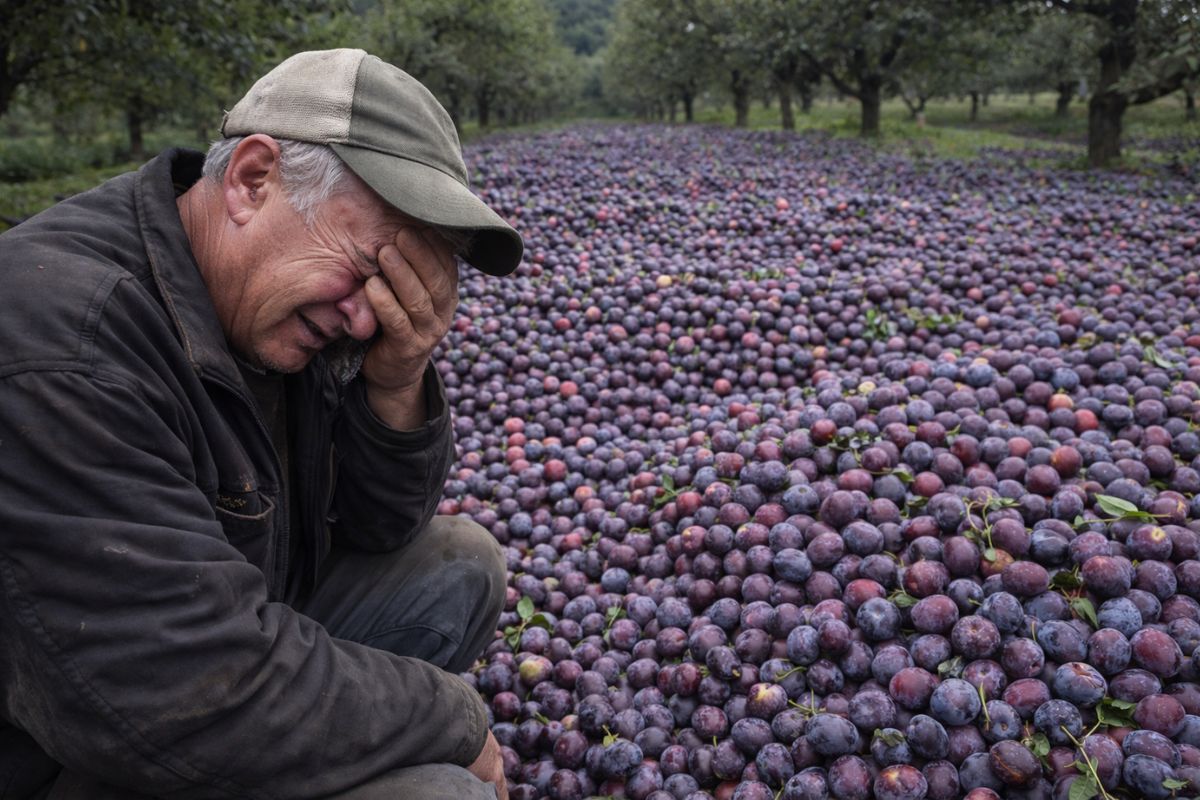
A rural producer from Urubici cries as he shows 50 tons of plums thrown on the ground because no one wanted to buy them, and in desperation, he records a video asking anyone to come to the property to pick the fruits before they rot.
-
Unable to pass through Hormuz, Brazil activated a plan B that uses Turkey as a gateway to the Middle East: the route through Gibraltar and the Mediterranean is longer and more expensive but ensures that chicken, beef, and corn continue to reach Arab markets.


According to the ministry, the measure aims to protect consumers and maintain the integrity of the coffee production chain, one of the main products of the national agribusiness.
Mapa’s Inspection Finds Impurities in Roasted Coffee
During the inspection process, agricultural defense technicians identified “impurities and foreign materials above the permitted level,” according to an official statement.
The irregularities in roasted coffee affected different brands and volumes, leading to the immediate adoption of coffee withdrawal.
18 lots from the brand Terra da Gente, two lots from the brand Jalapão, two lots from the coffee Made in Brazil, and one lot from the brand Q-Delícia were affected.
All products underwent laboratory analysis prior to the administrative decision.
Coffee Withdrawal Occurred in Five States
Mapa’s inspection withdrew the lots with irregularities in roasted coffee in the states of Santa Catarina, Rio Grande do Sul, Tocantins, Mato Grosso, and Ceará.
The operation involved coordinated actions between federal agricultural inspectors and state surveillance agencies.
According to the ministry, the coffee withdrawal occurred directly at distribution and commercial points.
In this way, the inspection removed the products from shelves before exposing new consumers to the irregularities.
Guidance for Consumers Follows the Consumer Defense Code
In addition to the coffee withdrawal, the Ministry advised consumers who have already purchased the products to cease consumption immediately.
The recommendation includes requesting substitution or refund, as provided for in the Consumer Defense Code.
According to the department, Mapa’s inspection acts not only in a repressive manner but also preventively.
The goal is to ensure transparency, food safety, and trust in the market, especially in a scenario of increased demand for specialty coffees.
Agricultural Defense Reinforces Control Over Specialty Coffees
The rise of micro-roasters and the appreciation of origin coffees have expanded the diversity of products available in the country.
However, this growth also demands greater rigor in Mapa’s inspection to prevent irregularities in roasted coffee.
The Agricultural Defense Secretariat states that it will continue to intensify inspection actions, especially in products with higher added value.
The focus is to ensure that the consumer receives a product within identity and quality standards.
Company Responds After Coffee Withdrawal
The manufacturer responsible for the brand Terra da Gente spoke out after the announcement of the coffee withdrawal. In an official statement, Solveig Indústria e Comércio de Café Ltda.
stated: “Solveig Indústria e Comércio de Café Ltda., responsible for Terra da Gente coffee, clarifies that the lots mentioned in the Mapa news are old, have already been fully segregated and are not in circulation on the market, posing no risk to consumers.
As soon as the company became aware of the alleged irregularities, it took immediate action, such as segregating the lots and reinforcing quality controls.
Since August 2025, the company has also been implementing an industrial modernization plan, with updated equipment, improved processes, and complete traceability of all production.”
The company also emphasized that it has been investing in structural improvements to prevent new episodes of impurities in coffee.
Mapa’s Inspection Continues as a Pillar of Food Safety
For the Ministry of Agriculture and Livestock, actions like this reinforce the importance of continuous inspection.
The strict control quickly identifies irregularities in roasted coffee and preserves the credibility of the sector.
The agency reported that new inspections are already scheduled and that agricultural defense will continue to monitor coffee production and commercialization throughout the country.
Thus, coffee withdrawal consolidates as a necessary measure to ensure quality, transparency, and consumer protection.









-

-

2 pessoas reagiram a isso.