





 Portuguese
  English
  Spanish
 3 min of reading
  0 comments


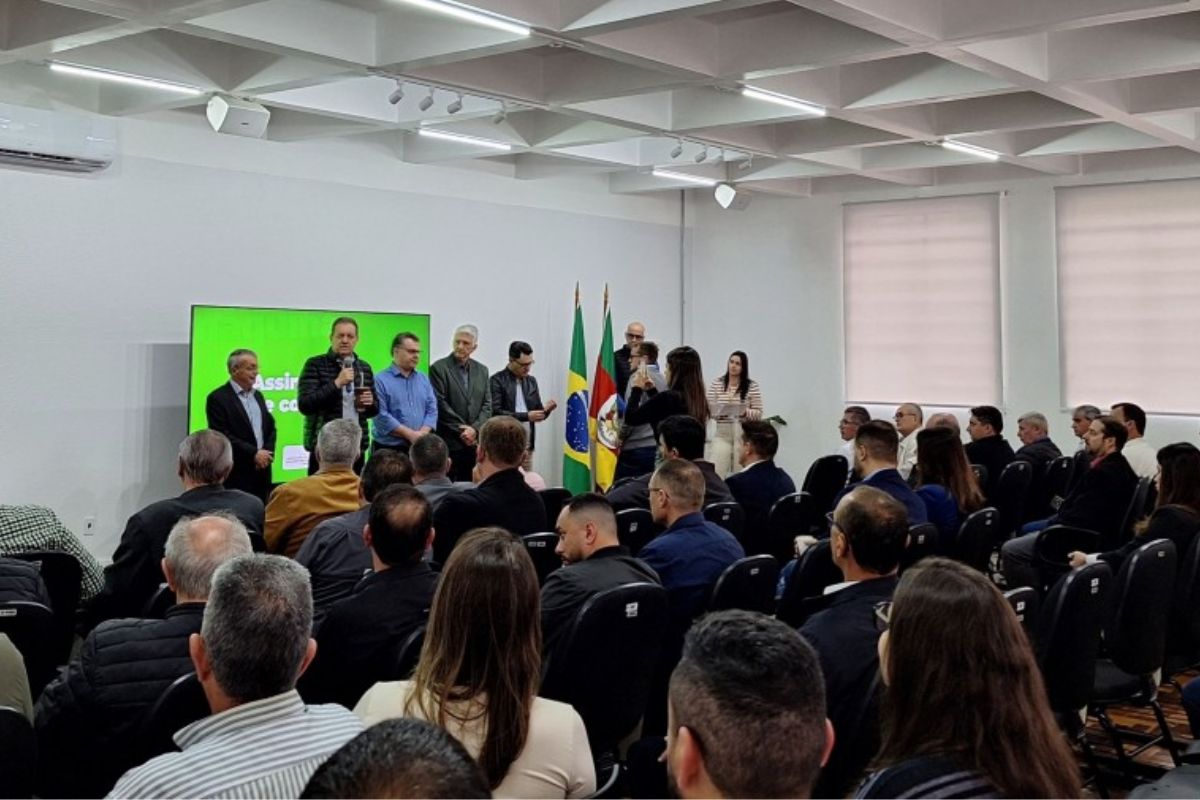
The Recovery of Rural Roads Advances in Rio Grande do Sul with 348 Agreements Signed Between Government and Municipalities, Ensuring Resources, Machinery and Essential Infrastructure for Affected Communities. The Program Includes Transfers of Up to R$ 300 Thousand per City in Situation of Emergency
The recovery of rural roads has established itself as a priority in Rio Grande do Sul, especially after the severe impacts of the floods in 2024, according to a report published.
Since the beginning of the actions, the state government, through the Secretariat of Agriculture, Livestock, Sustainable Production and Irrigation (Seapi), has already signed 348 agreements with municipalities to restructure essential routes for agricultural production, transportation of inputs, and access for rural communities.
The most recent announcement occurred on the last day of October 1st, with the formalization of new transfers. The program, part of the Rio Grande Plan, provides resources totaling almost R$ 107 million, ensuring up to R$ 300 thousand per municipality in situation of emergency.
-
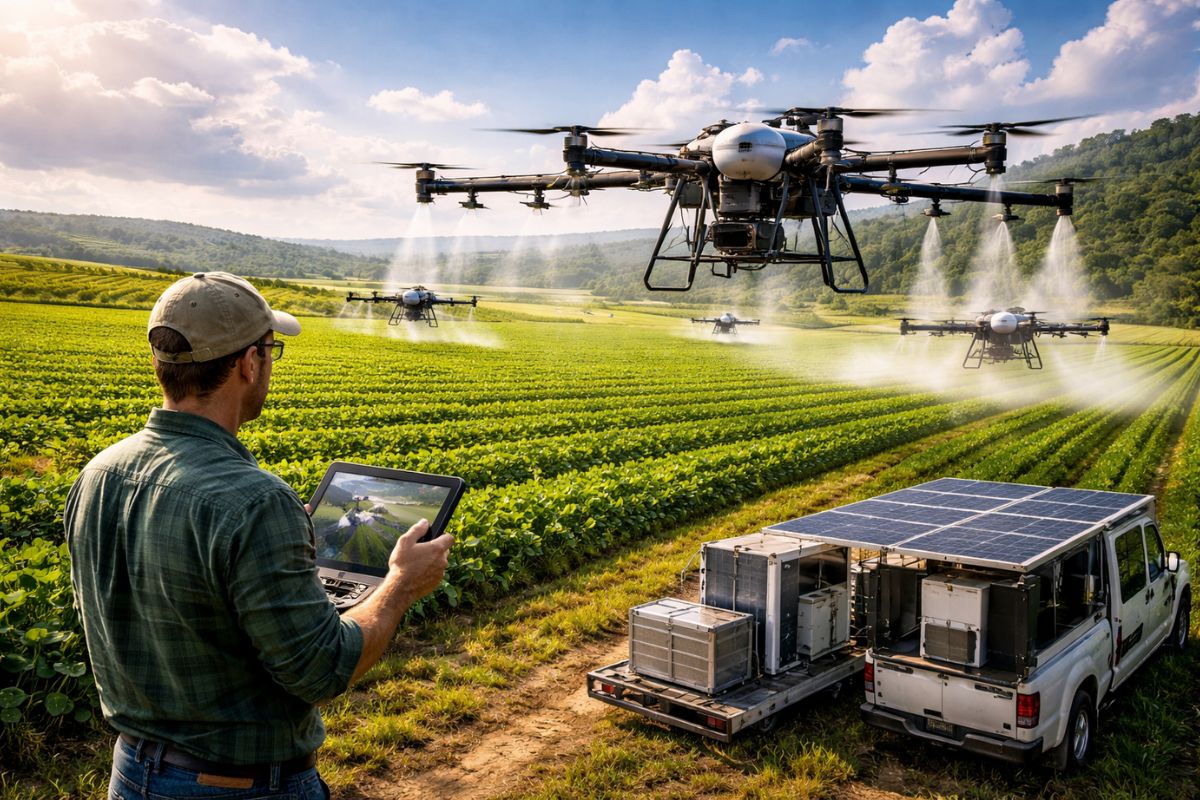
Alone, the producer applies 7,400 hectares with the T100 drone in an optimized structure, replaces the generator with a silent battery, and demonstrates how technology reduces costs, increases productivity, and even challenges the uniport in the field.
-
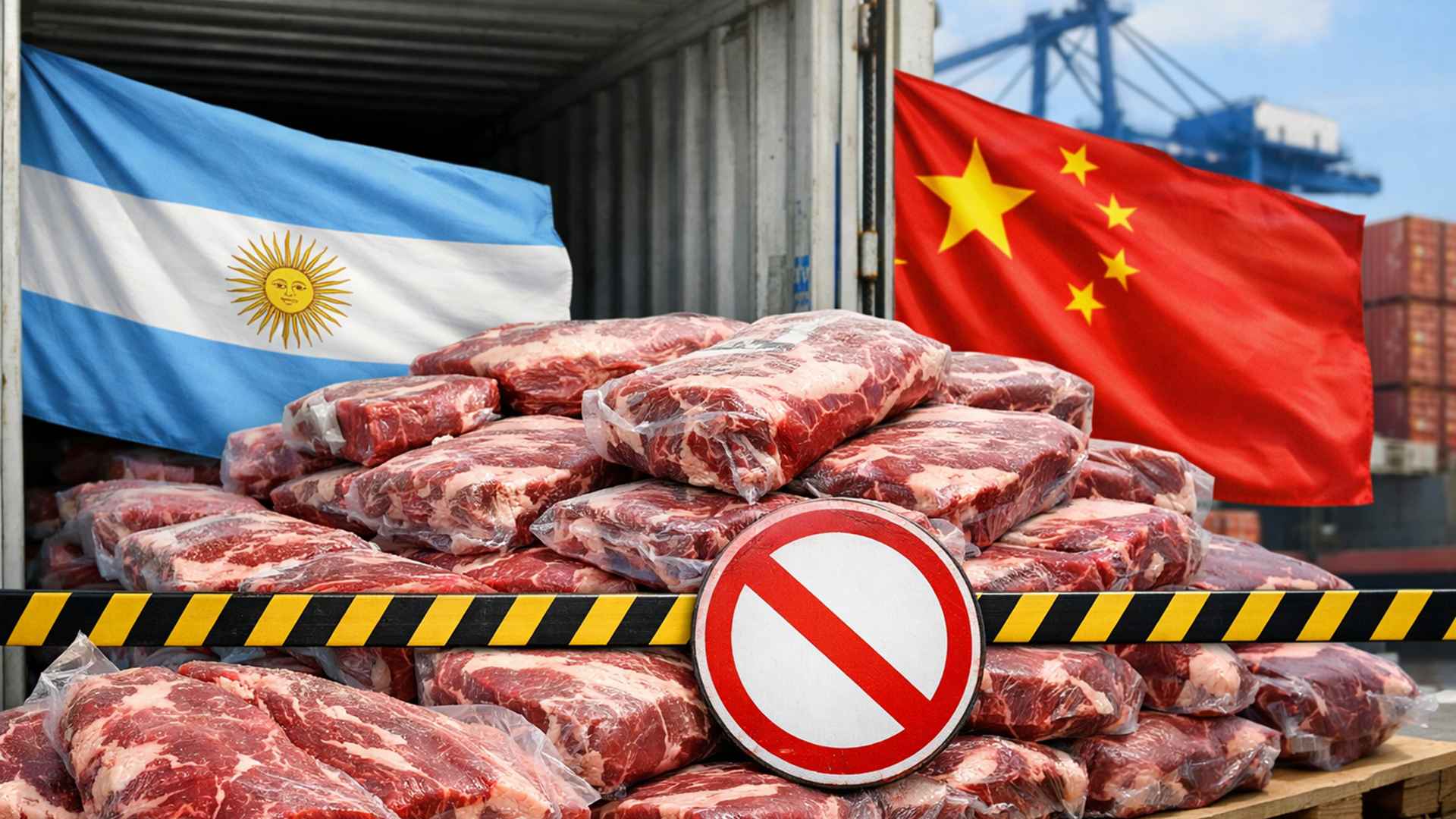
China banned the export of 22 tons of meat from Argentina.
-
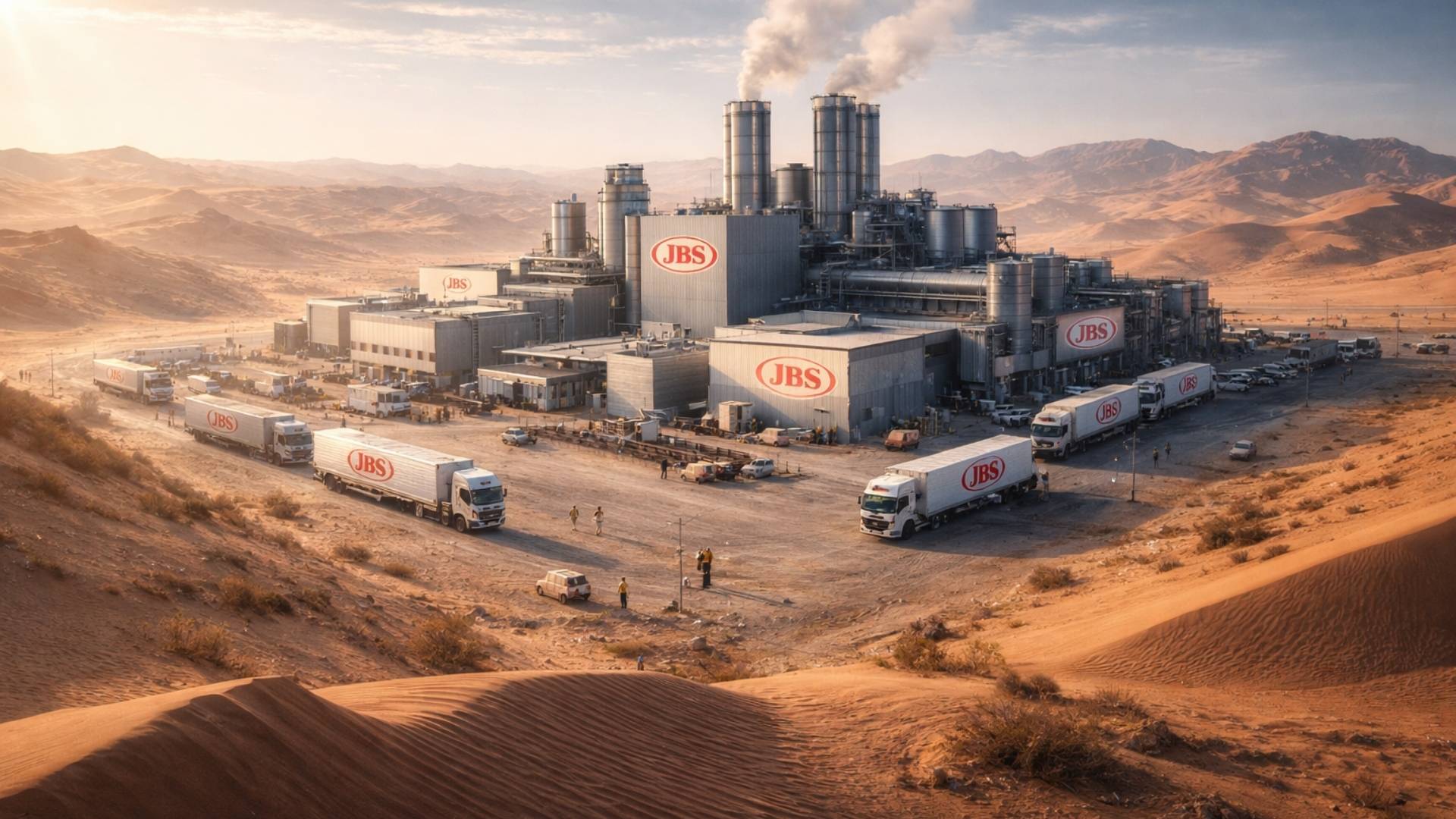
JBS, founded by the Batista brothers, continues to conquer the world: entrepreneurs built a ‘factory in the desert’ creating 3,000 jobs.
-
With only 1% of Brazil’s territory, Santa Catarina has built one of the most competitive industrial parks in the country, with 64,000 companies, nearly 1 million jobs, and a growth rate of 5.3% while the national industry is practically stagnant.


In total, 356 municipalities have registered, with eight still in the processing phase, demonstrating the breadth of the project that aims to rebuild, protect, and make the State more resilient.
Family Farming and Recovery of Rural Roads as State Priority
The agreements signed allocate essential resources to family farming, which directly depends on rural roads for the flow of production.
Among the municipalities that signed in the new phase are Campestre da Serra, Ibirapuitã, Itaara, and Tuparendi.
The funds can be applied to machinery such as tractors, hydraulic excavators, backhoes, trucks, graders, and loaders, as well as inputs such as gravel, crushed stone, and sand.
According to Secretary Edivilson Brum, decentralization is a differentiating factor of the program: “It is the mayor who defines where to invest, according to local needs.”
This autonomy ensures greater efficiency and agility in serving communities. Since 2019, R$ 290 million have already been invested in rural roads in Rio Grande do Sul, covering regions in a state of emergency or public calamity.
Agricultural Logistics Strengthened with Strategic Municipal Agreements
Agricultural logistics directly depends on the recovery of rural roads, as it ensures the transportation of grains, milk, meats, and other products that sustain the regional economy.
During the same ceremony on October 1st, ten cooperation agreements were signed for machine hours services, well drilling, and the provision of agricultural machinery.
Municipalities included are:
- Augusto Pestana
- Brochier
- Esmeralda
- Estrela
- Pântano Grande
- Passa Sete
- Rio Pardo
- Roca Sales
- Rolante
- Venâncio Aires
These partnerships complement investments and ensure suitable conditions for the circulation of trucks, tractors, and vehicles that drive the productive sector.
Sustainable Regional Development with Resources from Public Consultation
Another highlight was the signing of agreements through the Public Consultation, totaling around R$ 2.5 million allocated to projects directly chosen by the community.
This initiative expands the scope of rural road recovery and encourages sustainable management practices and soil conservation.
Benefiting municipalities include:
- Boa Vista do Buricá – R$ 256,285.71 for soil conservation, serving 70 families.
- Cristal do Sul – R$ 31,115.01 for soil management, benefiting 40 families.
- Victor Graeff – R$ 47,678.57 for rural infrastructure, reaching 50 families.
- Cirenor (Intermunicipal Consortium of the Northeast) – R$ 2,214,285.71 for the acquisition of a dump truck, benefiting 19 cities.
These measures reinforce the strategy of uniting economic development and sustainability, ensuring that communities are protagonists in setting priorities.
Strategic Municipal Infrastructure Expanded by the Avançar Poços Program
In addition to the recovery of rural roads, the program also includes solutions for drinking water supply in hard-to-reach areas.
Under the Avançar Poços initiative, two agreements were signed with the municipalities of Canguçu and Quevedos, totaling R$ 199 thousand. The aim is to drill tubular wells, benefiting about 47 families in rural communities, especially during drought periods.
This investment enhances strategic municipal infrastructure, ensuring both the circulation of people and products and the supply of basic resources, such as water, essential for agriculture and human consumption.








Seja o primeiro a reagir!