





 Portuguese
  English
  Spanish
 4 min of reading
  0 comments


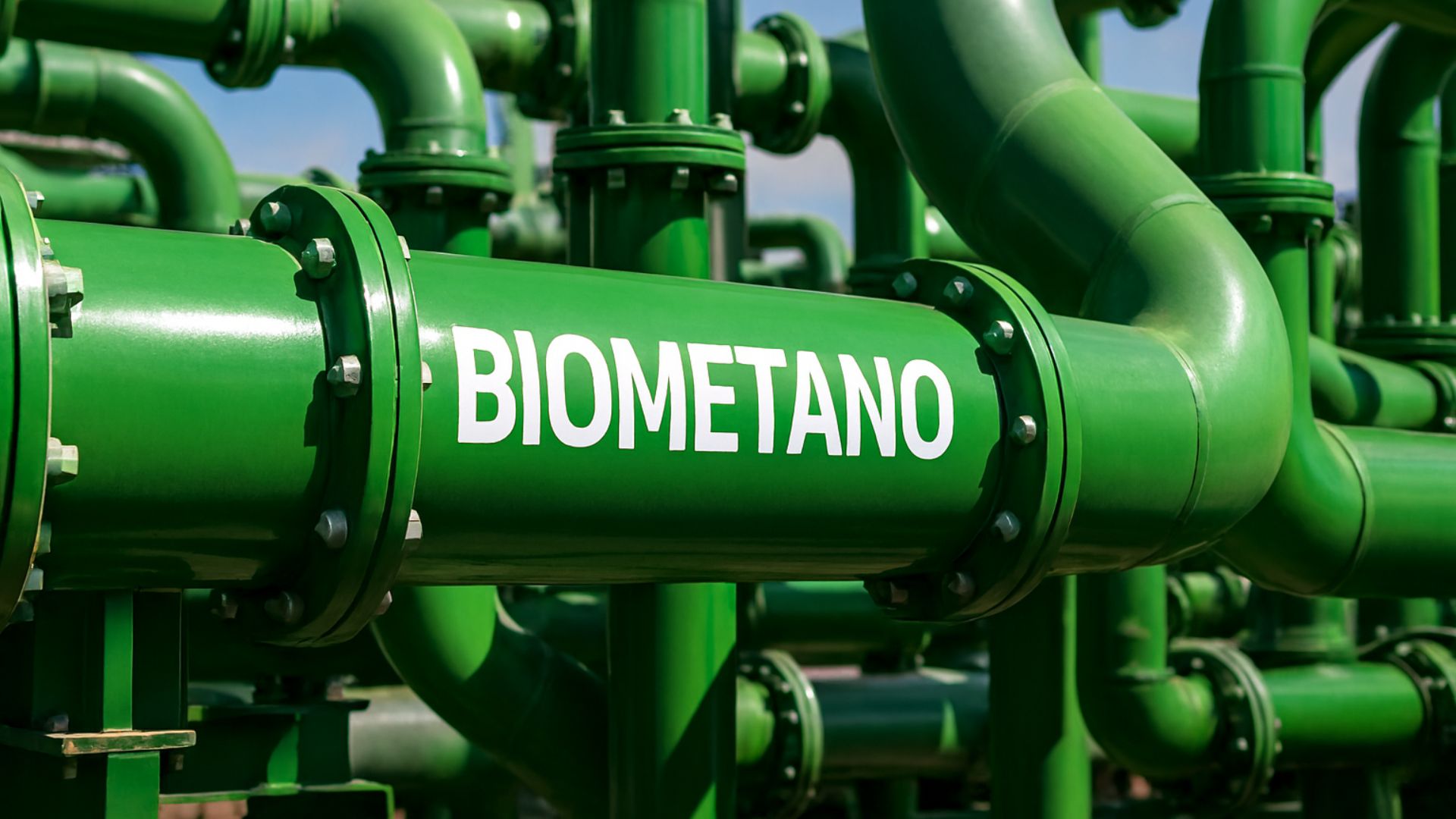
Unprecedented Project by Compagas Brings Biogas to Cities in Paraná Through New Supply Network, Expanding the Use of Renewable Gas in Industry, Commerce, and Sustainable Urban Consumption
In 2025, the Paraná Gas Company (Compagas) officially began operations of the first local supply network with biogas in Northern Paraná, establishing a milestone for the energy transition in the state. The project connects the utility’s operational base in Londrina to industrial customers located in Cambé, using renewable gas produced from sugarcane industry waste.
Compagas Operations with Biogas in Paraná
With the start of operations, Londrina and Cambé become the first cities in Paraná supplied with biogas via the distribution network, expanding the use of a clean, safe energy source aligned with environmental goals. The initiative demonstrates the technical and operational feasibility of renewable fuel and paves the way for the expansion of piped gas to homes, commerce, services, and transport.
The operation led by Compagas involves a supply network with 10 kilometers in length, connecting the municipalities of Londrina and Cambé. The infrastructure allows for a continuous supply of biogas to industrial consumers, partially replacing fossil fuels and contributing to the reduction of greenhouse gas emissions.
-
The Economist states that Brazil has a “secret weapon” against expensive oil and highlights how the country can reduce economic impacts even in international scenarios of high volatility.

-
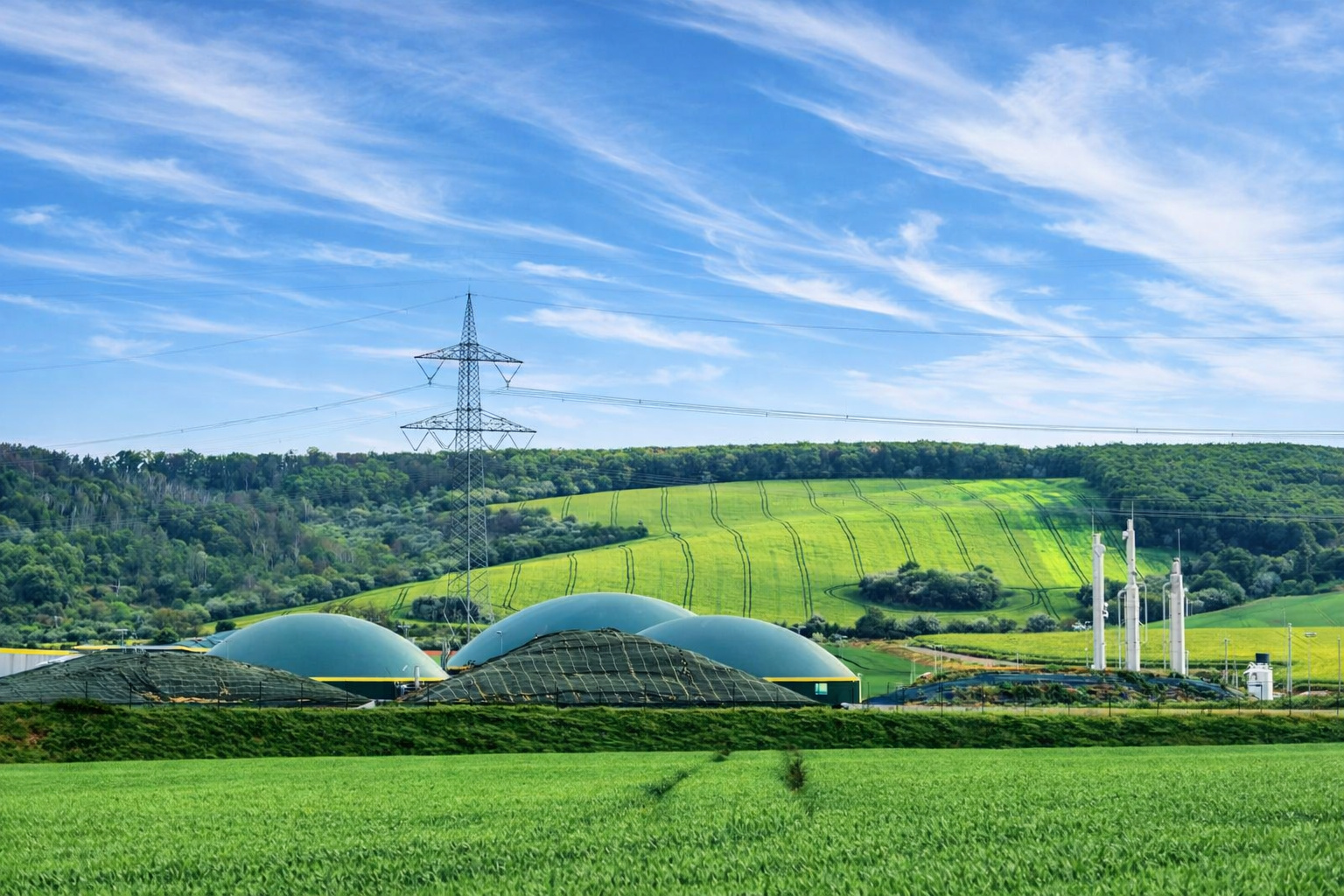
Brazil accelerates decarbonization in the South: International forum in Foz do Iguaçu gathers leaders to discuss the advancement of biomethane in the energy matrix and the potential of “caipira pre-salt.”
-
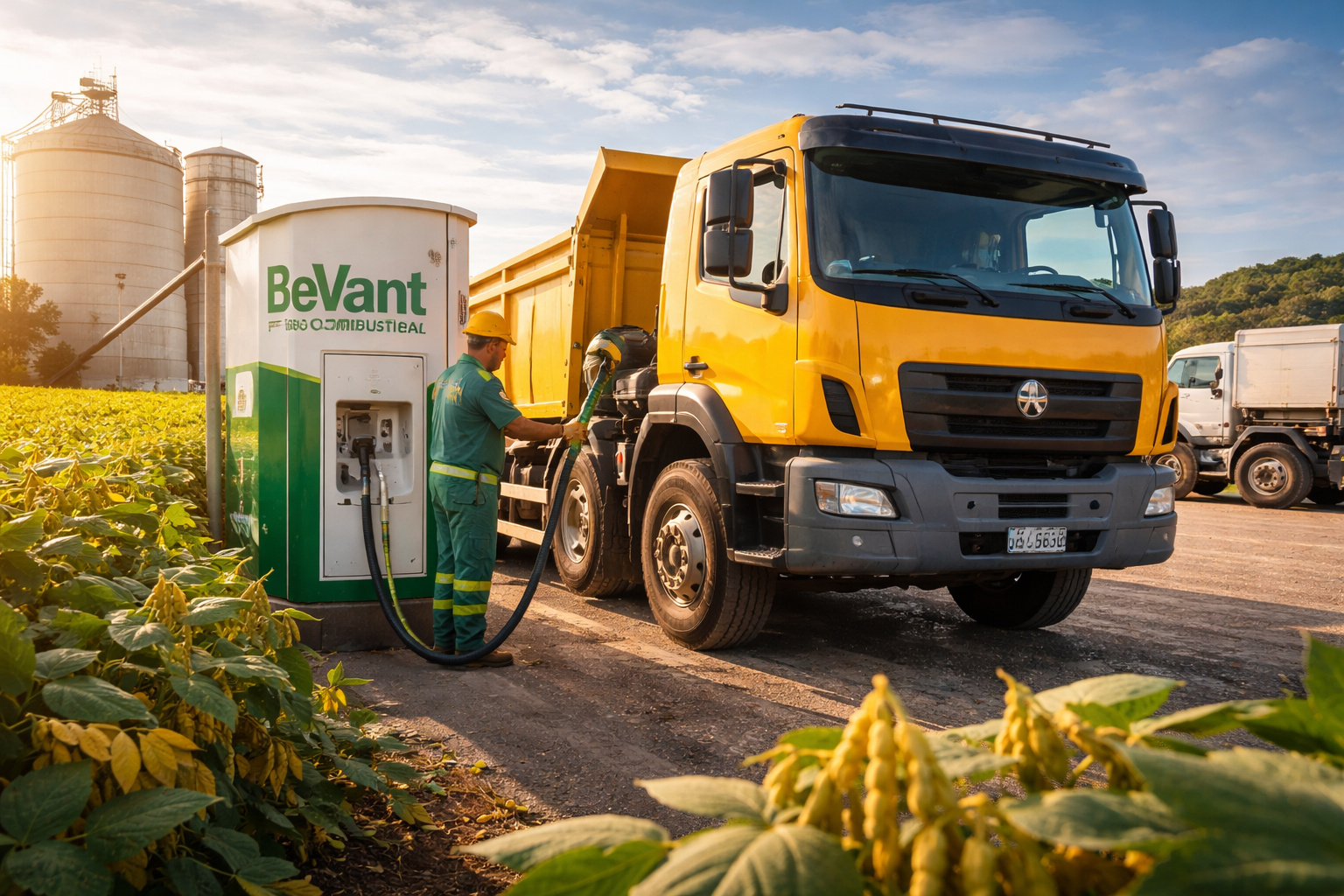
As diesel prices soar due to conflicts in the Middle East, a Brazilian city decides to test a little-known biofuel that promises to completely replace fossil fuel without adaptation and could change the future of energy in the country.
-
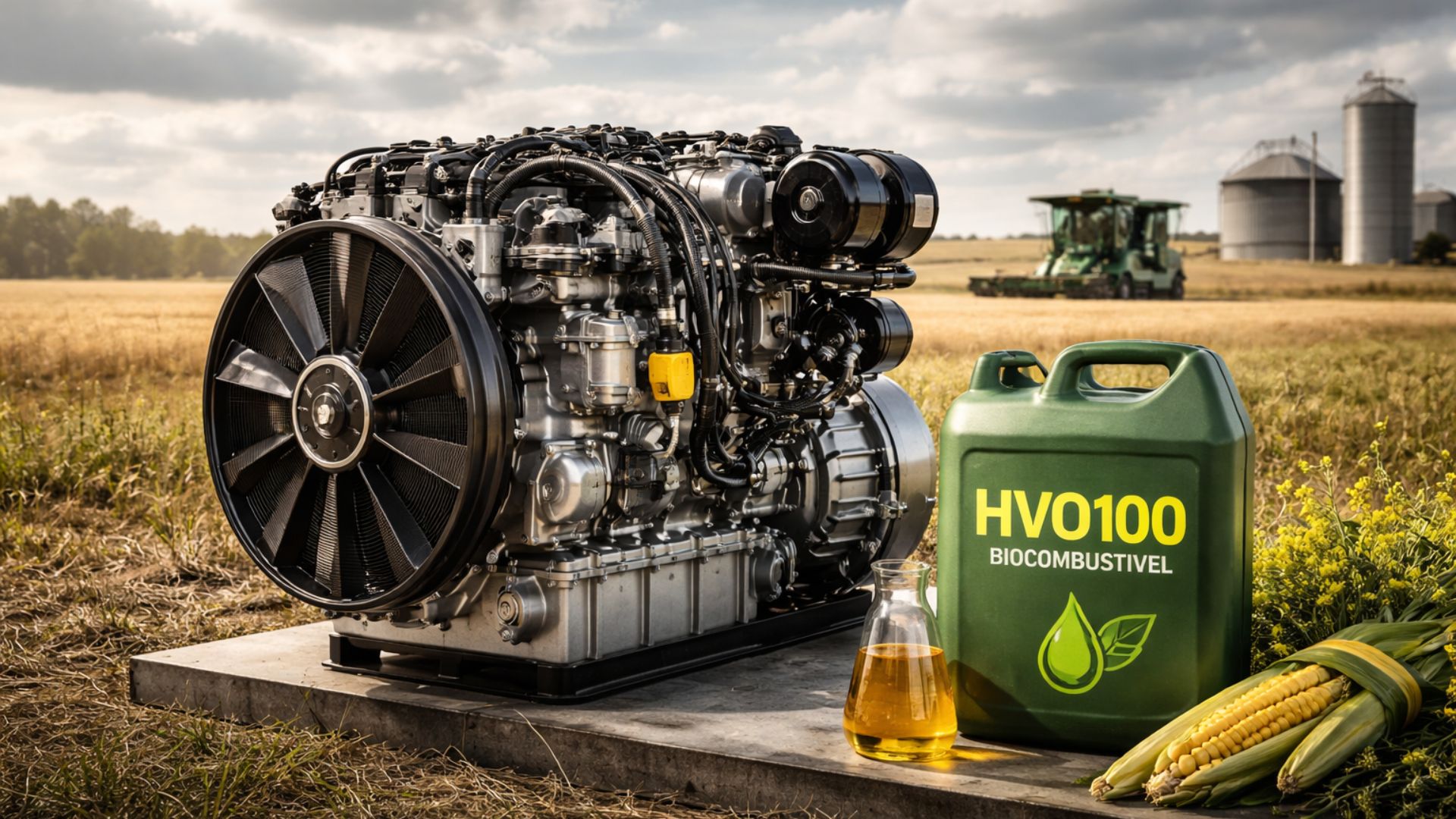
Innovation with biofuel engines transforms agribusiness by replacing diesel without the need for major adaptations, ensuring energy efficiency and helping to reduce dependence on oil.

The first industries served are PADO and AESA, both located in Cambé. The start of consumption proves, in practice, that renewable gas can be integrated into the existing distribution network, maintaining the safety and reliability standards required by the energy sector.
Investments by Compagas in the Supply Network
To enable the project, Compagas invested over R$ 10 million throughout 2025 in infrastructure expansion. An additional 4 kilometers of network were constructed, integrated into the existing grid in the region, totaling the 10 kilometers currently in operation.
The supply network has an operational base in Londrina, responsible for receiving gas that arrives by pressurized gas trucks. This model ensures logistical flexibility and guarantees the regular supply of biogas to the served customers.
Origin of Biogas and Circular Economy in Paraná
The biogas used in the operation is produced from waste from the sugarcane industry, especially sugarcane itself. Production takes place in the municipality of Tamboara, located about 170 kilometers from Londrina, in a plant specialized in converting organic waste into renewable fuel.
This process aligns with the principles of the circular economy by transforming industrial waste into clean energy. Furthermore, the use of renewable gas contributes to reducing dependence on fossil fuels and strengthening regional production chains in Paraná.
Expansion of Renewable Gas for Homes and Commerce
Compagas is already in the environmental licensing process to expand the supply of biogas to the residential and commercial market in Londrina. The initiative is part of the expansion plan outlined in the company’s concession contract and reinforces the role of piped gas as a vector for urban competitiveness.
With the expansion of the supply network, residential and commercial consumers will have access to a more sustainable, efficient, and safe energy alternative. The advancement of renewable gas also contributes to diversifying the energy matrix of Paraná.
Renewable Gas and Sustainable Mobility in Paraná
For 2026, the connection of a fueling station aimed at light vehicles and heavy transport is planned. The initiative expands the use of renewable gas in the mobility sector, providing a cleaner alternative to diesel and gasoline.
The project strengthens the routes of the so-called Sustainable Corridors, integrating low carbon energy and logistics infrastructure in Paraná. The use of biogas as a vehicular fuel is recognized by sector studies as an efficient solution for reducing emissions in road transport.
Internalization of the Supply Network and New Poles
The expansion of the supply network of Compagas is already advancing beyond Londrina and Cambé. In Maringá, the utility has begun construction of an isolated network, which will allow the start of piped gas consumption in the municipality from 2026.
The project reinforces the internalization of the use of renewable gas in Paraná and positions Maringá as the next development pole within the company’s regional strategy. The arrival of piped gas is expected to attract new industrial and logistical investments.
Operational Safety of the Biogas Network
The operation of the supply network strictly follows the technical and regulatory standards established by the National Agency of Petroleum, Natural Gas, and Biofuels (ANP). The system is designed to operate reliably, even when using renewable fuel.
The initial experience with the served industries demonstrates stability in supply and reinforces the technical viability of biogas on a commercial scale. The actions of Compagas consolidate piped gas as a safe solution for different consumption profiles.
A New Chapter for Renewable Gas in the State
The implementation of the first supply network of biogas in Northern Paraná represents a concrete advancement in the state’s energy transition. The initiative by Compagas demonstrates that renewable gas can efficiently serve industries, residences, commerce, and transportation with safety and lower environmental impact.
With consistent investments, planned expansion, and regional integration, the project strengthens the energy matrix, stimulates the circular economy, and positions Paraná as a national reference in innovation in the use of piped gas.









Seja o primeiro a reagir!