





 English
  Francês
  Alemão
  Italiano
  Japonês
  Norueguês
  Portuguese
  Spanish
  4 min of reading


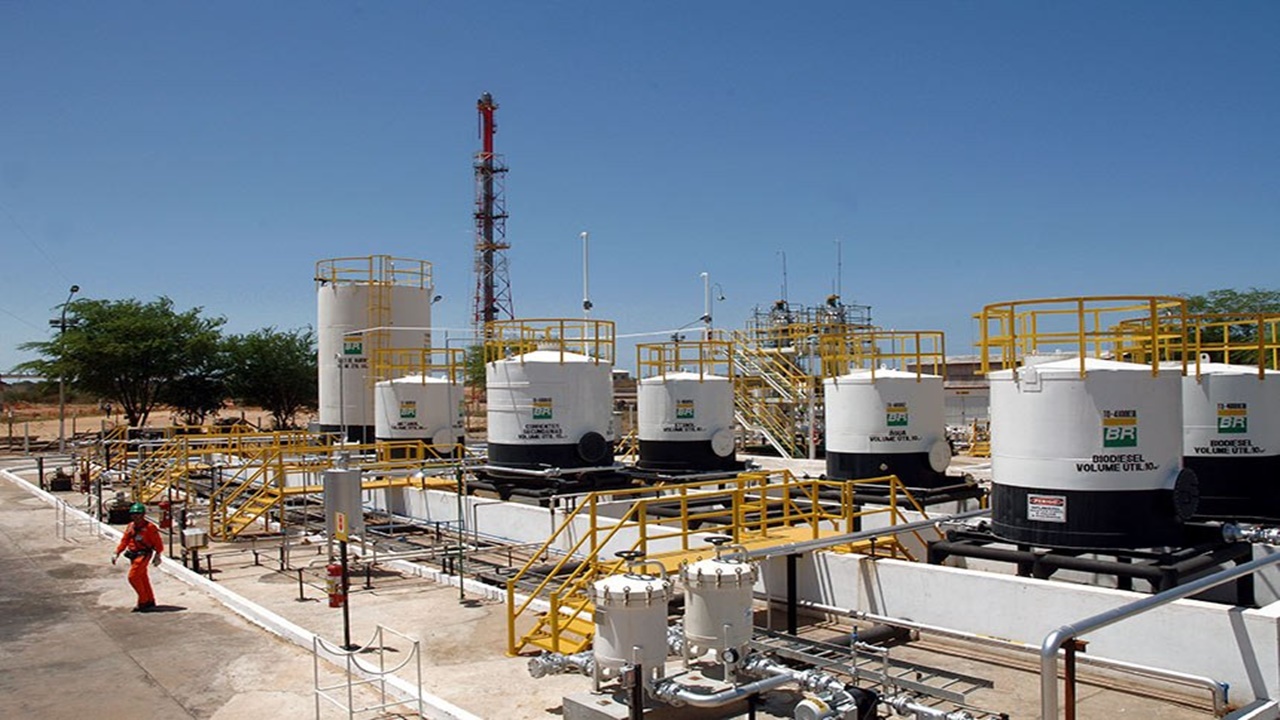
Petrobras Is The Main Buyer Of Biodiesel In The Country. The Impact Of Reducing The Mandatory Percentage In Fuel Will Cause A Loss Of R$ 2 Billion In Just 2 Months For The State-Owned Company
The Brazilian government reduced the mandatory percentage of biodiesel in diesel, from 13% to 10%, just before the climate summit convened by U.S. President Joe Biden, with forty countries, including Brazil. The decision reduces the price of fuel at the pump and pleases truck drivers, but on the other hand ignores the consequences of the decision for the country’s image in the international scenario, for the entire production chain, and for Brazil’s own GDP, which was mainly sustained by agribusiness in 2020.
Read Also
- Faetec Calls For Teachers, Instructors, Pedagogues, And More For Many Job Vacancies Throughout The State Of RJ
- Hydrogen-Ethanol Mixture Promises To Revolutionize Efficiency And Reduce Fuel Consumption In Flex Engines
- Ethanol Price Soars Along With Gasoline; Sugar And Exports Make The Biofuel More Expensive
- Soybean Oil Price Plummets After Brazil Reduces Biodiesel Blend In Diesel
Currently, Brazil is among the three largest producers and consumers of biodiesel in the international ranking, alongside the United States and Indonesia.
The gain from the reduction of biodiesel in fuel at the pump was 8 cents per liter for truck drivers, however, it has already been offset by the latest fuel price increase carried out by Petrobras on April 16, where the average prices at the state-owned refineries rose to R$ 2.76 per liter for diesel, a 10-cent increase per liter.
-
While Russia dominates the global wheat market, Brazil emerges as an unexpected competitor in the Cerrado, offering grain available in July and August when stocks in the Northern Hemisphere are at their lowest point of the year.

-
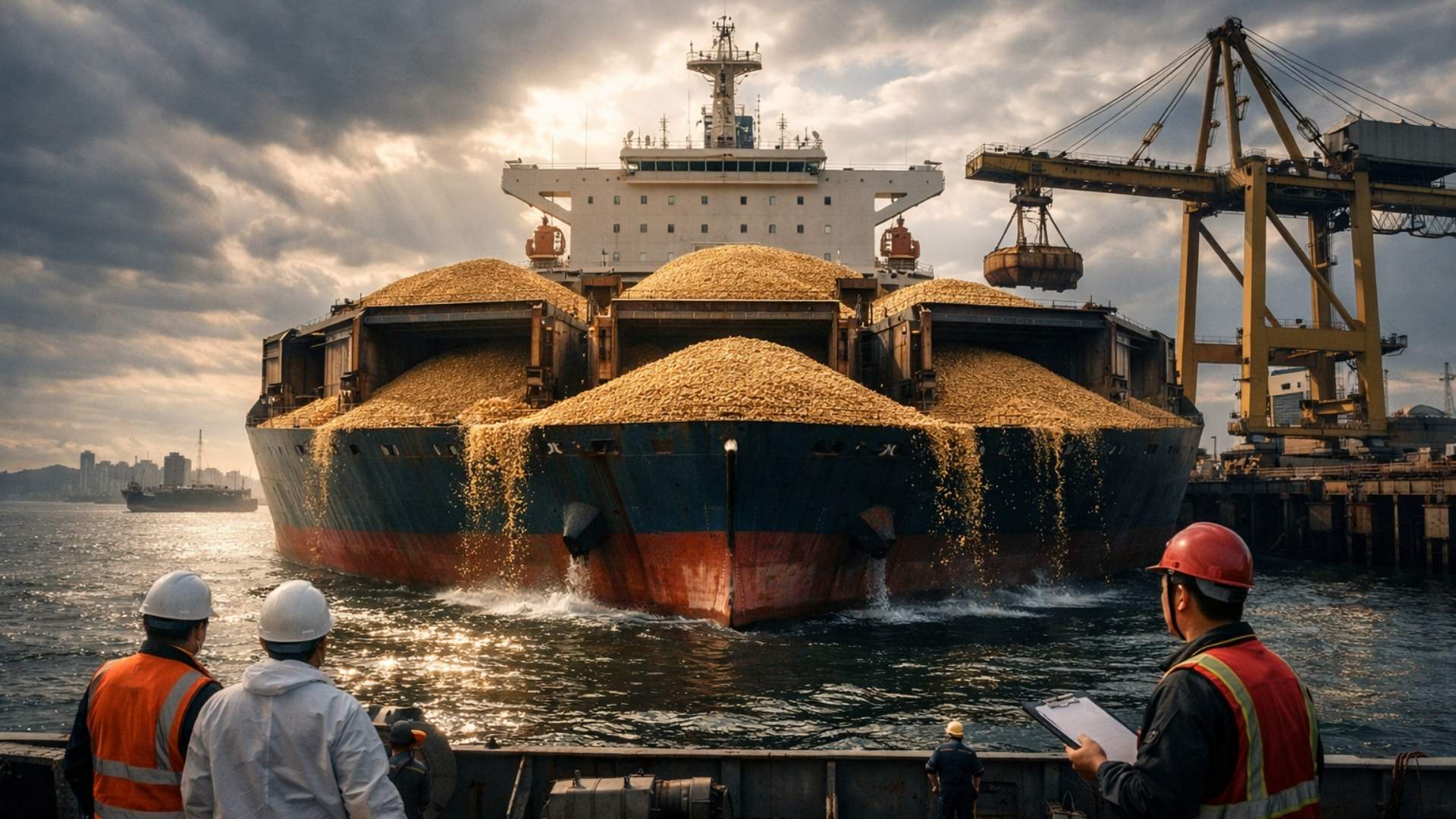
China returned almost 20 Brazilian ships with soybeans, but now everything could change: the country that buys 80% of the grain is considering relaxing regulations after impurities held up shipments of thousands of tons and caused million-dollar losses.
-
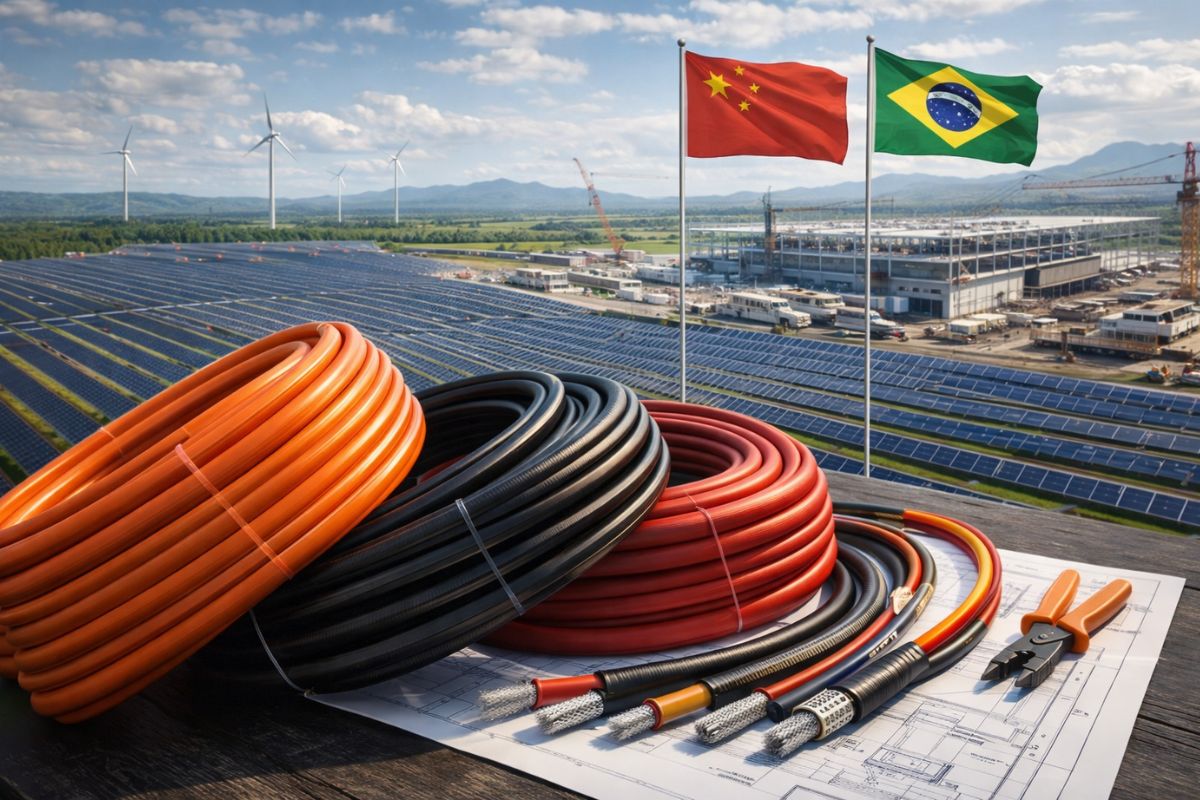
Chinese giant worth nearly R$ 4 billion that manufactures cables for electric cars, solar energy, and robotics wants to open a factory in SC.
-
Many employers do not know, but the law guarantees domestic workers a 25% increase in salary during trips, 50% for overtime, 20% for night shifts, and 17 additional benefits that can lead to labor lawsuits if not paid.


The price of diesel is significantly lagging even with Petrobras’s new adjustment. Brazilian diesel has risen 36.3%, while oil has increased by 41.1% in the international market this year, 2021.
The main buyer of biodiesel in the country is Petrobras, and the impact of the reduction of the mandatory percentage is estimated at a decrease in the sale of the product by 300 million liters of biodiesel – about 120 Olympic-sized swimming pools – a revenue loss of approximately R$ 2 billion in two months. To put it into perspective, four production plants are expanding to increase production by 256 million liters per year, and eight new plants are under construction to produce 1.4 billion liters per year.
Biodiesel Reduction In Fuel May Backfire And Trigger Bankruptcy Of Sector Companies And Unemployment
The government’s measure to reduce biodiesel in fuel may impact industries that expanded their operational capacities relying on high demand, consequently leading to unemployment, as the biodiesel production chain employs over 1.5 million people.
About 80% of the biodiesel consumed in the country is produced from pure and recovered soybean oil, which production stimulates the manufacturing of soybean meal, the main ingredient in the feed chain – which, in turn, feeds birds, fish, and pigs. The resulting impact on inflation will affect society as a whole, including the sectors that today intend to benefit from the reduction of fuel at the pump. In other words, the intervention could lead to a backfire.
An economic report conducted by GO Associados, led by Gesner Oliveira, former president of the Administrative Council for Economic Defense (Cade) and of Sabesp, indicates that the reduction could lead to the bankruptcy of companies that made investments and increased their production capacity based on the timeline set by the National Energy Policy Council (CNPE), defined by a resolution in October 2018, which was suddenly modified on Wednesday, the 14th, at the auction of the product to be placed on the market in May and July. “This is a measure that runs counter to various aspects of public policy. The climate summit is very illustrative. At a moment when there is a global effort that should be national to reduce emissions, it makes no sense to interrupt a timeline that had already been established,” Oliveira told VEJA.
The Government Works For The Strengthening And Consolidation Of The Brazilian Biofuels Market, Says The MME
In a statement, the Ministry of Mines and Energy informed that “the Government works for the strengthening and consolidation of the Brazilian biofuels market, but in an environment that allows for competitiveness, seeking to ensure national supply while preserving consumer interest regarding price, quality, and supply of fuel.” The main reason for the decision is the high price of biodiesel in the international market. “The Brazilian biodiesel has soybean oil as its largest raw material component, accounting for about 71%,” and “the global market continues to have strong demand for soybeans, mainly due to low product stocks in the U.S. and the growing demand from China.” “It is expected, as soon as possible, the resumption of the use of biodiesel at the levels established by the National Energy Policy Council (CNPE), with increased production and use of biofuels in Brazil, in accordance with the goals of our National Policy (Law 13.576/2017).”








Seja o primeiro a reagir!