





 English
  Francês
  Alemão
  Italiano
  Japonês
  Norueguês
  Portuguese
  Spanish
  5 min of reading
  0 comments


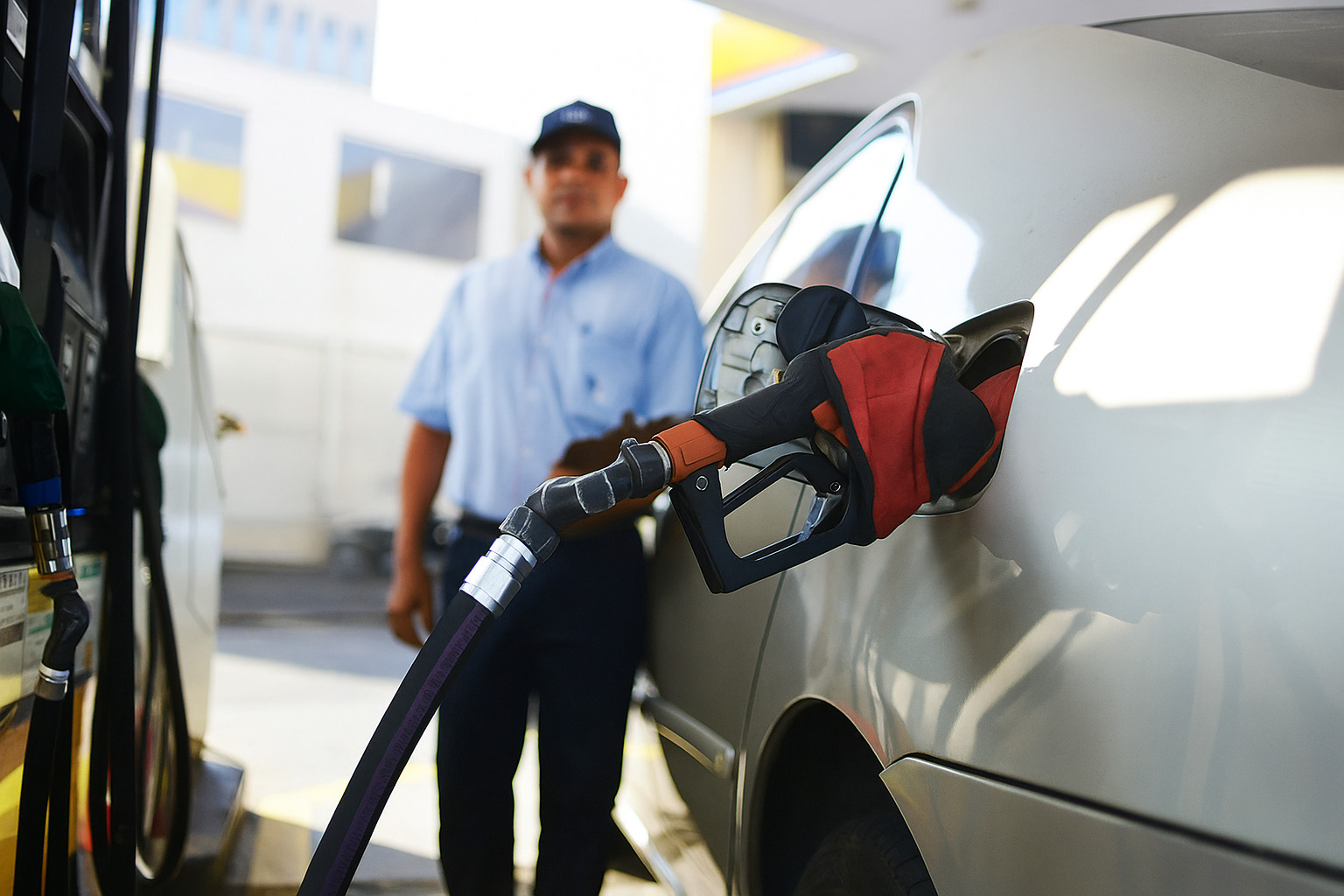
Reduction Announced by Petrobras Reinforces the Decrease in Gasoline Prices at Refineries, but Does Not Represent Relief for Consumers, According to ANP Data.
The decrease in gasoline prices at refineries, announced by Petrobras in June, reignited the hopes of Brazilian drivers. After all, any reduction in the price of an essential product like fuel should relieve the consumer’s wallet.
However, the reality at gas stations shows the opposite: the drop has had little reflection on the final price paid by the population.
As revealed by a survey from the National Agency of Petroleum, Natural Gas and Biofuels (ANP), the situation is more complex than it seems. The agency identified that, despite a cumulative 17.5% drop in gasoline prices at refineries over the last two years, prices at gas stations rose 21.67% in the same period.
-
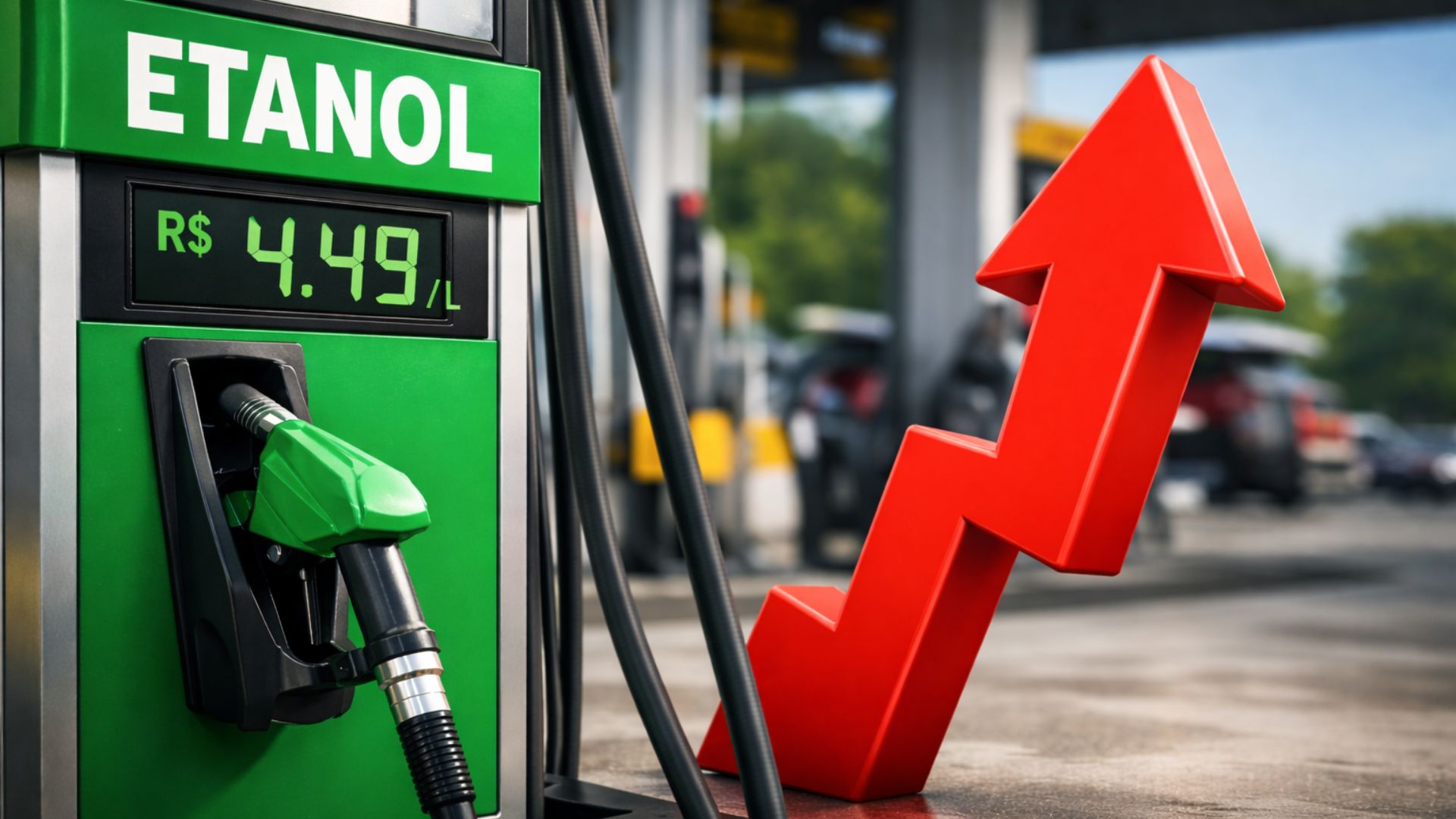
Ethanol Price Rises in 15 States and Remains Competitive in Only One: See Where Ethanol Beats Gasoline, ANP Data, and Impacts on the Brazilian Fuel Sector
-
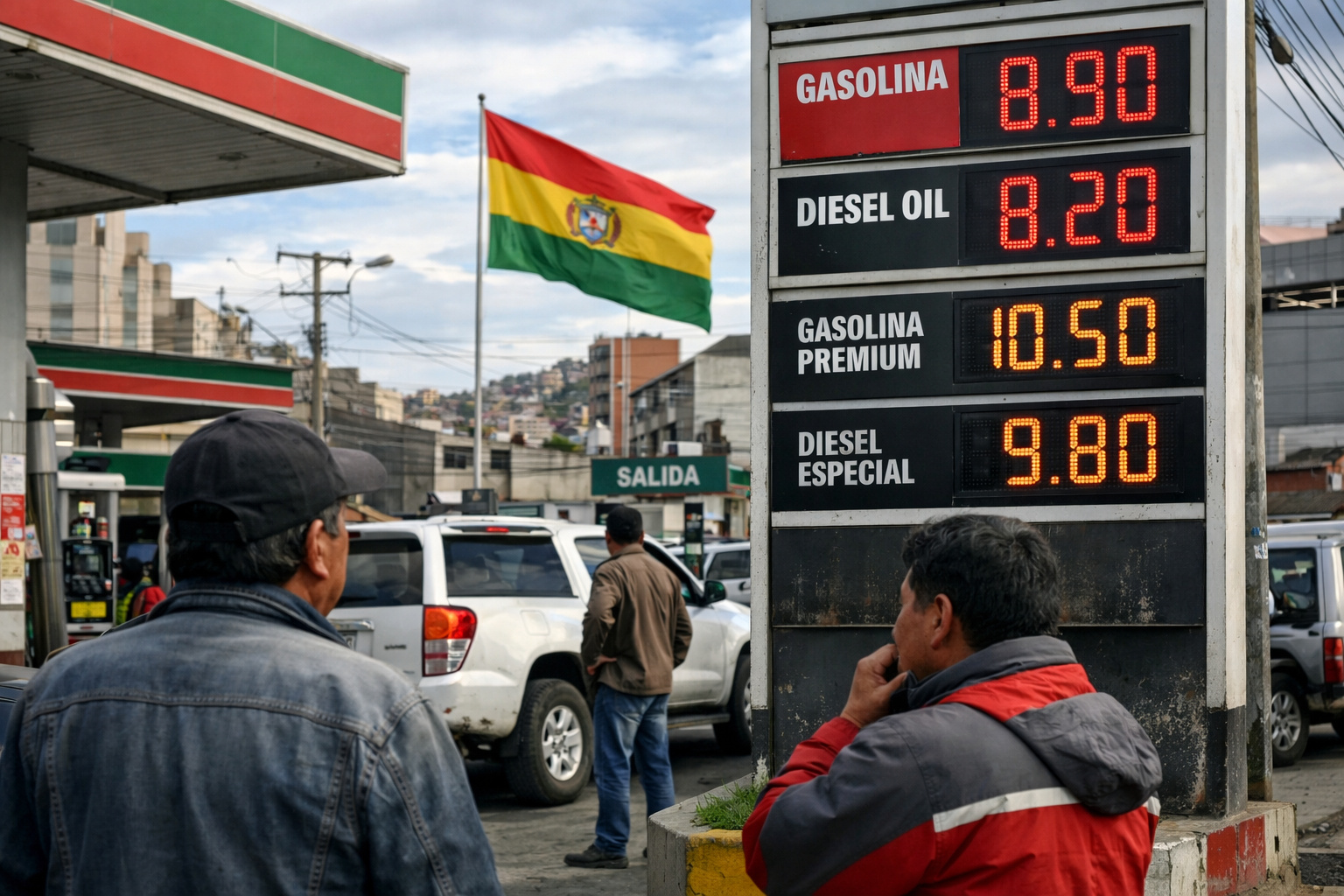
Bolivia Declares National Emergency, Ends Fuel Subsidies, and Prepares Up to 100% Increase in Gasoline and Diesel Prices
-
Brazilian Fuel Market Drives EPE’s New Projections for 2025 and Advances in Diesel, Ethanol, and Aviation
-
ANP Fuel Supply Oversight: Strategic Partnership with Ipem-SP Aims to Enhance Safety, Georeferencing, and Control in the Fuel Market
Therefore, this contrast reveals a worrying disconnection between the product’s origin and the final price charged to consumers.
In addition, it is important to consider that the fuel market in Brazil is highly influenced by external factors, such as the exchange rate and international oil prices, but also by internal variables, such as government decisions and tax policies.
This causes gasoline prices to behave in a complex manner, making prediction and understanding difficult for consumers.
Understanding the Formation of Gasoline Prices
To understand the reasons for this discrepancy, it is necessary to analyze how the price of gasoline in Brazil is formed. First of all, Petrobras, the main national supplier, sells gasoline to distributors based on factors such as production costs, exchange rate, international oil prices, and the company’s internal policies.
Then, the distributors pass the gasoline to transport companies and gas stations, adding profit margins and logistical costs. Additionally, the product receives a mandatory blend of anhydrous ethanol, which also influences the final cost.
On the other hand, taxes represent a significant part of the amount paid. The ICMS, for example, can account for up to 40% of the price of gasoline, depending on the state.
Thus, even if there is a reduction in gasoline prices at refineries, this does not guarantee a proportional decrease at the pumps.
Another relevant aspect is the lack of uniformity in price composition across the country. States with different tax policies and operational costs end up presenting very distinct values for consumers, leading to inequality in access to cheaper fuel.
Reality at Gas Stations: The Impact on Consumers
While Petrobras announces changes, consumers face a frustrating reality at gas stations. In Belo Horizonte, many say they cannot remember the last time gasoline was actually cheaper.
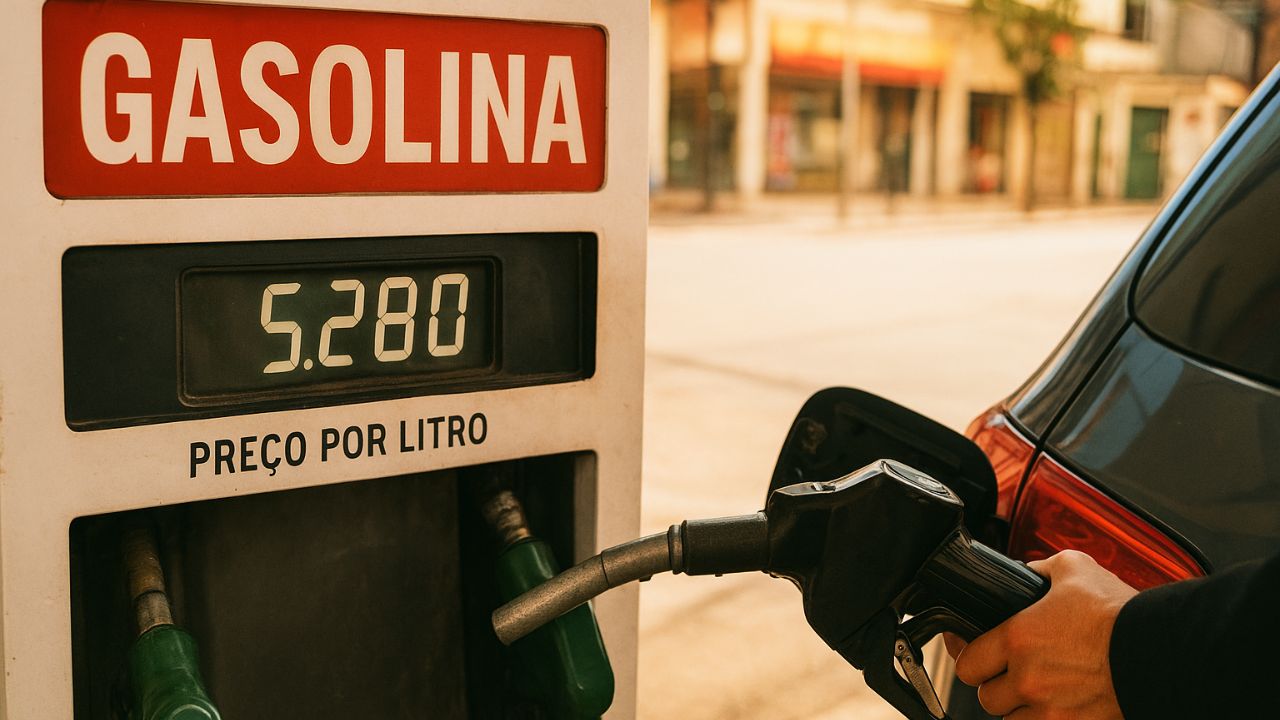
Despite the state-owned company announcing a reduction of R$ 0.17 per liter at refineries, the ANP recorded an average drop of only R$ 0.02 at the pumps.
Delivery worker Alcione da Silva, who relies on gasoline for work, says: “If it drops by five cents, it’s enough to fill the tank every day.” Her account shows how any variation impacts the daily lives of millions of Brazilians.
Moreover, the price of gasoline directly affects inflation, as it raises freight costs, fares, and prices of goods in supermarkets.
Thus, the increase in fuel prices harms the entire economy, especially the most vulnerable.
Despite this, competition among gas stations often does not benefit consumers. Price increases are quickly passed on, but reductions take time to appear.
Another factor contributing to this scenario is the market concentration in some regions, where a few gas stations dominate the sector, reducing competition and keeping prices high.
Authorities React to Lack of Passing on Reductions
In light of this scenario, the federal government decided to take action. The Attorney General’s Office (AGU) requested investigations by the Cade, the Federal Police, and the National Consumer Secretariat to ascertain possible abuses.
The Ministry of Mines and Energy has also initiated inquiries. According to Minister Alexandre Silveira, the delay or absence of passing discounts to the final consumer is “unjustifiable”.
Simultaneously, proposed laws in Congress aim for greater transparency in the composition of gasoline prices. Some proposals require gas stations to disclose how much is charged in taxes, what the profit margin is, and what the operational costs are.
With this, it is expected that there will be a more effective social pressure on resellers, demanding consistency in the prices charged.
In addition to government initiatives, civil society and consumer protection agencies have intensified campaigns to raise awareness of the population about their rights and encourage the monitoring of charged prices.
A Look Back: Petrobras Price Policy
Historically, Petrobras controlled prices more directly. Until 2016, the government adopted a stability policy. However, in 2017, it began to follow import parity, aligning prices with the international market and the dollar.
This change caused constant increases between 2017 and 2022, putting pressure on the cost of living in Brazil. With the new management in 2023, the company adopted a more flexible policy, considering the internal economic context.
The decrease in gasoline prices at refineries is part of this new phase. However, the benefits have not yet reached consumers in a concrete way.
Another point to highlight is that the volatility of the international oil market, influenced by geopolitical crises and changes in global supply and demand, continues to impact local prices, requiring more agile and adaptive internal policies.
Transparency and Oversight Are Essential
For the reduction to reach consumers, it is essential to demand transparency throughout the distribution chain. Citizens need to know how much they pay for production, taxes, and intermediary profits.
Furthermore, regulatory bodies such as the ANP, Cade, and Procons must act rigorously, penalizing abusive practices and combating the lack of real competition.
At the same time, financial and civic education must be strengthened. With more information, consumers become more demanding and aware.
Awareness campaigns help pressure for fairer prices and more ethical practices.
It is also important for technology and digitalization to be used to facilitate consumer access to information about prices, through applications and official platforms, promoting healthy competition.
When Will the Reduction Actually Arrive?
Although the reduction in gasoline prices at refineries represents a step forward, consumers have not yet felt the positive effects of this measure.
High taxation, excessive profit margins, slow transfer processes, and lack of effective regulation hinder the delivery of discounts to the population’s wallets.
However, with coordinated actions among government, companies, and civil society, it is possible to change this scenario.
More oversight, encouragement of competition, clear rules, and well-informed consumers are ways to ensure fairness in the final price.
Therefore, the challenge is to transform reductions at refineries into real relief at the pumps. Until this happens, consumers need to demand more transparency, responsibility, and coherence from market agents.
After all, it is not enough to announce a reduction if it does not reach those who need it most: the Brazilian citizen.










Seja o primeiro a reagir!