





 English
  Francês
  Alemão
  Italiano
  Japonês
  Norueguês
  Portuguese
  Spanish
 5 min of reading
  0 comments


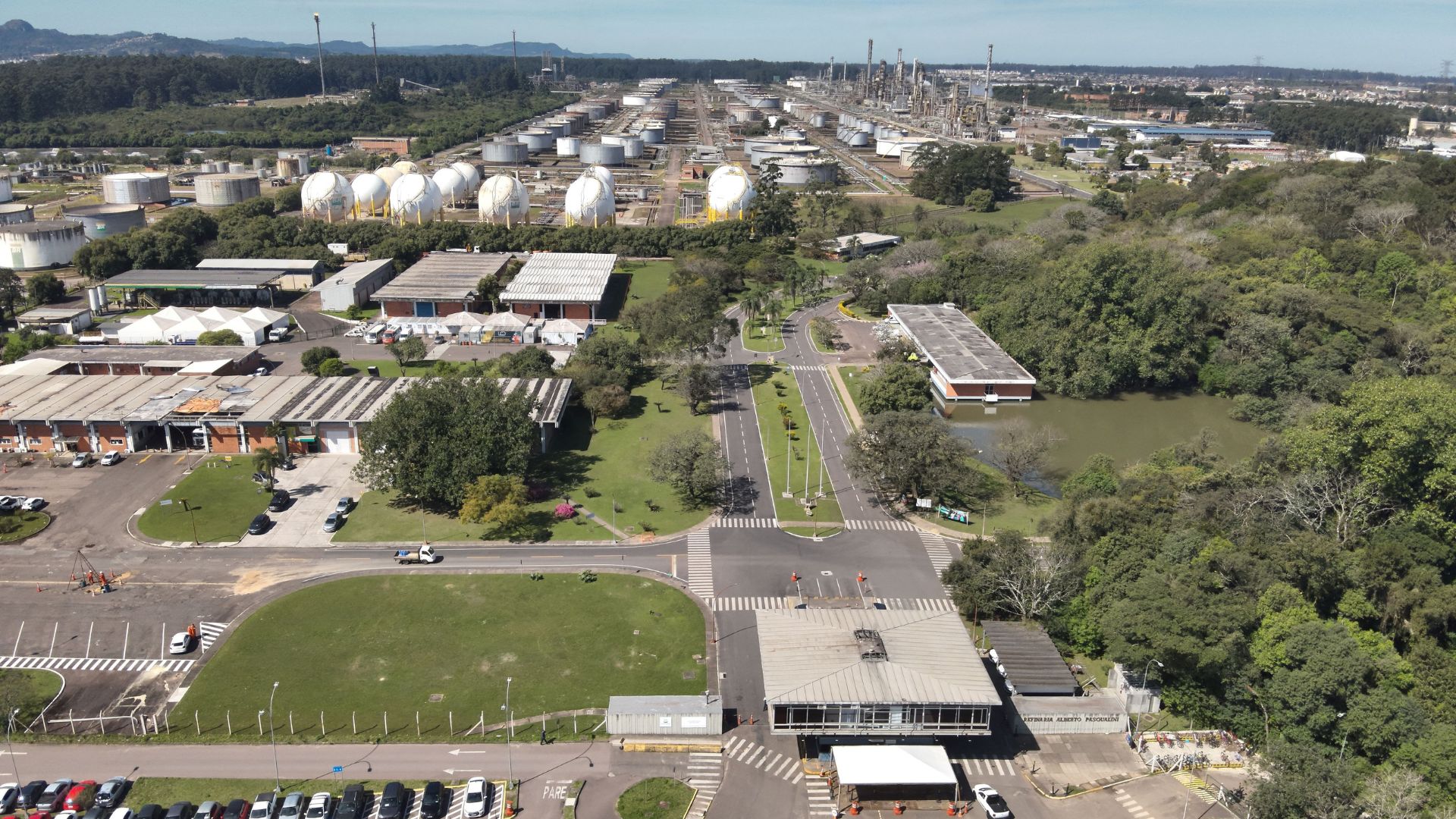
Canoas Refinery Registers Unprecedented Performance in 2025, with Operational Advances, High Industrial Efficiency, and Increased Supply of Low-Sulfur Fuels, Reinforcing Petrobras’ Strategy in National Refining
The Alberto Pasqualini Refinery, located in Canoas (RS), closed the fourth quarter of the year with historic results that reinforce its strategic position in the Brazilian refining park. According to a publication made by Petrobras this Thursday (15), the Refap, operated by Petrobras, achieved record volumes in gasoline production and diese S-10, surpassing previous marks. The data is included in an official company statement and reflects the consolidation of a trajectory of operational gains throughout 2025.
Petrobras’ Refap Breaks Historical Records in the Fourth Quarter of 2025
Right at the beginning, the numbers illustrate the relevance of the performance. In the fourth quarter, the refinery produced 786 million liters of gasoline and 765 million liters of diesel S-10, the largest quarterly volumes ever recorded by the unit. The results confirm consistent advances in efficiency, operational reliability, and market service capacity, essential factors in a scenario of high demand for environmentally quality fuels.
The records achieved at the end of 2025 represent a milestone for Refap and for Petrobras’ industrial strategy. In gasoline production, the fourth quarter volume exceeded the previous record, registered in the third quarter of 2013, when 764 million liters were produced. In the case of diesel S-10, the new mark surpassed the best result until then, reached in the third quarter of 2025, with 718 million liters.
-
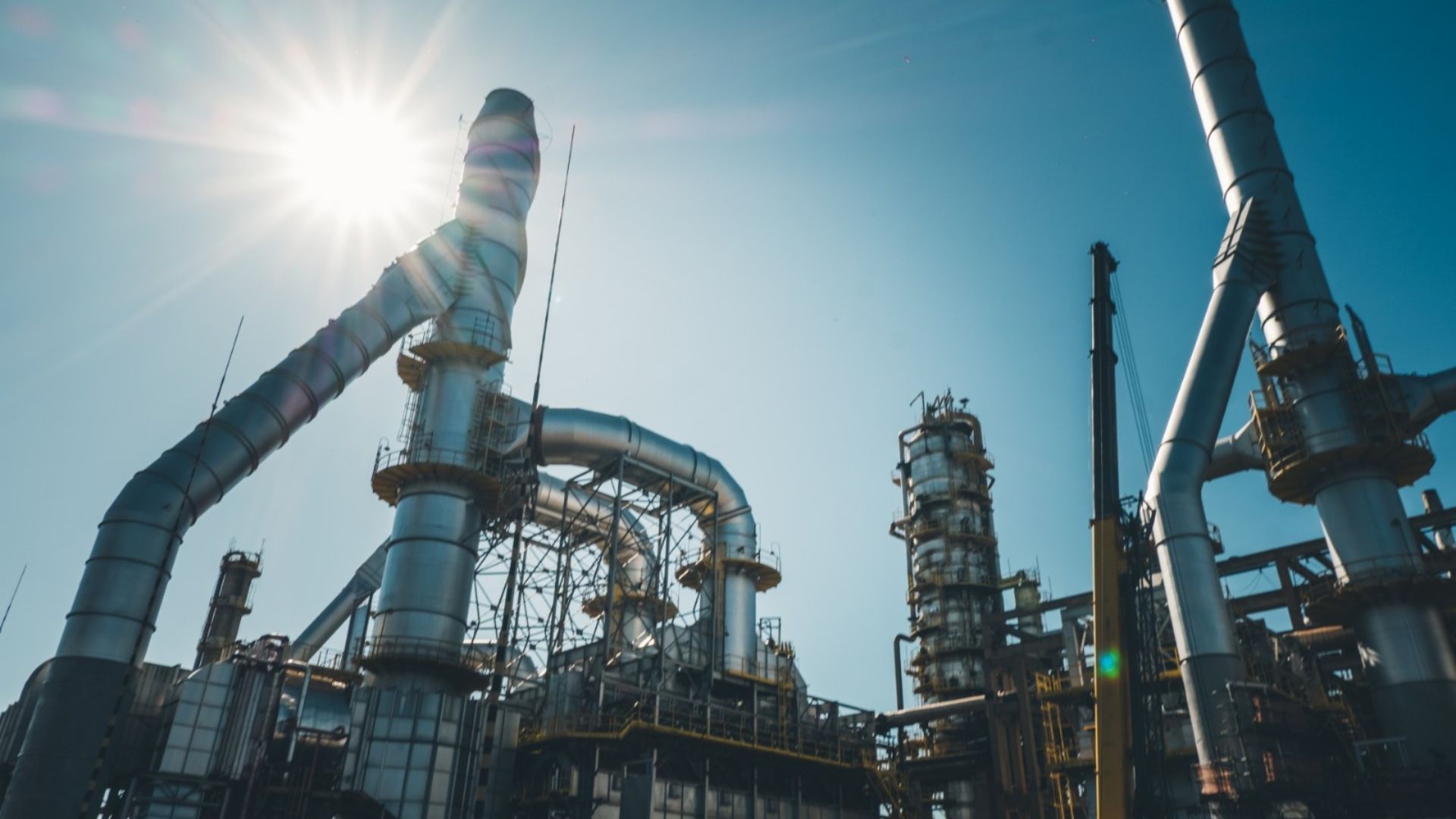
Petrobras Expands Refining in Brazil, Increases Production of Diesel S-10 and Gasoline, Enhances Operational Efficiency, and Reduces Import Dependence Between 2023 and 2025
-
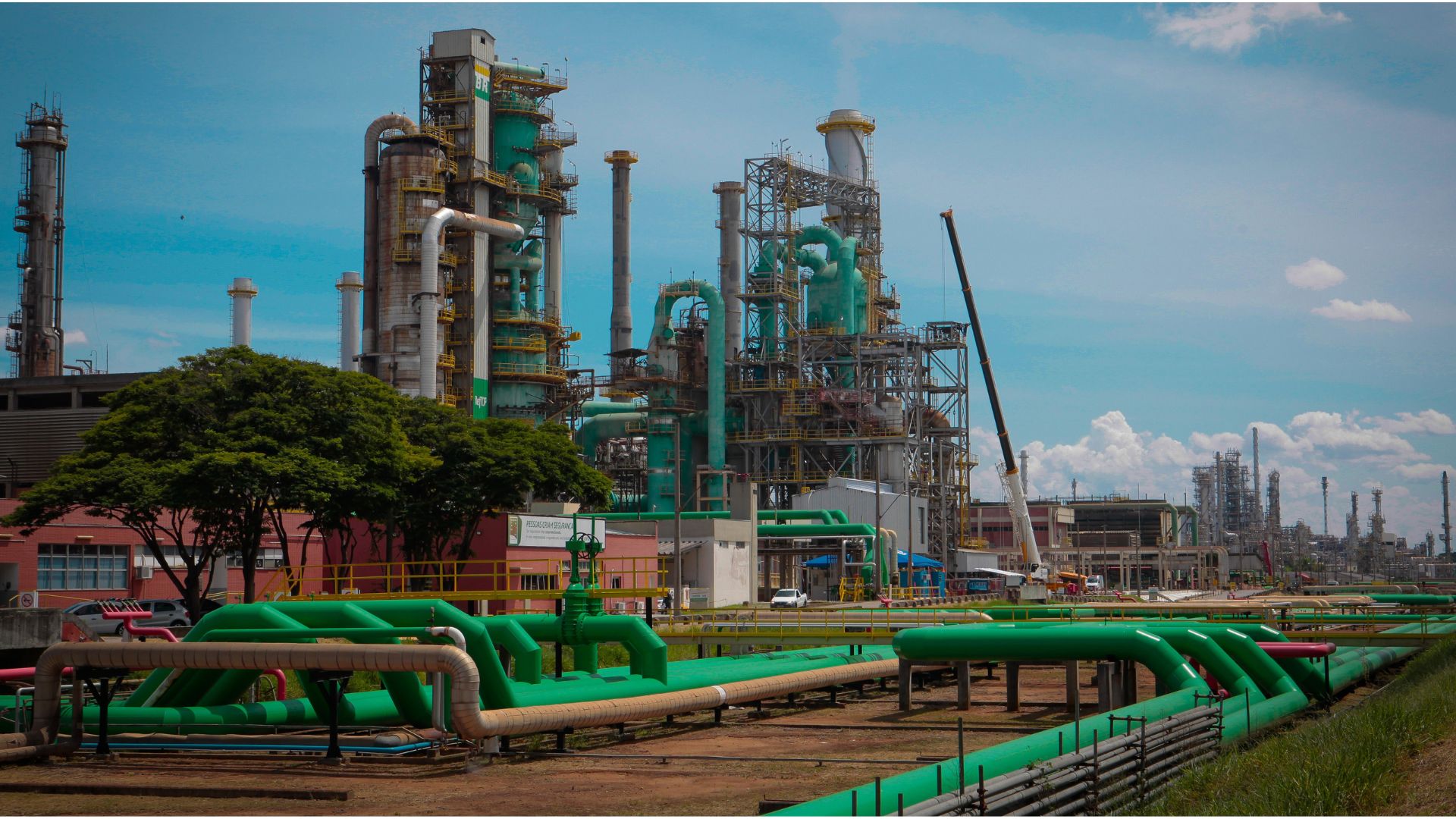
Revap Starts Operation of Modernized HDT and Petrobras Expands S-10 Diesel Production by 80% at the Refinery, Boosting Supply of Less Polluting Fuel in Brazil
-
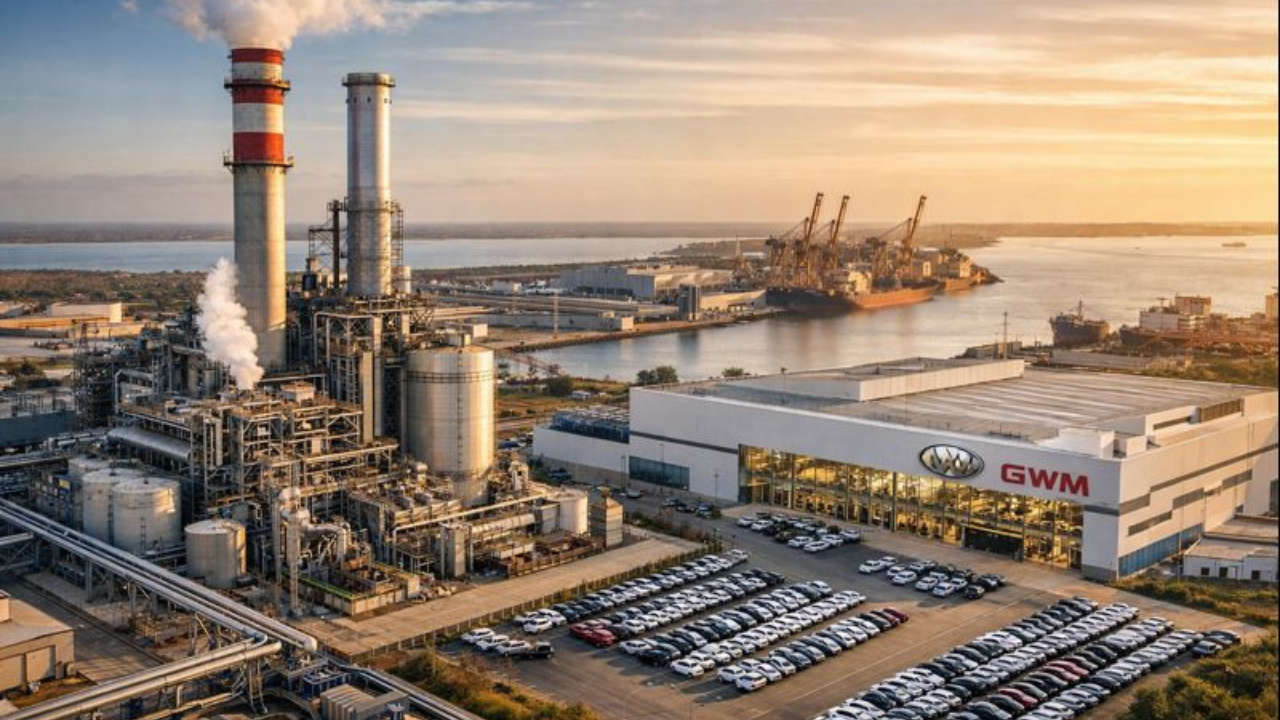
Thermal Power Plant in Rio Grande do Sul Is Key to Attracting GWM
-
Petrobras Refinery (Refap) Sets New Record: Production of 274.8 Million Liters of S-10 Diesel in November Boosts Supply of Clean Fuels
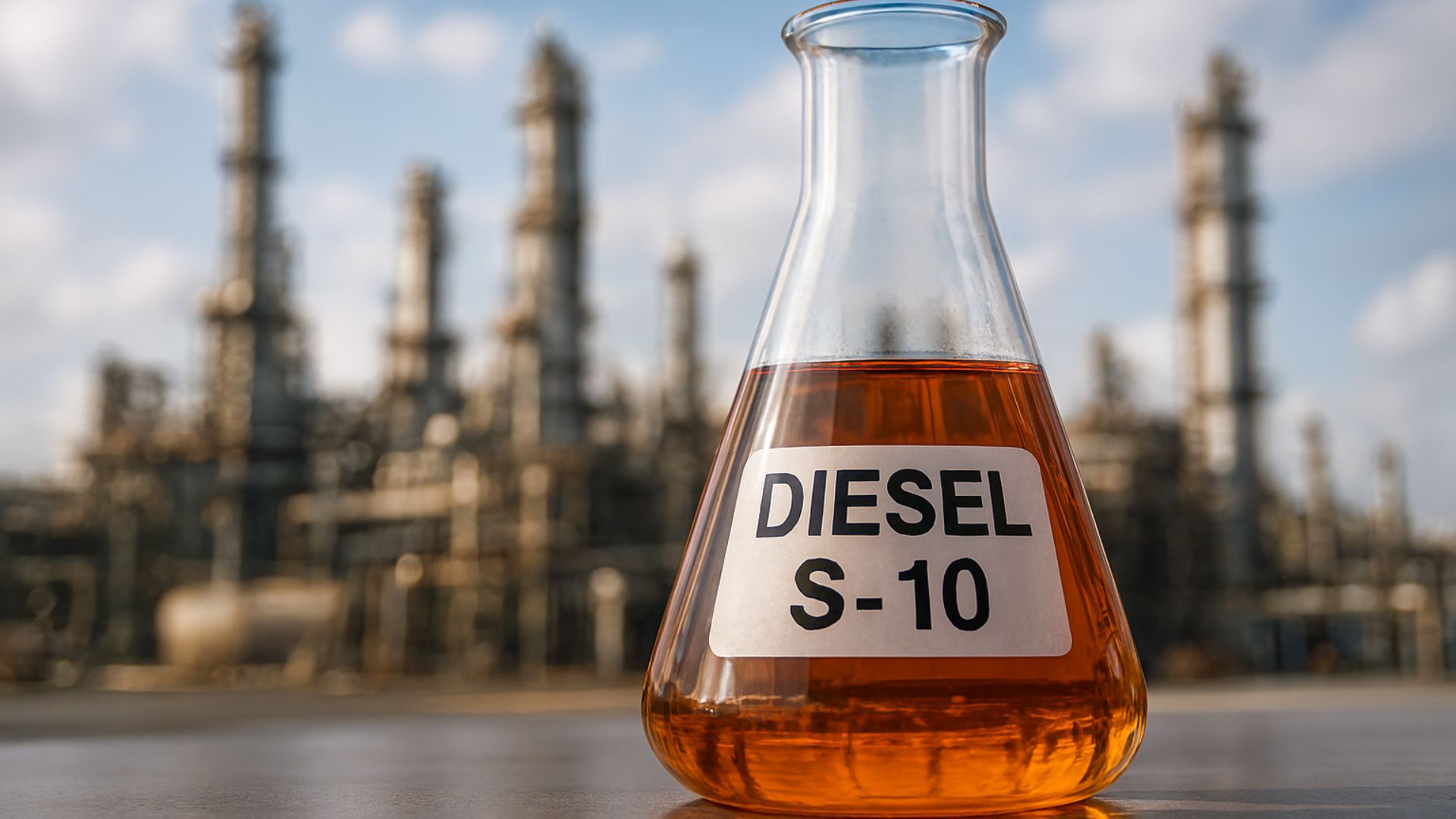
These numbers demonstrate not only an increase in production but also a structural evolution in the refinery’s operating capacity, resulting from continuous improvements in processes, planning, and industrial management. In a highly regulated sector sensitive to external variables, such as oil prices and logistics, the breaking of successive records indicates operational robustness.
Gasoline Production Reaches Highest Quarterly Level in History
Gasoline production was one of the main highlights of the refinery’s performance in Canoas. The volume of 786 million liters in the fourth quarter of 2025 sets a new historic level and reinforces the importance of the unit in supplying the domestic market, especially in the South Region.
In addition to the quarterly record, December 2025 also made its mark in the refinery’s history. Only in that month, 291 million liters of gasoline were produced, the highest monthly volume ever recorded by Refap. This result surpassed December 2024, when production was 281 million liters, highlighting consistent year-on-year growth.
This monthly performance reinforces the stability of operations and the ability to maintain high production levels continuously, without compromising safety and quality standards required by the market and regulatory bodies.

Diesel S-10 Gains Protagonism in Petrobras’ Strategy
Diesel S-10 plays a central role in Petrobras’ refining strategy, especially since it is a fuel with ultra-low sulfur content, aligned with stricter environmental requirements. In the fourth quarter of 2025, Refap produced 765 million liters of this derivative, establishing the largest quarterly volume ever achieved by the unit.
This type of diesel is suitable for vehicles equipped with SCR (Selective Catalytic Reduction) and EGR (Exhaust Gas Recirculation) technologies, which allow for a significant reduction in pollutant emissions.
The increase in the supply of diesel S-10 directly contributes to the modernization of the national fleet and to reducing the environmental impact of road transportation, the main logistical mode in the country. Additionally, the greater availability of the product in the domestic market reduces dependence on occasional imports, increasing supply security.
Operational Efficiency of Refap and New Record
According to Petrobras, the results achieved in Canoas reflect a continuous effort to improve operational efficiency. The general manager of the refinery, Marcus Aurelius Valenti, highlighted that the records obtained in the fourth quarter of 2025 are directly linked to the pursuit of profitability, safety, and product quality.
According to the executive in a statement released by the company, the historical records in the production of gasoline and diesel S-10 represent our firm commitment to strengthening the operational efficiency of the refinery. The statement reinforces the alignment between strategic management and operational execution.
The overcoming of previous numbers demonstrates that Refap has managed to extract greater performance from its existing infrastructure, a relevant factor in a context of investment optimization and focus on economic return.
Processing Capacity and Diverse Portfolio of Refap
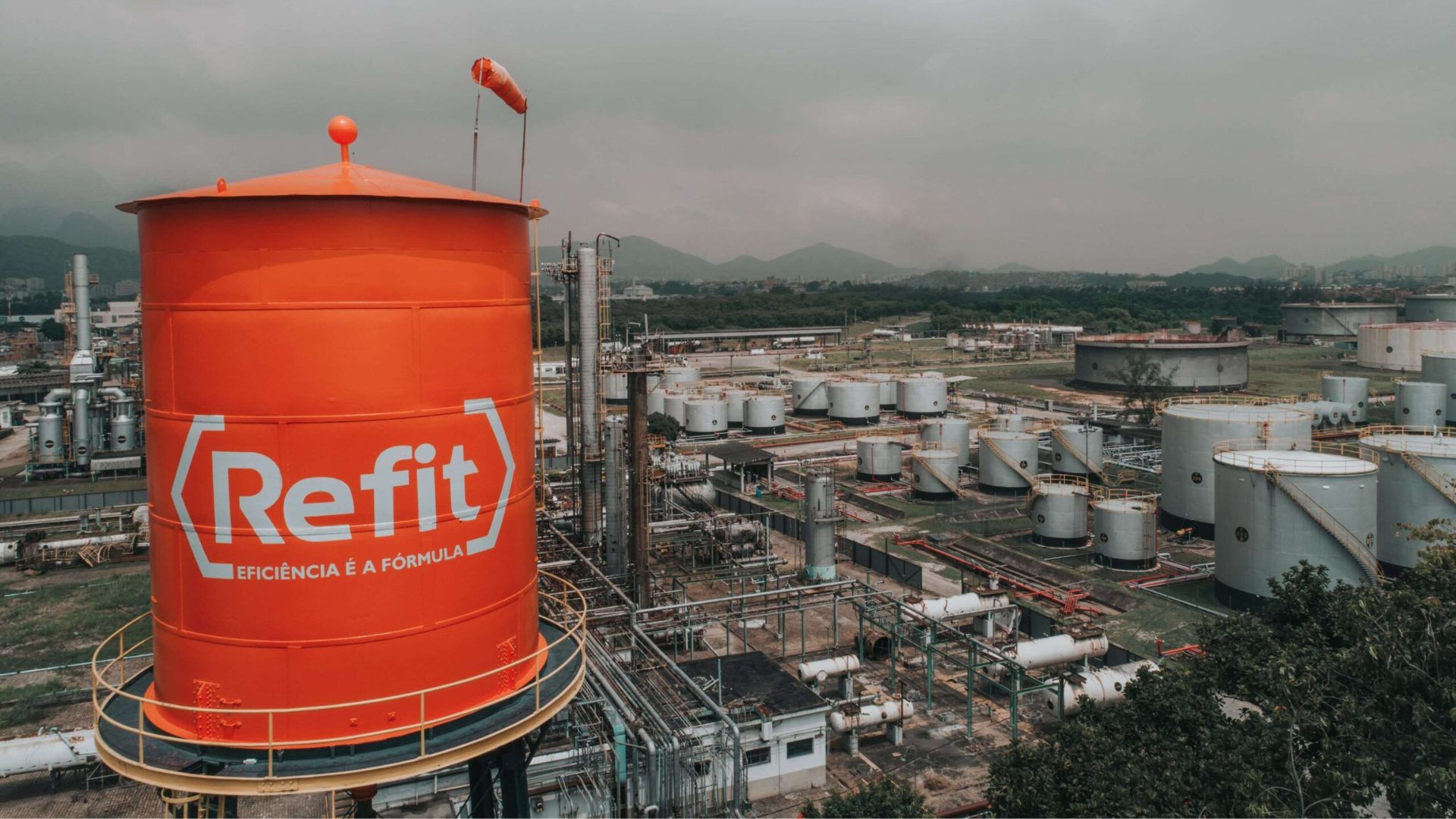
Refap has a processing capacity of approximately 32 thousand cubic meters of oil per day, positioning it among the most relevant refineries in the Petrobras system. In addition to gasoline production and diesel S-10, the unit produces diesel S-500, QAV-1 (jet fuel), petrochemical naphtha, LPG, propylene, asphalt cement, and fuel oil.
This diversity of products enhances the operational flexibility of the refinery and its ability to serve different market segments. The combination of scale, variety of derivatives, and industrial efficiency strengthens the competitiveness of the unit, especially in a scenario of energy transition and demand for higher value-added products.
Petrobras’ Investments in Refining Until 2030
The records registered by Refap occur at a strategic moment for the refining segment in Brazil. The new Business Plan of Petrobras foresees US$ 15.8 billion in investments until 2030 in the areas of Refining, Transportation, Marketing, Petrochemicals, and Fertilizers.
From 2026 to 2030, the company intends to improve the production profile, increasing the share of higher value-added derivatives and better environmental performance.
Units with a recent history of efficiency, such as Refap, are likely to play a central role in executing this strategy, whether through modernizations or optimizing existing processes. The results from 2025 thus serve as a practical demonstration of the potential return of these investments in the medium and long term.
Economic and Logistical Impacts for Canoas and Rio Grande do Sul
The performance of the refinery in Canoas also generates relevant impacts for the regional economy. Operating at record levels strengthens the supply chain, enhances logistical predictability, and contributes to energy security in the South of the country.
The high gasoline and diesel S-10 production helps to reduce bottlenecks in supply, especially during peak demand periods. This brings indirect benefits to consumers, transport companies, and industrial sectors, which depend on a continuous and stable supply of fuels.
For Rio Grande do Sul, Refap remains a strategic industrial asset, with the capacity to drive economic and technological development associated with the energy sector.
What Refap’s Records Indicate for the Future of Refining
The historical records achieved in the fourth quarter of 2025 consolidate Refap as one of the main references of efficiency in Petrobras’ refining park. By expanding the production of gasoline and diesel S-10 with safety and quality, the refinery demonstrates readiness to meet current market demands and the future challenges of the energy sector.
The results reinforce the importance of continuous investments, efficient management, and a focus on higher value-added products, especially in a context of energy transition and increasing pressure for sustainability. For the market, regional economy, and Petrobras’ strategy, the performance in Canoas signals stability in supply and confidence in the country’s industrial capacity.








-

Uma pessoa reagiu a isso.