





 English
  Francês
  Alemão
  Italiano
  Japonês
  Norueguês
  Portuguese
  Spanish
 3 min of reading


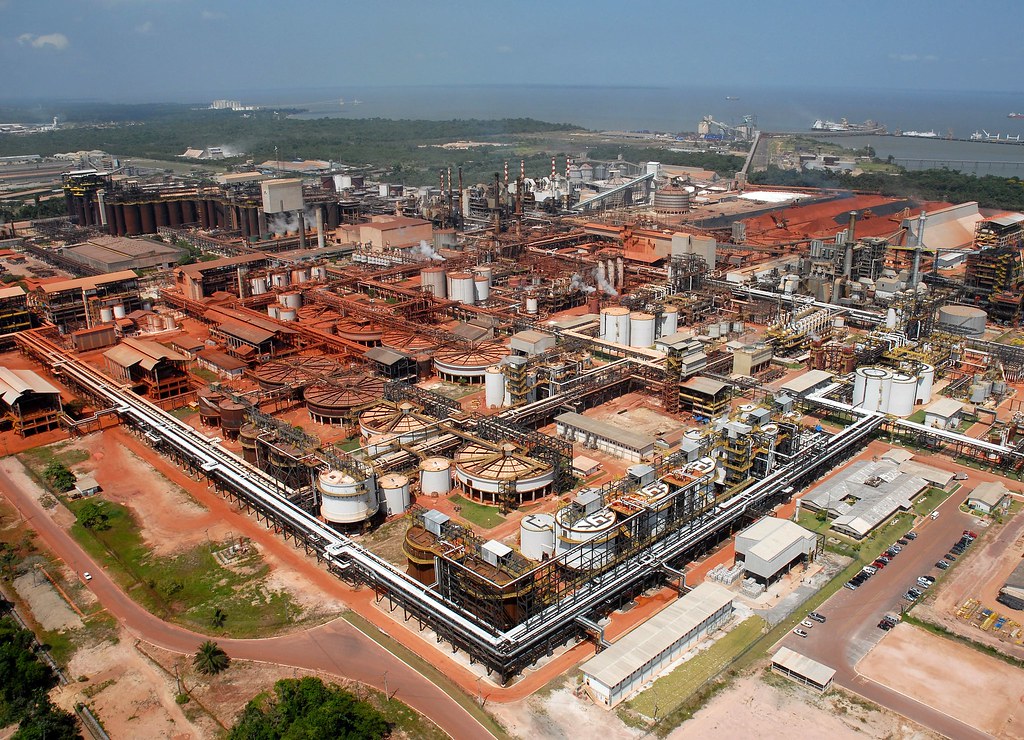
Hydro’s Refinery in Barcarena, Pará, Will Invest BRL 1.1 Billion to Replace Fuel Oil with Natural Gas
On April 15th (Thursday), Hydro signed a memorandum of understanding for its alumina refinery, located in Barcarena, Pará, to replace the use of fuel oil with natural gas. The Norwegian aluminum company’s investments will amount to BRL 1.1 billion, and this change is part of Hydro’s climate strategy and carbon emissions reduction plan.
- Qualidados Engenharia is recruiting maintenance engineers, electricians, process automation professionals, and also offers several other job vacancies in different states
- IEL-ES offers 82 internships for high school students
- Sebrae-SP opens 244 vacancies in free online and distance courses in 18 regions of the state
- The São Paulo government, Huawei, and ABGD offer 260 vacancies in free courses on the installation of photovoltaic solar energy systems through a mobile unit
- Usina Santa Adélia opens job vacancies for bricklayer, welder, operator, technician, and more in São Paulo
Replacement of Fuel Oil with Natural Gas at the Alunorte Refinery, in Pará State
The supply of liquefied natural gas for Barcarena, Pará, will be provided by NFE – New Fortress Energy – and is expected to begin in 2022. The aluminum company will adapt to the calcination process, and part of the steam production at the refinery will be used in replacing fuel oil with natural gas as energy.
The project is part of the company’s climate strategy and its global commitment to reduce greenhouse gas emissions by 30% by 2030, and with the substitution of fuel oil for natural gas, about 600,000 tons of CO2 will be reduced at the Barcarena refinery in Pará.
-
Expansion of Federal Institutes: 38 new campuses and R$ 200 million for public education; see the cities included.

-
Lula’s government changes rule in important benefit and thousands of Brazilians will no longer receive it; see what has changed.

-
New Gripen fighter makes Argentines surrender to Brazil, and the heavy reaction exposes envy, frustration, and shock at Brazil’s technological leap.

-
This discovered deposit near the Andes could change the future of Argentina, attract billions, and even shake up the global metals market.

According to the memorandum of understanding signed on April 15th, NFE must deliver the agreed minimum amount of natural gas to the refinery every year for a period of 15 years. The natural gas will come from the LNG regasification station, which is located near Alunorte in Barcarena, Pará.
The Use of Natural Gas by the Refinery
The refinery will become a significant consumer of natural gas in Pará, thus driving the installation of LNG in the state. The supply of natural gas is very important for the industrial development of the region, as it will allow the use of LNG instead of fuel oil, thus avoiding the emission of large amounts of carbon dioxide, with LNG being less impactful on the environment.
John Thuestad, Executive Vice President of Hydro’s Bauxite and Alumina Business Area, stated that they are committed to driving sustainability by improving the practices used in industries to reduce environmental impacts. According to him, Hydro is promoting and supporting the use of natural gas in Pará state.
Three Hydro Boilers May Undergo Changes
Hydro will also make another substitution: it will install three electric boilers to replace coal at the refinery in Barcarena, Pará. The pilot installation of this project is expected to take place later this year, and this change should reduce 400,000 tons of CO2 emissions at the refinery.
The Alumina Refinery in Pará State: The Alunorte refinery is the largest alumina refinery in the world outside of China and is located in the city of Barcarena, Pará state. In production, alumina is the raw material for aluminum and is produced from bauxite through a process called Bayer. The bauxite used at the Alunorte Refinery comes from Paragominas Mining through a slurry pipeline and from Rio do Norte Mining through the Vila do Conde port. Part of the alumina produced by the refinery in the state is exported, and the other part is supplied to the Albras plant, also located in Barcarena, which produces aluminum ingots.







Seja o primeiro a reagir!