





 English
  Francês
  Alemão
  Italiano
  Japonês
  Norueguês
  Portuguese
  Spanish
 5 min of reading
  0 comments


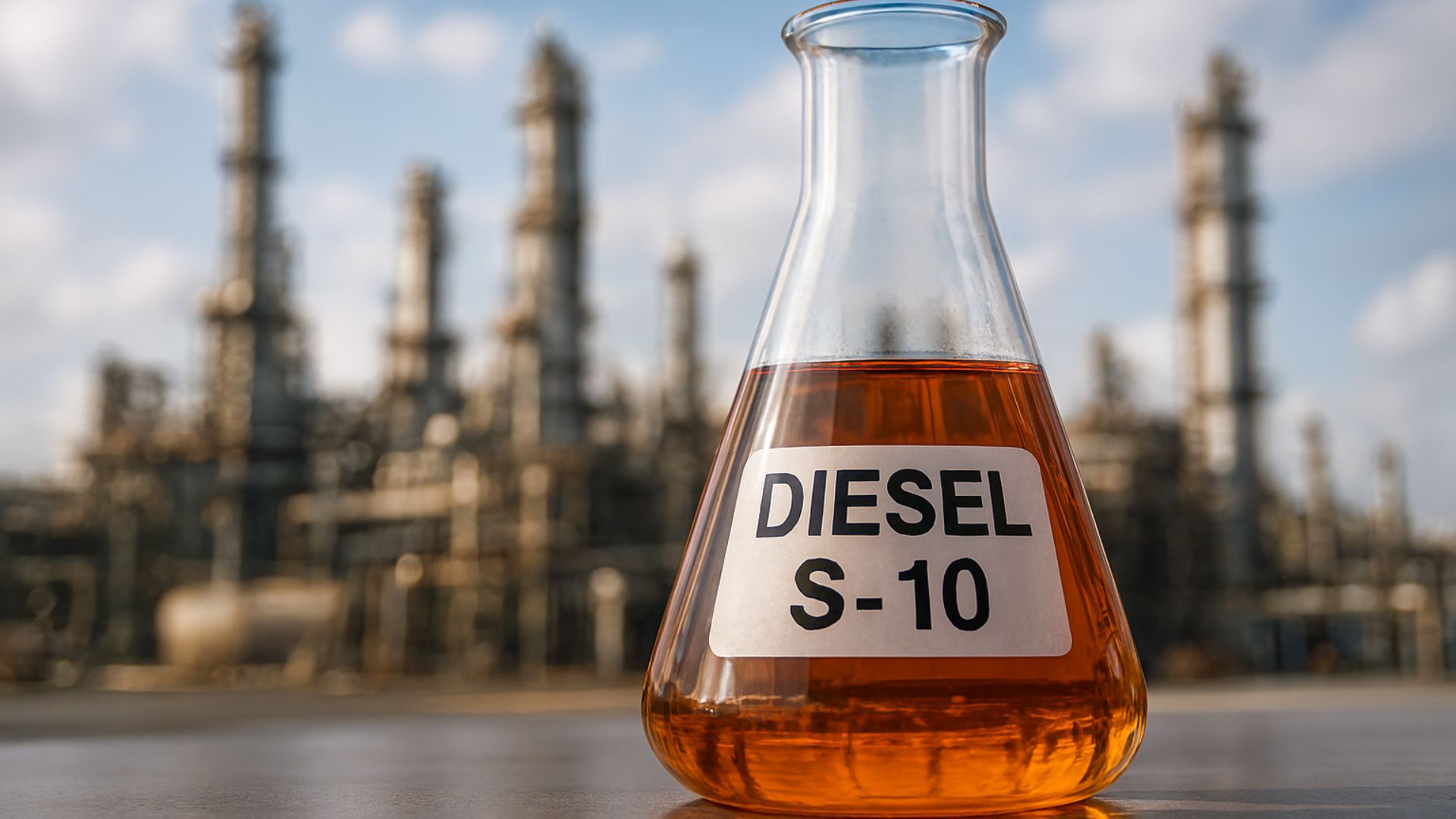
Refap Achieves New Record by Increasing S-10 Diesel Production in November, Strengthening Petrobras’ Strategy to Ensure Clean Fuels and Meet Growing Domestic Demand
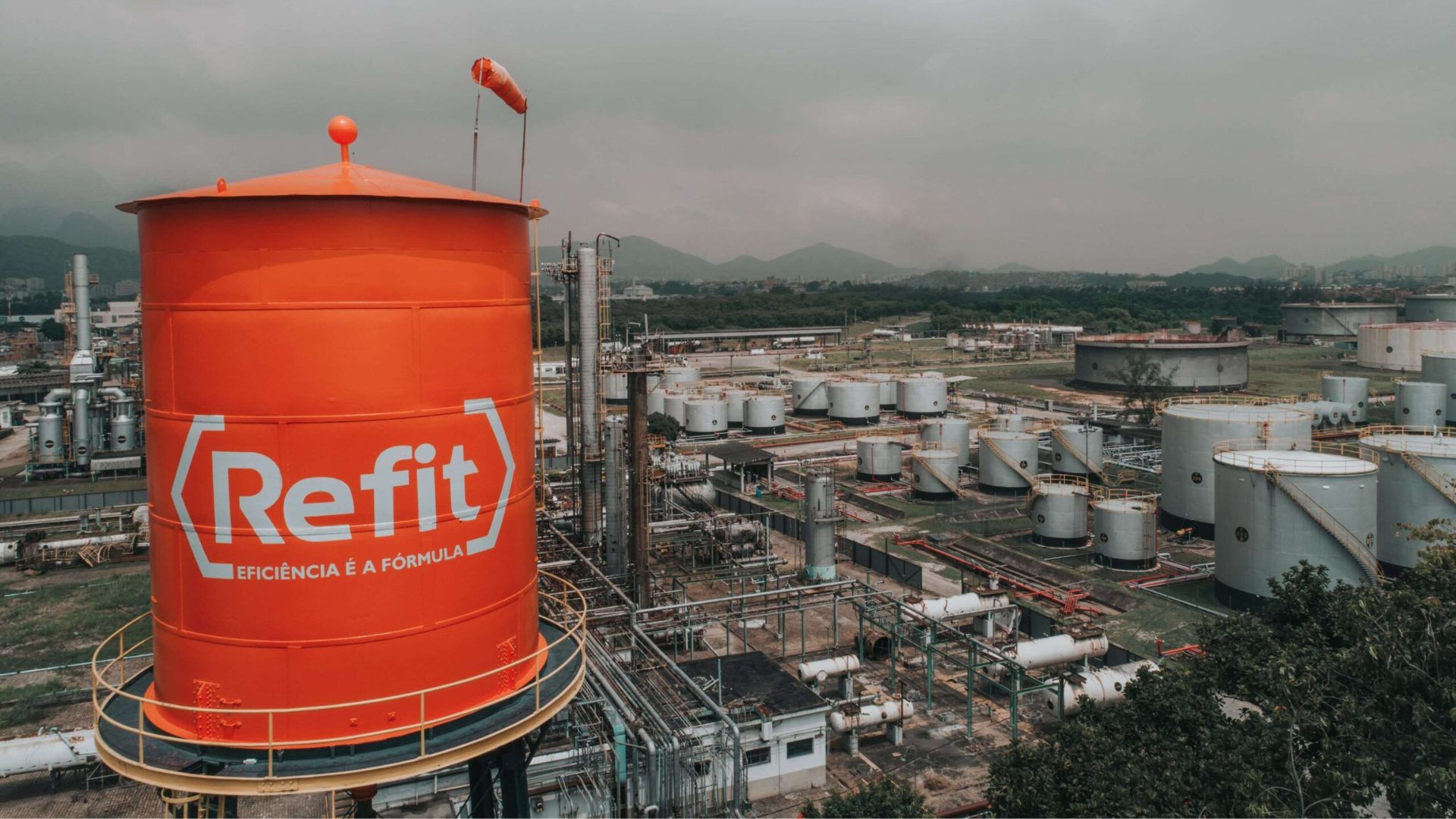
Alberto Pasqualini Refinery (Refap), managed by Petrobras, reached a historic milestone in November by producing 274.8 million liters of S-10 diesel, establishing the largest monthly volume in its history. This performance surpassed the previous record of 257 million liters, recorded in August 2023, by 7%, consolidating the unit as one of the most strategic in the Brazilian refining sector.
According to an article published by Infomoney this Friday (5), in addition to the production leap, sales also advanced, reaching 277.2 million liters for the month. This data reinforces the crucial role of the refinery for national supply, especially during a time when demand for more efficient and environmentally responsible fuels continues to grow across the country.
Record Production at Refap and Progress of Clean Fuels
Refap recorded the highest monthly volume of S-10 diesel in its history. This is an indicator of operational efficiency, industrial strategy, and gradual transition to clean fuels, a topic that is becoming increasingly relevant in discussions about energy and sustainability in Brazil.
-
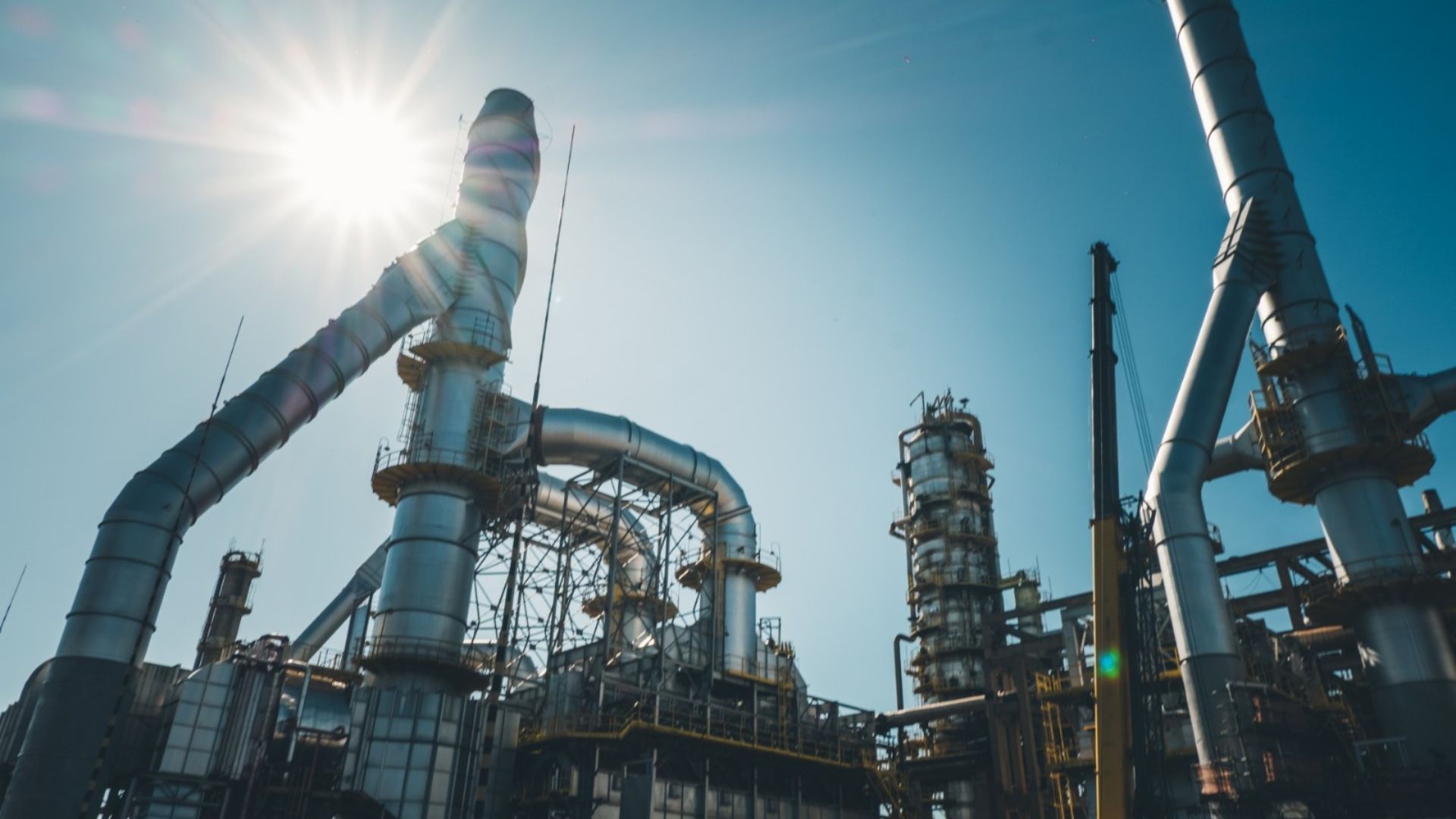
Petrobras Expands Refining in Brazil, Increases Production of Diesel S-10 and Gasoline, Enhances Operational Efficiency, and Reduces Import Dependence Between 2023 and 2025
-
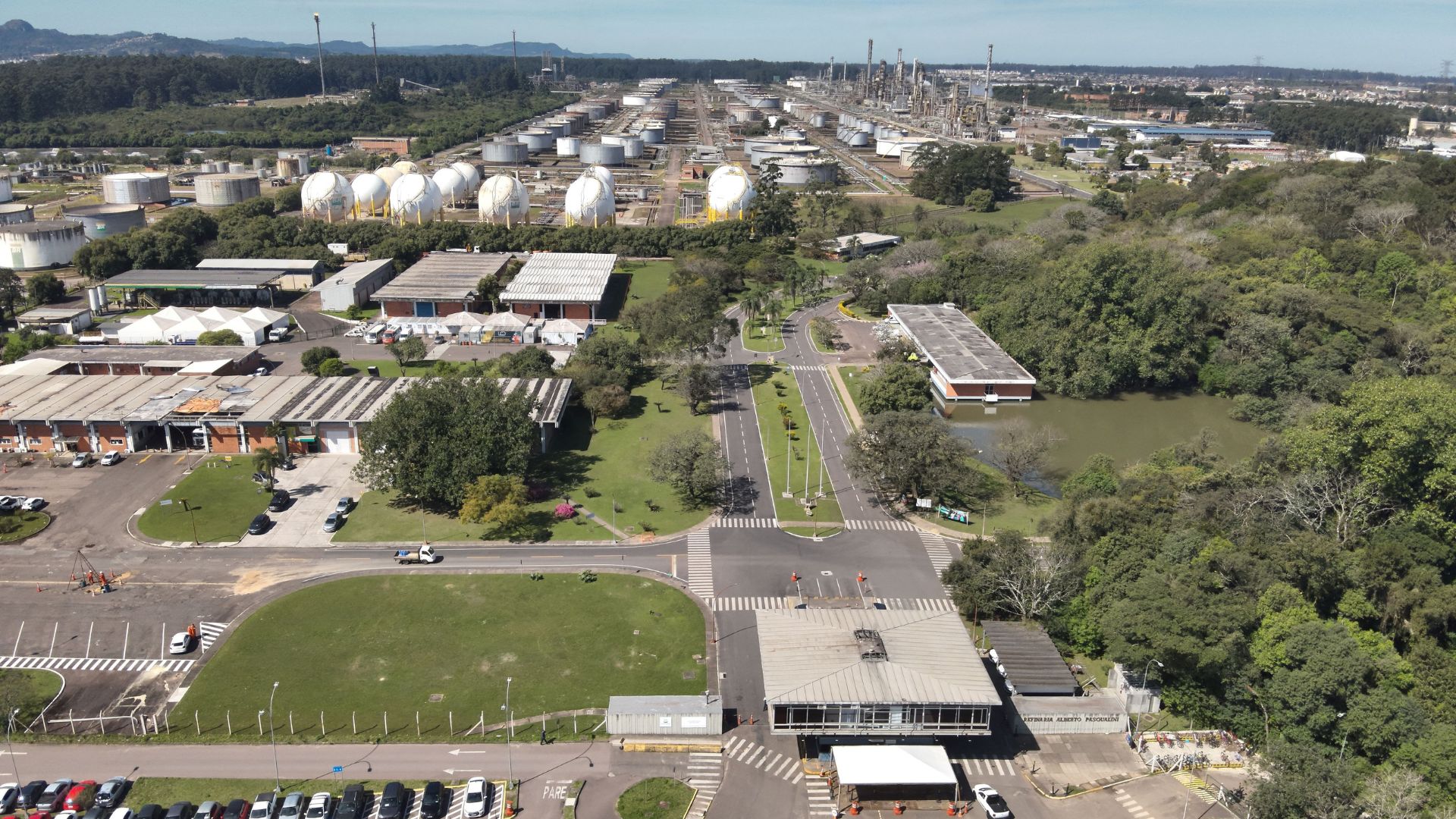
Petrobras’ Refap Sets Historic Records for Gasoline and S-10 Diesel Production in Canoas in Q4 2025, Surpassing Previous Figures
-
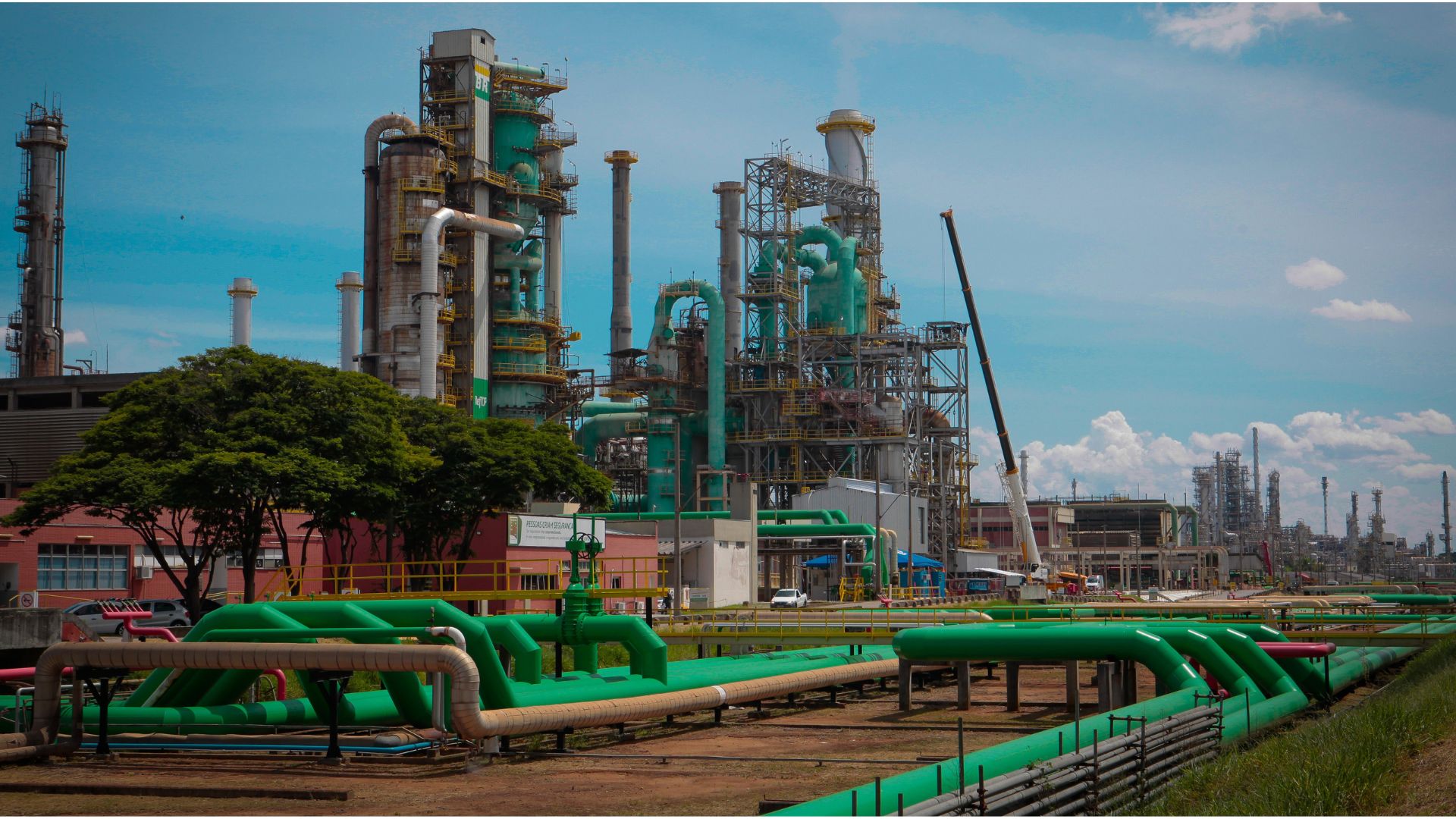
Revap Starts Operation of Modernized HDT and Petrobras Expands S-10 Diesel Production by 80% at the Refinery, Boosting Supply of Less Polluting Fuel in Brazil
-
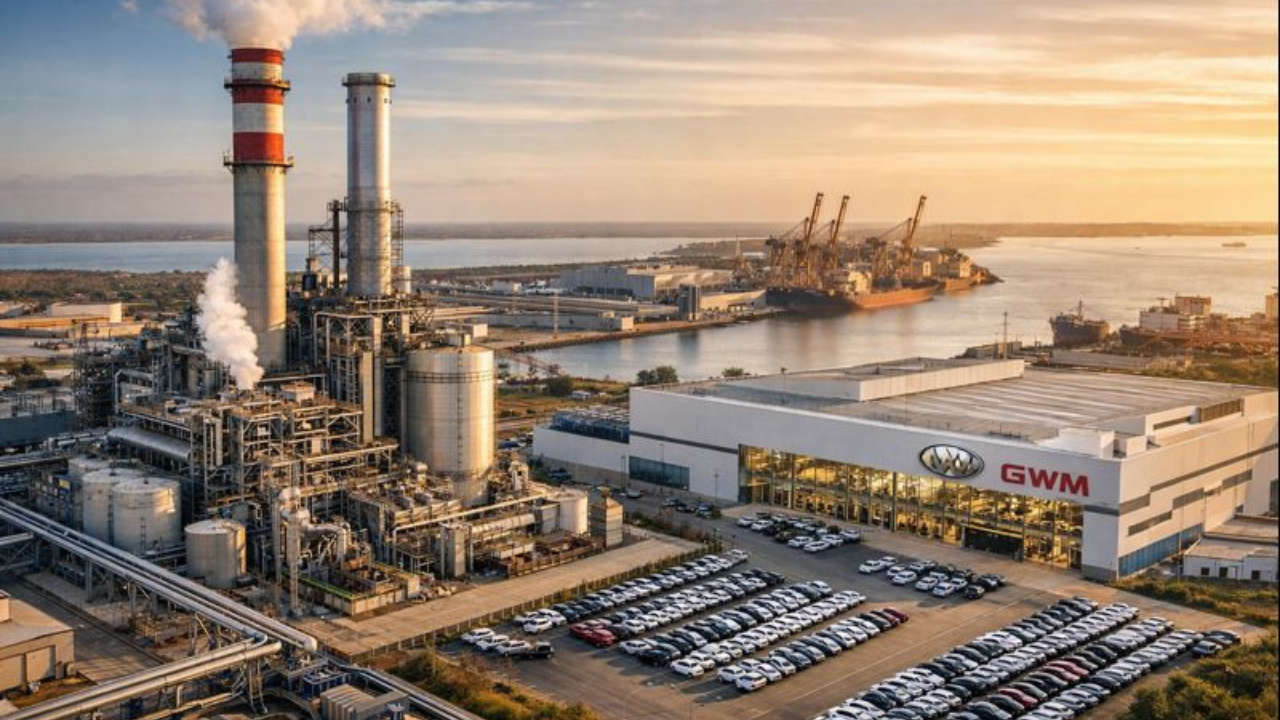
Thermal Power Plant in Rio Grande do Sul Is Key to Attracting GWM

The new record achieved by the Petrobras unit is considered a milestone as it simultaneously demonstrates increased productivity, greater operational reliability, and capability to meet a market that demands higher-performance fuels.
The S-10 diesel, currently the most consumed product in the road transport sector, has a reduced sulfur content, contributing to lower emissions of sulfur dioxide and particulate matter. This leads to a lesser impact on air quality, especially in large cities and areas with heavy traffic.
The expanded supply from Refap helps meet fleets that need cleaner fuels to comply with environmental standards and ensure better efficiency in modern engines.
Relevance of the Record for the Brazilian Market
November’s performance has direct implications for national supply. The increase in production positively impacts truck drivers, public transport companies, industries relying on road logistics, and sectors that use generators and heavy machinery. With greater supply, there is likely to be less risk of imbalances between production, demand, and distribution — factors that traditionally exert a strong influence on the final price of derivatives.
Furthermore, Refap maintains a high level of industrial diversification. It processes about 35 million liters of oil per day, producing not only diesel but also gasoline, LPG, naphtha, QAV-1, asphalt, and other essential derivatives. This portfolio grants the refinery a decisive role in different productive chains, reinforcing the importance of continuous investments in maintenance and technology.
Although record production is the central point of the month, other factors help contextualize the magnitude of these results for the economy and the energy sector. Among them are the growing national demand and the need for resilient supply, especially during periods of higher consumption or logistical pressure.
Real Data Supporting the Production Advance
To understand the dimension of this record, it is important to observe some numbers that characterize the performance of the refinery in November:
- 274.8 million liters of S-10 diesel produced
- 277.2 million liters sold
- Growth of 7% compared to the previous record
- Largest monthly volume in the unit’s history
According to Petrobras, this expansion was made possible by executing new internal projects, optimizing assets, achieving efficiency gains, and enhancing operational stability. These improvements allowed for an increase in effective production capacity and ensured regular operation in the industrial units.
Additionally, the constant modernization of facilities strengthens safety, availability, and quality indexes — essential pillars for refining high-technical-standard derivatives, as is the case with S-10 diesel.
How the Increase in S-10 Diesel Production Affects the Consumer
With the increase in supply, there is a greater ability to meet the internal market, which tends to reduce the need for imports and increase sector predictability. This is particularly important in Brazil, a country that relies on road transport as its main logistics matrix.
The expansion of local production can:
- reduce exposure to international prices;
- increase reliability of the distribution chain;
- enhance competitiveness of the national product;
- favor more stable price conditions for the end consumer.
“A more supplied internal market is a market less vulnerable to external shocks.”
Additionally, S-10 diesel directly contributes to more efficient environmental policies, as modern buses, trucks, and agricultural machines rely on this fuel to operate within the required emission standards.
The Relationship Between S-10 Diesel and the Energy Transition
Although diesel is a fossil fuel, S-10 is considered one of the products with the least environmental impact within its category. Its low sulfur content allows for cleaner technologies in engines and reduces the emission of harmful gases to human health.
For this reason, the increase in its supply is seen by experts as a relevant step in Brazil’s transition to a less polluting matrix, although still dependent on fossil fuels in the heavy transport sector.
Petrobras’ strategy, as announced by the company, involves increasing the production of more efficient products while developing renewable fuels, such as R diesel and bioQAV, which are expected to take prominence in the coming years.
What Petrobras Says About Refap’s Performance
Marcus Aurelius Valenti, general manager of the refinery, highlighted that the record production reflects a continuous effort by the team to enhance the unit’s capacity. According to him, the refinery has focused on operational efficiency, industrial reliability, and increasing the supply of clean fuels.
This performance indicates that the company’s goal is to strengthen not only productivity but also its ability to respond to regulatory changes and the growing demands for less polluting fuels — a topic that will dominate the energy sector in the coming years.
Future Perspectives for Refap and the Refining Sector
Refap’s performance in November is likely to reverberate in the strategies of the Brazilian refining park. As the demand for more efficient products grows, units like Refap become even more relevant. The challenge lies in maintaining operational consistency, ensuring asset stability, and sustaining high volumes over time.
With continuous investments and modernization strategies, the refinery should continue to play a fundamental role in the supply of S-10 diesel and other essential derivatives. As Brazil moves towards a more sustainable matrix, reinforcing the production of derivatives with lower environmental impact becomes an unavoidable step — and Refap shows that it is prepared for this process.








-

Uma pessoa reagiu a isso.