





 Portuguese
  English
  Spanish
 5 min of reading
  0 comments



Petrobras Advances in Energy Transition in National Refining with the Installation of a Solar Plant at RNEST in Pernambuco, Reinforcing Commitment to Decarbonization and New Sustainable Solutions in the Sector
Petrobras announced that the Abreu e Lima Refinery (RNEST), in Pernambuco, will supply about 10% of its electricity demand through a solar plant of its own. According to an article published by G1 and several other outlets, the project marks a decisive step towards the modernization of Brazilian refining and intensifies the company’s movement towards energy transition and carbon emissions reduction.
Expansion of RNEST and Strategic Importance in Brazilian Refining
Petrobras’ initiative represents a structural change in the refinery’s energy model and strengthens the company’s strategy to integrate renewable sources into industrial operations. The adoption of renewable energy is becoming a priority axis in the oil sector, highlighting the trend towards diversification and sustainability in the segment.
Located in Ipojuca, Pernambuco, RNEST has been rapidly advancing in processing capacity. In 2025, it underwent an expansion that increased its daily oil production, allowing for a greater supply of high-value derivatives, especially diesel. With expansion plans, the refinery is expected to achieve an even larger total volume in the coming years, becoming a key piece in national energy security.
-
Roraima bets on the sun to escape high tariffs: Amid the energy crisis and price hikes, solar energy is growing in Roraima and transforming consumption in the North region.

-
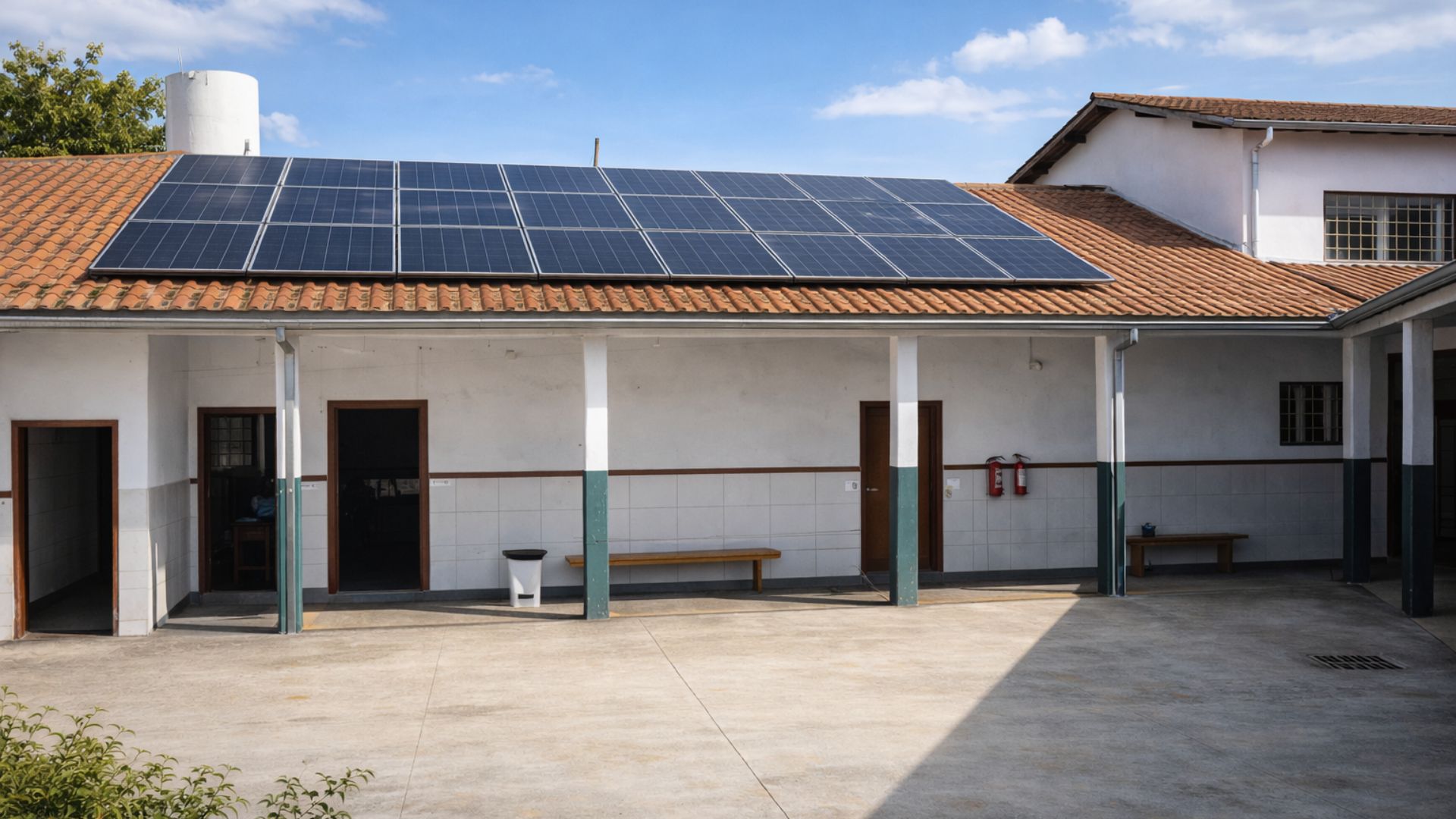
Copel boosts solar energy in Paraná and brings innovation to public schools, promoting savings on electricity bills, energy efficiency, and a direct impact on the quality of education.
-
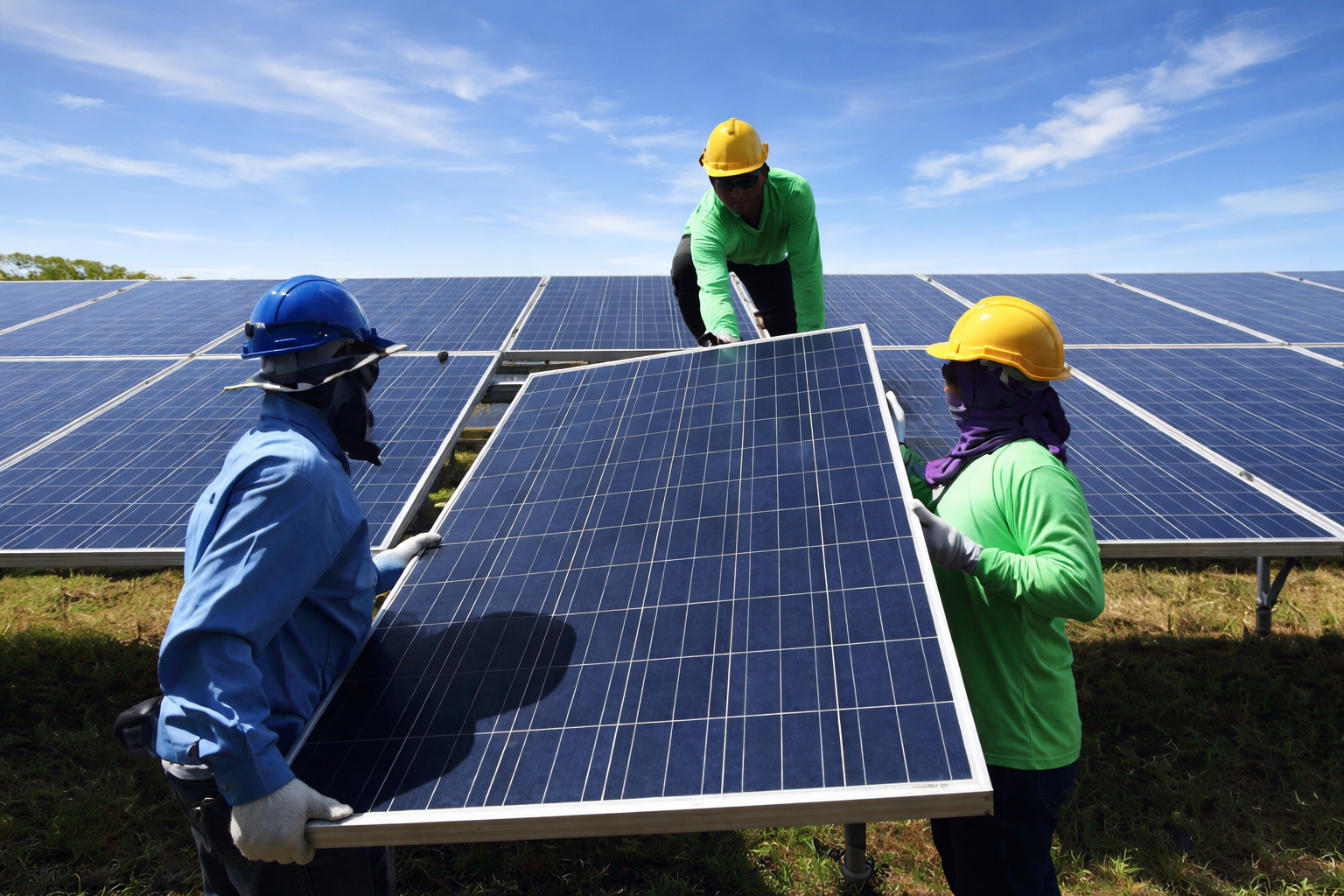
Brazil reaches historic milestone in solar energy: Sector surpasses 2 million accumulated green jobs and generates billions in the national economy even under market pressure.
-
Minas Gerais takes the lead in renewable energy: State surpasses historic mark of 14 GW in solar energy generation in MG and consolidates dominance in the Brazilian electric sector.


In addition to increased capacity, modernization includes investments in emission control and reduction technologies, reinforcing the refinery’s role in a context of stricter environmental regulations. RNEST is today one of the most modern units in the country, prepared to operate with greater efficiency and lower environmental impact.
Solar Plant at RNEST: Data, Objectives, and Direct Impact on Operations
The new solar plant installed at the refinery will have the capacity to produce approximately 12 megawatts of electricity. With this volume, it will be possible to meet about 10% of the unit’s energy demand. This percentage represents a significant advancement for a large industrial installation, demonstrating the viability of using renewable energy in high-complexity operations.
The main objective of the project is to reduce the consumption of fossil fuels used for internal electricity generation, as well as to promote energy autonomy, decrease costs, and reduce greenhouse gas emissions. This model has been gradually adopted in other industrial units of the state-owned company, consolidating a strategy that combines operational efficiency and sustainability.
Clean Energy as Part of Petrobras’ Strategy
The deployment of the solar plant at RNEST is part of a broader plan for diversifying the energy matrix of refineries. The company has been investing in renewable sources focused on self-generation, which allows for decreased dependence on the national electric system and avoids structural bottlenecks. Solar energy thus becomes a complementary and strategic alternative for the refining sector.
This choice also meets global and national demands for emissions reduction, infrastructure modernization, and improvement of corporate sustainability indices. The use of renewable energy is directly connected to the environmental commitments made by the industrial sector.
Operational, Environmental, and Economic Benefits for Petrobras
The use of solar energy offers direct and long-term advantages for the operation of the refinery, such as:
- Lower use of fossil fuels for internal energy generation.
- Reduction of carbon footprint, aligned with the sector’s decarbonization goals.
- Reduction of operational costs, since solar energy tends to have lower marginal costs after implementation.
- Greater energy security, as part of the electricity will now be generated internally.
Moreover, the adoption of solar energy strengthens Petrobras’ institutional image and demonstrates the ability to innovate in a sector traditionally associated with carbon-intensive operations.
Renewable Energy and Energy Transition in the Industrial Sector
The oil and gas sector is undergoing a global transformation. Companies and refineries in various countries have started to integrate renewable sources into their activities as a way to reduce emissions and increase operational efficiency. In Brazil, this trend is gaining momentum with projects like RNEST, which combine fuel production with sustainable electricity generation.
This movement drives national energy transition and encourages the adoption of clean technologies in industries. Refining and renewable energy are areas that are beginning to complement each other, paving the way for new solutions. The energy transition is no longer discussed merely as a trend, but as part of the industrial competitiveness strategy.
Limitations and Challenges of Petrobras’ Solar Energy Project
Despite the benefits, the project also presents challenges. The solar plant only meets part of the refinery’s energy demand, meaning that most consumption will continue to be met by other sources. Thus, the impact of decarbonization is still partial.
Another point of concern is the need for continued investments in energy infrastructure to keep pace with production expansion, as the increase in refining capacity requires more energy. The integration of renewable energy will be more efficient as new projects are incorporated into the system.
Impacts on the Economy and Regional Development
In addition to the energy impact, the project has positive effects on the local economy. The expansion of the refinery and the implementation of the new energy infrastructure have generated direct and indirect jobs, boosted the local production chain, and stimulated investments in technology.
With increased production capacity, RNEST helps reduce dependence on imported fuel and expand national supply. This strengthens Brazil’s energy security, prevents fluctuations in supply, and brings benefits to the end consumer.
Refining Modernization and Innovation in Renewable Energy
The decision to implement its own solar plant at the refinery demonstrates that the company is aligned with the main global trends in the energy sector. The project shows that it is possible to reconcile operational efficiency, production expansion, and sustainability.
The initiative reinforces that innovation and renewable energy are already part of the industrial agenda of the country. By integrating the solar plant into the refinery’s operations, the company builds a more resilient and competitive production model, positioning Brazil more solidly in the global race for energy efficiency and emissions reduction.









-

Uma pessoa reagiu a isso.