





 Portuguese
  English
  Spanish
  3 min of reading


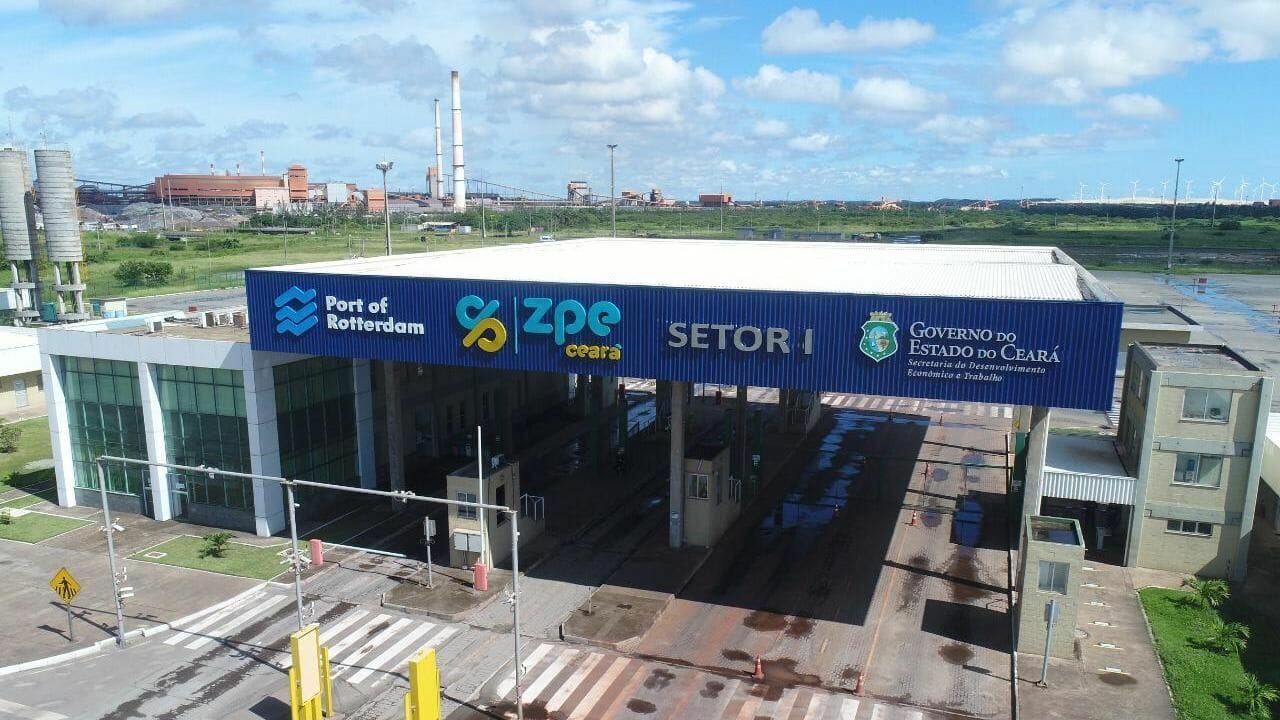
With Robust Investments, Solid Partnerships, and Strategic Vision, Noxis Energy’s Oil Refinery in Pecém Promises Not Only Financial Success but Also a Strong Commitment to a Cleaner and More Sustainable Future.
Last Thursday, (08/10), the State Environmental Council of Ceará (Coema) green-lighted the long-awaited environmental licensing for the start of construction of the oil refinery that will take shape in the Export Processing Zone (ZPE) of Ceará. This news becomes even more impactful with the recent statement from Gabriel Debellian, the CEO of Noxis Energy, the company responsible for the project. On Friday, (08/11), he shared, via social media, a revelation of significant proportions: the Pecém Refinery will not only be a concrete reality but also a crucial step towards the energy transition.
Oil Refinery to Be Installed in Pecém Will Be Built with an Eye on Energy Transition with Production of Methanol and Ethanol
Debellian, in an optimistic statement, highlighted that the refinery is aimed at producing, in the short term, a fuel that promises to be the driving force of the maritime industry in the future: ethanol.
He emphasized that ethanol already plays a significant role in the production of biodiesel, which is blended with conventional diesel, but stressed that the Pecém refinery will bring something even more remarkable.
-
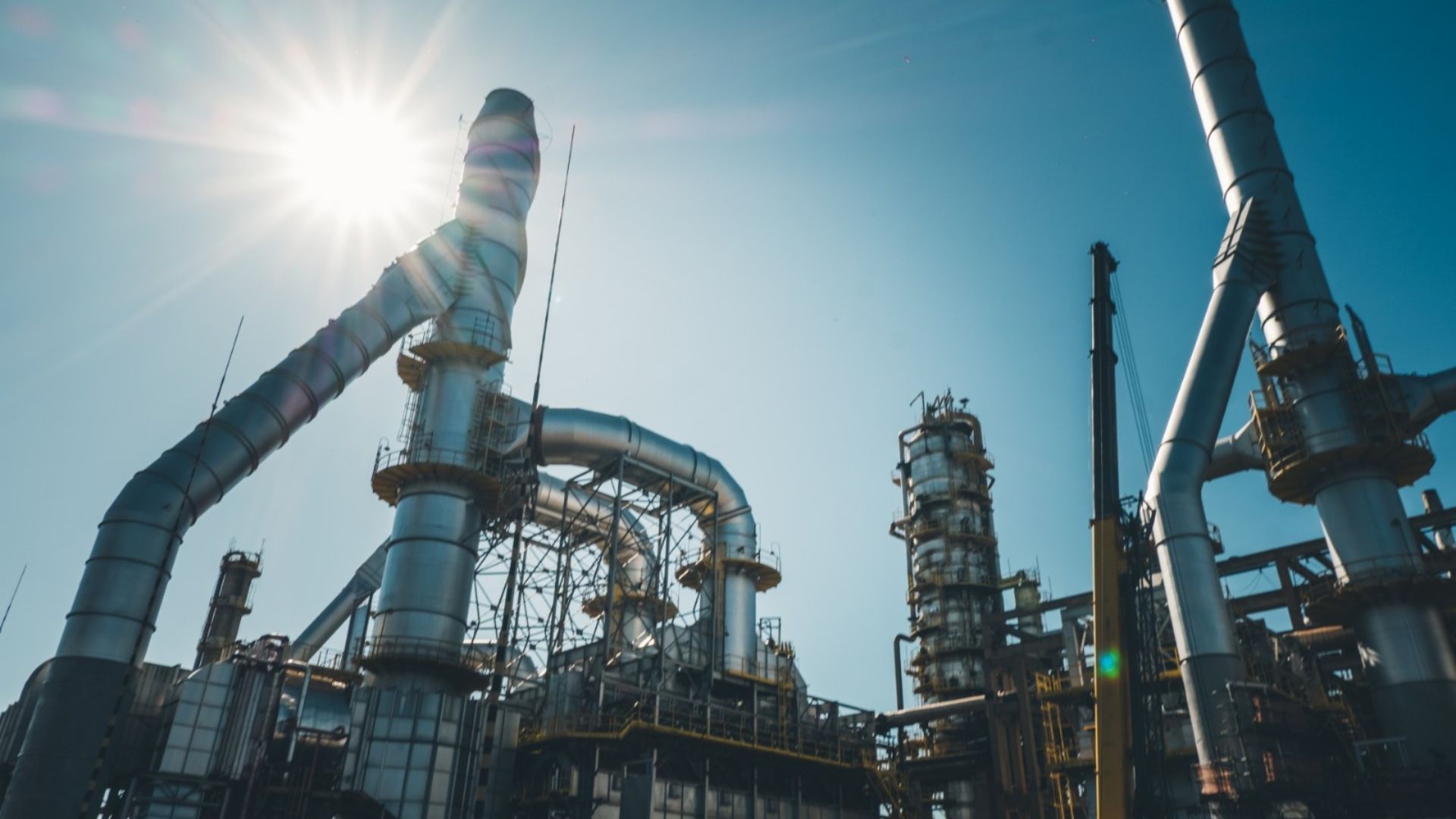
Petrobras Expands Refining in Brazil, Increases Production of Diesel S-10 and Gasoline, Enhances Operational Efficiency, and Reduces Import Dependence Between 2023 and 2025
-
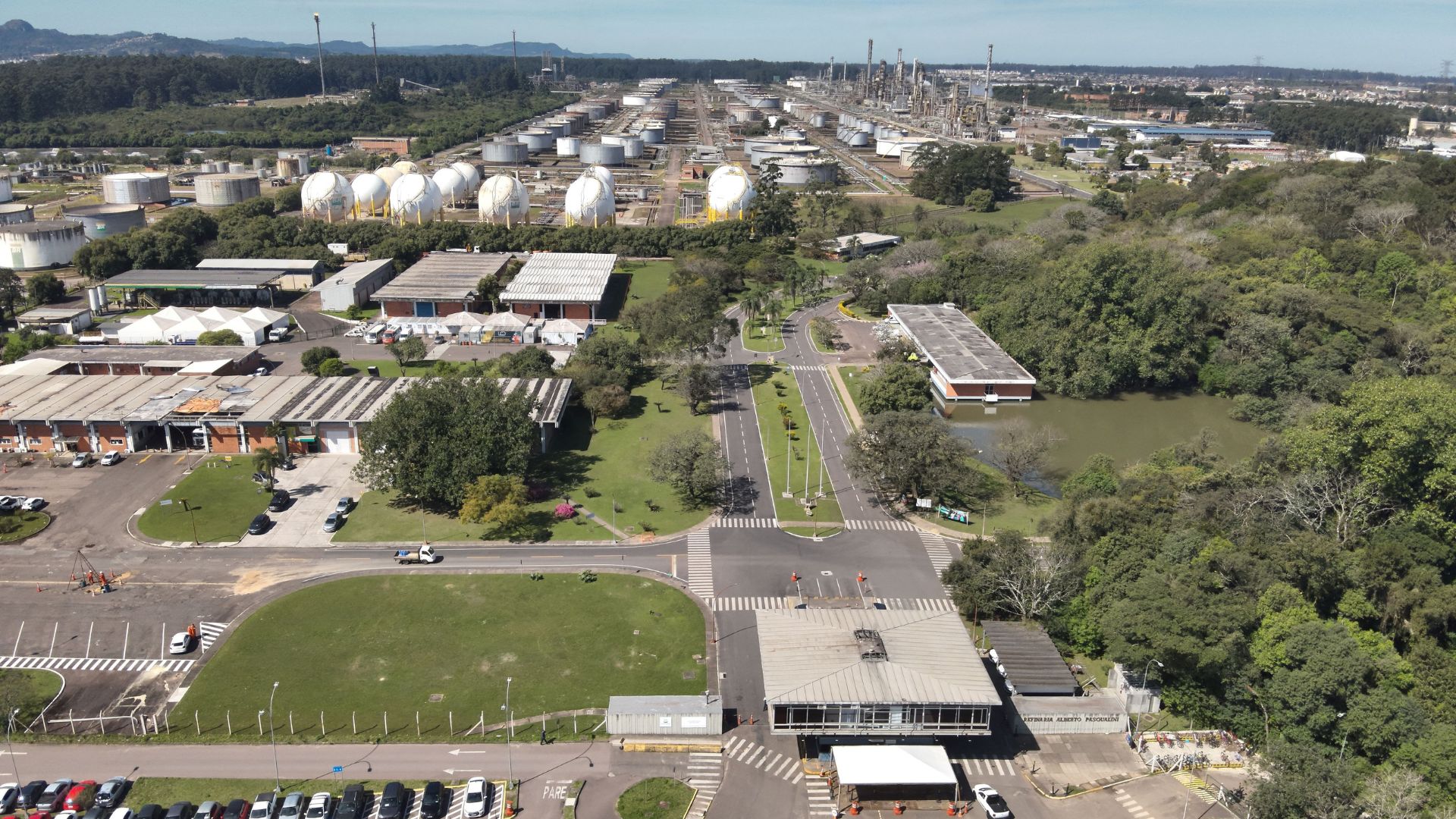
Petrobras’ Refap Sets Historic Records for Gasoline and S-10 Diesel Production in Canoas in Q4 2025, Surpassing Previous Figures
-
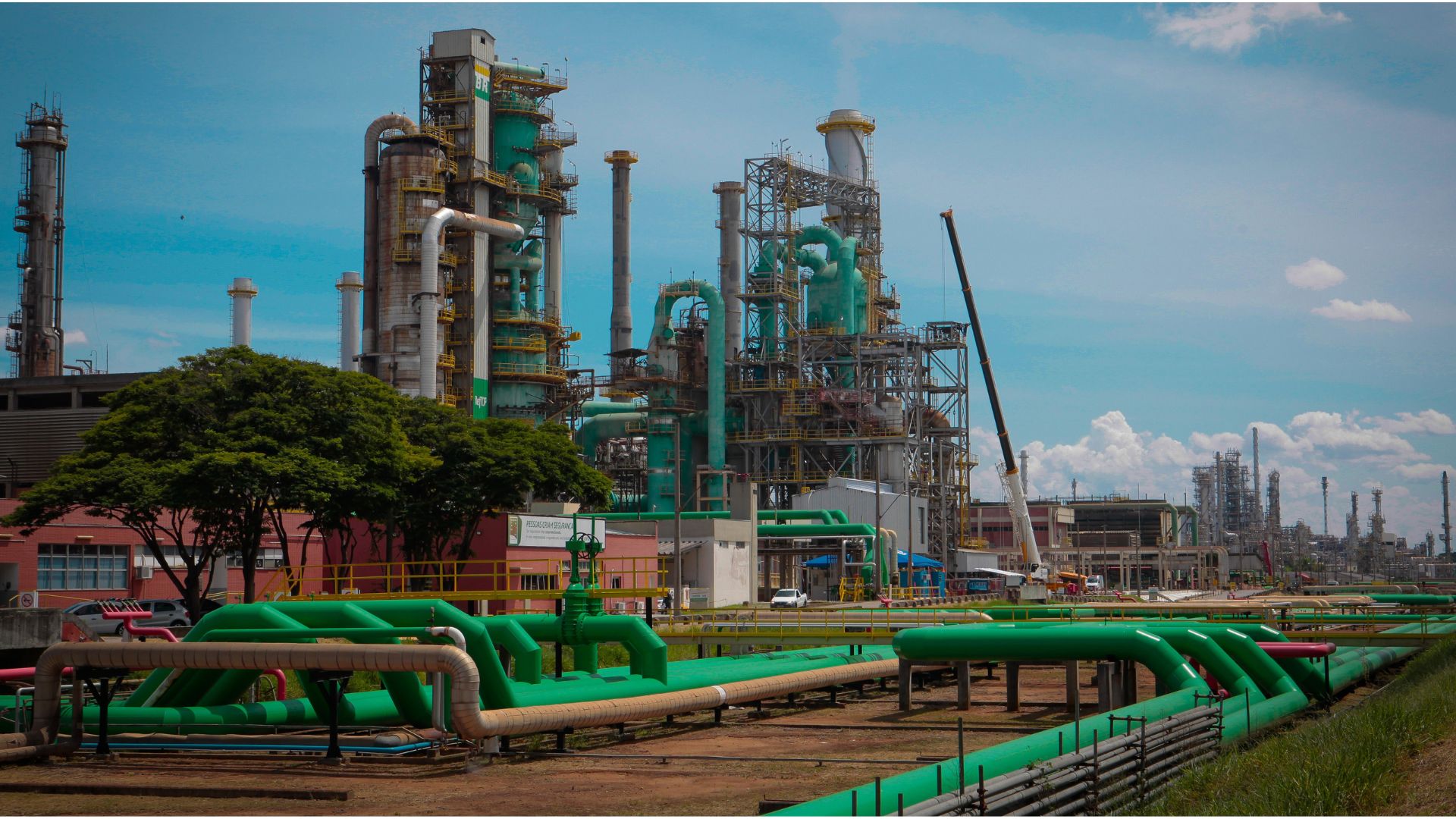
Revap Starts Operation of Modernized HDT and Petrobras Expands S-10 Diesel Production by 80% at the Refinery, Boosting Supply of Less Polluting Fuel in Brazil
-
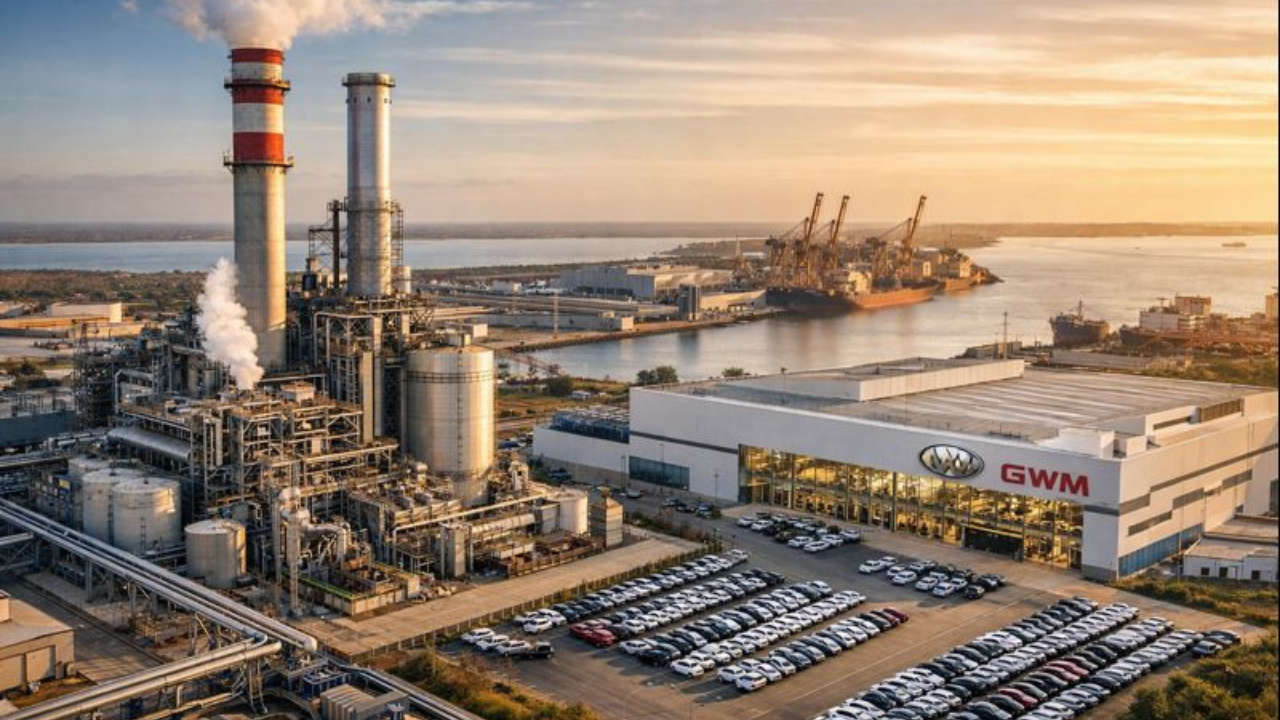
Thermal Power Plant in Rio Grande do Sul Is Key to Attracting GWM

Contradicting some concerns about gas emissions, Debellian unequivocally stated that the refinery will not release any toxic gases into the environment. His words were direct:
“What our refinery will emit will be CO2, which will be captured and used as a raw material in methanol production.”
He explained that methanol results from the combination of CO2 with hydrogen, offering an ambitious perspective on the use of carbon dioxide in a beneficial industrial context.
Noxis Energy’s engagement in cutting-edge technologies is also evident in the strategic collaboration with a leading global company, which is expected to provide the necessary technology for creating a methanol plant integrated with the refinery.
This synergy will reduce operating costs and enhance the financial viability of both facilities.
Debellian spared no details in highlighting the unique features of the designed methanol plant.
It will produce three variants of the compound: green methanol, blue methanol, and conventional methanol.
This ecological venture will use green and blue hydrogen, produced at the Pecém Hub, to generate methanol.
This promises to open doors for the export of this promising fuel or even the supply of vessels.
Noxys Energy Expects That the Oil Refinery Construction Will Attract Billions in Investments
Optimistic about the timeline, Debellian predicted that site preparation will begin by the end of the year, supported by the preliminary license already obtained.
Although he has invested significantly, he mentioned the total budget for the Pecém refinery, which is estimated at US$ 2 billion, or around R$ 10 billion.
These investors, he said, are committed to seriousness and seek legal and operational security, firmly believing in the potential of Ceará and Pecém.
Maia Júnior, former Secretary of Economic Development for the Government of Ceará, emphasized the strategic importance of the Pecém refinery in the context of the energy transition.
He highlighted that the refinery will not only address the initial challenges but will also play a crucial role in methanol manufacturing, the basis of future maritime fuels.
He also emphasized the commitment to CO2 capture, thus addressing environmental concerns.
Júnior added that the next phase of the project will involve the tanking of ammonia, requiring the replacement of the Mucuripe tank systems with those already planned in Pecém.
Additionally, the industrial exploitation of the Itataia phosphate mine will give Ceará a new identity as a fertilizer producer.
Júnior predicted a bright and radiant future for the state, highlighting the transformative possibilities ahead.







Seja o primeiro a reagir!