





 Portuguese
  English
  Spanish
  3 min of reading
  0 comments


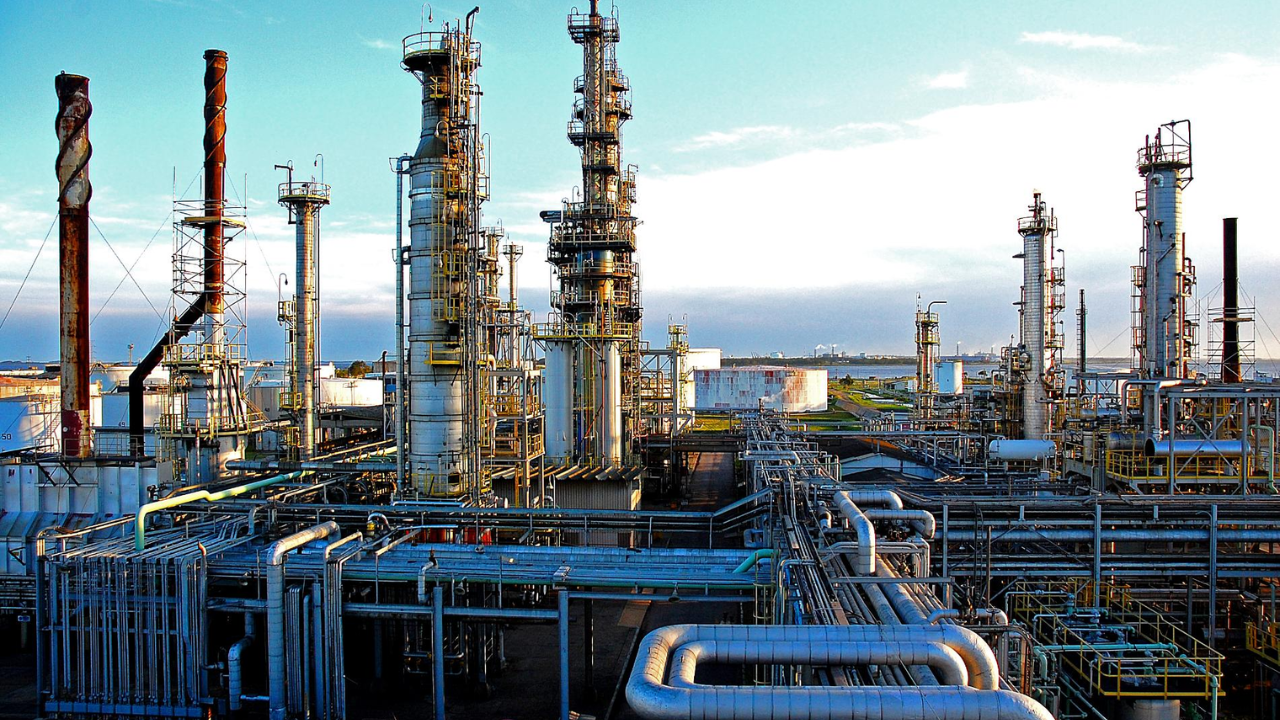
Petrobras And Refinaria Riograndense Revolutionize Fuel Production With Cellulosic Content, Boosting Sustainable Innovation In Brazil.
The Refinaria Riograndense (RPR), with participation from Petrobras, Ultra, and Braskem, achieved a historic milestone in Brazil by successfully completing the coprocessing test of 5% bio-oil — a non-food biomass raw material — along with mineral feedstock. Located in Rio Grande (RS), the refinery has become the first in the country capable of producing fuels with cellulosic content, consolidating an important step towards energy transition.
Coprocessing Test At Refinaria Riograndense
The test, conducted at the Refinaria Riograndense’s Fluid Catalytic Cracking (FCC) unit, was carried out with technology developed by Petrobras and lasted seven days, concluding on February 17.
Throughout the process, a highly specialized technical team from Petrobras and RPR monitored the stages of commissioning, startup, operation, and shutdown of the bio-oil supply and injection system in the unit.
-
The Economist states that Brazil has a “secret weapon” against expensive oil and highlights how the country can reduce economic impacts even in international scenarios of high volatility.

-
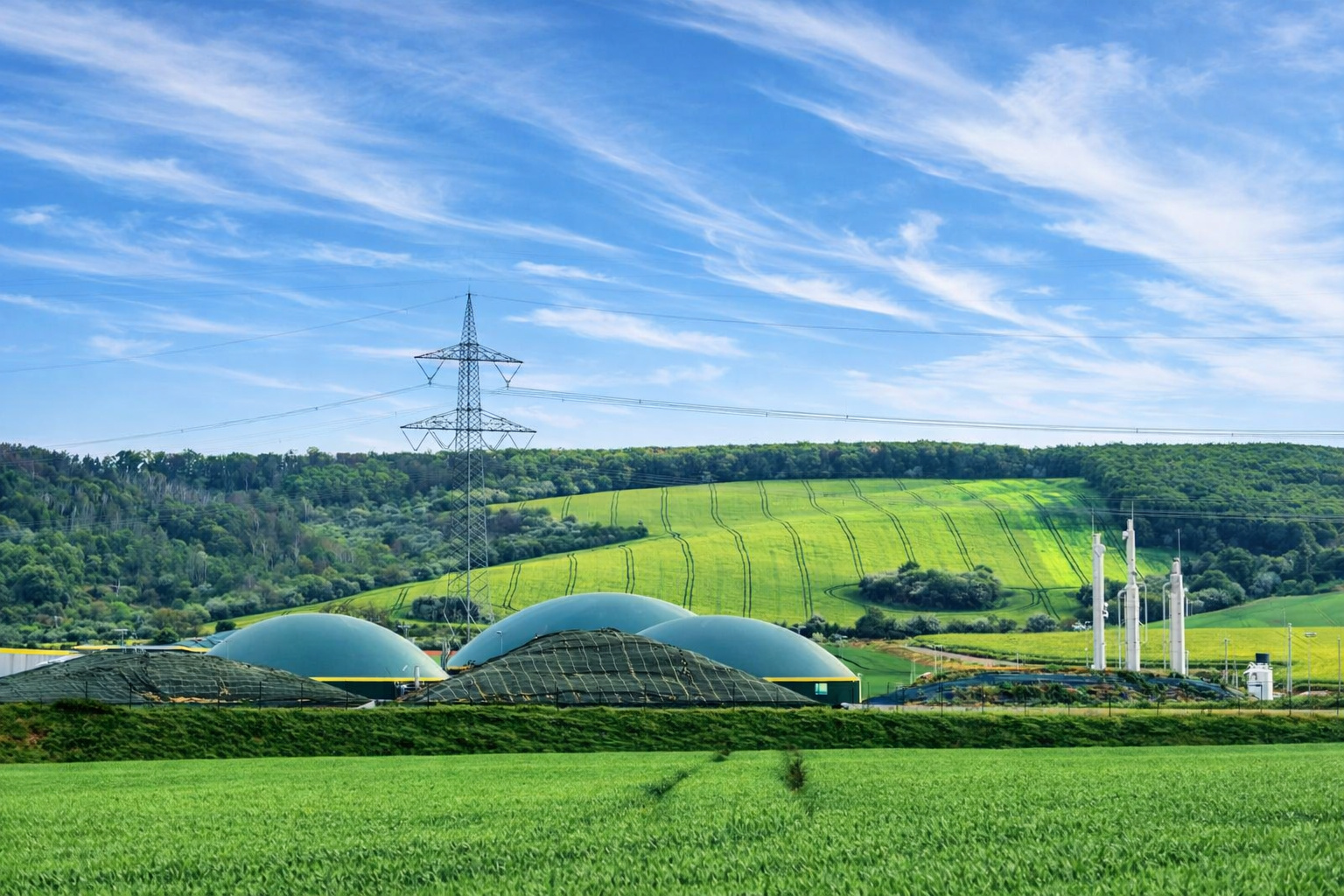
Brazil accelerates decarbonization in the South: International forum in Foz do Iguaçu gathers leaders to discuss the advancement of biomethane in the energy matrix and the potential of “caipira pre-salt.”
-
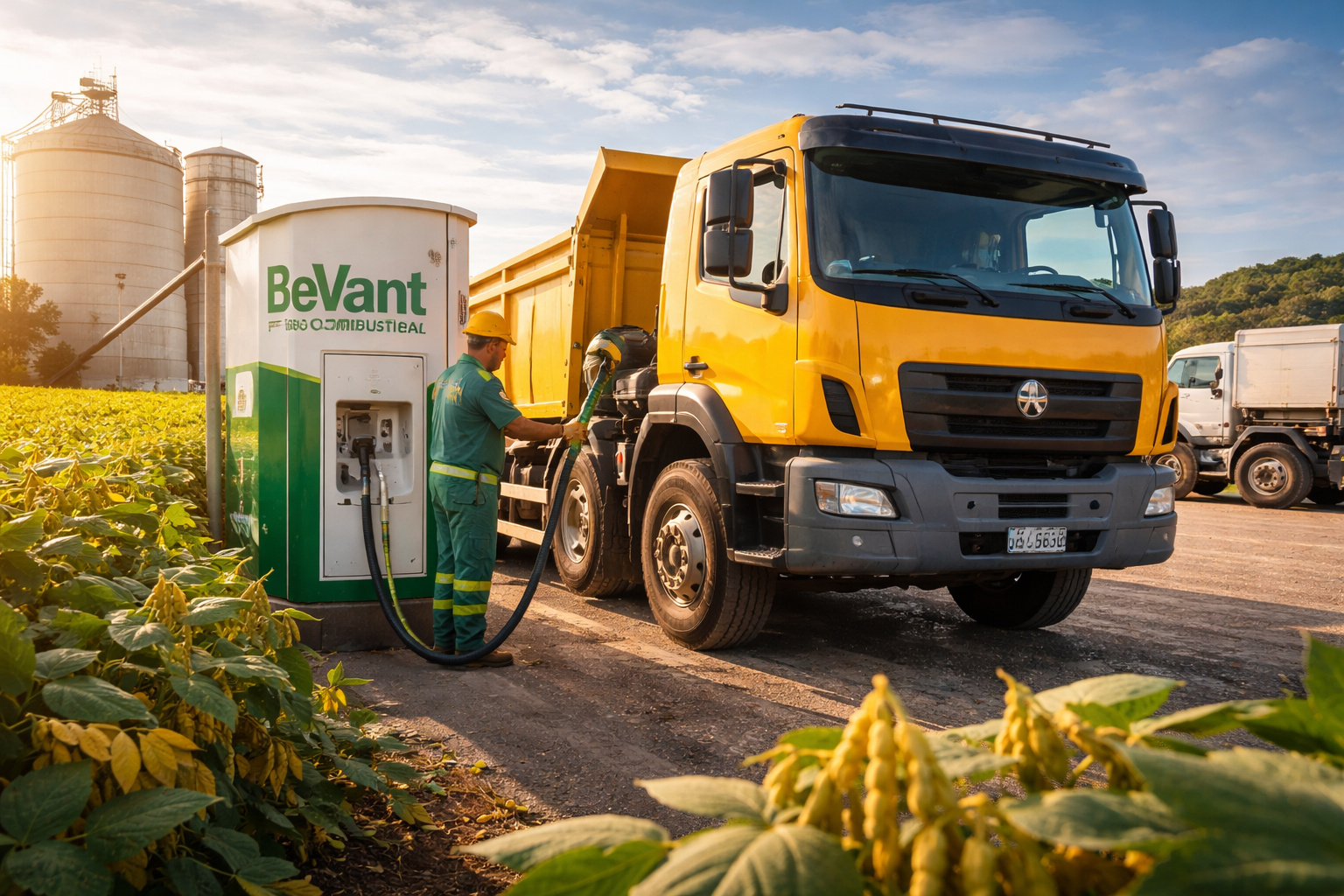
As diesel prices soar due to conflicts in the Middle East, a Brazilian city decides to test a little-known biofuel that promises to completely replace fossil fuel without adaptation and could change the future of energy in the country.
-
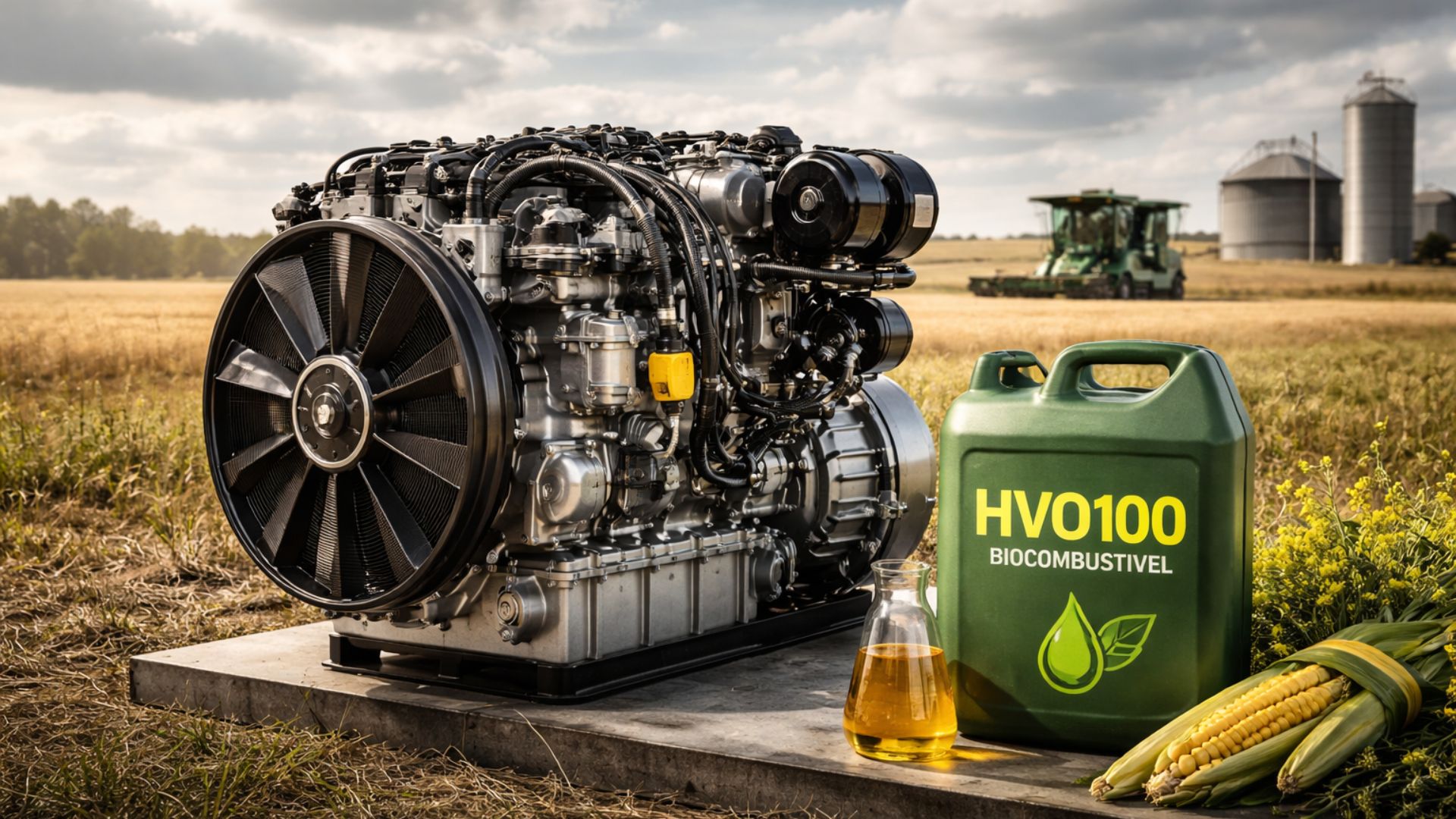
Innovation with biofuel engines transforms agribusiness by replacing diesel without the need for major adaptations, ensuring energy efficiency and helping to reduce dependence on oil.

The bio-oil, the raw material tested in the process, is a dark-colored viscous liquid rich in organic compounds. Like petroleum, it requires additional treatment to be used in engines and turbines.
When coprocessed in RPR’s FCC unit, it was converted into various fractions, including fuel gas, LPG, and components for formulating gasoline and marine fuel with renewable content.
Innovation In The Refining Sector
Catalytic cracking is one of the fundamental processes for converting petroleum into products like LPG, gasoline, and diesel. To facilitate the incorporation of bio-oil into the process, the Refinaria Riograndense unit underwent modifications, allowing simultaneous co-refining with petroleum-derived gas oil.
The catalyst used belongs to the ReNewFCC line, manufactured by Fábrica Carioca de Catalisadores (FCC S.A.), a joint venture between Petrobras and Ketjen.
This catalyst was designed to optimize the conversion of renewable and fossil raw materials, ensuring efficiency and quality in the production of fuels with cellulosic content.
The raw material used in the test was supplied by Vallourec Unidade Florestal and certified by the International Sustainability and Carbon Certification (ISCC).
The bio-oil is obtained through the condensation of vapors generated in the production of eucalyptus charcoal, a process that significantly reduces greenhouse gas emissions.
Global Pioneering At Refinaria Riograndense
In 2023, the Refinaria Riograndense had already achieved a unique feat when it became the first refinery in the world to process 100% vegetable oil in its FCC unit, generating fuels and chemical inputs like propylene and bioaromatics (BTX – benzene, toluene, and xylene).
This advancement reinforces Petrobras’s role as a leader in energy transition and in implementing technological solutions for sustainability.
“The recent test represents a significant advancement for global biorefining, as it may enable the transformation of wood and other agro-forestry residues into products typical of petroleum refining,” says Renata Baruzzi, director of Engineering, Technology, and Innovation at Petrobras.
The director of Industrial Processes and Products at Petrobras, William França, highlights the relevance of this innovation:
“The innovative aspect of this new development at Petrobras’s Research, Development, and Innovation Center (CENPES) marks the introduction of bio-oil into an existing refining asset, reducing the need for additional investments and opening a new perspective in energy transition and value generation for the Brazilian industry.”
Already, Mauricio Tolmasquim, director of Energy Transition and Sustainability at Petrobras, emphasizes the initiative’s impact in a global context: “With the proximity of COP 30, this innovation reinforces Petrobras and Brazil’s prominence in the international arena, consolidating the company’s role in leading the promotion of technological solutions for an energy transition in our country.”
Investments And Commitments From Petrobras In Biorefining
These initiatives are part of Petrobras’s BioRefining Program, which foresees investments of US$ 1.5 billion until 2029. The coprocessing test at Refinaria Riograndense was carried out following the guidelines of the National Agency of Petroleum, Natural Gas and Biofuels (ANP), which regulates investments in Research, Development, and Innovation (PD&I) for the sector.
The project aims to transform Refinaria Riograndense into the first refinery in the world to produce 100% renewable products. “In line with our commitment to lead a fair energy transition in Brazil, we will transform Refinaria Riograndense into a biorefinery that will produce fuels exclusively from vegetable oils,” says Magda Chambriard, president of Petrobras.









-

2 pessoas reagiram a isso.