





 Portuguese
  English
  Spanish
 3 min of reading
  0 comments


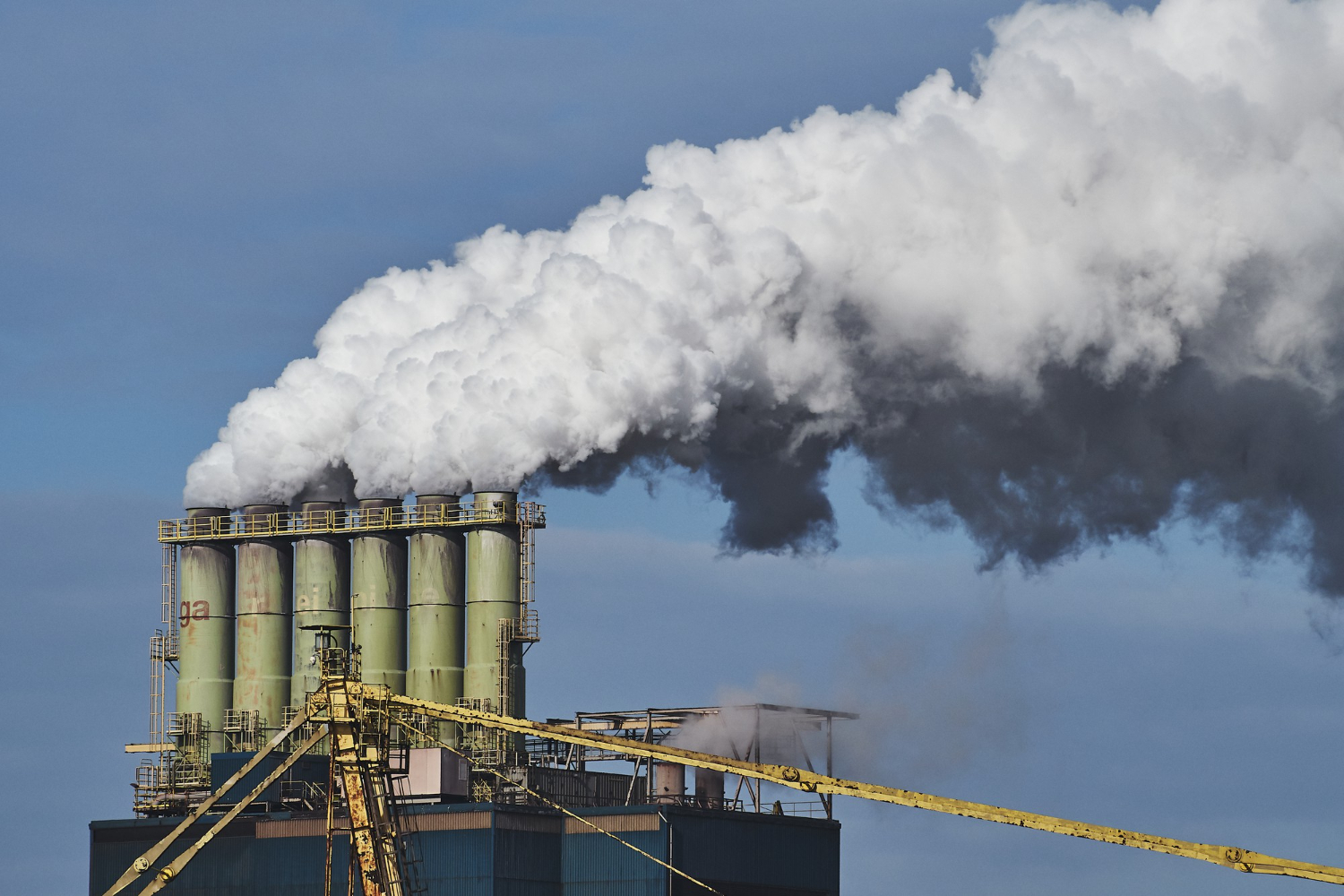
The World Bank Initiative Strengthens the Regulation of Methane Emissions and Supports ANP in Advancing Sustainable Policies for the Oil, Gas, and Clean Energy Sector in the Country
The regulation of methane emissions has gained new momentum in Brazil with the launch of an international tender by the World Bank, through the Global Flaring and Methane Reduction Partnership (GFMR), according to a report published.
The initiative aims to select a specialized company to conduct a campaign for detecting emissions in three oil and natural gas production units, marking a significant advance in the global commitment to reducing greenhouse gases.
This action is part of a joint effort between the World Bank and the National Agency of Petroleum, Natural Gas and Biofuels (ANP), with execution planned for the first quarter of 2026 and an estimated duration of eight to ten weeks.
-
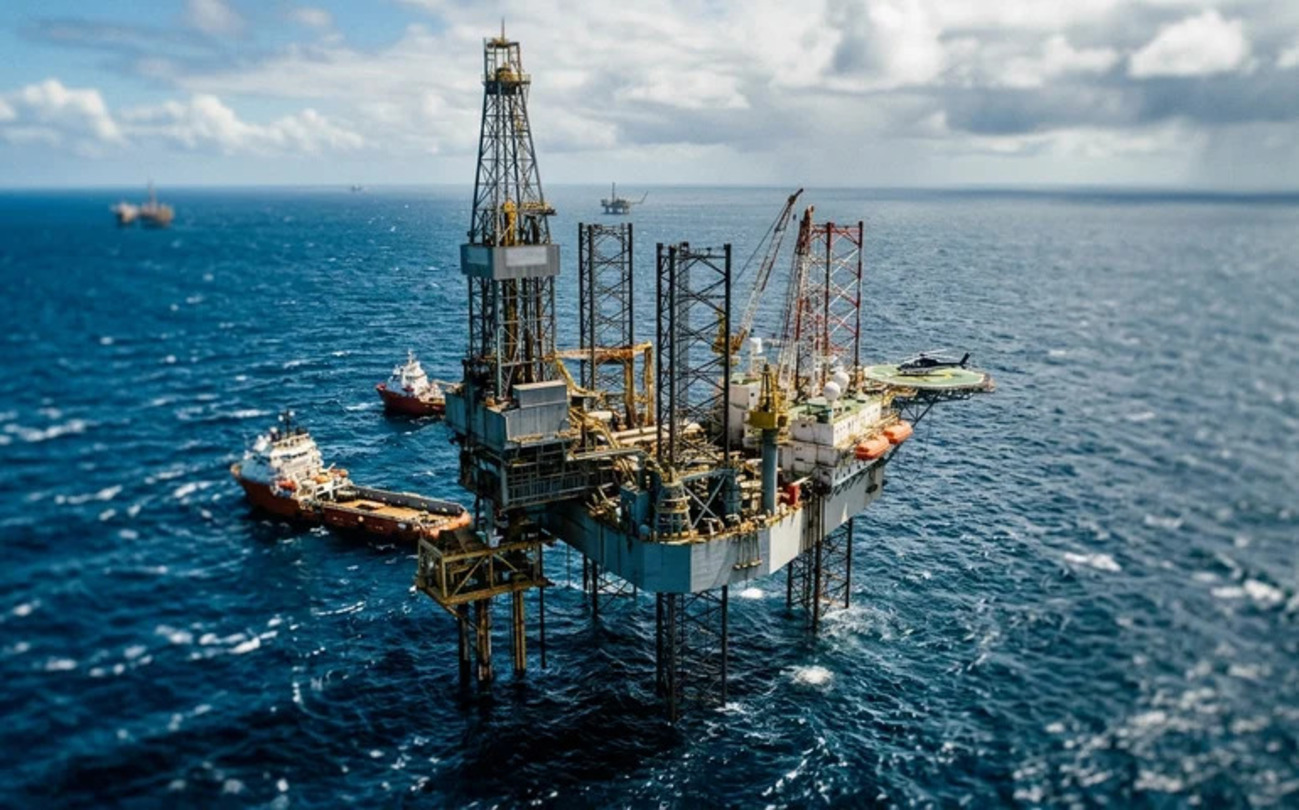
Brazilian giant expands borders in the Southeast: Petrobras confirms new oil discovery in ultra-deep waters in the pre-salt of the Campos Basin.
-
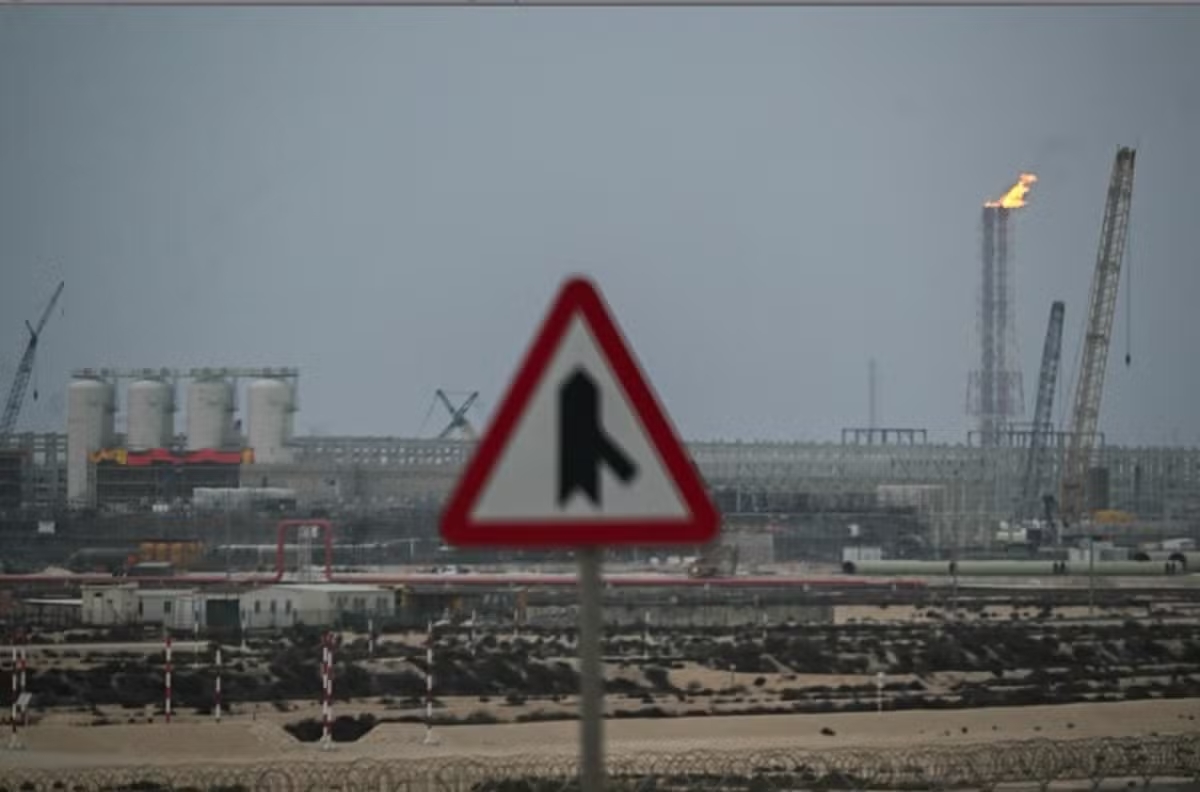
Alert in the global energy market: Severe tropical cyclone hits the coast and disrupts gas production at major plants in Australia, threatening global supply.
-
Petrobras finds high-quality oil in the pre-salt at 113 km from RJ and reignites expectations about strategic reserves in the Campos Basin.

-
Ocyan opens registrations for startups focused on innovation in the oil and gas sector and will select projects for Innovation Day with the support of Nexio.


The closing of the tender process is scheduled for November 11, 2025, and the expectation is that the results will strengthen the technical and regulatory capacity of ANP, contributing directly to more effective policies for environmental control in the energy industry.
Environmental Monitoring and Technical Capacity Strengthen the Energy Industry
The methane detection campaign is considered one of the most strategic actions of the ANP-World Bank partnership.
In addition to mapping leakage and dispersion sources, the initiative will provide technical training for public servants, enhancing knowledge on environmental monitoring in exploration and production areas.
As a result, Brazil will join a group of countries prioritizing the reduction of fugitive emissions in the energy sector, aligning with international commitments to sustainability and climate mitigation.
The regulation of methane emissions thus plays a central role not only in reducing environmental impacts but also in modernizing operational practices in the oil industry, which seeks efficiency and transparency in its control actions.
Regulation of Methane Emissions and the Advancement of ANP’s Regulatory Agenda
The regulation of methane emissions is included in ANP’s Regulatory Agenda 2025-2026, which outlines measures to improve oversight and create a solid regulatory framework for the issue.
The results of the campaign supported by the World Bank will feed the national inventory of methane emissions, providing a more robust technical basis for political and regulatory decisions.
This framework will contribute to strengthening the transparency of environmental data, helping the country meet climate goals and increase access to international financing for clean and sustainable energy.
The public consultation on the preliminary study that underpins this regulation remains open until November 6, 2025, encouraging participation from companies, experts, and civil society.
Clean Energy and Sustainability in the Oil and Gas Sector
The movement coordinated by the World Bank and ANP reinforces Brazil’s commitment to energy transition and the adoption of responsible environmental practices.
The integration of technology, oversight, and technical training is seen as essential for reducing natural gas waste and mitigating the impacts of methane, a gas with a warming potential 80 times greater than that of carbon dioxide (CO₂) over a 20-year horizon.
This action not only modernizes the environmental governance of the sector but also positions Brazil as a regional reference in the pursuit of clean energy and sustainable development.
The continuation of these initiatives represents a concrete step to consolidate the regulation of methane emissions as a strategic axis of environmental and energy policies in the country.






-

Uma pessoa reagiu a isso.