





 Portuguese
  English
  Spanish
  4 min of reading
  0 comments


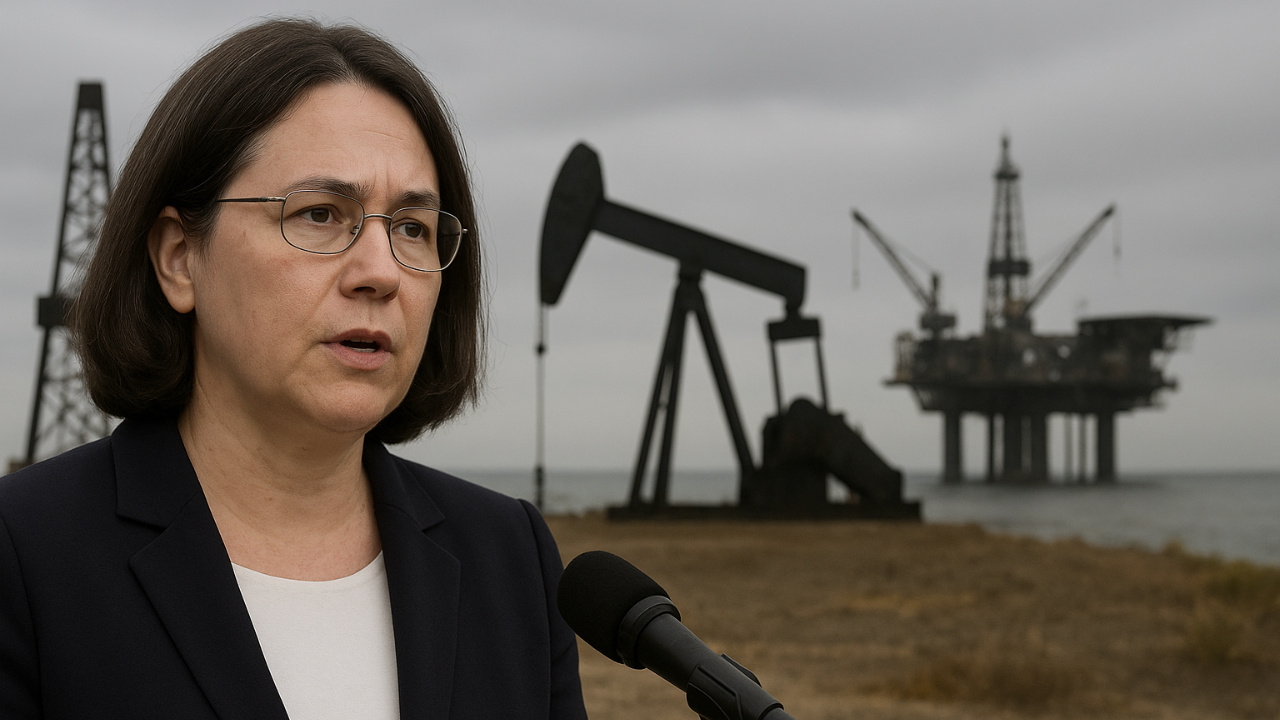
The Brazilian Institute of Oil and Gas (IBP) Criticized the Report of MP 1,304, Stating That the New Rules on Royalties and Reinjection of Natural Gas Reduce the Attractiveness of the Country for Investors and Compromise the Regulatory Security of the Sector.
The Brazilian Institute of Oil and Gas (IBP) expressed strong concern regarding sections of the report of the Provisional Measure 1,304 of 2025, which addresses the reform of the electricity sector but also includes provisions with a direct impact on the oil and natural gas industry. The text, presented this Tuesday (Oct. 28, 2025) by Senator Eduardo Braga (MDB-AM), was criticized for creating regulatory insecurity and for discouraging new investments in the country.
According to the IBP, the proposed changes in Article 15 of the measure — which modify the calculation of the reference price of oil used for the payment of royalties and special participations — compromise the economic predictability of the sector. Furthermore, the organization assesses that the expansion of the powers of the National Energy Policy Council (CNPE) regarding the utilization and reinjection of natural gas may generate negative impacts both on production and public revenue.
Changes in Oil Royalties Generate Insecurity and May Reduce the Attractiveness of the Brazilian Market
The main point of disagreement of the IBP concerns the new methodology proposed for calculating oil royalties. The rapporteur’s opinion suggests that, in the absence of a primary international reference, the calculation of values owed to the Union should be based on the Transfer Pricing Law, used to define transactions between related companies in Brazil and abroad for IRPJ and CSLL purposes.
-
Offshore industrial demand in Macaé skyrockets with the recovery of oil and gas and could grow by up to 396% by 2026 in the Campos Basin.
-
Offshore industrial demand in Macaé surges with the recovery of oil and gas and could grow by up to 396% by 2026 in the Campos Basin.
-
Brazilian giant expands borders in the Southeast: Petrobras confirms new oil discovery in ultra-deep waters in the pre-salt of the Campos Basin.

-
Alert in the global energy market: Severe tropical cyclone hits the coast and disrupts gas production at major plants in Australia, threatening global supply.


For the institute, this linkage is misguided, as it mixes tax criteria with regulatory parameters. In an official statement, the IBP stated:
“Linking the calculation of government participations to transfer pricing rules only creates insecurity and distorts the technical-economic logic that underpins the government participation policy.”
According to the organization, the original goal of the Transfer Pricing Law is tax collection, rather than regulating the oil market. Thus, applying this methodology to government participations “would compromise the stability achieved, introducing tax criteria into a regulatory instrument designed to reflect specific market conditions of national oil production”, the statement adds.
The IBP advocates for the maintenance of the current formula, recently updated by the National Agency of Petroleum, Natural Gas and Biofuels (ANP), which, according to the institute, brought greater predictability and regulatory stability. This update would have been widely debated with industry representatives and approved after a technical and transparent process.
Natural Gas Reinjection Should Be a Technical Decision, Says IBP
Another point considered problematic by the IBP is the expansion of the powers of the CNPE to define natural gas reinjection limits in oil fields. The report of MP 1,304 provides that the council can establish guidelines to maximize the utilization of national gas, which, according to the institute, may represent undue interference in technical decisions.
Gas reinjection, a common practice in oil production, is used to maintain reservoir pressure and increase field productivity. However, the IBP argues that this is a decision that should consider geological and economic aspects specific to each field, and is already properly analyzed and approved by the ANP.
The institute warns that imposing external limits may reduce oil production efficiency and impact the profitability of operations. “Favoring the utilization of natural gas at the expense of reinjection may reduce oil production, affecting not only the profitability of the field and the attractiveness of new investments but also reducing the collection of royalties and special participations by the Union, States, and municipalities,” the statement highlights.
MP 1,304 Still Divides Opinions in Congress and Must Be Voted on By November
The Provisional Measure 1,304, sent by the government in July 2025, was created to restructure the Brazilian electricity sector, but ended up incorporating provisions that also affect the oil and gas segment. The text of the rapporteur, Eduardo Braga, was presented to the joint commission of Congress this Tuesday (Oct. 28), but the voting was postponed after a collective request for a review — which grants more time for analysis.
The discussion is set to resume this Wednesday (Oct. 29), at 11 a.m., when lawmakers will return to debate the content. The measure must be approved by the National Congress by November 7 to avoid losing validity. After the voting in the commission, the text will still undergo votes in the Chamber of Deputies and the Federal Senate.
The IBP hopes that Congress will take into account the risks of discouraging investment and the impact of the changes on the regulatory environment for oil and gas in Brazil. For the sector, preserving predictability and stability is essential to maintain the country’s competitiveness against other producing markets.









Seja o primeiro a reagir!