





 Portuguese
  English
  Spanish
  5 min of reading
  0 comments


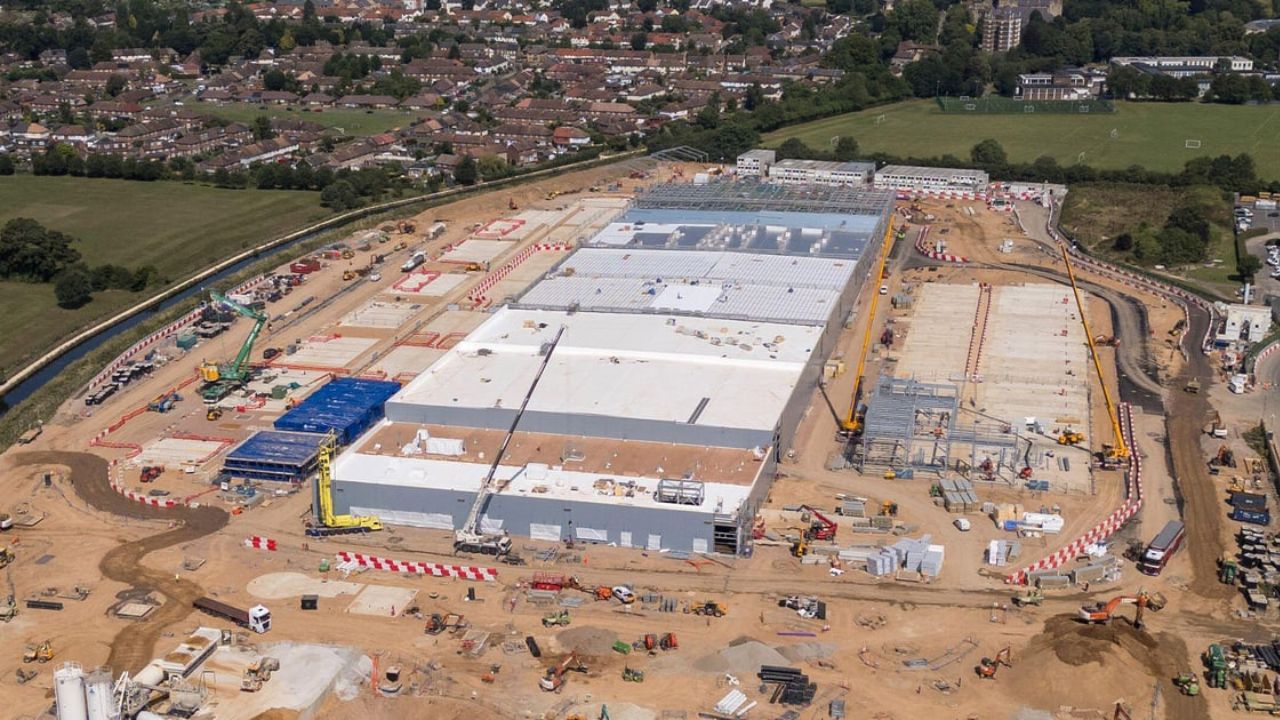
The Priority Given to AI Data Centers in the Electricity Dispute Could Push Housing to the Back of the Line and Turn the Infrastructure Crisis into an International Problem.
The energy dispute has entered a new phase. With the expansion of data centers linked to artificial intelligence, the queue for electrical connection has grown rapidly and now affects projects far beyond the digital sector.
In practice, this impacts housing, factories, charging points, and projects that depend on access to the grid to come to fruition. The issue has gained weight because governments and regulators now need to decide who gets in first in an already pressured system.
The most relevant point is that this shock is not limited to the British. What is happening today in London and other areas of the country foresees a global competition for electricity, water, and land.
-
New CCR concrete paving technology promises roads up to 3x more durable, less maintenance, and cost reduction in Brazil.

-
Made from recycled plastic, plastic wood is gaining space in the construction industry because it does not rot, resists moisture, and reduces maintenance costs over the years.

-
Florianópolis will receive a million-dollar BRT that will begin construction in 2026 with nearly 400 million in funding from the federal government and the Inter-American Development Bank, and the map already shows the routes for the exclusive bus corridors.

-
Without a blueprint, without an engineer, and using scrap from the dump, a father spends 15 years building an 18-room castle for his daughter, featuring tram tracks, 13 fireplaces, and over 700 m², which may now be demolished.


United Kingdom Tries to Unlock the Electric Queue After a 460% Increase in Six Months
The British government launched on March 11, 2026 a consultation to accelerate electrical connections for projects deemed strategic. Among them are data centers, charging infrastructure, and industrial units seeking to replace fossil fuels with electricity.
The pressure did not arise from nowhere. In the first half of 2025, the queue for new connections grew by 460%, driven largely by high electricity-consuming ventures.
Within this race, about 140 projects for data centers began to compete for space on the grid. Together, they represent something close to 50 GW, a volume capable of changing the logic of system expansion.
More Than 520 Centers Are Already Operating in the Country and Housing Feels the Effect
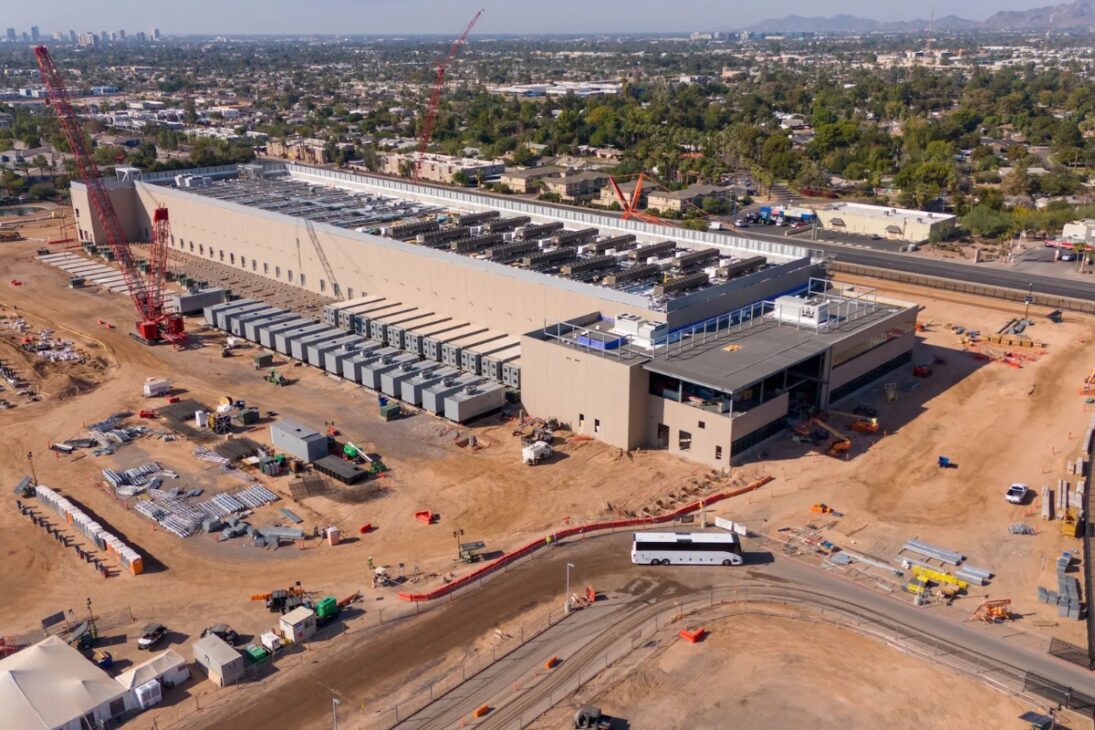
The United Kingdom already has more than 520 data centers, accounting for about 2.5% of the entire national electricity demand. This weight is expected to grow in the coming years, with estimates pointing to an increase from 5 TWh to 22 TWh by 2030.
When this number reaches the end-user, the impact is felt in daily life. In parts of London, especially in the western part of the city, new residential developments have faced delays because the local grid has reached its limit.
This type of blockage helps explain the reaction from the construction sector. For those relying on new electrical connections, the accelerated expansion of data centers can push housing and urban projects to later.
Global Advancement Could Lead Consumption to 945 TWh by 2030
What is happening in the United Kingdom reflects a broader change. The expansion of artificial intelligence has increased the need for processing on a global scale and turned data centers into one of the new fronts of pressure on the electrical system.
Projections indicate a consumption close to 945 TWh by 2030, similar to the annual electricity usage of a large industrialized country. This helps illustrate that the digital race is no longer abstract.
The effect does not only fall on power plants and cables. It also pressures climate goals, urban planning, water supply, and decisions on where to invest first when the grid does not keep pace with demand.
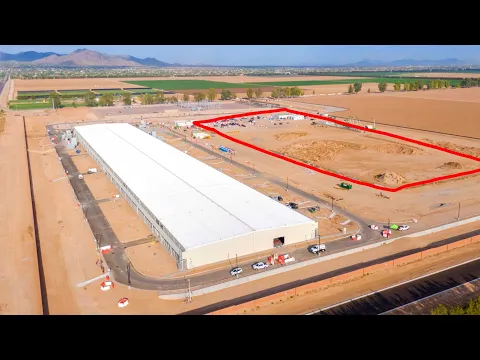

Ireland, Singapore, and the United States Are Tightening Rules to Hold the Pressure
In Ireland, data centers already accounted for about 22% of electricity consumption in 2024. With demand already contracted, the share could reach 31% by 2034, prompting the country to tighten criteria for new connections.
In Singapore, growth has been re-released in a controlled manner. First, there were 80 MW in a pilot phase. Then, the government opened the way for at least 300 MW more, but with greater demands for efficiency and cleaner energy.
In the United States, the debate has gained national scale. Estimates suggest that data centers could account for 9% to 17% of the entire country’s electricity by 2030, well above the current range, which increases pressure on tariffs, grid reliability, and new investments.
France Tries to Turn Its Nuclear Energy into an Advantage in the Digital Race
The global dispute has also opened space for countries that see an opportunity. According to Reuters, an international news agency with economic and political coverage, Emmanuel Macron stated on March 10, 2026 that France could expand its structure for data centers backed by its nuclear generation and 90 TWh of decarbonized electricity exports in the past year.
This movement reveals an important change. In the new digital race, it is no longer enough to have capital and technology companies. Having abundant, predictable energy with lower emissions has become an increasingly clear strategic advantage.
Chile Seeks US$ 2.5 Billion and Europe Increases Control Over Water and Efficiency
In Latin America, Chile is trying to take advantage of this window with a national plan aimed at the sector. The goal is to triple the industry in five years and attract around US$ 2.5 billion in investments.
At the same time, the region is beginning to face a dilemma similar to that of other markets. Hosting data centers can bring construction and economic activity, but it also requires robust infrastructure, more available energy, and attention to water use in sensitive areas.
In Europe, the response is leaning towards tighter control over energy efficiency and water footprint. This shows that the expansion of data centers is no longer measured solely by processing capacity but is also judged by the impact it has on the territory.
The significant turning point is this. Artificial intelligence is not only changing applications, companies, and services. It has already begun to compete for space with houses, industries, and public works in electrical grids that were not designed to grow at this pace.
Therefore, the British case draws attention far beyond the island. What is at stake is not just where to install servers, but who will have priority in a world where energy has become a strategic asset, pressuring cities and changing the economic outlook of several countries.










-

Uma pessoa reagiu a isso.