





 Portuguese
  English
  Spanish
  4 min of reading
  0 comments


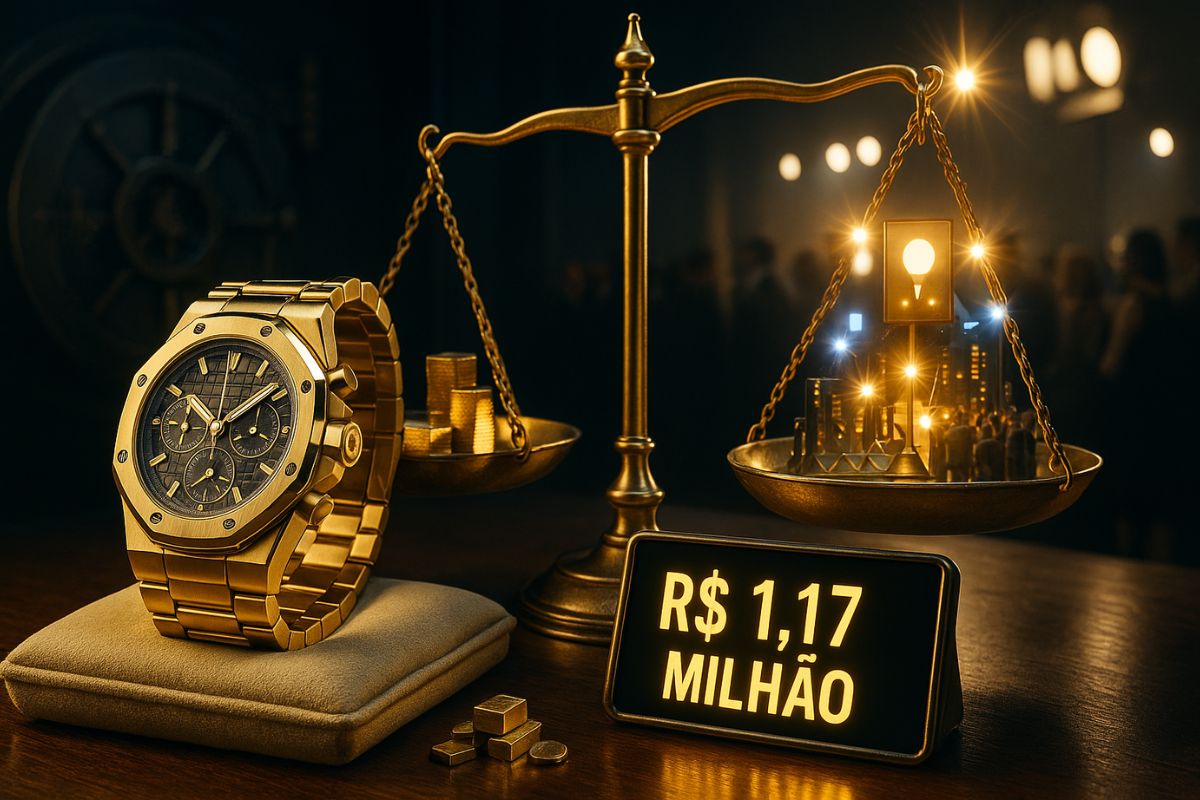
The Price of a Luxury Watch Like the Patek Philippe Nautilus Does Not Reflect Just Technology or Materials 62% of the Value Goes to Marketing, Boutiques, and Artificial Exclusivity, While Only 25% Covers Real Production.
The price of a luxury watch like the Patek Philippe Nautilus surprises with the discrepancy between market value and actual production cost. According to Canal Elementar, only 25% of the value covers materials and labor, while 62% is related to marketing, boutiques, and the artificially created scarcity by brands.
This dynamic reveals how the luxury market is supported more by the construction of desire than by engineering.
The example of a white gold Nautilus, valued at R$ 1.17 million, shows that status, exclusivity, and cultural narrative are the main components of the final price.
-
A “silent skill” is allowing Brazilians to earn up to R$ 22,000 per month without a degree and become indispensable for companies that rely on millions of data to survive.

-
Researchers at the Toyota Research Institute found that if a human uses robotic arms to flip a pancake 300 times in an afternoon, the robot learns to do it on its own the next morning, and this is currently the most promising method to solve the biggest bottleneck in modern robotics.

-
Goodbye iron: a common item in households is starting to lose space to technology that smooths clothes in minutes without an ironing board and with less energy consumption.

-
Antarctica reveals an unusual clue high in the Hudson Mountains, and what appeared to be just an isolated rock began to expose a secret hidden under the ice for ages.


Who Buys and What Sustains the Value
Canal Elementar reminds us that, historically, watches were navigation tools and symbols of power reserved for the aristocracy.
After World War I, they became practical for soldiers and later status accessories for civilians.
Today, brands like Rolex, Patek Philippe, and Audemars Piguet have turned their models into trophies of personal achievements.
The mechanism behind this value is explained by the Veblen Effect, an economic phenomenon that shows how certain products increase in value precisely because they are expensive.
The higher the price, the greater the perception of exclusivity, which reinforces consumer desire.
What Does a Luxury Watch Really Cost
The data presented by Canal Elementar shows that the pricing structure is clear: 25% covers production and materials, 62% goes to marketing, stores, and salaries, and 13% corresponds to net profit.
For comparison, tech giants like Apple and Microsoft operate with margins of 32% to 38%, well above watchmakers.
From a technical standpoint, one cannot ignore the sophistication. A luxury watch involves gold, platinum, sapphire glass, and hundreds of hand-adjusted micro-pieces, which can take months to produce.
Still, experts emphasize that most of the value is supported by exclusivity and not just by engineering.
Where Created Scarcity Comes In
One of the pillars of the strategy is access control. Iconic watches are not available to just any customer willing to pay.
Brands maintain waiting lists, limit production, and even refuse direct sales. The
financial influencer Thiago Nigro reported that he tried to buy a Patek Philippe in Switzerland and was denied, even with cash in hand, only managing to procure the model after contacts and insistence.
This mechanism creates the sensation of belonging to a closed club. Scarcity, more than the materials, is what transforms the watch into a status symbol.
Why Prices Keep Rising
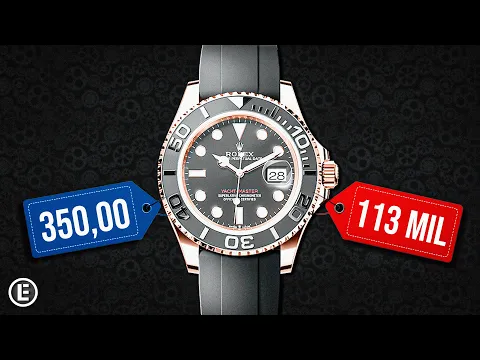

Canal Elementar also points out weaknesses. Many brands raise prices without offering real improvements.
An example cited is the Jaeger-LeCoultre Reverso, which now costs € 11,000 while maintaining the same movement and materials. This shows that the narrative of exclusivity often weighs more than innovation.
Still, models like the Rolex Daytona and the Patek Nautilus appreciate in the secondary market, sought after by collectors.
In contrast, independent microbrands challenge the giants, selling watches with Swiss or Japanese movements at more affordable prices and with a proposal for authenticity.
Is It Worth Paying R$ 1.17 Million for a Watch?
For critics, buying a watch at this value is succumbing to a game of desire manipulation. For collectors, it’s investing in an asset that can even appreciate.
In the end, it’s less about telling time and more about marking social position in a restricted group.
Canal Elementar summarizes: a million-dollar watch is not about technology, but about tradition, status, and access to an exclusive club.
The lingering question is whether the symbol of prestige justifies the discrepancy between price and real cost.
The luxury market continues to grow, even with criticism of its exclusivity logic.
The R$ 1.17 million watch illustrates how marketing and scarcity weigh more than materials or engineering.
And you, do you believe it’s worth paying for a million-dollar watch as a status symbol, or do you consider it an exaggeration given the difference between real cost and final price?
Leave your opinion in the comments — we want to hear from those who live or follow this market.







-

Uma pessoa reagiu a isso.