





 Portuguese
  English
  Spanish
  3 min of reading
  0 comments


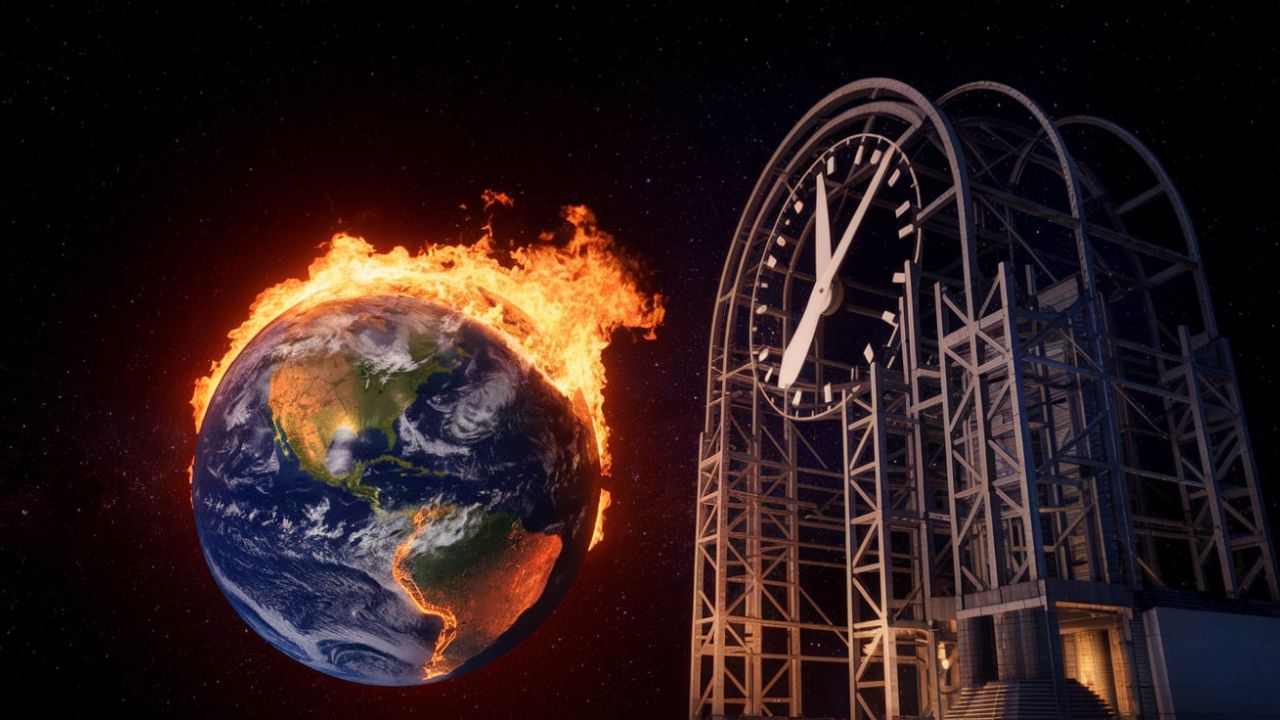
With the Doomsday Clock Marking the Least Amount of Time Ever Recorded, Scientists Warn That Humanity Is “Perilously Close to the Precipice” Due to Wars, Climate Change, and the Rising Risk of a Nuclear Disaster.
Have you heard of the Doomsday Clock? It is more than just a symbolic clock — it is a grim reminder of how close we are to global destruction. And now, it is marking 89 seconds to midnight, the closest we’ve ever been to catastrophe. Doesn’t that sound scary?
But how did we get here? What does this mean for the future of humanity? Let’s explore this alarming scenario and understand what we can do to prevent the “end of times.”
What Is the Doomsday Clock?
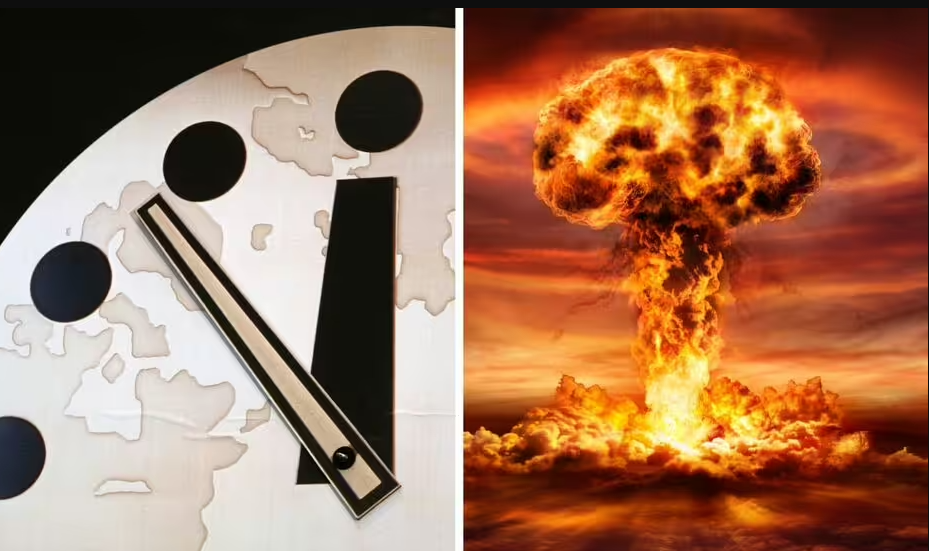
Created in 1947 by the Bulletin of the Atomic Scientists, the Doomsday Clock was a creative — and somewhat frightening — way to show how close we are to destroying the world with our own hands. Initially, the focus was on nuclear weapons, but over the decades, issues like climate change and global conflicts have been taken into account.
-
China accelerates global science and may surpass the United States in 2 years with increased public investment, continuous growth, and direct impact on the global technological competition.

-
Scientific studies indicate that drought may be strengthening a much greater silent threat: more resistant superbugs.
-
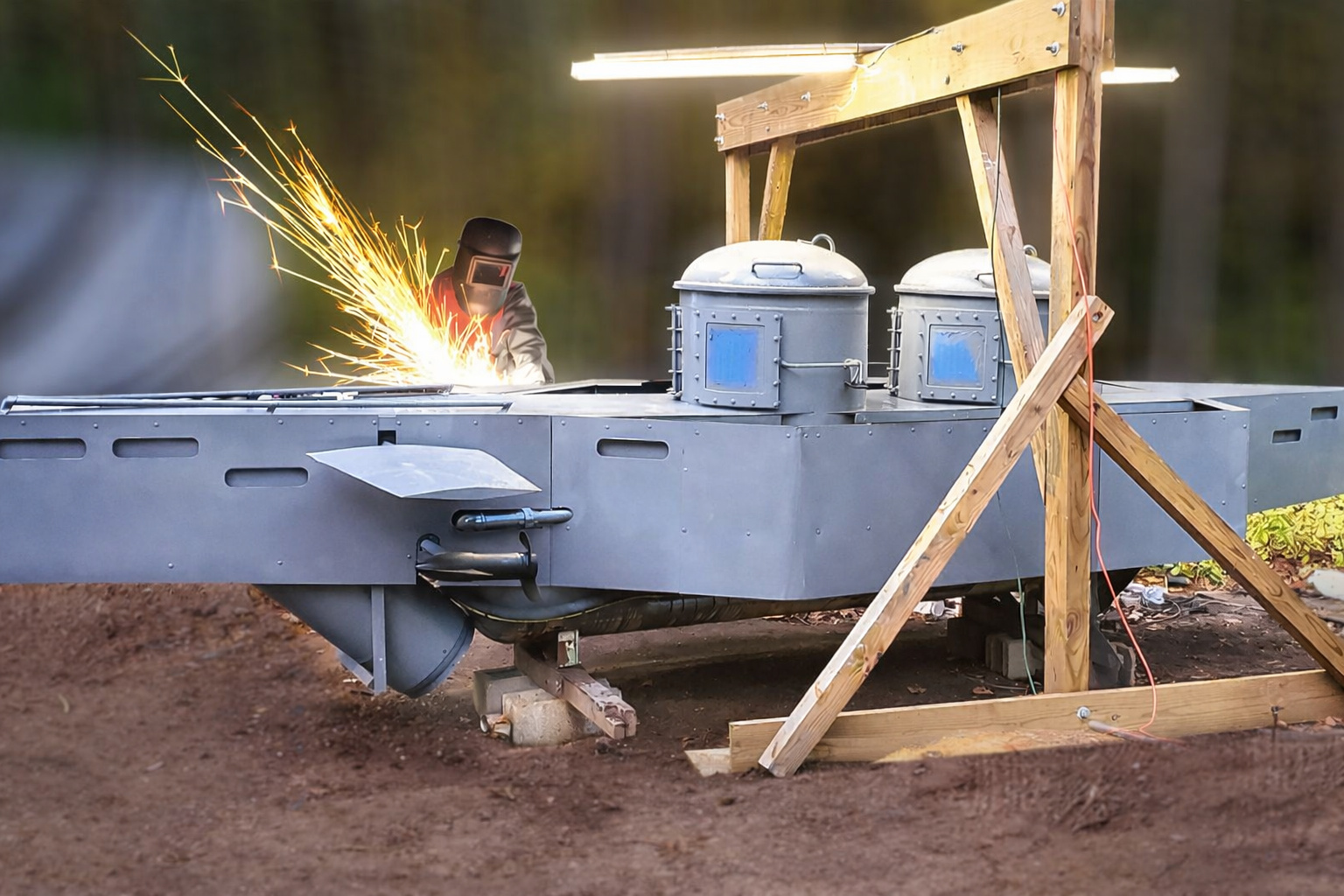
Man builds functional 5-meter submarine in his garage using gas cylinders, PVC pipes, and a refrigerator motor, and navigates with the vessel on a lake in Colombia.
-
Millions of people have been eating yam for centuries without knowing that this humble tuber contains a compound called diosgenin, which scientists have now discovered can improve memory and help control blood sugar levels.


The clock serves as a powerful metaphor: midnight represents Armageddon, and the minutes leading up to it indicate how close we are to disaster. In 2023, the clock was already marking 90 seconds to midnight, but the lack of progress on crucial issues moved the hands forward by another second.
Why Are We So Close to Midnight?
The reasons for the advancement of the Doomsday Clock are numerous, but some stand out:
The war between Russia and Ukraine, combined with rising nuclear threats, keeps the world on constant alert. The risk of nuclear war is more palpable than ever.
The consequences of human actions on the environment also weigh on the scientists’ decision. Hurricanes, droughts, and environmental disasters show that the planet is at its limit.
With countries abandoning agreements like the Treaty on the Prohibition of Nuclear Weapons Testing, the situation becomes even more unstable.
Each of these factors is like a gear that accelerates the clock’s hands.
The Impact of the Advancement of the Doomsday Clock
Have you ever stopped to think about what this advancement means for us? It is not just a warning for scientists; it is a signal for all inhabitants of the planet. Daniel Holz, chair of the Science and Security Board of the Bulletin, called this a “wake-up call.”
The advancement of the clock reflects the growing inability of nations to cooperate to solve global problems. Moreover, it creates a sense of urgency, forcing governments and societies to think about how to change this scenario.
The Role of the USA, China, and Russia
Three powers dominate the stage in this troubling scenario: the USA, China, and Russia. These countries, which possess gigantic nuclear arsenals, have contributed to global tension.
- Russia: With the suspension of nuclear treaties, Russia increases the risks of weapons proliferation.
- China: The rapid growth of the Chinese nuclear arsenal also raises concerns.
- USA: Adopting more aggressive stances, the USA has reinforced the idea that “limited” nuclear weapons may be used. This mindset, according to experts, is dangerous and misguided.






-

-

-

4 pessoas reagiram a isso.