





 English
  Francês
  Alemão
  Italiano
  Japonês
  Norueguês
  Portuguese
  Spanish
  3 min of reading
  0 comments


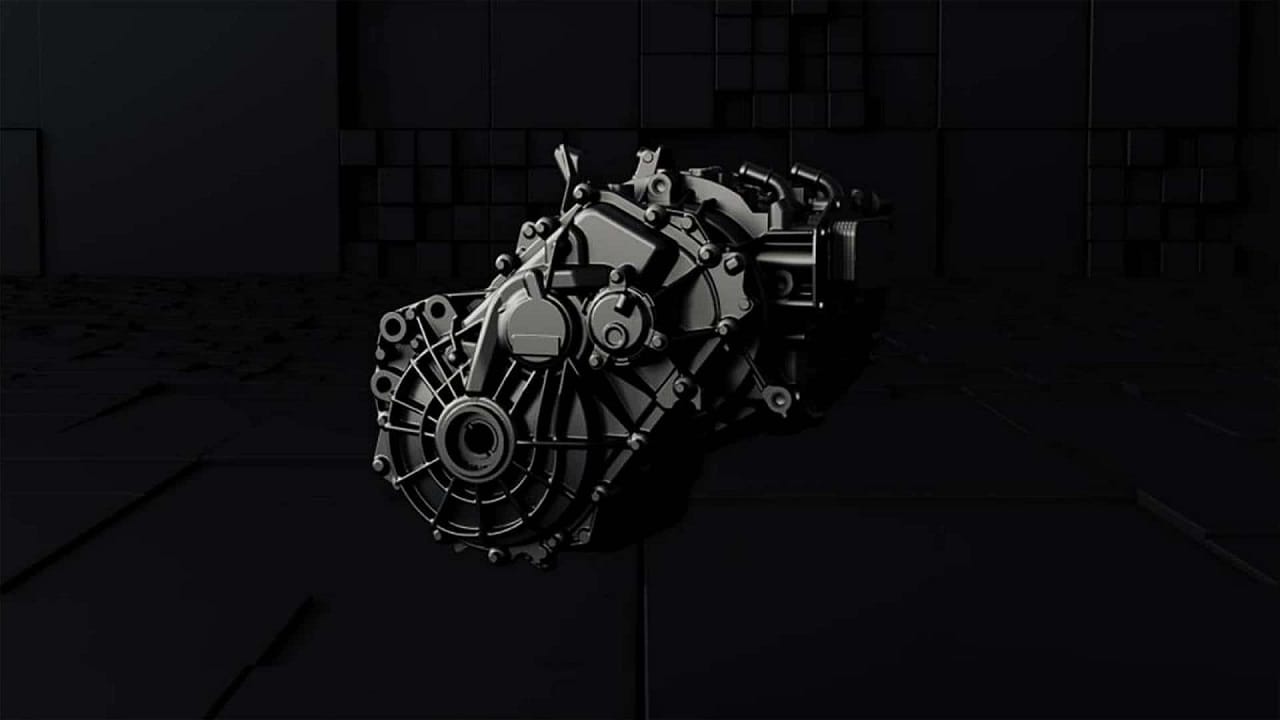
Renault Promises To Transform The Automotive Sector With Its Innovative Electric Motor That Eliminates The Need For Rare Materials Exclusive To China.
With an impressive advance in automotive engineering, Renault is ready to redefine industry standards with its new electric motor, promising not only superior performance and weight reduction but also an eco-conscious innovation. Completely eliminating the need for rare earths, materials whose extraction has been associated with questionable environmental and social practices, this electric motor positions itself not just as a more powerful option but also as a sustainable and ethical alternative.
By breaking away from the reliance on materials exclusive to China, Renault stands out in the race for innovation, showing that it is possible to reach new levels of efficiency and performance without compromising environmental and social principles.
This is a giant step for the automotive industry and a clear sign that the future of electric vehicles is bright, powerful, and responsible. Get ready to be surprised by an engine that promises to elevate the driving experience to a whole new level.
-
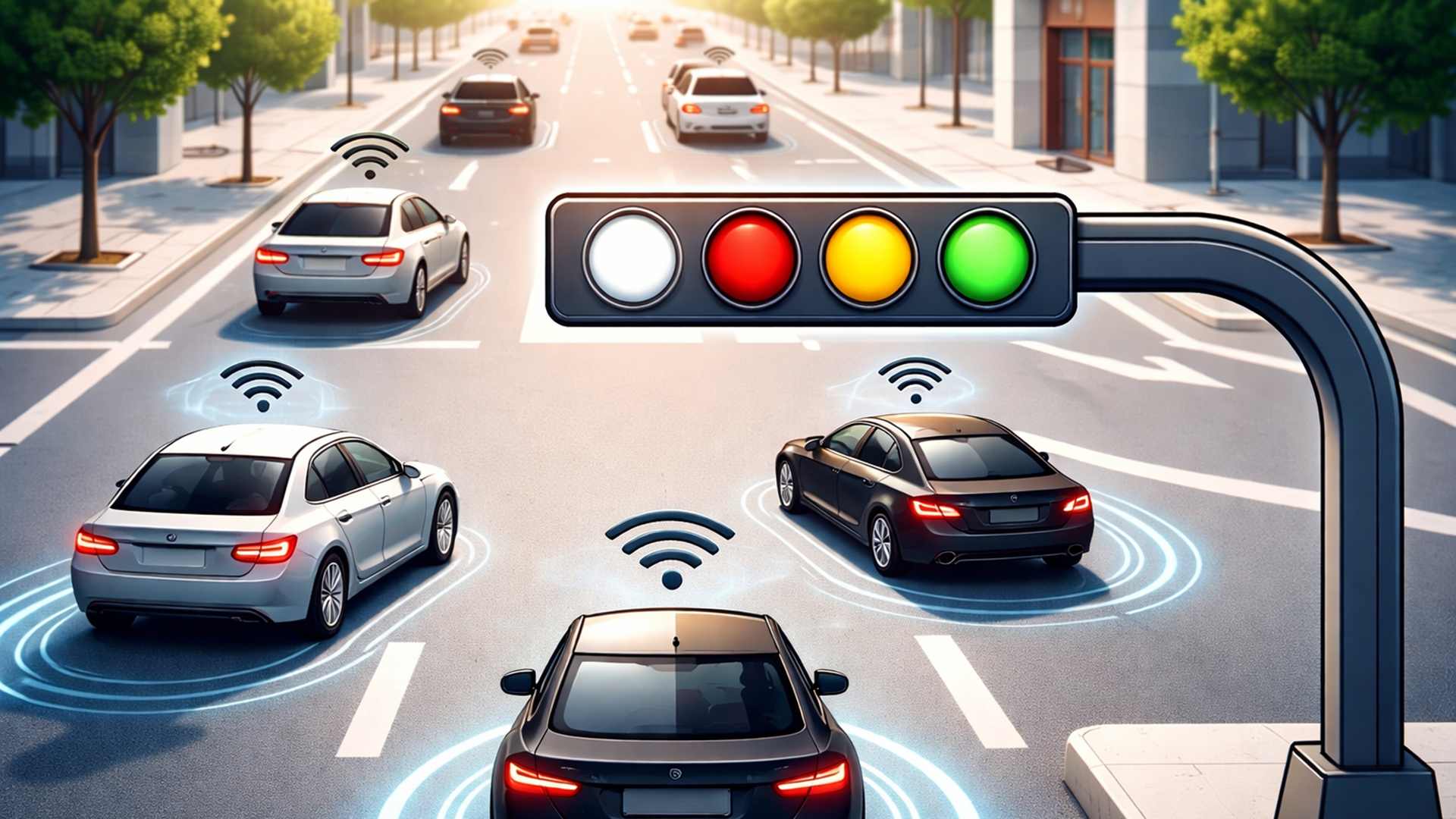
Engineers propose a fourth traffic light for intersections – the change promises to affect crossings, queues, and waiting times.
-
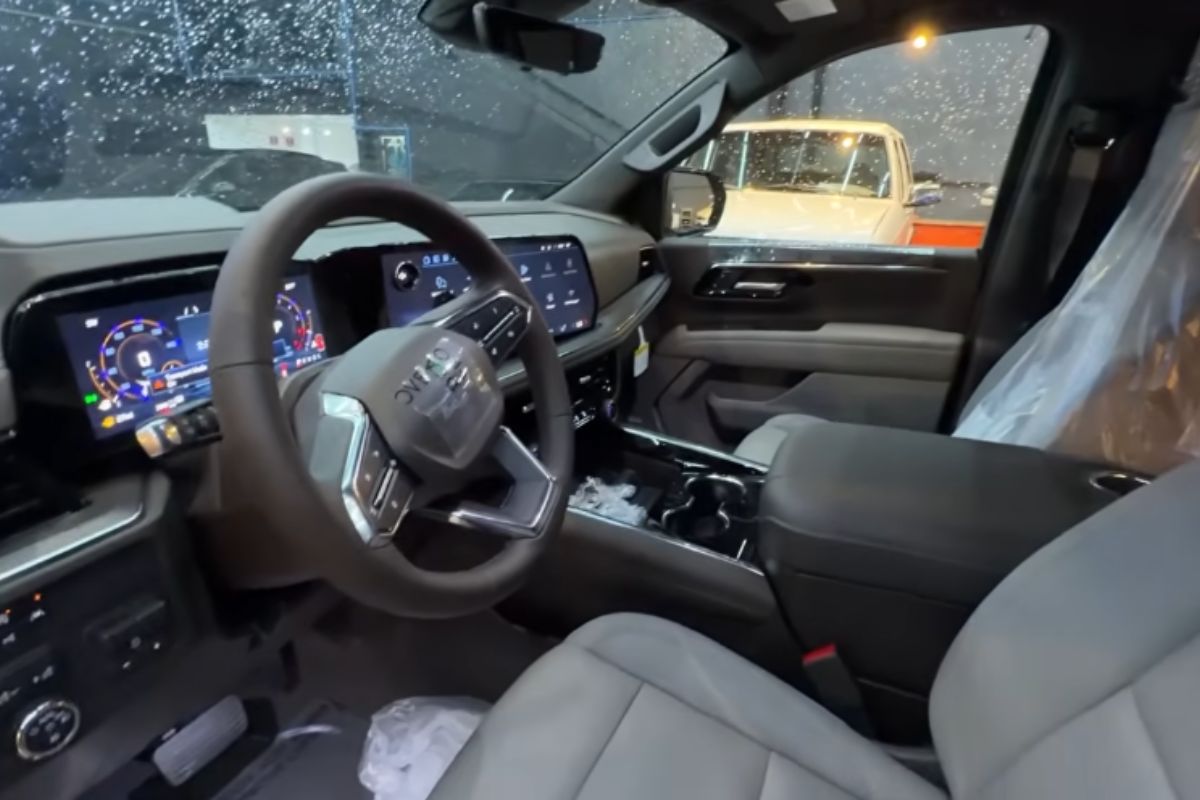
Chevrolet Suburban Z71 lands in Brazil with a V8 engine, off-road design, air suspension, seven seats, and colossal size, a rare version imported for around R$ 1.3 million with luxury and exclusivity.
-
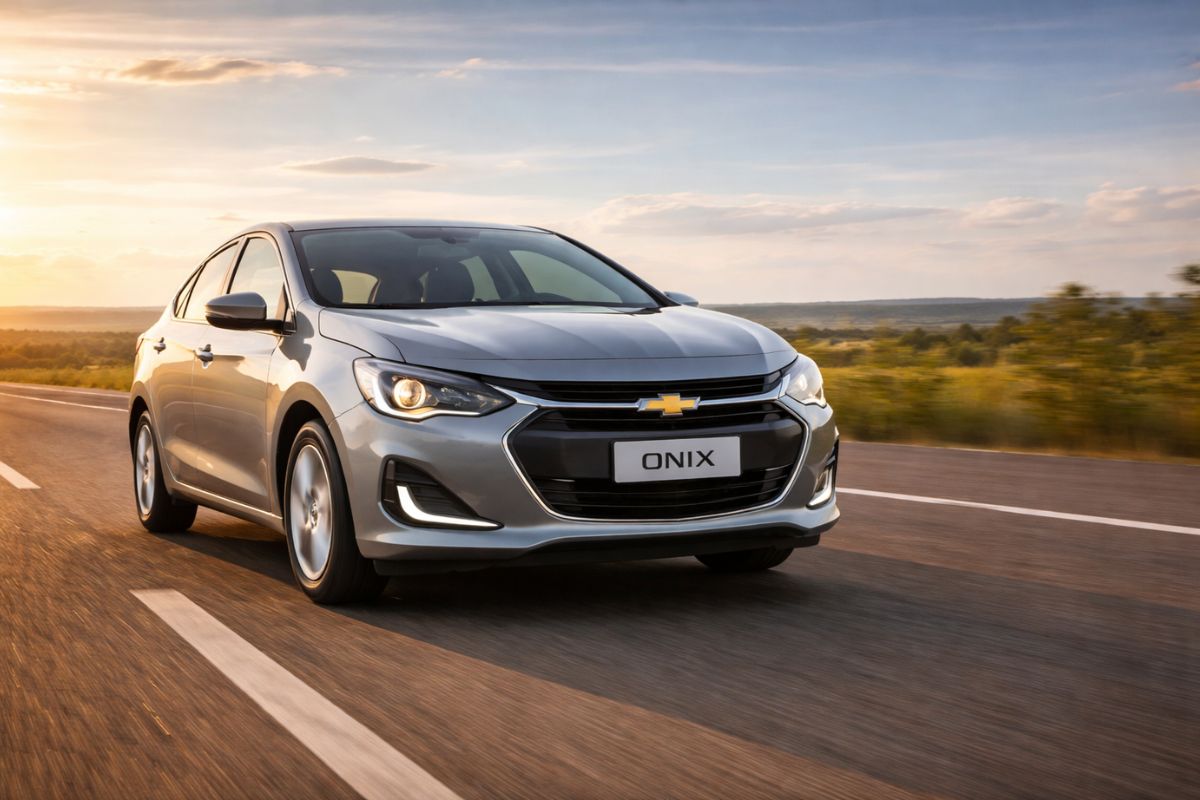
The Chevrolet Onix 1.0 turbo achieves 17.7 km per liter on the highway and ranks among the three most economical cars in Brazil in 2026, alongside two more expensive Toyota hybrids available at dealerships.
-
Little sister of the Hilux: Toyota launches Land Cruiser FJ with 4 radical versions, 2.7 engine with 166 hp and 4×4 traction with locking.

Renault Develops New Electric Motor That Does Not Need Rare Metals
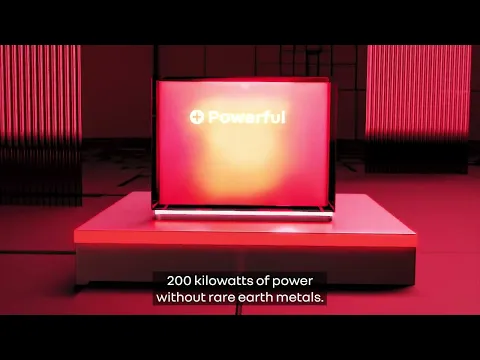

Thus, although everything indicates that we will have to rely on the Asian giant for this, many companies are focused on developing a new electric motor without rare earths to reduce costs and overall CO2 emissions.
Among the automakers leading the revolution is Renault, which 18 months after announcing its collaboration with Valeo, presented the first details of its E7A synchronous electric excitation motor, free of rare earths.
Renault specializes in synchronous motors with electric excitation, having made its debut in the ZOE in 2012. More than 10 years of experience were used to develop the new unit, an all-in-one type, as mentioned, free of rare earths.
According to data released by the company, Renault and Valeo’s new motor is 30% smaller, with the same power, compared to current electric motors that power models like the Megane E-Tech electric and the Scenic E-Tech electric.
The carbon footprint is 30% smaller. By using a wound rotor instead of permanent magnets, the automaker improves the efficiency of the new electric motor, protects its supply chain, and avoids reliance on rare earth and magnet-producing countries.
New Motor From Renault Delivers 272 Horsepower
According to official figures, the new E7A electric motor without rare earths will also help reduce the charging time of the battery, as the system will be 800 volts, and the Valeo stator will increase power and efficiency. In fact, in its higher version, it will reach 200 kW, equivalent to 272 horsepower, without weighing much on the range. The new electric motor E7A unit is currently being tested; however, Renault plans to start mass production at the Cléon factory (France) in 2027.
In addition to Renault, with its new electric motor without rare earths, ZF is developing an electric motor ready for mass production that does not require magnets.
In contrast to the magnet-free concepts of the so-called externally excited electric motors already available today, ZF’s I2SM transmits energy to the magnetic field via an inductive exciter within the rotor shaft. According to the company, this makes the motor exclusively compact with maximum power.
The New Electric Motor Without Magnets
According to the manufacturer, this more advanced variant of an externally excited synchronous motor is an alternative to the so-called permanent magnet synchronous machines (PSM).
The latter are currently the most used motors in electric vehicles; however, they are based on magnets that require rare earths for production. With the I2SM, ZF aims to make electric motors extremely sustainable in production and highly powerful in operation.
According to Dr. Holger Klein, CEO of ZF, with this magnet-free electric motor and free of rare earths, there is a great innovation with which it is consistently reducing its electric drive portfolio to achieve sustainable, efficient, and resource-saving mobility.








Seja o primeiro a reagir!