





 Portuguese
  English
  Spanish
  3 min of reading
  0 comments



Model Promises to Strengthen Renault’s Presence Among Mid-Sized SUVs in Brazil.
Renault has officially announced the name of its new national SUV: Renault Boreal. With production scheduled to begin in 2025, at the plant in São José dos Pinhais (PR), the model arrives in the market to compete in the mid-sized SUV segment, betting on a robust design, turbo engine, and advanced technology.
New Renault SUV Bets on Robust Design and Modular Platform
The new Renault Boreal will be built on the RGMP modular platform, the same one that underpins the Kardian, as confirmed by the automaker in an interview with Autoesporte. The SUV will have a solid look, inspired by the Dacia Bigster, but adapted to Renault’s style, focusing on straight and robust lines, meaning no coupe-like design that has been speculated.
At the front, the Boreal is expected to feature a striking grille, with stylish LED lights, following the design line of the brand’s latest global launches. The idea is to show strength and modernity right from the start, reinforcing Renault’s identity for the coming years.
-
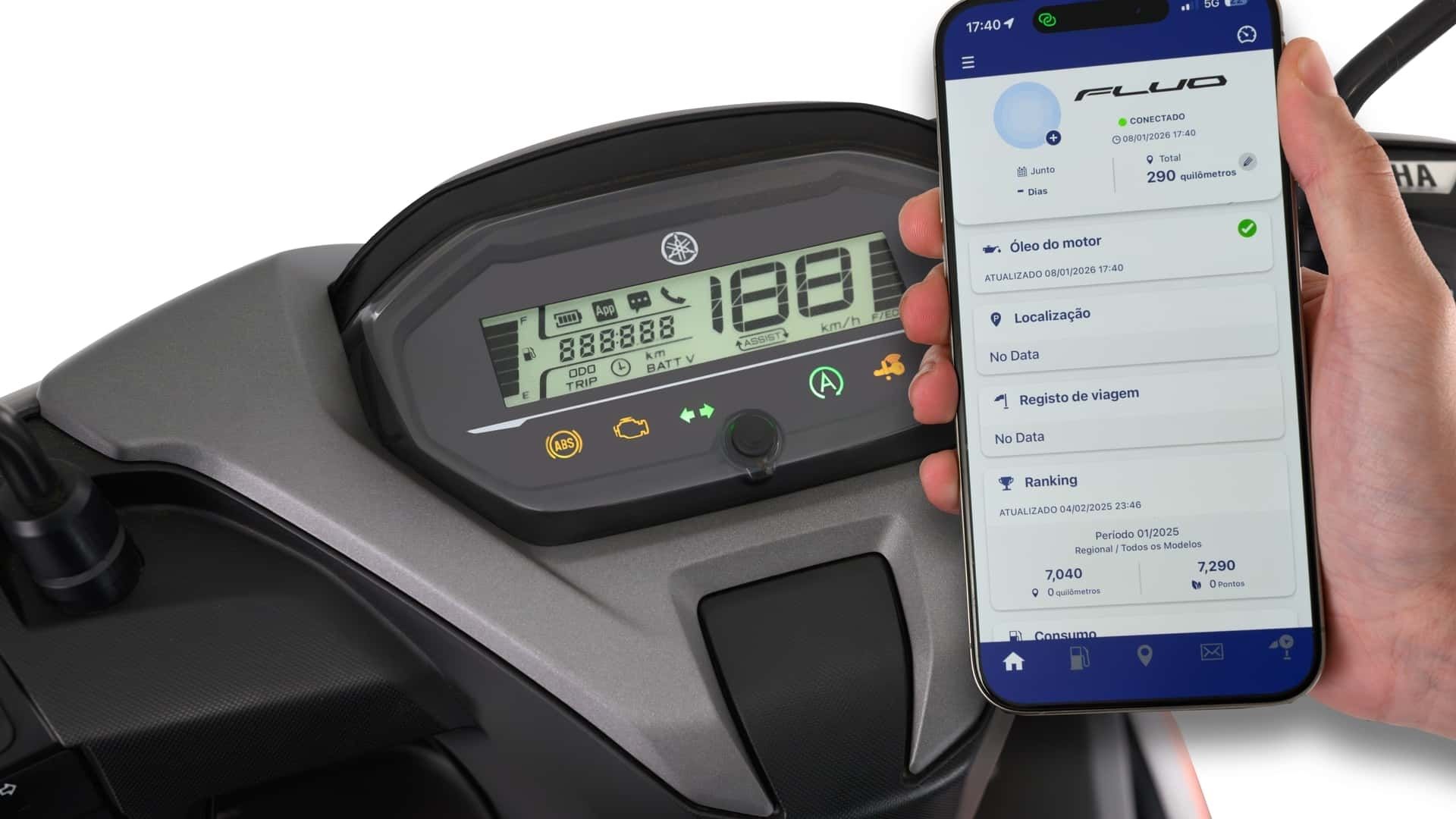
Costing R$ 16,000, the new Yamaha features a 125 cc hybrid engine with electric assistance, delivers 8.3 hp, includes ABS, optimized fuel consumption, Y-Connect connectivity, 25 liters of storage space, and a surprising 4-year warranty in the urban segment.
-
OMODA & JAECOO grows in Europe in 2026 with an integrated strategy of sales, innovation, local production, and technological advancement in the United Kingdom, Italy, and Spain.

-
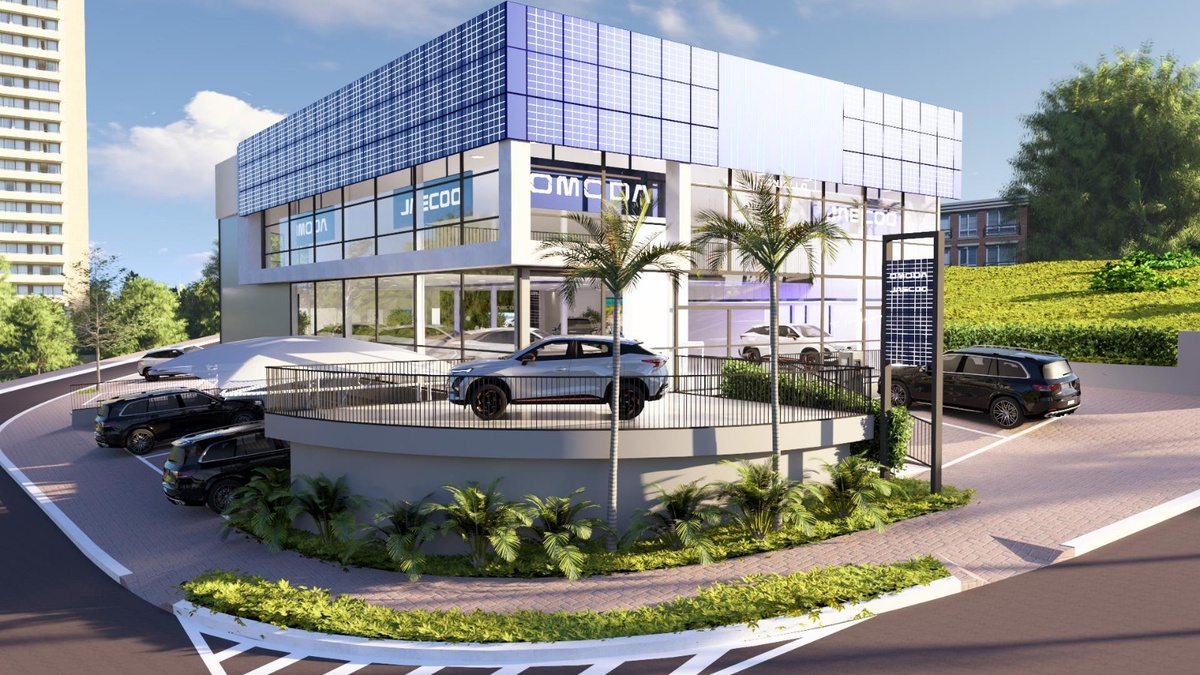
OMODA & JAECOO expands after-sales service in Brazil with competitive maintenance, a 7-year warranty, and high availability of parts for technological SUVs.
-
OMODA & JAECOO appoints Alessandra Souza as executive marketing director in Brazil and accelerates brand expansion with a focus on innovation, networking, and hybrid portfolio.


SUV Engine Combines Power and Efficiency

Under the hood, the Renault Boreal will come with a 1.3 TCe turbo engine producing 163 horsepower, already known in Brazil from the Duster. The transmission is expected to be automatic, with an option between CVT or six-speed dual-clutch EDC, as found by Autoesporte. In addition, there are plans for mild hybrid versions, using a 48V system to reduce consumption and improve performance.
According to sources linked to Renault, there is still the possibility of launching a configuration with all-wheel drive, targeting competitors like the Jeep Compass 4×4. A smart move, right? Because a real SUV needs to handle more than just smooth asphalt.
Interior of the New SUV Promises High Level of Technology and Comfort
Although Renault has not officially shown the interior of the Boreal, the expectation is that it will be well equipped. The bet is on a large multimedia center, compatible with Android Auto and Apple CarPlay, in addition to a digital instrument panel.
To not fall behind competitors, the interior finish is also expected to step up: soft materials, leather details, and even ambient lighting are on the radar. Sources like Autoesporte indicate that the SUV will offer a complete package of driving assistance, including autonomous braking, lane departure warning, and adaptive cruise control.
Renault Boreal Reinforces the Brand’s Strategy for SUVs in Brazil
With a launch scheduled for 2026 and confirmed national production, the Renault Boreal is more than just a new car: it is part of an expansion plan that also aims at exports to countries like Turkey and Morocco.
With this, Renault wants to compete directly in the mid-sized SUV segment, currently dominated by models like Toyota Corolla Cross, Jeep Compass, and Volkswagen Taos. A competitive market where innovation, strength, and trust are what really count, and the Boreal arrives promising to play the game for real.






Seja o primeiro a reagir!