





 Portuguese
  English
  Spanish
  5 min of reading
  0 comments


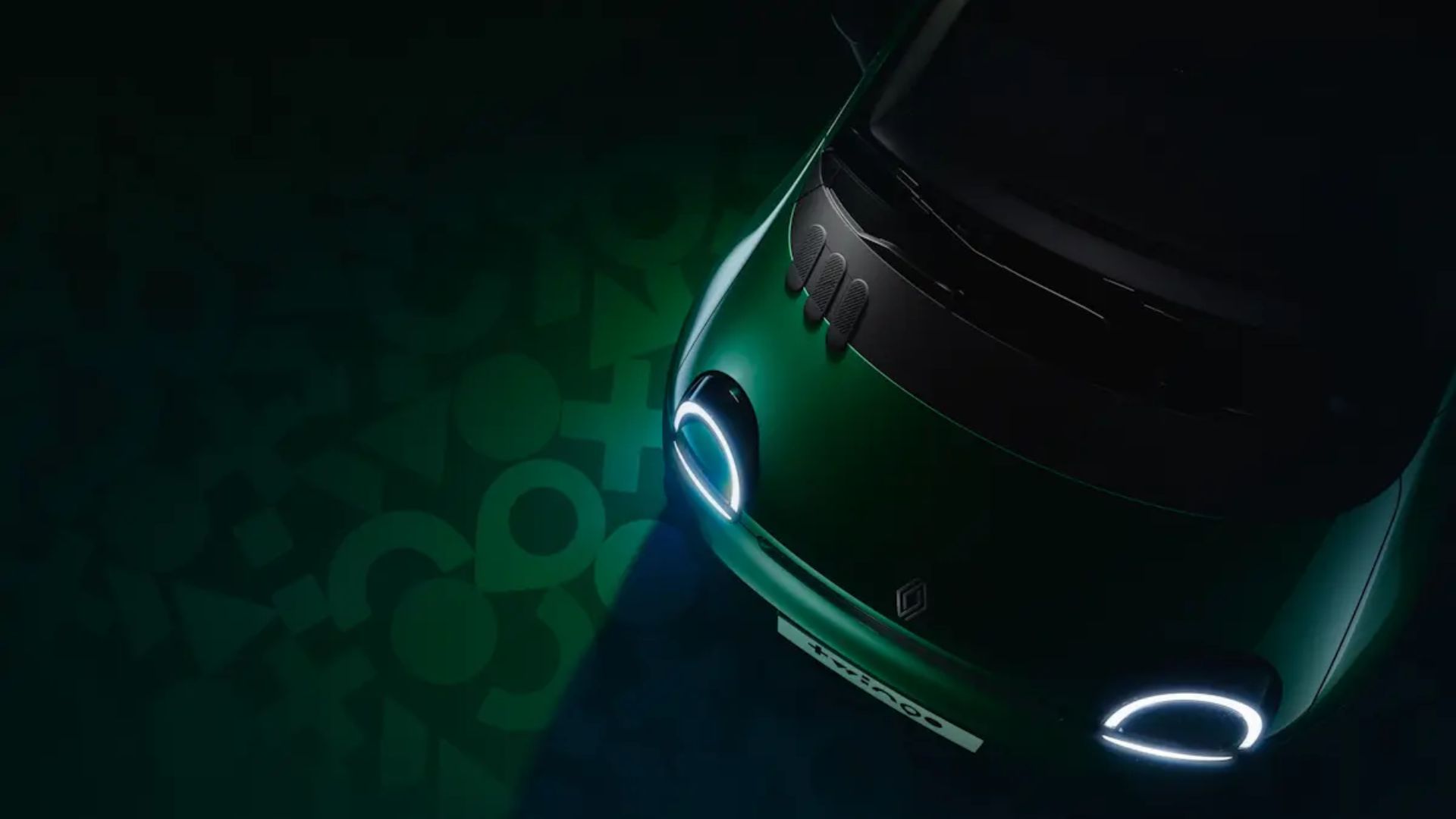
The Classic Renault Twingo Will Return as an Electric Version, with Retro Design and Urban Focus, Betting on Technology and Efficiency to Compete with the BYD Dolphin Mini in the Crowded European Market for Electric Compact Hatches.
The Twingo, one of the most recognized hatches from Renault, will return to the market in a new fully electric generation, with a design inspired by the original from the 1990s and an entry price proposal.
The strategy directly targets the advancement of the BYD Dolphin Mini in the European segment.
Unveiled as a concept in November 2024, the project is on track for its official debut a year later, with the brand itself teasing images that indicate fidelity to the prototype.
-
OMODA & JAECOO grows in Europe in 2026 with an integrated strategy of sales, innovation, local production, and technological advancement in the United Kingdom, Italy, and Spain.
-
OMODA & JAECOO expands after-sales service in Brazil with competitive maintenance, a 7-year warranty, and high availability of parts for technological SUVs.
-
OMODA & JAECOO appoints Alessandra Souza as executive marketing director in Brazil and accelerates brand expansion with a focus on innovation, networking, and hybrid portfolio.

-
Jaecoo 7 with super hybrid SHS system exceeds 1,200 km of combined range with a 1.5 turbo engine, high-density battery, and intelligent energy management.

Retro Design with a Modern Touch
The visual reading of the teasers confirms the bet on reviving iconic elements.
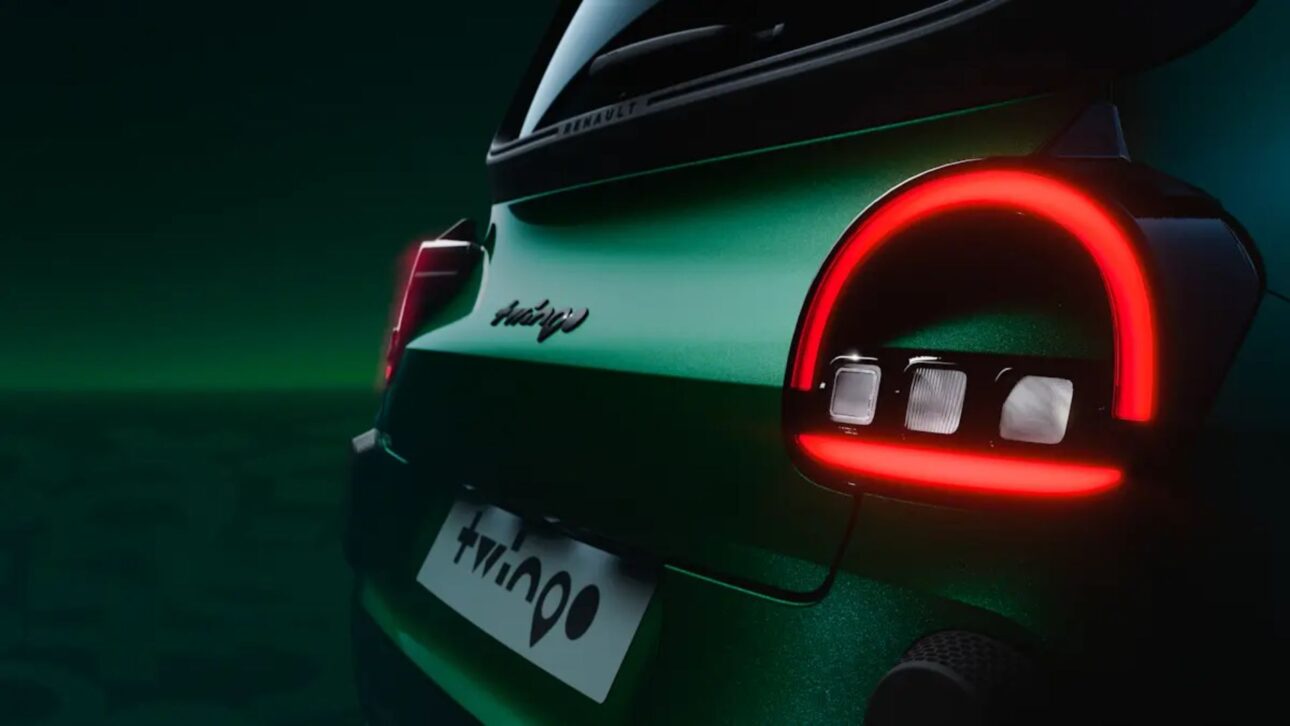
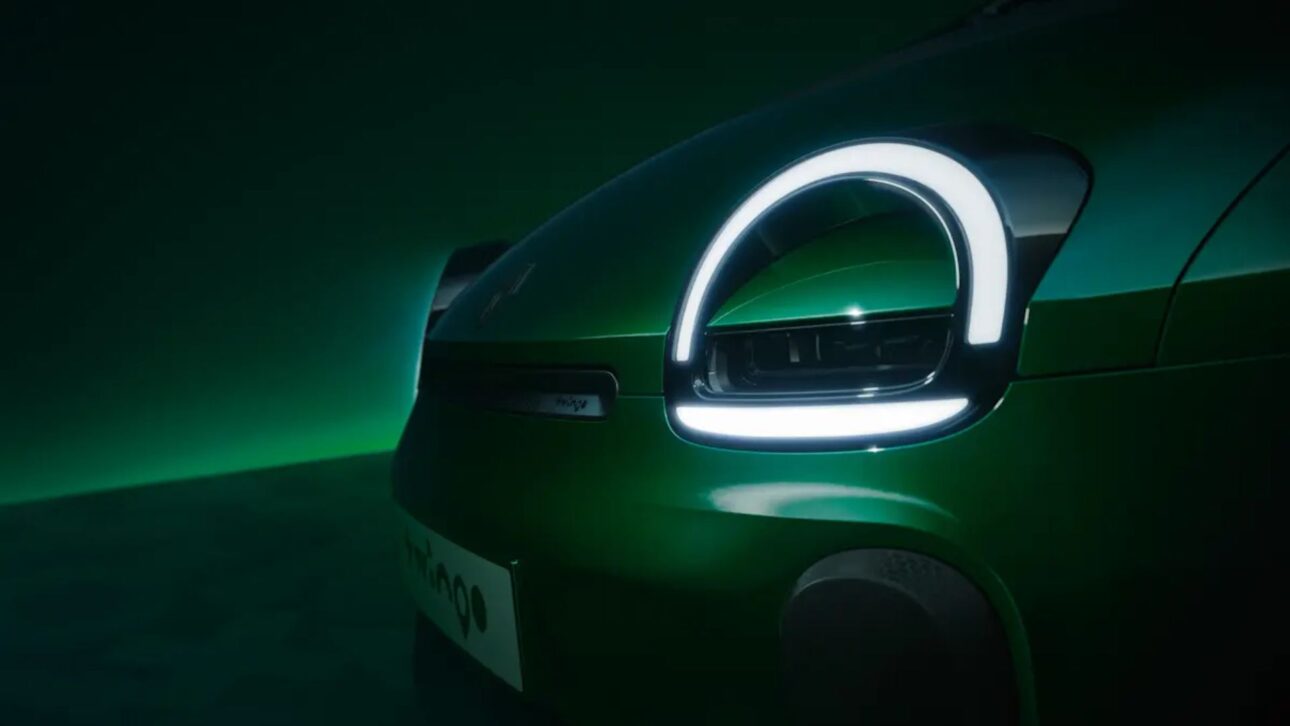
Headlights and taillights reproduce a LED arc that evokes the “face” of the first Twingo.
At the front, the main lighting is concentrated in a lower LED bar; at the rear, three white dots take on the roles of reverse light and turn signal.
The shade of green presented in the concept also reappears, reinforcing the connection with the initial study.
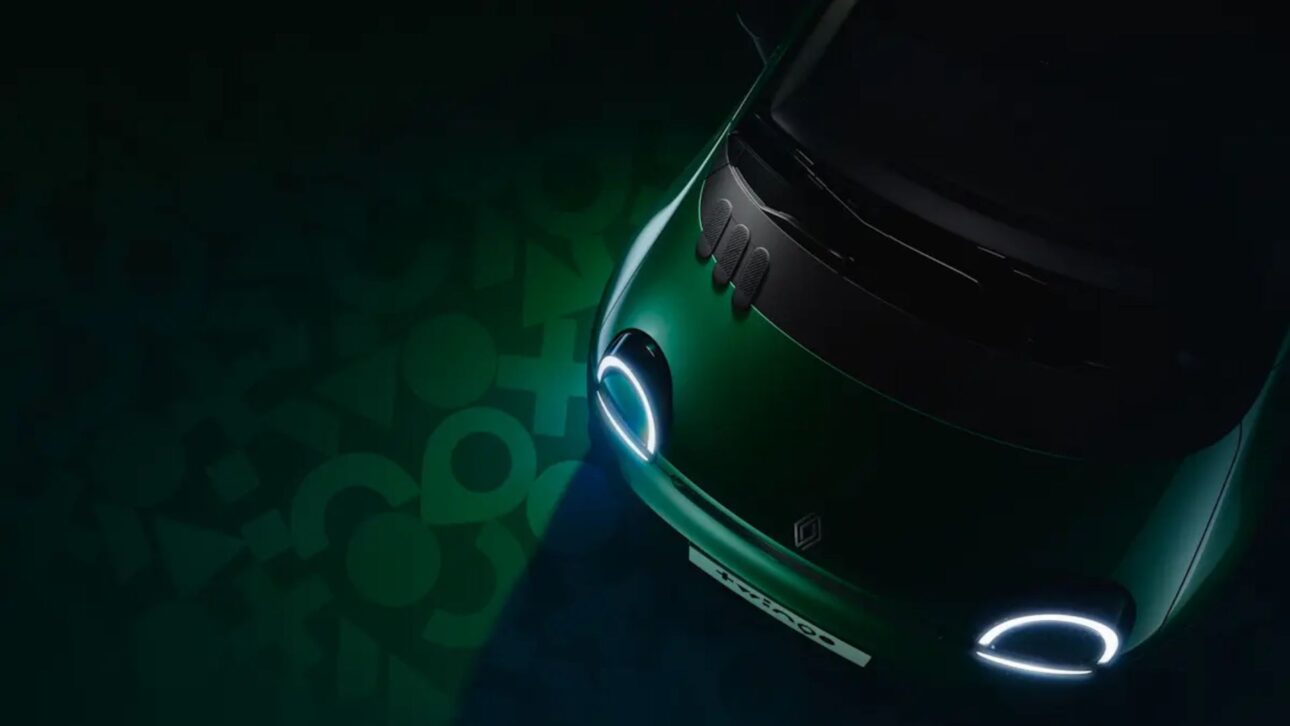
In addition to the luminous graphics, the overall shape preserves proportions that marked the model in the 1990s.
The front maintains a “smiling” expression, the hood follows the angle of the windshield, and the rear window is highlighted.
The new generation, however, abandons the classic two-door arrangement and adopts four doors, a change that enhances access to the rear seat and aligns with current demands for practicality.
Another detail that stands out is the solution for the old air intake cutout on the hood.
Instead of the functional part from combustion versions, the teasers suggest a battery display.
The piece, integrated into the hood, would serve as a window for information about the electrical system, contributing to the narrative of modernizing an icon without breaking with the original spirit.
Debut and Positioning in the European Market
Renault positions the new Twingo as an entry-level electric, aimed at urban commuting and customers sensitive to acquisition and operating costs.
The stated goal is to curb the dominance of affordable electric compact hatches, a category in which the Dolphin Mini has gained traction.
In terms of timeline, the brand had already indicated that the official presentation would occur about a year after the concept, with technical announcements scheduled for November 6.
Until then, the previews released indicate that the final model will maintain the lines, proportions, and color language of the study.
Interior and Embedded Technology
The manufacturer has not officially detailed the cabin.
In the concept, there appeared a digital instrument panel and a floating multimedia center, elements that usually migrate with few changes when a project is close to the assembly line.
There is an expectation that simple and well-highlighted physical controls will be maintained for frequently used functions.
There was also speculation about adopting air controls inspired by the Kardian, a solution that would facilitate parts standardization; however, confirmation will depend on the official launch material.
Mechanics and Performance
Power data, battery capacity, range, and fast charging remain under embargo.
Renault has reserved these numbers for the technical presentation, scheduled for November 6.
In preliminary notes, the brand limits itself to reinforcing the urban focus and the proposal for competitive pricing.
Speculations about potential component sharing with other electric models in the E-Tech range exist, but there is no official confirmation at this time.
Communication remains in the realm of the concept and teasers, with no homologations disclosed.
Connectivity and User Experience
Even without technical sheets, the product direction suggests integration with connected services, software updates, and apps for managing charging and thermal pre-conditioning.
In recent projects, Renault has prioritized direct interfaces, voice commands, and optimized routes based on the availability of charging points, features that make sense in the urban proposal of the electric Twingo.
Still, only the official presentation will clarify standards for connectivity, mirroring, and driver assistance packages.
Differences Compared to the Original Twingo
The new Twingo retains its personality but advances in essential points for a current electric vehicle.
The four doors respond to a practical demand that did not exist when the model was launched in the 1990s.
The retro LED signature reconnects the audience to the emotional memory of the car, while solutions like the battery display seek to transform the electric system into a visible part of the design language.
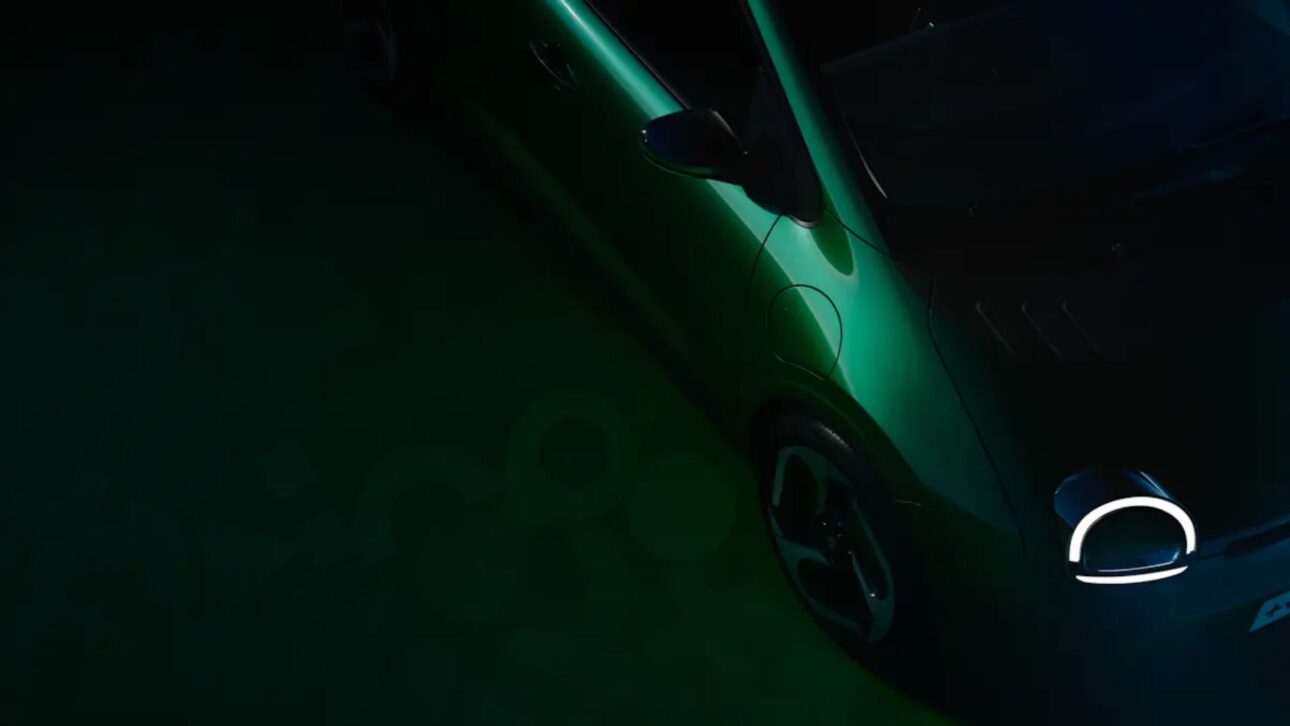
The set of elements indicates a product designed to communicate efficiency and simplicity, without resorting to overly aggressive or futuristic shapes.
Competitive Context and Market Strategy
In the European landscape, the compact electric segment has been gaining a diversity of offers, and the pressure for lower prices is constant.
By repositioning a well-known name with a strong visual package and rational proposal, Renault aims to attract consumers who value brand identity and predictable total cost of ownership.
The Twingo, with compact dimensions, tends to appeal to those looking for a second car for the city or a first transitional electric, a space currently occupied by rivals that have accelerated in retail.
Possible Arrival in Brazil
The company has not confirmed sales in Brazil. The decision depends on factors such as exchange parity, incentives, logistics for charging, and the local strategy for the E-Tech family.
In the meantime, the reading is that the electric Twingo serves a priority role in Europe, where infrastructure and regulation already sustain larger volumes in this price range and size.
The return of the Twingo in electric format, with retro LED, four doors, and a possible battery display on the hood, brings a classic back into focus with current language and urban focus.







Seja o primeiro a reagir!