





 Portuguese
  English
  Spanish
  4 min of reading
  0 comments


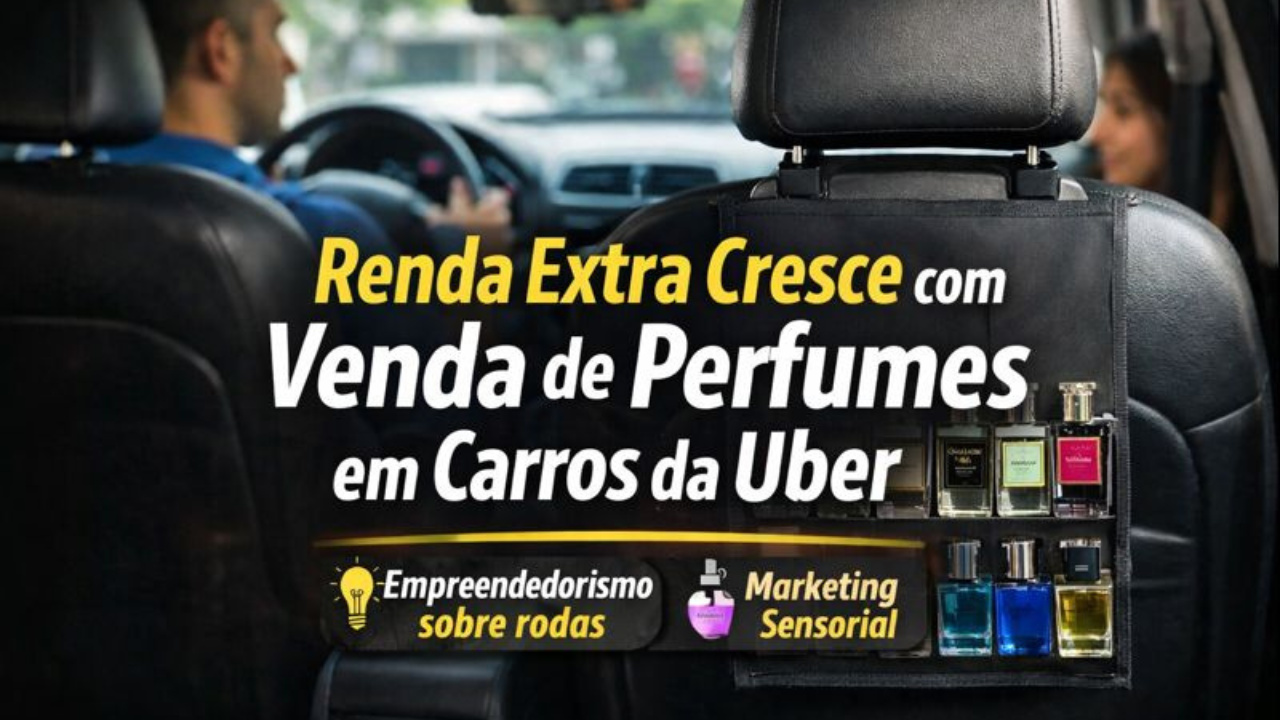
Uber Drivers Bet on Fragrance Sales and Sensory Marketing to Generate Extra Income and Strengthen Entrepreneurship on Wheels.
App drivers like UBER are transforming the inside of their cars into a new source of extra income.
What was once just transportation has now become a strategic point for fragrance sales, driven by sensory marketing, the search for convenience, and the growth of entrepreneurship on wheels.
The model has been gaining momentum in recent months, especially in large urban centers, where the fast-paced routine favors quick and emotional purchasing decisions.
-
Unemployment rises again to 5.8% at the beginning of 2026, raising alarms about the end of temporary positions and its impact on the Brazilian job market.

-
Document organization can cut invisible costs in small businesses, a simple step that prevents waste, rework, and losses in daily operations.

-
Chinese giant worth nearly R$ 4 billion that manufactures cables for electric cars, solar energy, and robotics wants to open a factory in SC.

-
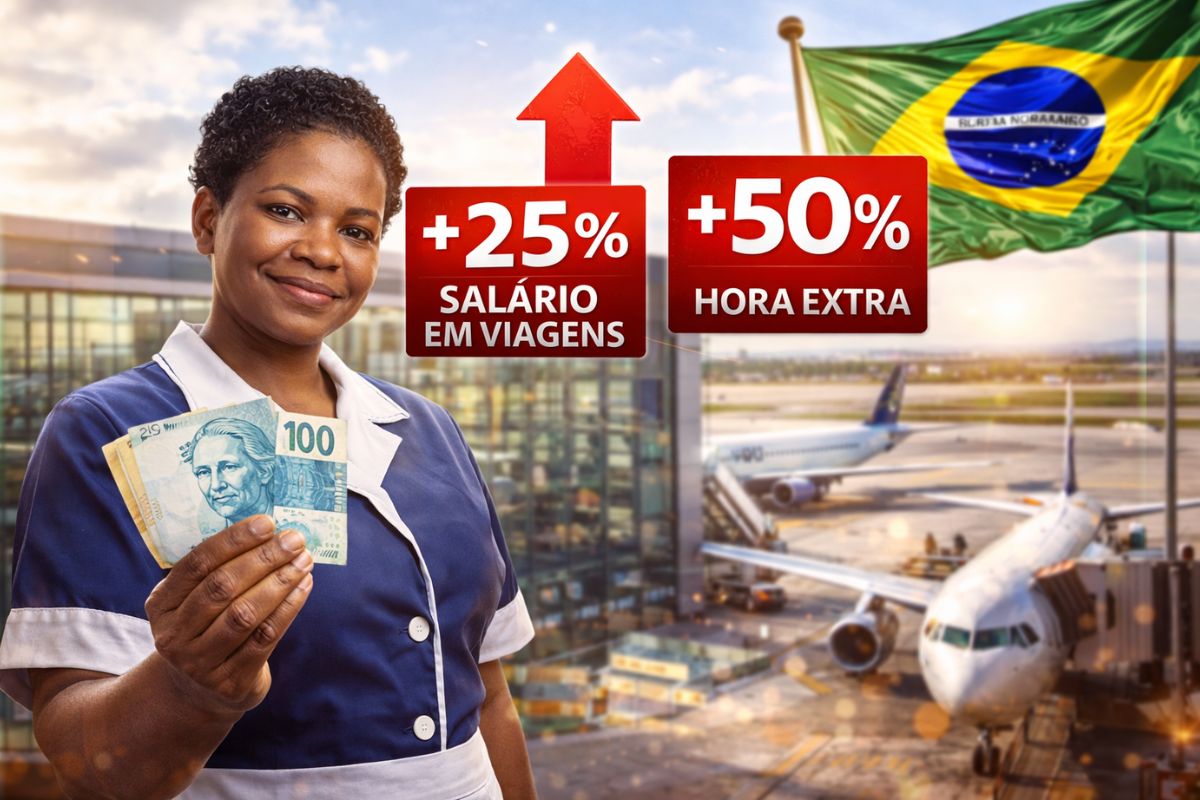
Many employers do not know, but the law guarantees domestic workers a 25% increase in salary during trips, 50% for overtime, 20% for night shifts, and 17 additional benefits that can lead to labor lawsuits if not paid.

Thus, the strategy works simply: small displays with fragrances become visible behind the passenger seat.
Meanwhile, the driver keeps the ride as a priority and offers the product discreetly, without pressure.
The result, according to reports, is a financial supplement that can account for up to 80% of the monthly income of some professionals.
Entrepreneurship on Wheels Gains Scale in Brazil
The advancement of fragrance sales within app cars is not isolated.
Specialized companies have begun providing complete kits for drivers, with fragrances, support material, and displays specifically designed for vehicles.
One example is Like Brasil, which distributes licensed perfumes and currently serves around 200 active drivers.
Entrepreneur Natalia Oliveira Braz, responsible for one of the distribution centers, explains that the kits cost between R$ 500 and R$ 3 thousand, depending on the quantity of units.
The model includes informal training and experience-sharing among drivers, mainly through WhatsApp groups.
“We maintain a group with almost 400 drivers, where they share tips and strategies,” she states. The monthly revenue of the business is around R$ 5 thousand.
Sensory Marketing Explains the Success of Fragrance Sales
According to sales and persuasion specialist Grazi Guaspari, the success of fragrance sales within UBER has a scientific basis.
“The sense of smell is the sense most linked to memory and emotion,” she explains. According to her, a pleasant aroma reduces the stress of the ride and creates a positive experience for the passenger.
Moreover, the closed environment of the car has few stimuli competing for attention.
“It’s almost a passive showcase,” Grazi defines.
When the passenger realizes that they can take that scent home, the buying cycle closes naturally, without aggressive commercial effort.
Extra Income That Changes the Work Strategy
An app driver for four years, Ibrahin Bezerra Júnior started selling perfumes six months ago, with an initial investment of R$ 300.
To increase his chances of selling, he began to prioritize short rides, raising his trips from 12 to about 30 per day.
“Sales have been growing month by month. In November, I sold 60 perfumes,” he reports. Each unit costs R$ 50, and today about 30% of his monthly income comes from this activity.
“I realized that if I don’t say anything, the person isn’t interested,” he states, highlighting the importance of a simple presentation at the start of the ride.
From Pot Cake to Fragrance Sales in the Car
Entrepreneurship on wheels also involves trial and error. Mauro Senhorini, a driver for nine years, sold pot cakes before switching to fragrances.
“I used to sell up to 20 per day, but it was a lot of work and little profit,” he says.
With an initial investment of R$ 400 in perfumes, his reality changed. Today, between 40% and 50% of his monthly income comes from fragrance sales.
Mauro developed his own approach, always observing the passenger’s interest before starting the conversation. “If the person doesn’t notice the little shop, I start with light questions and let it flow,” he explains.
When Extra Income Surpasses Uber Earnings
In some cases, extra income exceeds the revenue obtained from the app. This is the case with Bruce Elias, a driver for UBER and 99 for five years.
Having sold perfumes for 11 months, he invested R$ 600 initially and now keeps up to 80 units in the car.
Bruce sells between 90 and 110 perfumes per month, working about 20 days. This month, fragrances should account for 80% of his total revenue.
“In the last 15 days, my profit from perfumes was higher than the app’s,” he states. He also invests in post-sales through social media, further strengthening the business.
Limits, Care, and Future of the Model
Despite the potential, Grazi Guaspari warns about the limits.
Thus, sales should be discreet, optional, and never invasive. “The brain interprets the invasion of emotional space as a threat,” she says. Therefore, the ride must remain the main focus.
Still, the model shows strength.
Low-value, high-turnover, and emotionally appealing products tend to perform well in this context. “Anything that solves an immediate problem or improves well-being has potential,” the specialist summarizes.
Thus, the combination of extra income, fragrance sales, sensory marketing, and entrepreneurship on wheels is reshaping the reality of many UBER drivers, who now see each ride as more than just a simple trip.









Seja o primeiro a reagir!