





 Portuguese
  English
  Spanish
 5 min of reading
  0 comments



The Renegotiation of Rural Debts Gained New Momentum with the Provisional Measure (MP) That Releases R$12 Billion to Support Producers Affected by Climate Issues. The Initiative Provides Terms of Up to 10 Years, Lower Interest Rates, and Accessible Credit for Small, Medium, and Large Farmers
The renegotiation of rural debts has come into play with important news for farmers across the country. According to an article from the MAPA (Ministry of Agriculture, Livestock and Food Supply) portal, a Provisional Measure was published that releases an extraordinary credit of R$12 billion, bringing more peace of mind to those facing difficulties due to climate issues.
The news has stirred the agricultural sector, as many producers were awaiting a measure that could relieve the burden of accumulated debts and ensure a breathing space to continue producing.
This decision is part of a package aimed at organizing the finances of those working in agriculture and livestock, especially those who felt the effects of off-season rains, droughts, or other situations that directly affect production.
-
Peugeot and Citroën factory in Argentina cuts production by half and opens a layoff program for more than 2,000 employees after Brazil drastically harmed purchases of Argentine vehicles.

-
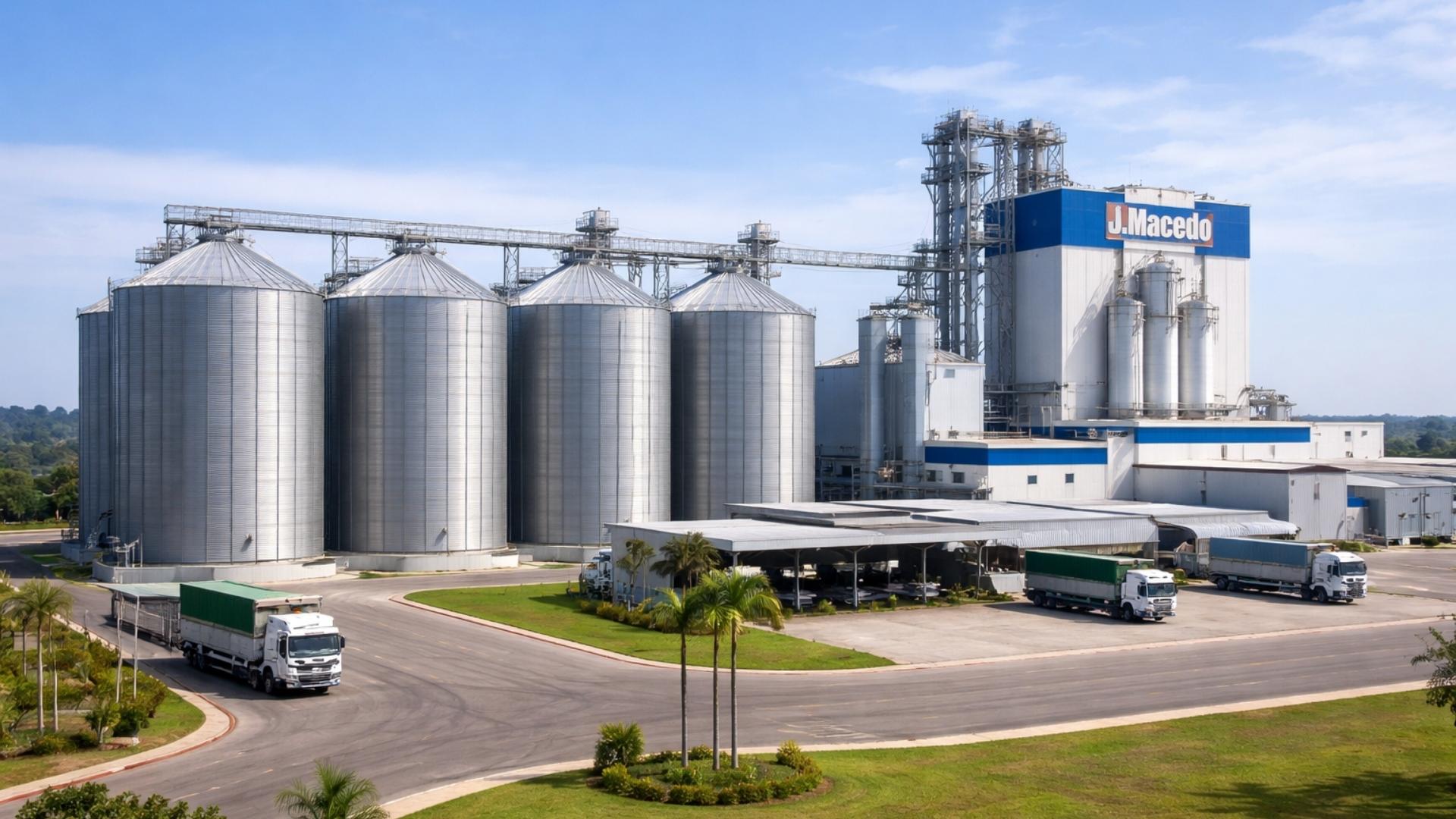
A Brazilian city gains a factory worth R$ 300 million with the capacity to process 200 thousand tons of wheat per year, a mill of 660 tons per day, silos for 42 thousand tons, and an industrial area of 276 thousand m².
-
Havan will leave the shopping mall in Blumenau to inaugurate something the chain has never done before: a megastore in half-timbered style in the Historic Center of the city, which is expected to be ready in May and change the landscape of local retail.

-
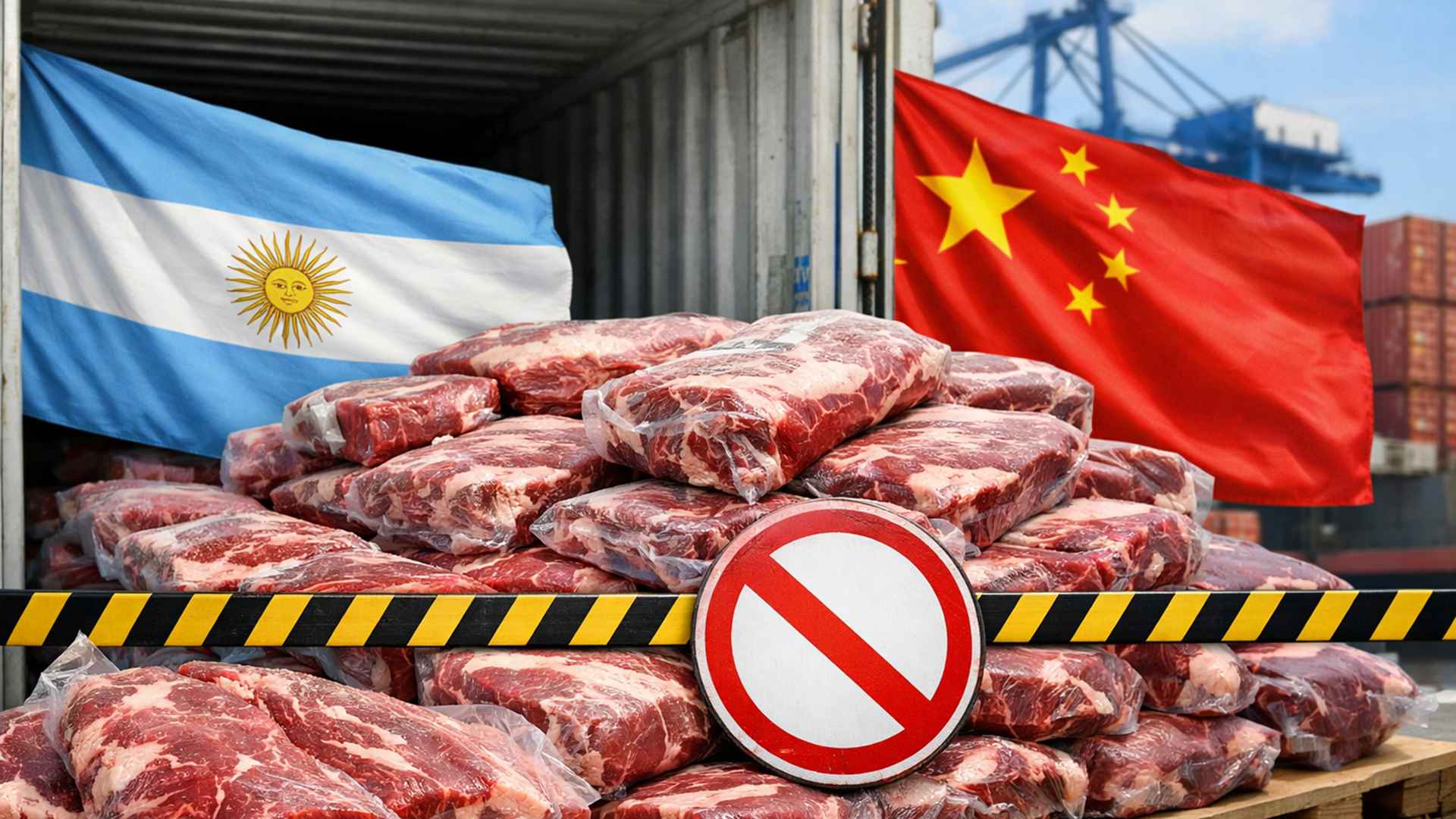
China banned the export of 22 tons of meat from Argentina.

The credit has been designed to make payments more viable, with lower interest rates and extended terms, allowing producers to plan for the future without as much pressure.
The official announcement took place in the Official Federal Gazette, providing details on values, terms, and conditions.
The financial support will be transferred to public and private banks, as well as credit cooperatives, all with the support of BNDES. The expectation is that the impact will be significant, especially for small and medium farmers.
What Changes with the Provisional Measure
The renegotiation of rural debts has taken on clearer outlines with Provisional Measure No. 1,316, published on September 17, 2025.
The document provides for an extraordinary credit of R$12 billion intended for the settlement or amortization of debts of producers adversely affected by climate events.
This resource connects to MP No. 1,314/2025, signed by President Luiz Inácio Lula da Silva on September 5, which paved the way for renegotiating debts in the agricultural sector.
The proposal aims to reduce the financial impacts faced by farmers who depend on climatic stability to maintain their production.
The funds provided will be managed by the National Treasury, but the transfer will occur through public and private banks and credit cooperatives.
The entire structure will be organized by BNDES, ensuring that the resources reach different profiles of producers in an organized manner.
In practice, this renegotiation of rural debts allows producers to access reduced interest rates, varying according to the size of each one.
Small farmers will be able to count on interest rates of 6% per year, medium producers will have 8%, and others 10%. These figures represent a difference compared to the conditions normally offered in the market.
Payment Conditions and Terms
The renegotiation of rural debts is not limited only to the released credit but also to how the payments have been structured.
According to the Minister of Agriculture and Livestock, Carlos Fávaro, producers will have a two-year grace period before starting to settle the amounts. Additionally, the total amortization term will be nine years.
This organization creates a period of up to ten years for farmers to replan their businesses and pay off debts without compromising the continuity of production.
For those affected by droughts, excess rainfall, or other climatic events, the extra time is viewed as an opportunity to reorganize cash flow and resume the pace of activities.
Fávaro highlighted that the measure also contributes to the normalcy of the Safra Plan, as many producers were unable to continue investing due to accumulated debts.
With the renegotiation of rural debts over longer terms, it becomes possible to reestablish production and prevent small, medium, and large farmers from being paralyzed.
Another relevant point is that the conditions were designed to provide security to the producer without generating risks of delinquency. The logic is simple: those who have time and lower interest can better organize payment and keep the rural economy running.

Credit Limits for Each Producer Profile
The renegotiation of rural debts also established credit limits according to the size of the farmer. This ensures that resources are distributed in proportion to the needs of each profile, leaving no one out.
In the case of family farmers, classified under Pronaf, the limit was set at up to R$250,000. This range covers small producers who, most of the time, depend exclusively on agriculture to secure their family’s income.
Medium producers, classified under Pronamp, will be able to count on limits of up to R$1.5 million.
This group, which typically has a broader production structure, has also been affected by climate issues and will now have better conditions to reorganize their cash flow.
For other rural producers, who are not in the two previous groups, the credit limit reaches R$3 million. This amount aims to serve those with larger operations and who, in many cases, suffered significant losses in recent production cycles.
These limits were established as a way to balance resources. Thus, the renegotiation of rural debts can reach from small properties to larger enterprises, always respecting the reality of each producer.
Expected Impacts in the Field
The renegotiation of rural debts has the potential to bring direct reflections in the daily lives of those who live from the land. With access to credit under differentiated conditions, producers can invest again in inputs, machinery, and improvements without completely compromising their income.
Moreover, the extraordinary credit of R$12 billion creates space for confidence to return to the sector.
When there is predictability in payments and lower interest rates, producers can plan more securely, strengthening ties with financial institutions and ensuring continuity of production.
Another expected impact is related to job creation. Agriculture and livestock are responsible for millions of jobs in Brazil, and any measure that favors the financial reorganization of the sector ends up reflecting in the maintenance of jobs both in the field and in urban areas.
Finally, the renegotiation of rural debts also contributes to the stability of the food market.
When producers can reorganize their finances and maintain the production cycle, there is a greater supply of products, which helps balance prices and ensures access to quality food for the entire population.







Seja o primeiro a reagir!