





 English
  Francês
  Alemão
  Italiano
  Japonês
  Norueguês
  Portuguese
  Spanish
  2 min of reading


The National Biofuels Policy, called RenovaBio, reached, by the end of yesterday (September 30), the milestone of 10 million validated decarbonization credits (CBIOs) on the CBIO Platform.
This milestone represents 67% of the total of 14.9 million CBIOs set as a target for the years 2019 and 2020 by Resolutions No. 15/2019 and No. 8/2020 of the National Energy Policy Council (CNPE).
The CBIO market has been registering significant positive variations as RenovaBio progresses. The month of September recorded the highest number of CBIOs validated on the Platform (2.2 million), raising the average number of CBIOs generated in the last three months to 2 million/month. With this growth trend, the expectation is that there will be enough CBIOs to meet the target for 2019 and 2020 by early December.
-
Brazilian giant expands borders in the Southeast: Petrobras confirms new oil discovery in ultra-deep waters in the pre-salt of the Campos Basin.

-
Alert in the global energy market: Severe tropical cyclone hits the coast and disrupts gas production at major plants in Australia, threatening global supply.

-
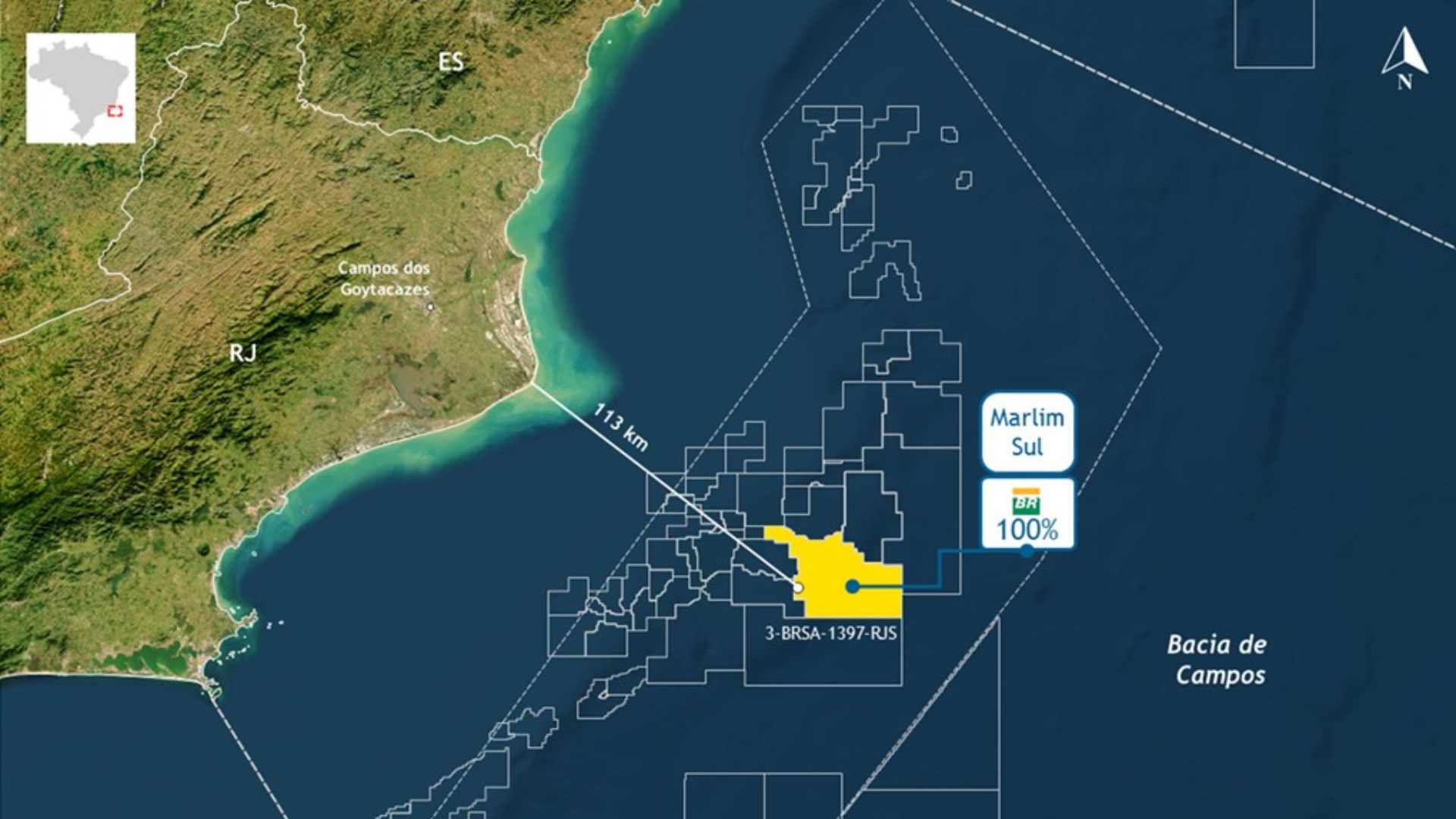
Petrobras finds high-quality oil in the pre-salt at 113 km from RJ and reignites expectations about strategic reserves in the Campos Basin.

-
Ocyan opens registrations for startups focused on innovation in the oil and gas sector and will select projects for Innovation Day with the support of Nexio.


The first retirement operations of the title occurred in August and September, with 103,700 retired by obligated parties. The retirement of a CBIO occurs when its holder permanently removes it from the market, preventing any future transactions. Fossil fuel distributors (gasoline and diesel) are the obligated parties to meet individual targets under RenovaBio. Compliance with their targets is based on the number of CBIOs they retire. It is worth noting that the average value of the CBIO traded on B3 varied from R$ 20 to R$ 37.35 in September.
RenovaBio is the national policy established with the main goal of stimulating the production and consumption of biofuels in Brazil, based on predictability, environmental, economic, and social sustainability, and reducing greenhouse gas emissions in the fuel matrix.
The ANP is one of the bodies participating in RenovaBio, in line with its commitment to decarbonization and contributing to Brazil’s compliance with the Paris Agreement.
See more information about RenovaBio: http://www.anp.gov.br/producao-de-biocombustiveis/renovabio









Seja o primeiro a reagir!