





 Portuguese
  English
  Spanish
  3 min of reading
  0 comments


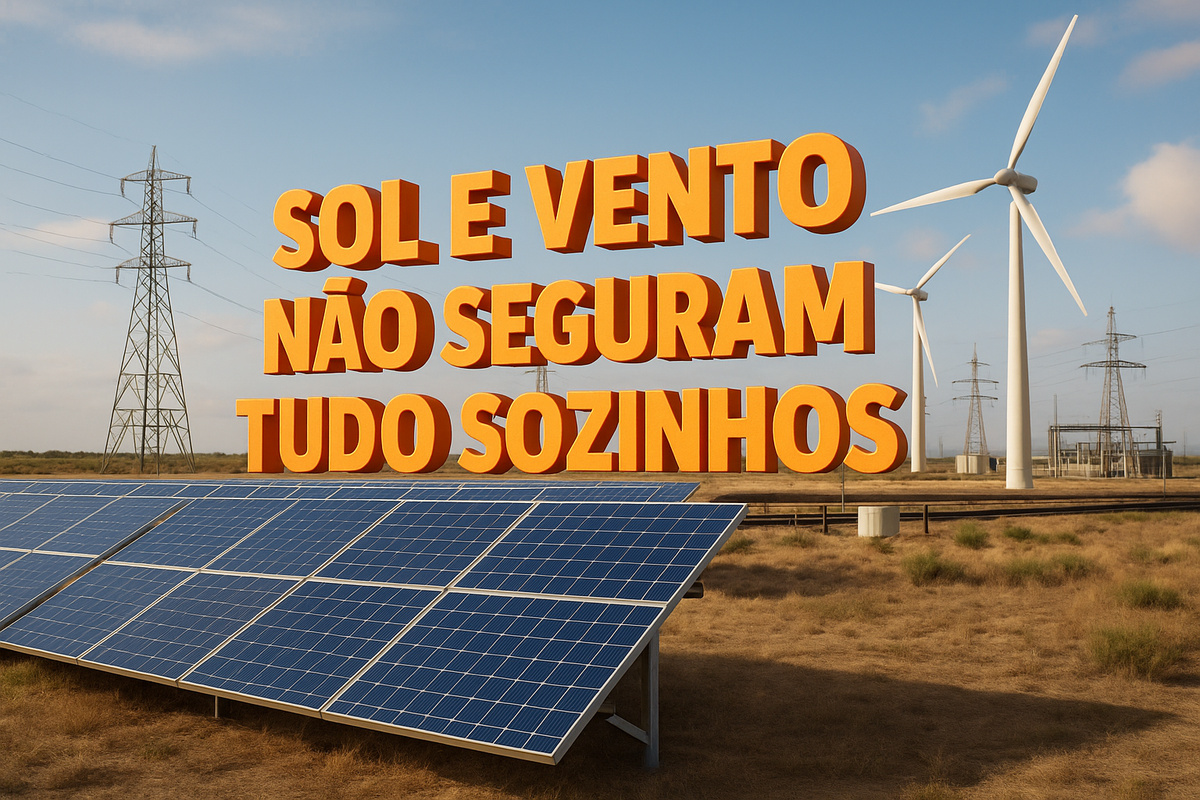
Sun And Wind Need Complements To Sustain The Growing Global Energy Demand
The debate about renewable energies, especially solar and wind, has intensified in recent years, mainly after the signing of the Paris Agreement in 2015, as highlighted by the International Energy Agency (IEA). However, even in 2025, the capacity of these sources to meet global demand alone remains limited, according to the latest Global Energy Review 2024 report from the IEA.
Growth of Renewables Is Still Insufficient To Cover All Demand
Studies from the World Economic Forum, published in April 2024, indicate that solar energy accounts for about 4% of the global electricity matrix, while wind energy reaches 7%. Despite this, global energy demand is growing faster than the expansion of these sources.
Moreover, wind and solar are intermittent, which requires large investments in storage, warn experts from Bloomberg New Energy Finance. According to data released by the Energy Research Company (EPE) in January 2024, battery costs still pose a significant obstacle, adding to technical and economic challenges.
-
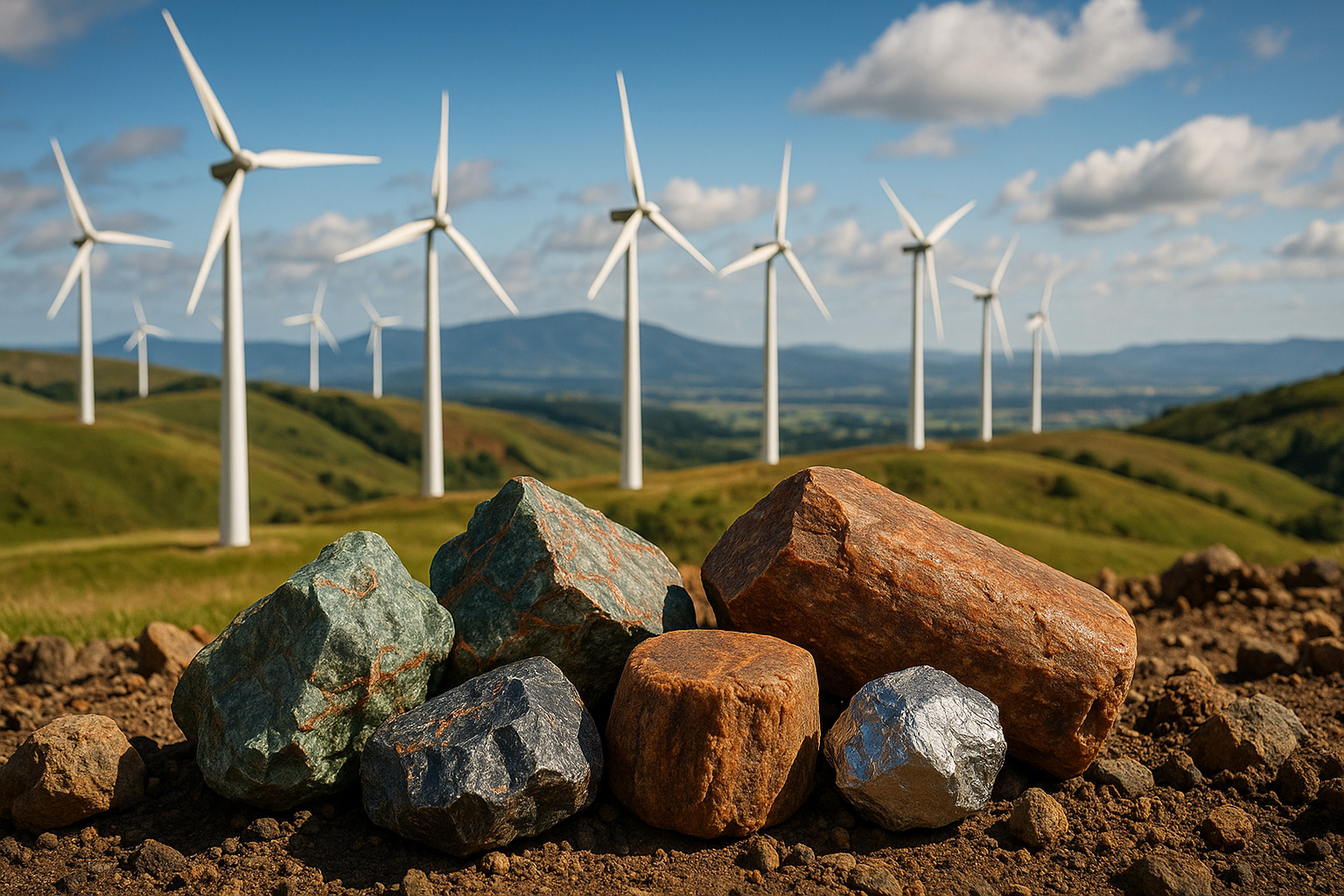
The Brazilian state accelerates industrial competitiveness with a focus on the extraction of strategic minerals to boost the energy transition in Goiás.
-
A Canadian retiree creates a hydroelectric system on a real river, generating energy continuously throughout the day and demonstrating how the power of water can supply a house with stability even in a simple structure.

-
Petrobras reaffirms its commitment to the market and ensures that it will carry out the energy transition safely to maintain national sovereignty.

-
Researchers discover a possible hydrogen deposit of up to 46 million tons beneath an ancient coal basin, and the volume could exceed half of the entire global production.



Economic Impacts And Structural Limitations
Even with the reduction of solar panel and wind turbine costs in the last ten years, the transmission infrastructure still faces structural constraints, as highlighted by the National Electric Energy Agency (ANEEL) in its annual report for 2024.
- Many regions rich in renewable potential are far from major consumption centers, raising transmission line costs.
- Thus, projects to expand power grids involve environmental impact and social costs.
- Therefore, without detailed planning, there is a risk of overloading tariffs.
Energy Security Depends On Diversification
According to the Decadal Energy Plan 2023-2032, released in December 2023, a diversified matrix ensures greater stability. Countries like Brazil, for example, have 84% of their electricity matrix from renewables, but rely heavily on hydropower, which also faces climatic challenges.
- Events like the blackout in Texas in 2021, when a lack of wind paralyzed turbines, illustrate the risks of excessive dependence on renewables.
- Thus, the balance between clean, thermal, hydropower, and nuclear sources is considered essential by analysts from the IEA.
- In this way, supply crises can be contained.
Pressure For Planning And Regulation Policies
The report Net Zero by 2050, updated in May 2025, highlights that achieving a 100% renewable matrix will not happen without robust storage policies, modernization of the grid, and incentives for research.
- Thus, simply building solar or wind power plants is not enough.
- Therefore, it is essential to expand transmission networks and ensure economic viability.
- Consequently, integrated planning is the foundation to reduce environmental and social risks.
Global Race For Renewable Sources Brings Environmental Challenges
As shown by the World Energy Outlook in 2024, the global race for renewables accelerates the consumption of critical minerals for batteries and turbines, such as lithium and cobalt. This generates pressure for intensive mining, which requires responsible governance to avoid serious socio-environmental impacts, as seen in recent cases in Latin America.
- Additionally, studies by the IEA emphasize that uncontrolled energy transition can provoke new local conflicts due to the exploitation of natural resources.
- Therefore, experts recommend strict environmental regulation, combined with transparency in granting permits.
The Future Depends On Collective And Technological Actions
According to Bloomberg New Energy Finance, there is no forecast for a total replacement of fossil fuels by renewables before 2050. The consensus is that advancements in storage technology, modernization of electric grids, and diversification of sources will be the pillars for balancing economic growth with sustainability.
Therefore, governments, the private sector, and civil society must work together to ensure that the future is cleaner, safer, and more economical.









Seja o primeiro a reagir!