





 Portuguese
  English
  Spanish
  4 min of reading
  0 comments


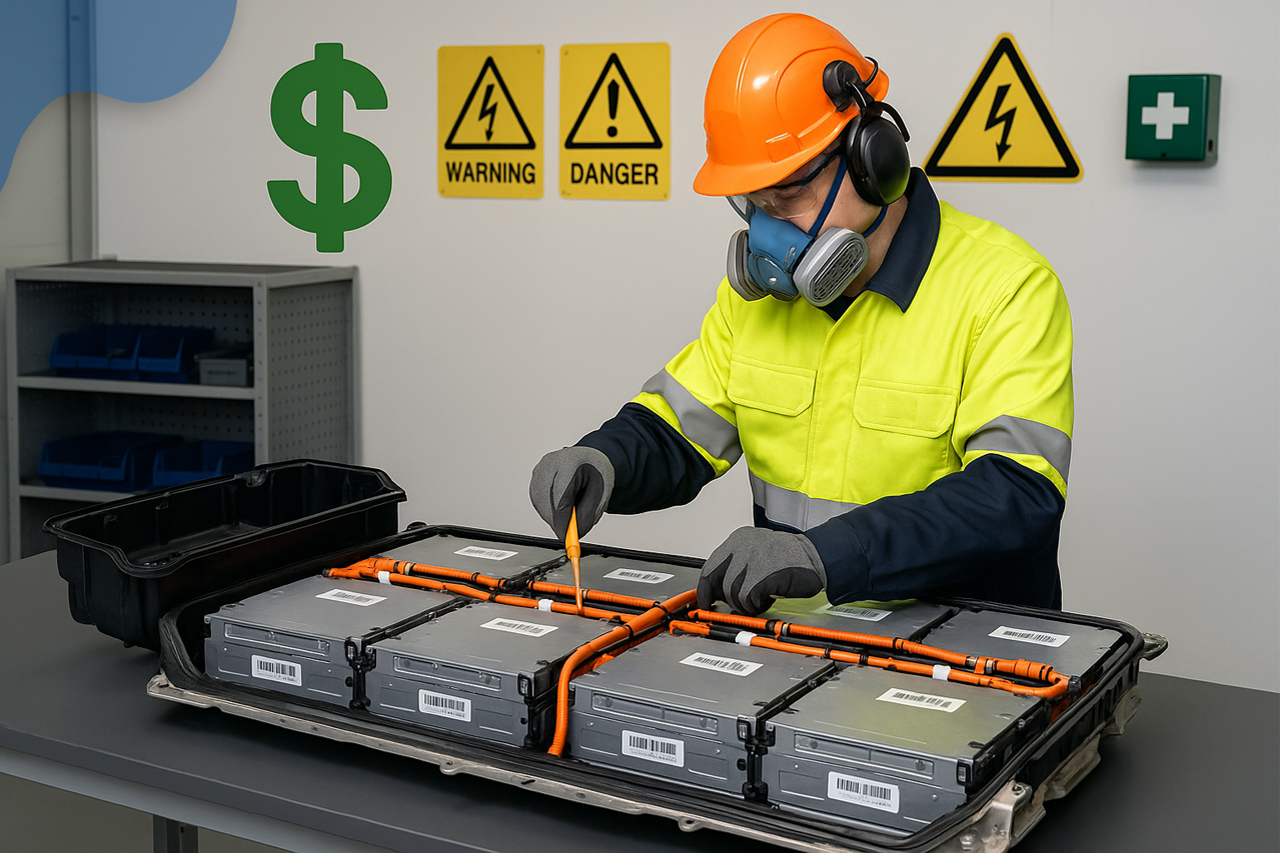
The Battery Is The Most Expensive Item In An Electric Car And, Until Recently, Any Damage Outside The Warranty Meant Replacing The Whole Pack. Now, CATL, Through Ning Service, Offers CTP Battery Repair That Can Cost 5 To 10 Times Less Than Replacement, Making Maintenance More Accessible And Sustainable.
The battery is the most expensive component of an electric vehicle and, for a long time, any damage outside the warranty meant replacing the entire pack, which had a huge impact on the owner’s wallet. This scenario has always weighed on the purchasing decision, especially in the used car market. By allowing battery repair instead of a complete replacement, the total cost of ownership decreases and resale gains predictability.
In China, where electric and plug-in hybrid vehicles already account for over 50% of sales, a real demand for specialized after-sales services is starting to emerge. It is precisely at this point that CATL, the largest battery manufacturer for electric vehicles in the world, enters by offering a technically and economically viable alternative for structural packs.
For those looking from Brazil, the message is clear: as the electric fleet ages and the used market grows, affordable maintenance solutions become crucial to accelerating the adoption of cheaper electric models for the second owner.
-
Goodbye expensive popular car: electric vehicle for less than R$ 70,000 starts being sold in Brazil with a range of 200 km and targets those looking to escape gasoline.
-
China Surprises Automotive Industry With Battery That Promises Electric Car Able to Run Up to 1,000 km Without Recharge
-
Why BYD Grew So Fast in Brazil and How Blade Batteries, Electric Cars, and Industrial Incentives Shaped This Expansion in the National Automotive Sector
-
Electric Cars Make Progress in Brazil in 2026 and Promise to Reduce Drivers’ Costs with Cheaper Energy, While Infrastructure Grows Slowly Across the Country
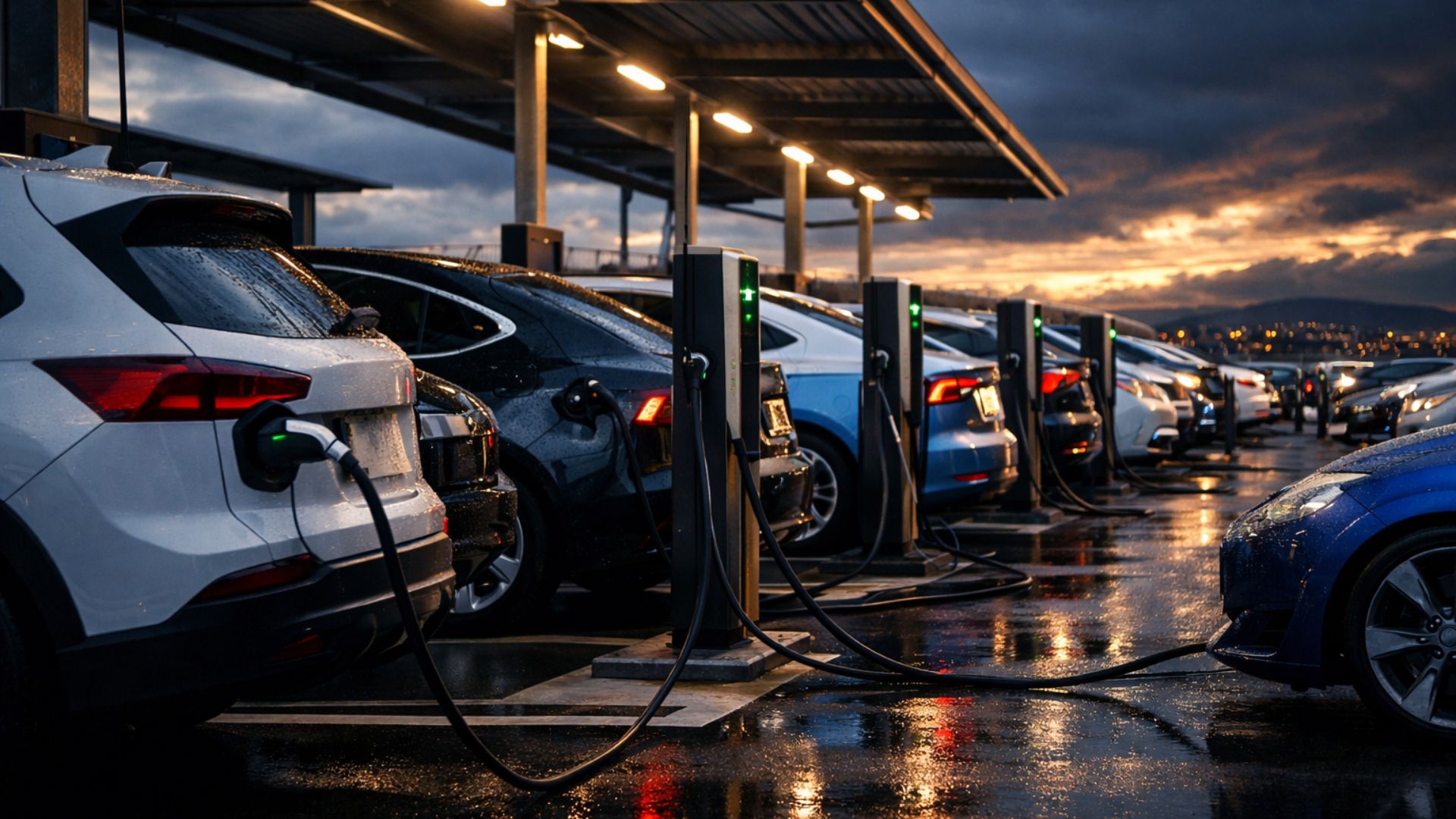

How CATL Ning Service Works And CTP Battery Repair
CATL has structured its after-sales operation within Ning Service, an independent brand since 2024, with its own centers and an authorized network. The focus is to offer a complete cycle that includes inspection, maintenance, repair, regeneration, and recycling of batteries.
The announced service targets packs with cell-to-pack (CTP) technology, where cells are integrated directly into the pack, without intermediate modules. This design improves density and space utilization, but historically made repair difficult, pushing the market towards complete replacement.
The innovation of Ning Service is precisely to intervene in a segmented manner in the CTP pack, with its own processes, equipment, and safety procedures. Currently, the service covers CATL batteries, with plans for expansion. For the consumer, the result is a reliable technical pathway to repair the pack without needing to install a new one in the car.
In addition to engineering, there is reach: CATL has been opening Experience Centers in major Asian cities to standardize service, create a service showcase, and support the network. This paves the way for the necessary scale to give traction to the repairs.
Cost: Repair vs Replacement In Practice
The most striking data concerns the wallet. In typical market conditions, replacing a pack can cost around 100,000 yuan, while repairing ranges from 10,000 to 20,000 yuan. In other words, repair can cost 5 to 10 times less than replacing the whole set.
When this difference is translated into a percentage of the vehicle’s value, the contrast becomes even more evident. In many compact models, replacement would consume a significant slice of the car’s price, which negatively impacts resale value and deters potential used buyers.
With the real possibility of restoring the battery at a fraction of the cost, the owner gains predictability outside the warranty, and the used car market remains healthier. There are also environmental gains: less disposal of entire packs, longer vehicle lifespan, and better material utilization, along with a recycling pathway at the end.
What Changes For Brazil: Electric Vehicle Maintenance And The Used Market
Although Brazil lags behind China in volume and ecosystem maturity, CATL’s movement signals what should arrive here as the fleet evolves. For consumers and fleet operators, structured battery repair means lower total ownership costs, less fear of buying used electric vehicles, and greater liquidity in resale.
The point of attention is the availability of the service. Local adoption depends on qualified centers, approved procedures, and coverage for the chemicals and brands present in the country. As vehicles with CATL batteries gain market share and the international network expands, the trend is for maintenance costs to decrease, which favors app-based services, rental companies, and businesses with large fleets.
For those considering purchasing an electric vehicle now, three items are worth noting: the warranty policy for the battery, the existence of a certified repair network, and the outlook for recycling and reverse logistics. These factors will become increasingly relevant for resale value and the cost of maintaining the car in the long term.
In summary, repairing instead of replacing changes the economic equation for electric vehicles. If scale comes along with standardization and safety, the after-sales of EVs enters a new phase, with a direct positive impact on the wallet and the environment.








-

Uma pessoa reagiu a isso.