





 Português
  Inglês
  Espanhol
  2 min de leitura



Repsol Sinopec And Petrobras Notified CADE That The Former Is Leaving The Partnership, Brazilian Oil Company Now Holds 100% Of The Asset In Espírito Santo
Repsol Sinopec and Petrobras have just notified CADE, the federal agency that oversees market negotiations, about the termination of their partnership in the exploratory gas block BM-ES-21, in Espírito Santo.
The transfer from Repsol to Petrobras will be free of charge and involves the 11.11% stake that the Spanish-Chinese company held in the consortium.
The block BM-ES-21 (block ES-M-414) had five wells drilled between 2009 and 2014, when gas was discovered at a water depth of 960 meters and about 135 km from the coast.
-
Haiti’s capital is experiencing an energy and construction crisis, facing blackouts, a blocked port, and buildings at risk after years of instability and a significant earthquake.

-
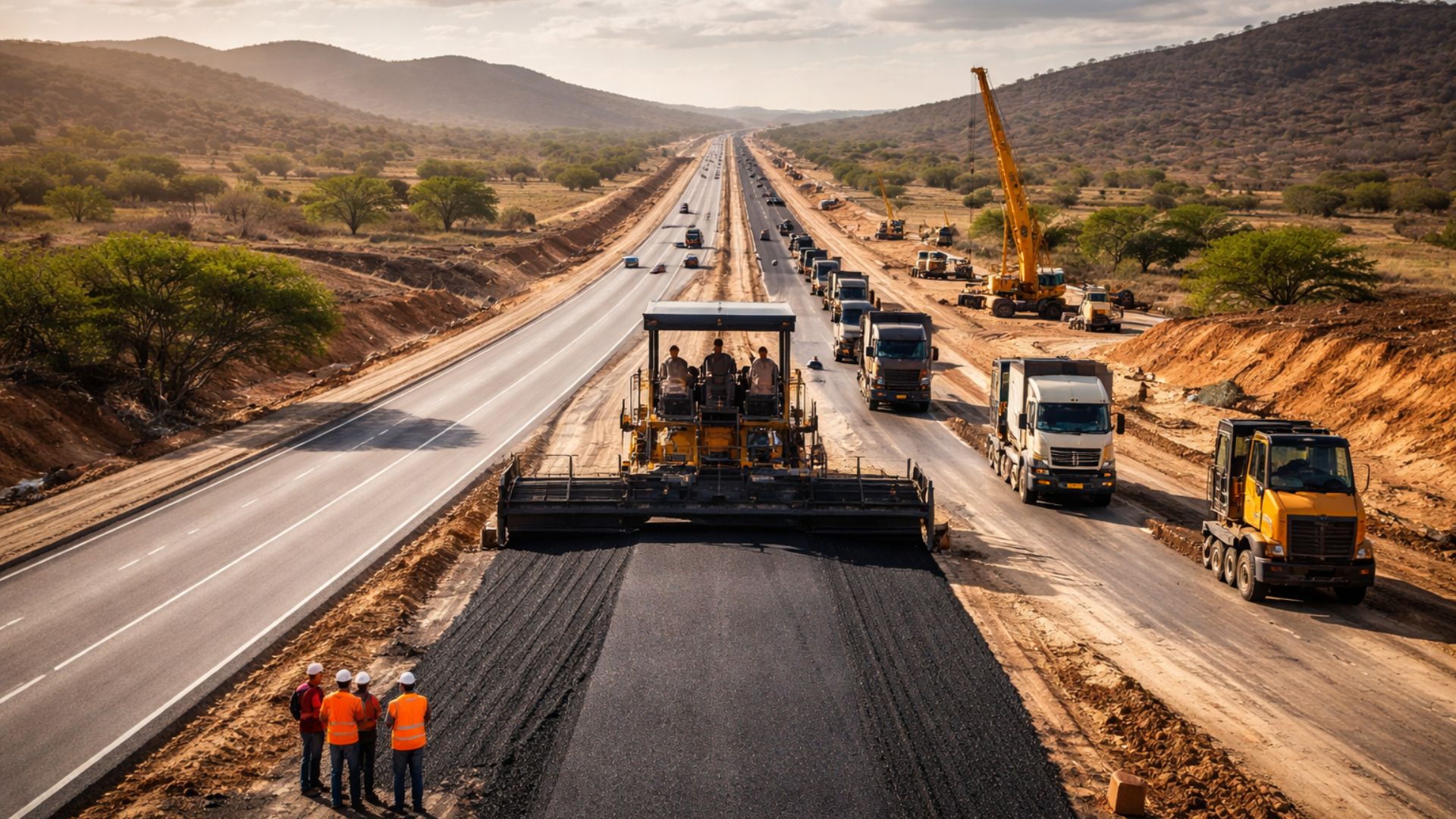
Government unlocks R$ 554 million for a highway that has been requested for decades and accelerates the duplication of BR.
-
Without bricks, without cement, and without endless construction: the cardboard house that is assembled in modules and can be moved.

-
Billions of barrels on the equatorial margin could lead Amapá to double its oil production in Brazil — the state aims to enter the route of companies in the Campos Basin, attract investments, and boost jobs and businesses in the oil and gas sector.


Repsol’s Operations In Brazil
Repsol Sinopec is a company formed by the Spanish Repsol, which holds a 60% stake in the company, and the Chinese Sinopec, which owns the other 40%.
In 2017, the company celebrated 20 years of operations in Brazil and at the time stated that its main focus was the Brazilian gas market.
In 2012, Repsol Sinopec announced the discovery of one of the largest reserves for natural gas exploration, located in the pre-salt layer of the Campos Basin in Rio de Janeiro.
The block was named Pão de Açúcar and became part of the history of the Oil and Gas industry in Brazil.
Thus, Repsol would become one of the four largest oil and gas producers in Brazil, alongside Petrobras, reaching an average monthly production of 103,407 barrels per day in August 2017.
The company’s research and development expenditures in Brazil exceeded 100 million reais.
The decision by Repsol Sinopec to exit the partnership with Petrobras is surprising, as the company has always viewed the Brazilian natural gas market as significant.
The company considers natural gas essential for diversifying the Brazilian energy matrix and a key component in transitioning to a low carbon economy.
See Also! AKOFS Offshore Is Hiring Logistics Assistants In Macaé!









Seja o primeiro a reagir!