





 English
  Francês
  Alemão
  Italiano
  Japonês
  Norueguês
  Portuguese
  Spanish
  4 min of reading
  0 comments


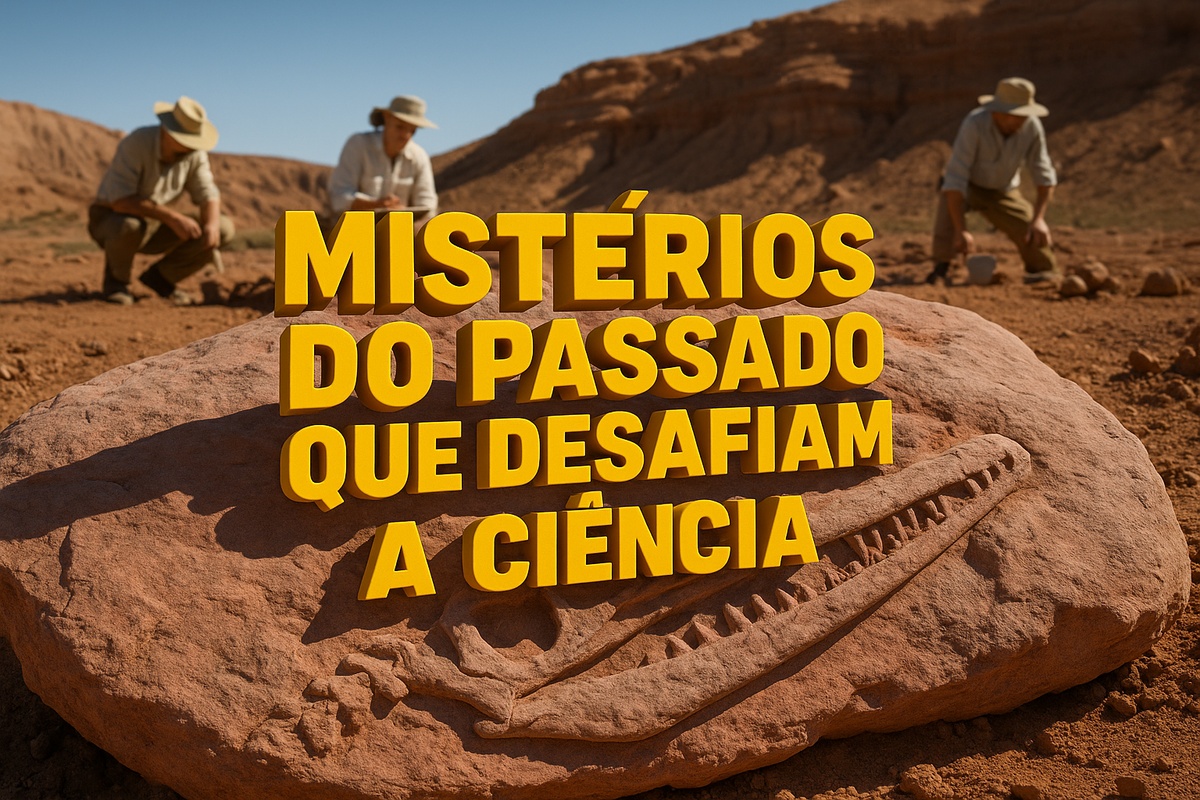
Fossilized Jaw Reveals Unknown Species in North America and Opens Doors to Future Scientific Discoveries
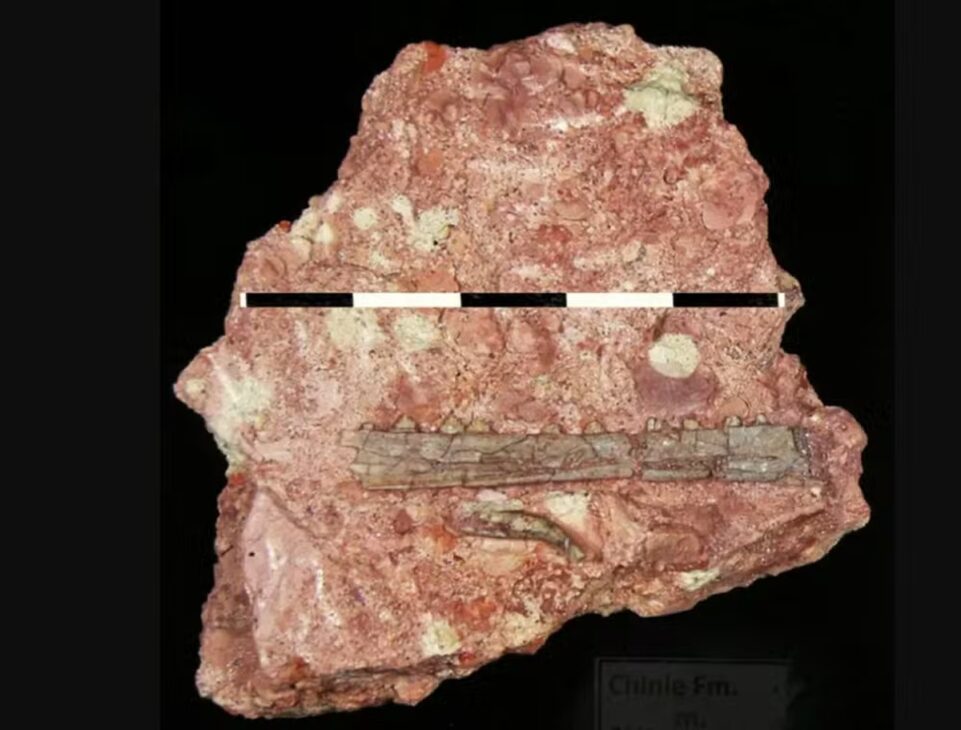
A Historic Discovery made by scientists in the United States has brought to light a new species of flying reptile. Although its jaw was found in 2011, only now, with modern scanning techniques, have researchers confirmed its scientific importance. This is the oldest pterosaur ever found in North America, dated at approximately 209 million years.
This prehistoric reptile has been given the technical name Eotephradactylus mcintireae, which means “Goddess of Dawn with Gray Wings”. This name directly references the volcanic ashes that preserved its fossils for millions of years. The study was officially published in 2024 by the renowned scientific journal Proceedings of the National Academy of Sciences.
Technical Investigation Reveals Unique Characteristics of the Fossil
According to paleontologist Ben Kligman from the Smithsonian National Museum of Natural History in Washington, D.C., the fossil found exhibits extremely fragile characteristics. Pterosaur bones from the Triassic period are typically small, thin, and hollow. Therefore, they often deteriorate before fossilization.
-
Researchers at the Toyota Research Institute found that if a human uses robotic arms to flip a pancake 300 times in an afternoon, the robot learns to do it on its own the next morning, and this is currently the most promising method to solve the biggest bottleneck in modern robotics.

-
Goodbye iron: a common item in households is starting to lose space to technology that smooths clothes in minutes without an ironing board and with less energy consumption.

-
Antarctica reveals an unusual clue high in the Hudson Mountains, and what appeared to be just an isolated rock began to expose a secret hidden under the ice for ages.

-
Salaries of up to R$ 25,000, a shortage of professionals, and exploding demand in 2026 make the no-code automation specialist one of the most sought-after careers in Brazil, even without requiring a degree or programming knowledge.

In this context, advanced scanning techniques played a crucial role in the discovery. According to Kligman, this reinforces the idea that other similar deposits may exist around the world. Additionally, he highlighted that the archaeological site located in Petrified Forest National Park in Arizona revealed much more than just the jaw of this flying reptile.
Preserved Evidence Reveals Detailed Ecosystem
Alongside the discovery of the jaw, other fossilized evidence has emerged from the same location. Among these are:
- Various Bones
- Teeth from Other Animals
- Scales of Primitive Fish
- Fossilized Excrement (coprolites)
These findings prove that around 200 million years ago, the site was a vibrant river ecosystem. At that time, the river flowed through the supercontinent Pangea, formed by all known landmasses.
Surprising Details About the Pterosaur’s Diet
Moreover, the reptile’s teeth revealed important clues about its diet. As explained by Ben Kligman in an interview with BBC News, the teeth showed exceptional wear. Because of this, scientists concluded that this flying reptile primarily fed on animals with hard parts, such as primitive fish.
These fish were covered by a coat of bony scales, which explains the high degree of dental wear. According to experts, this suggests a very specific ecological niche occupied by the reptile, similar to that of modern aquatic birds, such as seagulls.
Evolutionary Transition Highlighted by the Discovery
Above all, the discovery site preserved a true evolutionary snapshot. Extinct animals, such as giant amphibians and ancient armored relatives of crocodiles, lived alongside species that still exist today, such as frogs and turtles.
According to Kligman, this finding highlights a clear evolutionary transition that occurred during the Triassic period. “We see animals that later thrived coexisting with older species that did not survive the changes of that time,” the researcher stated.
Global Importance of Fossil Discoveries
Equally important is to highlight that this discovery in the U.S. follows a global trend. More and more, major paleontological finds are being made thanks to advances in scanning and fossil analysis technologies.
An example is the recent discovery of important fossil deposits in Asia and Europe, showing that these locations have the potential to revolutionize our understanding of the evolution of life on Earth.
Future Studies and Scientific Challenges
Currently, researchers are excited about the potential of these discoveries for new scientific investigations. However, Kligman emphasizes that it will be essential to follow rigorous technical criteria in exploring these archaeological sites.
He highlights the importance of environmental preservation and respect for paleontological heritage. These guidelines help avoid problems that have already occurred in other places, where poorly planned explorations caused irreparable damage to archaeological sites.
What to Expect from Future Research?
Experts agree that new technologies may reveal many other fossils still hidden in ancient deposits around the world. However, they point out that the biggest challenge will be to balance scientific studies with the environmental protection of these sites.
Therefore, it will be crucial for governments and scientific institutions to work together, ensuring that these paleontological treasures are preserved and studied responsibly.
Do you believe that technological advancements can reveal much more about the prehistoric past of Earth? Or do you think we should focus first on preserving these sites before advancing research? Share your opinion!







-

Uma pessoa reagiu a isso.