





 English
  Francês
  Alemão
  Italiano
  Japonês
  Norueguês
  Portuguese
  Spanish
  5 min of reading
  0 comments


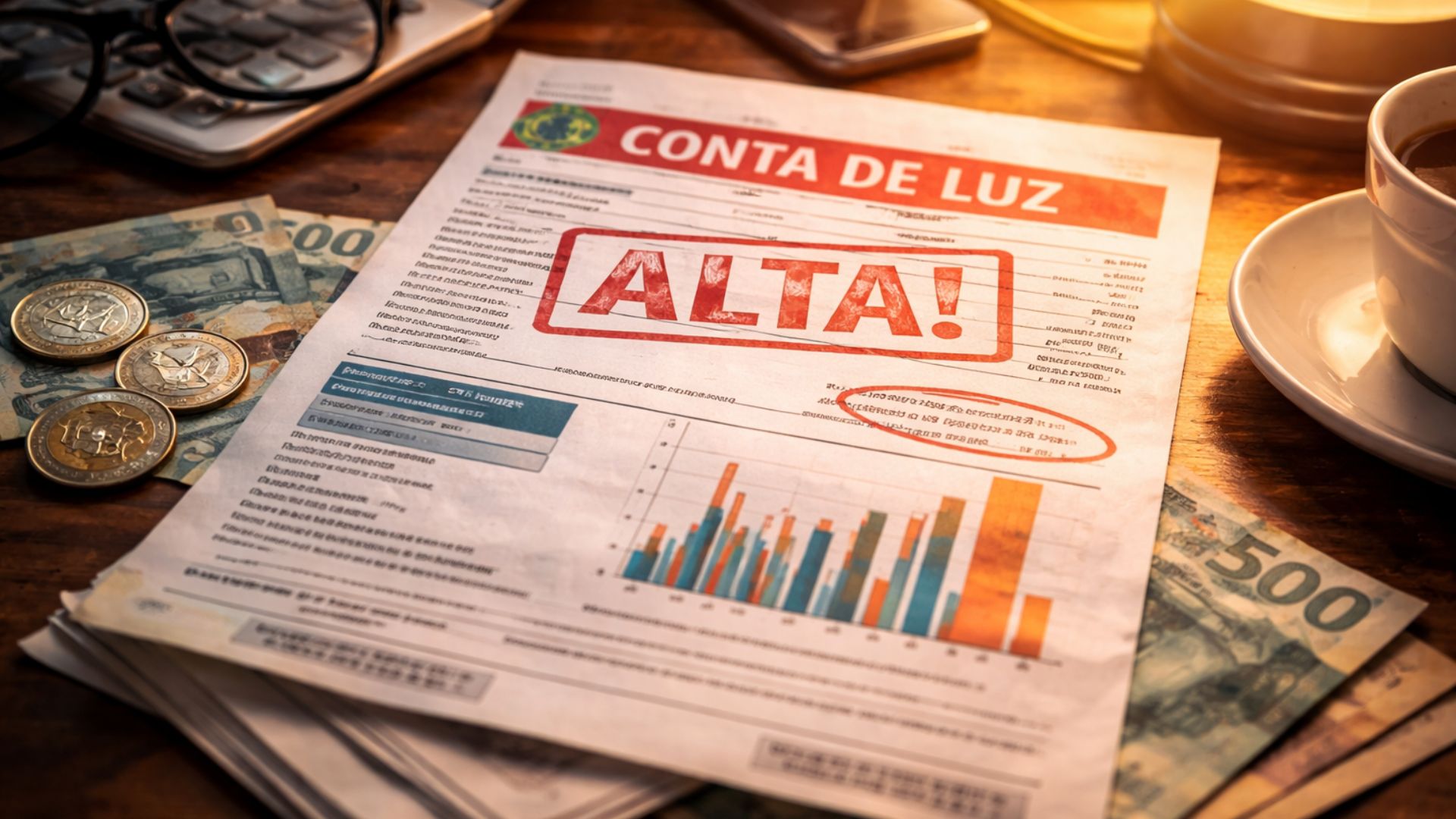
The majority of Brazilians support clean energy and recognize the importance of the energy transition, but the high cost of the electricity bill limits adherence and challenges sustainable progress in the country, reveals recent research
The most recent Research by Ipsos-Ipec reveals a scenario that combines increased environmental awareness with clear economic limitations in Brazil. According to data from CNN Brasil, Brazilians show massive support for the expansion of clean energy, but reject paying more on the electricity bill, creating a direct impasse for the energy transition.
The survey, conducted between February 5 and 9, 2026, interviewed 2,000 people in 129 municipalities. The data shows that 93% consider it important to increase the use of renewable sources, such as solar and wind.
Despite this, 78% are not willing to bear higher costs, while only 19% would accept paying more. This contrast reveals a central point: Brazil wants to advance in sustainability, but without a direct impact on their wallets.
-
A study reveals the expansion of renewable energy procurement in Brazil and shows how companies are taking advantage of opportunities to reduce expenses, ensure energy efficiency, and strengthen strategic environmental commitments.

-
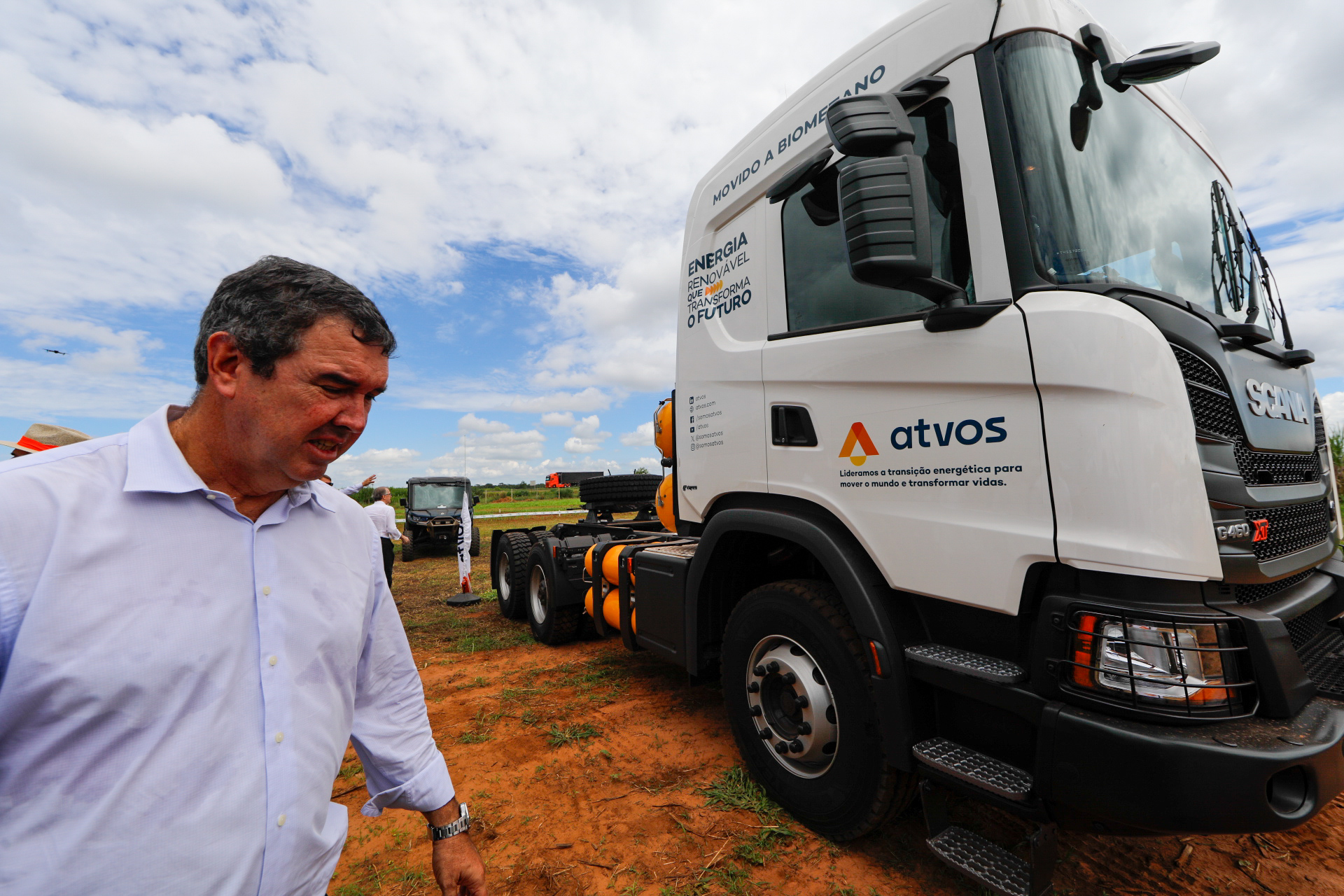
Mato Grosso do Sul excels in the sugar-energy sector: the state reaches a milestone of 22 operating mills and accelerates the production of clean energy in MS with a focus on sustainability.
-
National energy dilemma: Brazilians support clean energy but reject increases in tariff costs to finance the sustainable transition.
-
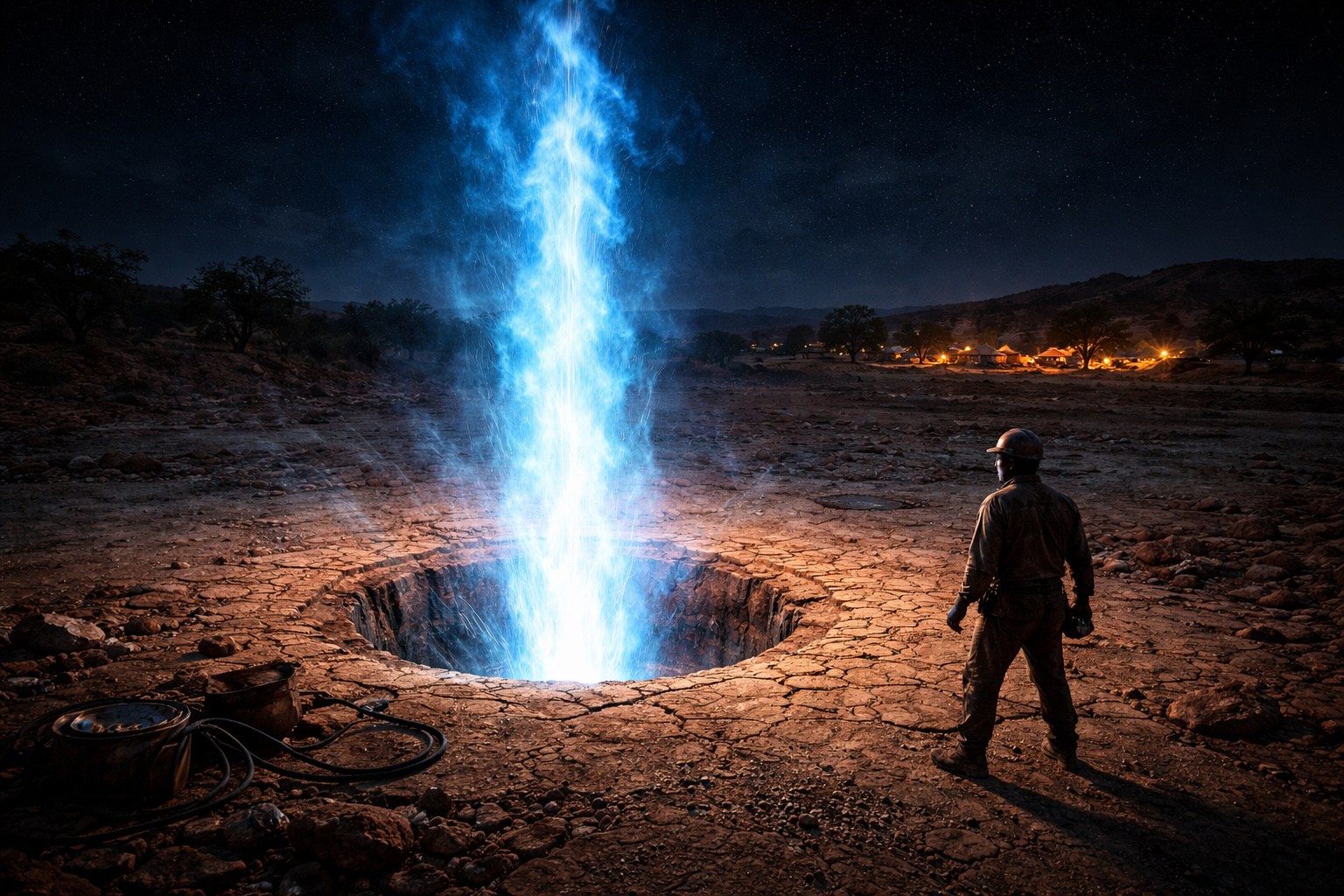
The only natural hydrogen field in commercial operation on the planet was discovered by accident when a driller lit a cigarette over a dry well in Mali; the fire lasted for weeks, the well was capped and forgotten for 24 years because no one knew it was hydrogen, and today it supplies an entire village with clean energy.

Research reveals Brazilian support for clean energy, but the cost of the electricity bill limits progress
The Research makes it clear that Brazilians recognize the importance of clean energy for the country’s future. The high approval rate indicates a significant cultural shift, with greater appreciation for renewable sources.
On the other hand, the same survey shows that this support does not automatically translate into acceptance of additional costs. The rejection of an increase in the electricity bill highlights a financial limit that cannot be ignored.
This scenario creates a direct challenge for the energy transition. To advance, it will be necessary to find models that do not rely solely on the end consumer.


The electricity bill weighs on the budget and influences Brazilians’ perception
Another relevant piece of data from the Research is the negative perception of the current cost of the electricity bill. For 71% of Brazilians, the amount paid monthly is considered high or very high in relation to the service provided.
This factor helps explain why the population resists any increase. Before accepting new costs, consumers expect clear improvements in the quality of the energy supplied.
The relationship between price and service has become a sensitive point. Even with support for clean energy, consumers want to first feel that the current system works efficiently.
Failures in energy supply reinforce resistance to the energy transition
The quality of service appears as one of the main obstacles. According to the Research, 73% of Brazilians reported having experienced at least one power outage in the three months prior to the survey.
The frequency of these failures is noteworthy:
- 13% experienced one outage
- 30% between two and three times
- 15% between four and five times
- 15% six times or more
These numbers show that instability is still part of the routine for millions of people. In this context, the idea of paying more on the electricity bill to finance the energy transition loses strength. Consumers tend to prioritize stability and quality before supporting structural changes.
Research shows inequality among Brazilians in access to clean energy and service quality
The Research also highlights important differences among Brazilians, especially when considering location and income.
Residents of metropolitan peripheries face more problems. About 85% reported recent power outages. In capitals, the rate is 78%, while in rural areas it reaches 70%.
Income also directly influences this experience. Among families living on up to one minimum wage, 80% experienced supply interruptions.
This scenario reinforces an unequal reality. For many, the priority is not the source of clean energy, but rather having continuous and reliable access to electricity, without an increase in the electricity bill.
Delays in restoration increase dissatisfaction with the electricity bill
In addition to failures, the response time of utility companies exacerbates the negative perception. The Research shows that 53% of affected Brazilians wait more than an hour to have their service restored.
The data details this delay:
- 29% wait between more than one to three hours
- 14% between more than three to five hours
- 10% more than five hours
On the other hand, 40% manage to have their power restored within an hour.
This slowness directly impacts trust in the system. When the service does not meet expectations, the idea of paying more on the electricity bill to finance the energy transition becomes even less attractive.
Income and information shape Brazilians’ support for clean energy
Support for clean energy is not uniform among Brazilians. The Research shows that factors such as income and access to information make a difference.
Among people with an income above five minimum wages, 71% consider renewable energy very important. Among those with an income of up to one minimum wage, this number drops to 45%.
This contrast reveals that the economic context directly influences how the energy transition is perceived.
In general:
- Those with higher income tend to prioritize sustainability
- Those with lower income prioritize cost and stability
- The lack of information about investments also weighs in
This set of factors shows that the debate about energy in Brazil goes beyond technology. It involves deep social and economic issues.
Regional differences reveal distinct challenges in the energy transition
The Research also points out relevant regional variations. The Southeast has the highest levels of appreciation for clean energy, with 65% of Brazilians considering these sources very important.
Other regions, such as the Northeast and South, show lower rates, which may be linked to factors such as average income, access to information, and quality of service.
These differences show that the energy transition in Brazil cannot be treated uniformly. Each region has specific challenges that need to be considered.
Between sustainability and cost, Brazilians demand balance in the electricity sector
The overall analysis of the Research indicates that Brazilians are not opposed to clean energy. On the contrary, there is strong support for its expansion. However, this support is conditioned on some essential points:
- Maintaining an affordable electricity bill
- Improvement in the quality of supply
- Greater transparency regarding costs and investments
As highlighted by Márcia Cavallari, director of Ipsos-Ipec, resistance to tariff increases is linked to families’ daily lives and the perceived value of the service. The energy transition is seen as necessary, but it needs to be practically viable.
The future of clean energy in Brazil depends on accessible and efficient solutions
The scenario revealed by the Research shows a country ready to advance in the energy transition, but facing real limitations. Brazilians support clean energy, recognize its importance, and desire change. However, the rejection of an increase in the electricity bill makes it clear that the current model needs adjustment.
For progress to occur sustainably, it will be necessary to balance different factors. The challenge is not only technological but also economic and social.
If the sector can offer cleaner energy without burdening the consumer, Brazil will be able to accelerate this transformation. Otherwise, popular support may not be sufficient to sustain structural changes in the long term.








Seja o primeiro a reagir!