





 Portuguese
  English
  Spanish
  3 min of reading
  0 comments


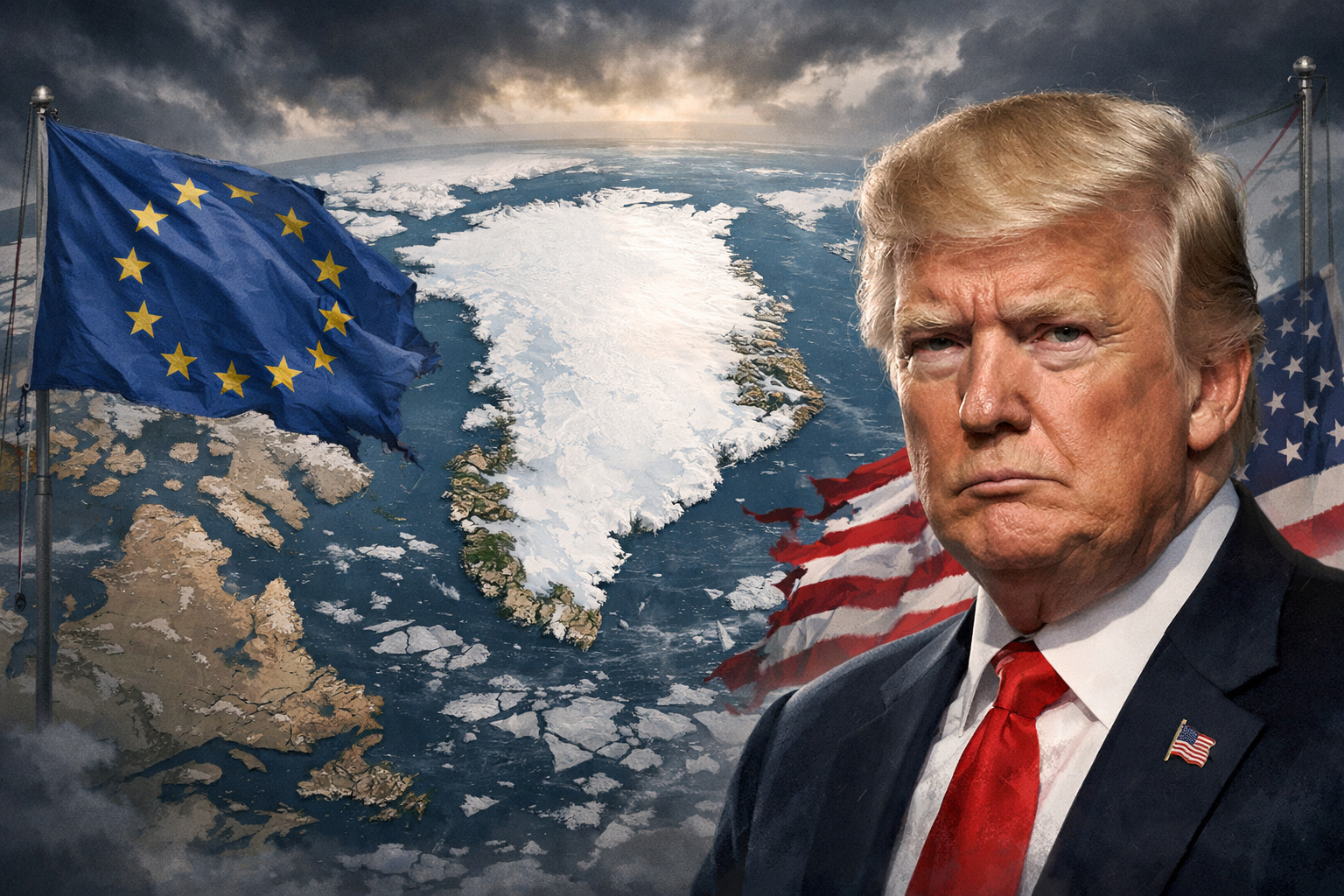
European Union Discusses Economic And Diplomatic Response After Trump’s Statements On Greenland, As Leaders Fear Direct Impacts On Arctic Security And NATO Stability
The European Union’s Retaliation Against The U.S. Has Entered The Center Of International Political Debate Following New Threats From President Donald Trump Involving Greenland. Since The Beginning Of The Discussions, The European Bloc Is Considering Imposing Tariffs Of Up To € 93 Billion As A Direct Response To The Escalation Of The Diplomatic Crisis In The Arctic, A Scenario That Also Pressures The Western Military Alliance.
The Information Was Disclosed By The Financial Times, Based On Sources Close To The Negotiations, And Gained Strength On The Eve Of Strategic Meetings Between European Leaders And The U.S. Government During The World Economic Forum In Davos. At The Same Time, EU Authorities Are Seeking An Exit That Preserves Transatlantic Cooperation And Avoids An Irreversible Break With Washington.
-
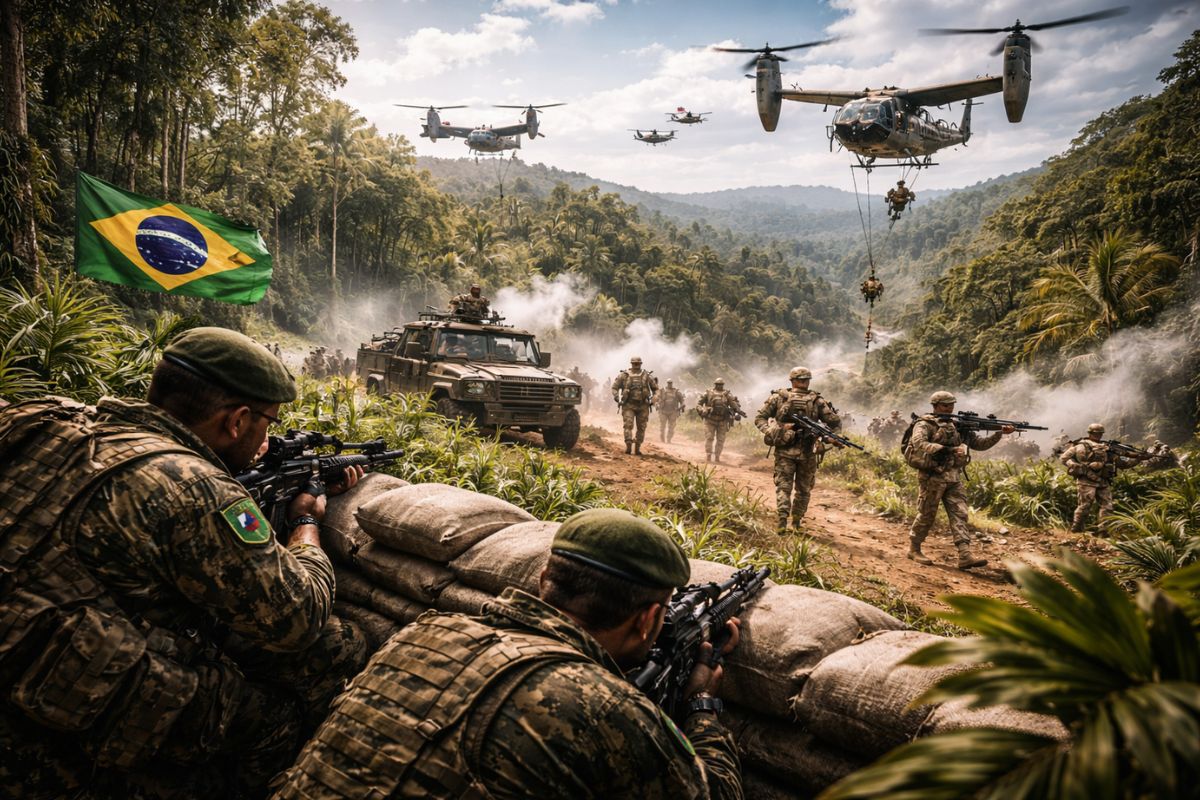
If the USA were to go to war with Brazil, Washington’s greatest fear would not be the attack itself, but facing a vast territory, prolonged resistance, and a costly, chaotic, and unpredictable occupation.
-
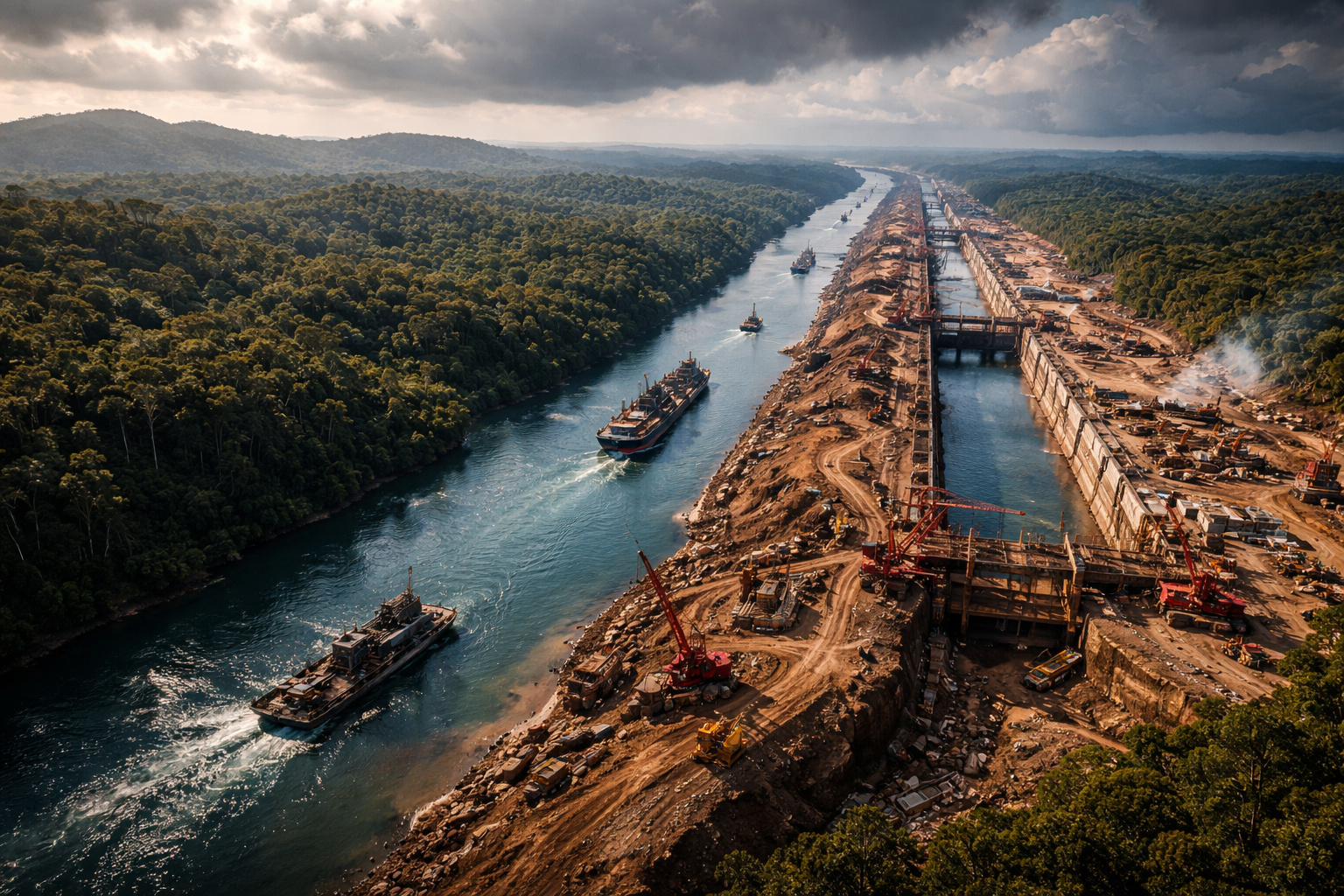
In 2013, Nicaragua sold the concession for a canal to rival Panama to a Chinese billionaire who lost 85% of his fortune, disappeared, and was declared bankrupt. Now the project resurfaces with a new route, a new Chinese partner, and a cost of $64.5 billion.
-
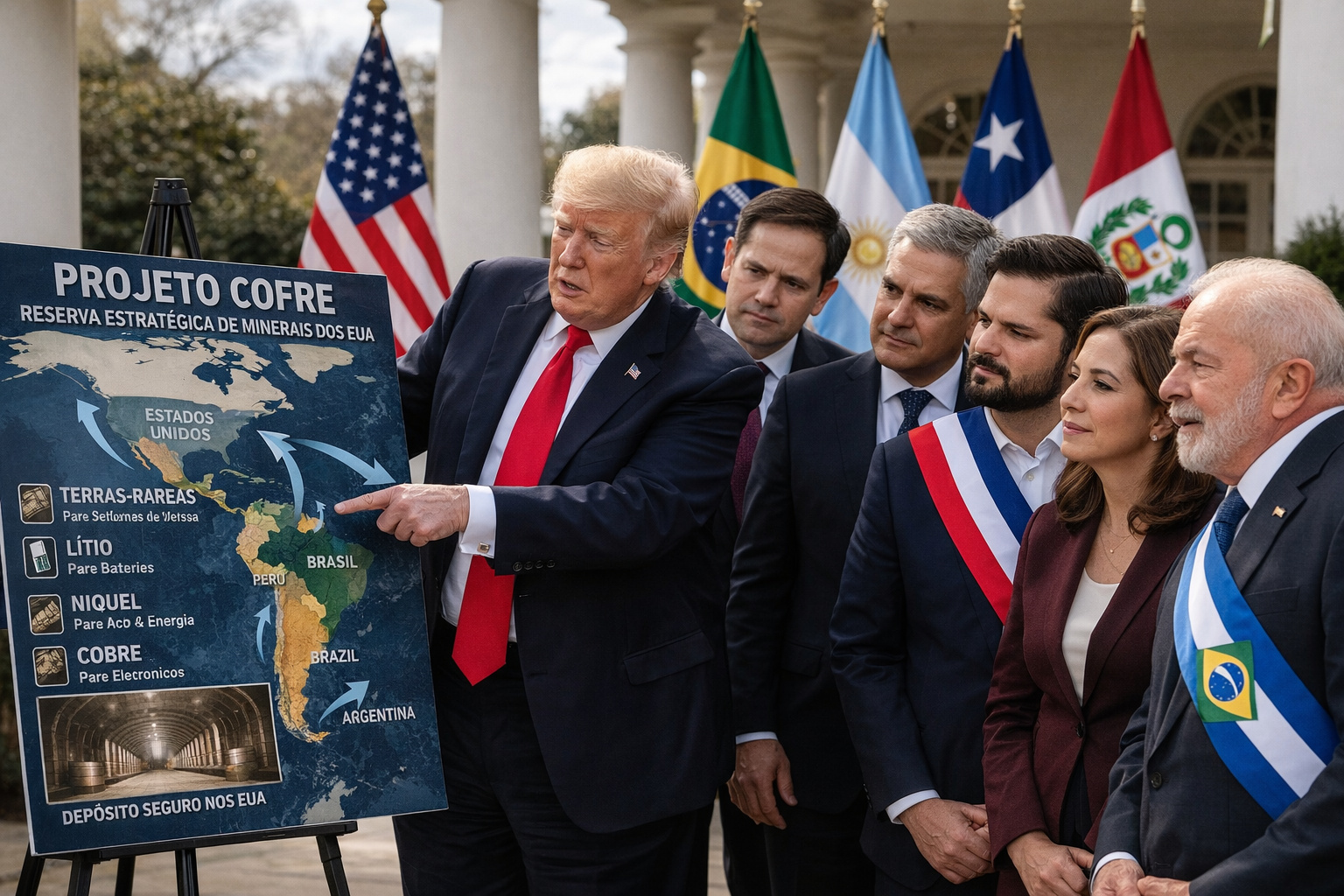
The USA announces a mysterious billion-dollar vault project to store critical minerals, but what intrigues experts is not just the plan itself, but why Latin America, including Brazil, has entered the center of this global dispute against China.
-
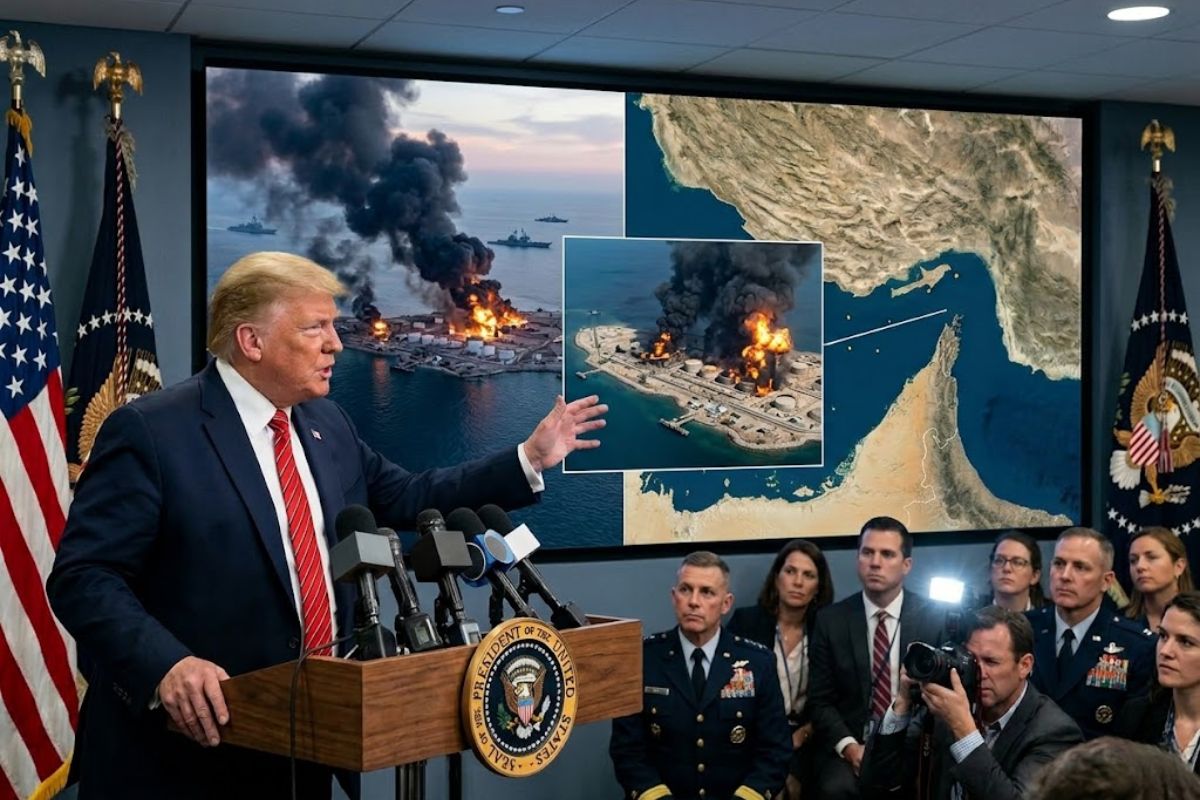
Trump Announces Bombing of U.S. Military Targets on Iranian Island Responsible for About 90% of Iran’s Oil Exports, Warns of Further Attacks if Navigation in Strategic Strait of Hormuz Is Threatened

Diplomatic Escalation In The Arctic Increases Risk Of Break Between Historical Allies
In Recent Days, Trump’s Statements About The Need For The United States To Control Greenland Have Elevated The Alert Level Among European Countries. The Island Belongs To The Kingdom Of Denmark And Has Semi-Autonomous Status, In Addition To Great Strategic Importance For Military And Energy Routes In The Arctic.
In Light Of This, Leaders Of The European Union Classified The American Stance As A Dangerous Escalation. For This Reason, Denmark, Germany, France, The United Kingdom, Norway, Sweden, Finland, And The Netherlands Issued A Joint Statement Reaffirming Support For Danish Sovereignty And Strengthening Regional Security.
Moreover, Popular Protests Took To The Streets Of Greenland And Copenhagen. Thousands Of Demonstrators Rejected Any Attempt At Annexation And Called For Respect For International Law. As A Result, The Crisis Has Gone From Being Merely Diplomatic To Having A Strong Internal Political Impact In Several European Countries.
Billion-Dollar Tariffs And Anti-Coercion Instrument Enter The Negotiation Table
The European Union’s Retaliation Against The U.S. Was Already Partially Structured Since Last Year. However, The Plan Had Been Temporarily Suspended. Now, With The Escalation Of Tensions, It Has Returned To The Center Of Discussions.
According To The Financial Times, The Package Includes Tariffs On American Products Totaling Up To € 93 Billion, In Addition To The Possible Activation Of The So-Called Anti-Coercion Instrument. This Mechanism Allows Restricting Access Of Foreign Companies To The European Market When A Country Attempts To Impose Political Decisions Through Economic Pressure.
Meanwhile, The President Of The European Commission, Ursula von der Leyen, Reinforced That The Bloc Will Remain United And Coordinated. The Head Of European Diplomacy, Kaja Kallas, Warned That Internal Divisions Would Benefit Strategic Rivals Such As Russia And China.
Despite The Firm Rhetoric, Leaders Such As The President Of Finland, Alexander Stubb, Advocate For Dialogue. For Him, Tariffs Could Generate A Dangerous Spiral Of Retaliations, Harming Transatlantic Relations.
NATO Enters The Radar And Arctic Security Gains Global Prominence
The Crisis Has Also Reignited Concerns Within NATO. Denmark’s Foreign Minister, Lars Løkke Rasmussen, Stated That The World Order And The Future Of The Alliance Are At Risk.
In Recent Months, Military Exercises In The Arctic Have Intensified. NATO Confirmed New Trainings For 2026, While Denmark And Greenland Announced Reinforcements Of Military Presence In The Region. According To European Authorities, The Priority Is To Prevent Economic Disputes From Evolving Into Security Conflicts.
Thus, The European Union’s Retaliation Against The U.S. Emerges Not Only As A Commercial Response But Also As A Clear Political Signal Defending European Sovereignty And International Stability.
Do You Believe That The European Union Should Toughen Its Economic Response Or Prioritize Dialogue To Avoid A Bigger Crisis With The United States?









Seja o primeiro a reagir!