





 English
  Francês
  Alemão
  Italiano
  Japonês
  Norueguês
  Portuguese
  Spanish
 5 min of reading
  0 comments


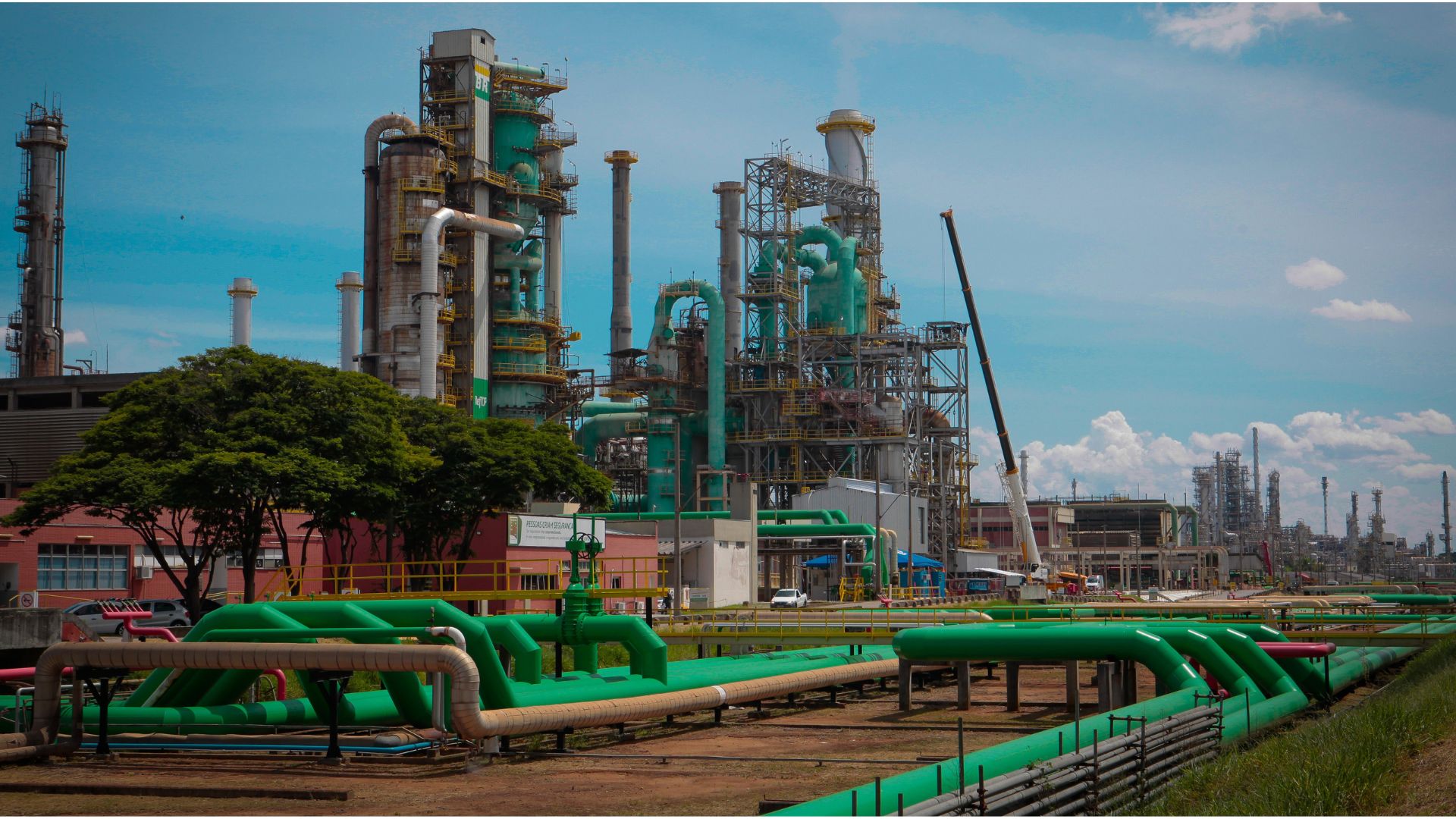
The Modernization of Revap Increases S-10 Diesel Production After ANP Approval. Petrobras’ Initiative Strengthens National Supply and Expands the Availability of the Less Polluting Fuel.
By the end of December 2025, the Henrique Lage Refinery (Revap), located in São José dos Campos (SP), officially began operating its modernized HDT, after receiving authorization from the National Agency of Petroleum, Natural Gas and Biofuels (ANP). According to a report released by Petrobras this Thursday (8), the modernization will increase S-10 diesel production by approximately 80%, a low-sulfur fuel considered essential for reducing emissions and meeting environmental requirements in the Brazilian market.
Revap Begins Operation of the Modernized HDT After ANP Authorization
The advance represents a milestone for national refining. The initiative strengthens Petrobras’ strategy to increase the supply of cleaner fuels, enhance operational efficiency, and adapt its refineries to the growing demand for low environmental impact derivatives. With the new configuration, Revap adjusts its production profile, prioritizing S-10 diesel over S-500 diesel.
The Revap completed all testing and commissioning phases of the modernized HDT by the end of December, ensuring safety, reliability, and regulatory compliance before starting commercial operations. The ANP’s release confirmed that the unit fully meets the technical and environmental requirements mandated by Brazilian legislation.
-
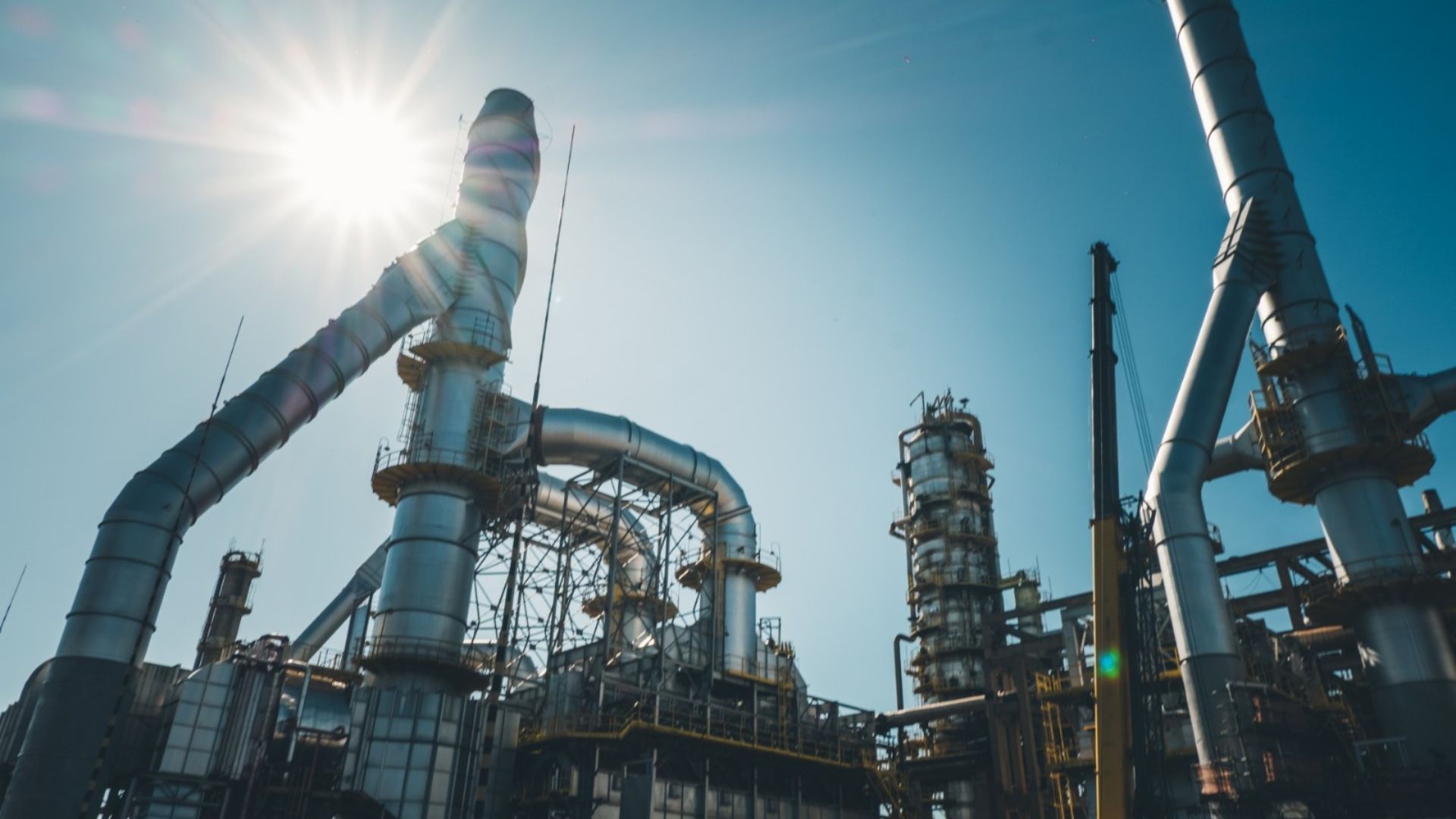
Petrobras Expands Refining in Brazil, Increases Production of Diesel S-10 and Gasoline, Enhances Operational Efficiency, and Reduces Import Dependence Between 2023 and 2025
-
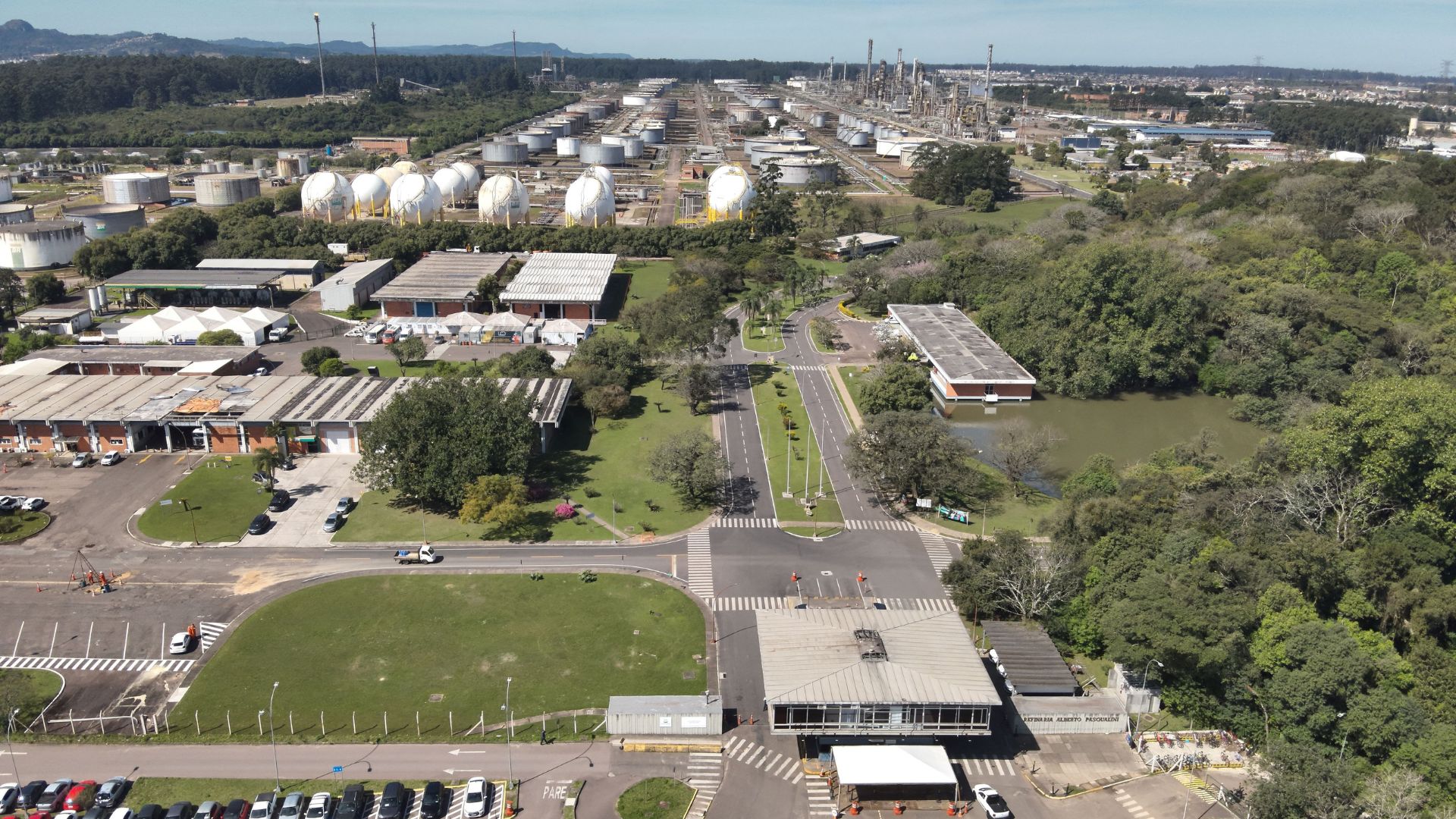
Petrobras’ Refap Sets Historic Records for Gasoline and S-10 Diesel Production in Canoas in Q4 2025, Surpassing Previous Figures
-
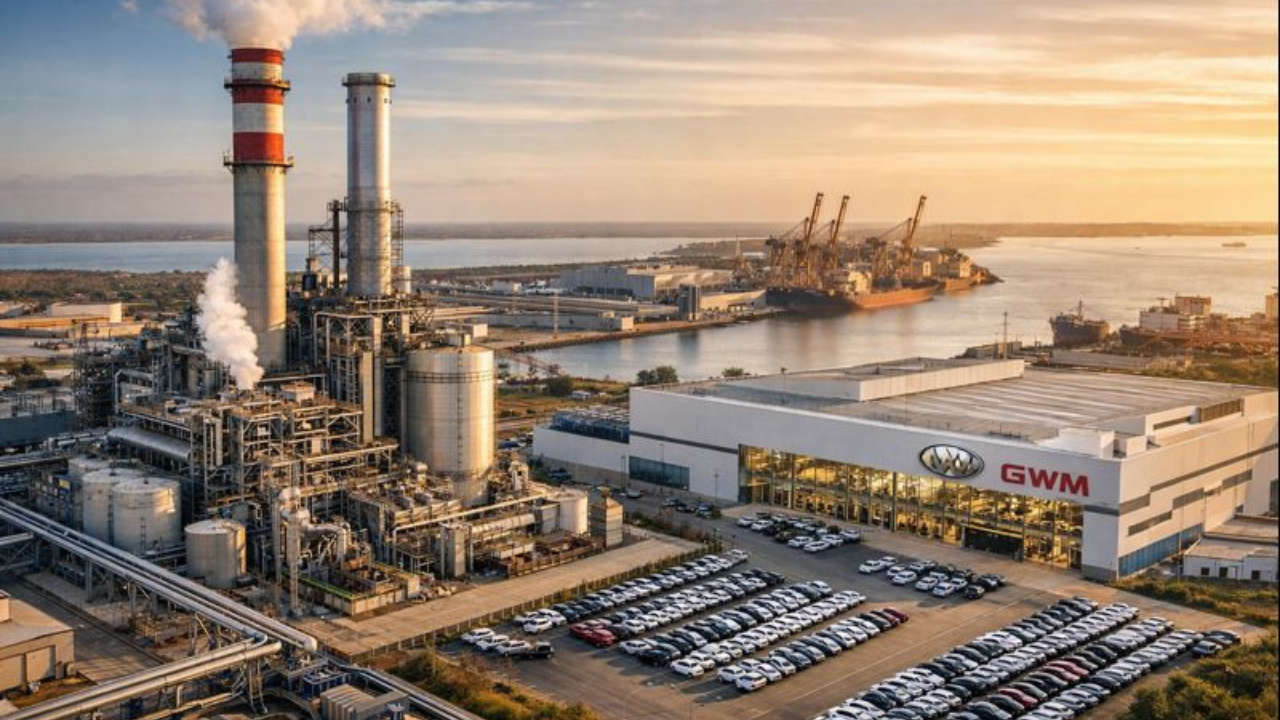
Thermal Power Plant in Rio Grande do Sul Is Key to Attracting GWM
-
Petrobras Refinery (Refap) Sets New Record: Production of 274.8 Million Liters of S-10 Diesel in November Boosts Supply of Clean Fuels
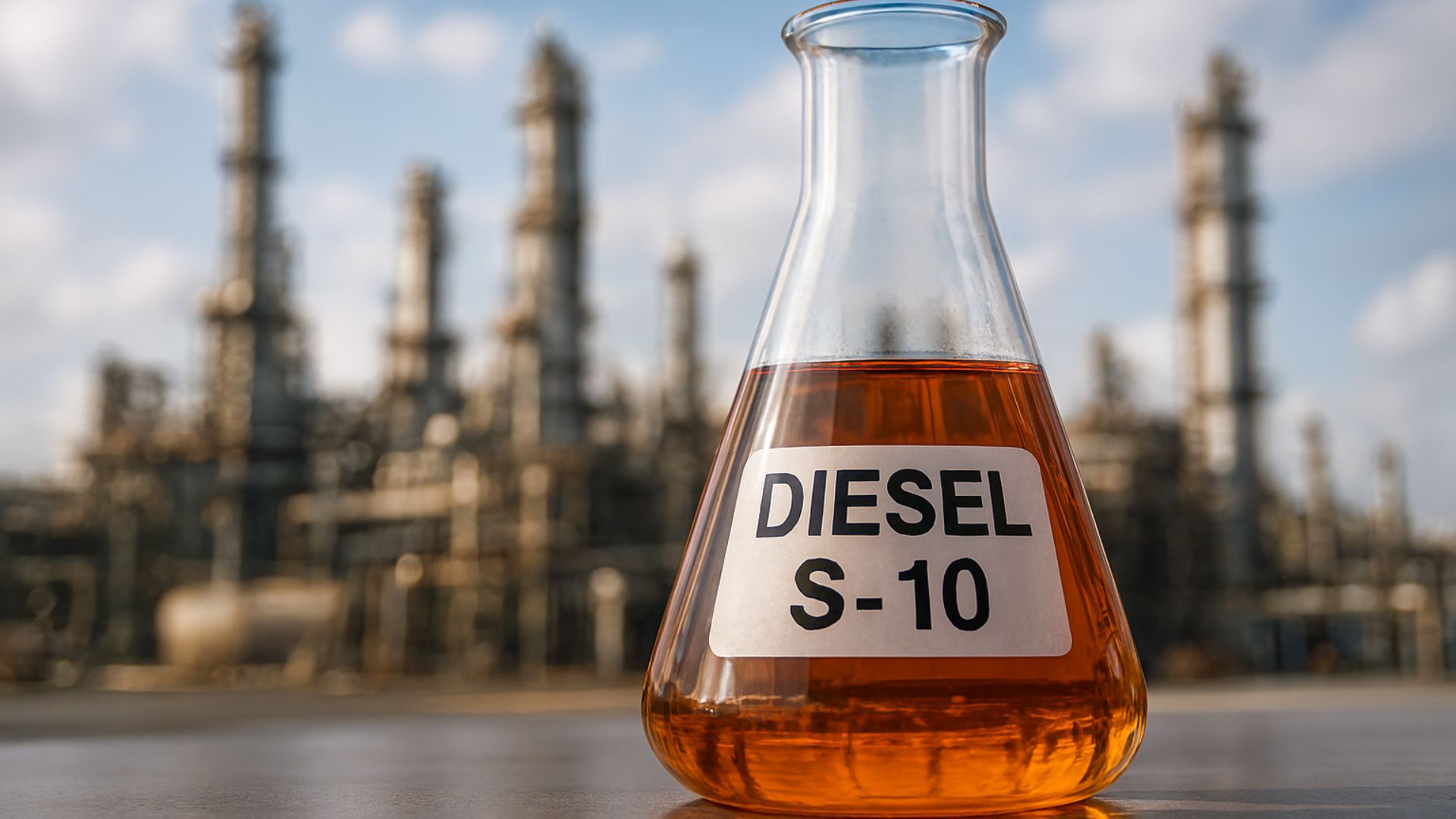

The start of operations represents a new cycle for the refinery. The project incorporated more modern hydrotreatment technologies, crucial for improving the quality of the produced diesel and significantly reducing sulfur content. This allows Revap to continuously and extensively supply S-10 diesel.
Additionally, the modernization included system integration, equipment upgrades, and improvements in operational reliability, reducing risks of unplanned outages and increasing the stability of the industrial process.
Modernized HDT Allows for an 80% Increase in S-10 Diesel Production from Petrobras
The increase of approximately 80% in S-10 diesel production is a direct result of the revamp of the modernized HDT, which enabled a reorganization of Revap’s refining park. Part of the capacity previously allocated to S-500 diesel has been redirected to lower sulfur content diesel.
This decision clearly reflects a response to market changes. S-10 diesel is widely adopted in the country, driven by stricter environmental regulations, technological advancements in engines, and the need to reduce vehicular emissions.
With the increase in capacity, Revap is now more aligned with environmental demands and consumer and fleet expectations, ensuring regular supply and greater logistical predictability.
Petrobras Reinforces Strategy of Efficiency, Reliability, and Less Polluting Fuel
The initiative integrates into Petrobras’ broader strategy of modernizing the Brazilian refining park. The focus is on energy efficiency, operational reliability, and expanding the production of less polluting fuel, within the current technological limits of the sector.
The modernization of the HDT is not just a technical investment. It is a strategic decision that increases the operational flexibility of the refinery, optimizes the utilization of refining streams, and reduces losses throughout the production process.
By strengthening S-10 diesel production, Petrobras enhances its capacity to meet domestic demand, potentially reducing dependence on imports and maintaining its position as the leading supplier of derivatives in the Brazilian market.
S-10 Diesel as Less Polluting Fuel in the Current Transportation Matrix
The S-10 diesel has significantly lower sulfur content than previous versions, resulting in lower emissions of atmospheric pollutants, such as sulfur oxides and particulate matter. This directly contributes to improving air quality, especially in urban areas and logistical corridors.
Although still a fossil derivative, S-10 diesel is considered a transition fuel. It allows for immediate environmental gains while the sector advances toward alternatives such as biofuels, electrification, and new propulsion technologies.
Furthermore, the use of S-10 diesel increases the durability of modern engines, reduces maintenance costs, and meets the environmental standards required by vehicle manufacturers and Brazilian legislation.
Statement from Revap Management on the Modernized HDT
For the refinery management, the start of operations of the modernized HDT represents a significant milestone. Alexandre Coelho Cavalcanti, general manager of Revap, emphasized that the project reinforces the unit’s commitment to operational efficiency and sustainability.
The executive states that the start of the modernized HDT’s operations represents an important milestone for Revap. According to him, the increase in S-10 diesel production ensures the capacity to meet current and future market demands with safety and reliability.
The statement reinforces Petrobras’ vision that modernization in refining is essential to maintaining competitiveness, ensuring national supply, and meeting increasingly stringent environmental demands.
Strategic Importance of Revap in Petrobras’ Refining System
The Revap is one of the most relevant refineries in the country. With a processing capacity of up to 252,000 barrels of oil per day, it accounts for approximately 14% of Petrobras’ total derivatives production, playing a central role in national supply.
Its operation goes beyond diesel. The refinery stands out in the production of aviation kerosene, meeting approximately 75% of the demand at São Paulo’s Guarulhos International Airport, one of Latin America’s largest air hubs.
Additionally, Revap supplies gasoline and liquefied petroleum gas (LPG) to the Metropolitan Area of the Vale do Paraíba and the North Coast of São Paulo, reinforcing its importance for regional energy security.
Impacts of the Expansion of S-10 Diesel on the Brazilian Market
The increase in S-10 diesel production at Revap generates direct impacts on the market. The rise in supply reduces risks of logistical bottlenecks, improves supply predictability, and strengthens the competitiveness of the less environmentally impactful fuel.
In a scenario of growing demand for cleaner fuels, the additional capacity is strategic. It enables the fulfillment of both internal consumption and potential logistical needs during periods of higher demand.
Moreover, the initiative contributes to reducing emissions associated with road transport, a sector that still accounts for a significant share of emissions in Brazil.
Industrial Modernization and Operational Gains with the Modernized HDT
The modernized HDT incorporates improvements that go beyond increased production. The unit now operates with greater energy efficiency, lower specific consumption, and higher reliability, which are fundamental factors for reducing operational costs over time.
These gains increase the refinery’s resilience. In an environment of price volatility and increasing regulatory demands, more efficient units have a greater capacity for adaptation and response.
The modernization also reinforces industrial safety standards, a critical aspect for large-scale operations in the oil and gas sector.
A Strategic Step for Refining, the Market, and the Environment
The start of operations of the modernized HDT at Revap, at the end of December 2025, consolidates a relevant advancement for Brazilian refining. The approximately 80% increase in S-10 diesel production enhances the supply of the less polluting fuel, reduces emissions, and meets the demands of the market and environmental legislation.
The project demonstrates that industrial efficiency and environmental responsibility can go hand in hand. By investing in the modernization of its refineries, Petrobras reinforces its strategic role in national supply and contributes to a gradual, safe energy transition aligned with the reality of the country.








Seja o primeiro a reagir!