





 Portuguese
  English
  Spanish
  8 min of reading
  0 comments


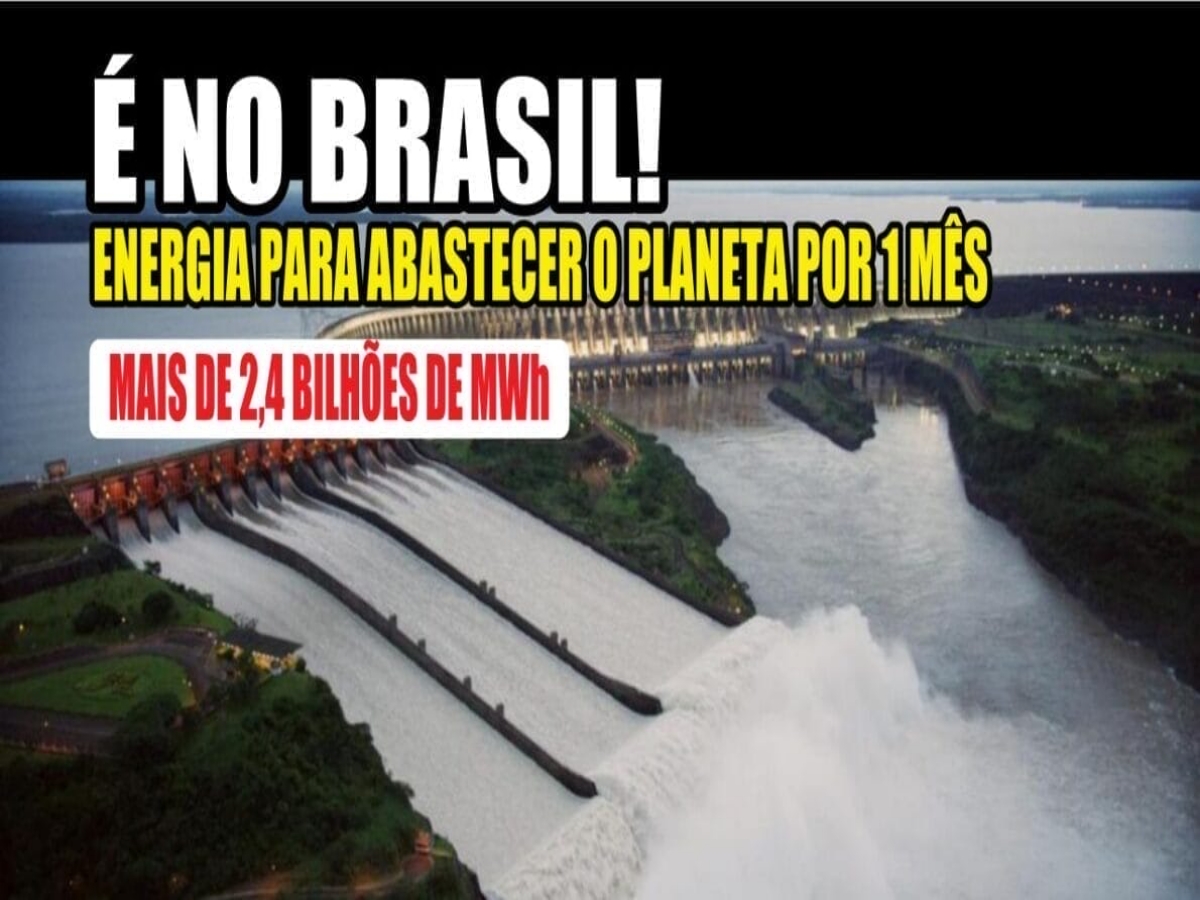
Itaipu Became The First Hydroelectric Plant In The World To Exceed The Mark Of 100 Million MWh Of Annual Energy, Surpassing The Chinese Plant Three Gorges
The Itaipu Hydroelectric Plant, the largest in the world in energy production, represents an impressive milestone in engineering. Developed jointly by Brazil and Paraguay, this binational power plant is located on the Paraná River, on the border between the two countries.
The Itaipu project consists of a series of dams that, together, total 7,919 meters in length. To give an idea of the magnitude, the height of the main dam is 196 meters, equivalent to a 65-story building. Constructing this monumental work required meticulous planning and a phenomenal amount of materials. Next, we will explore the details of this colossal construction, the largest energy producer on the planet.
Itaipua Is The Largest Producer Of Clean And Renewable Energy On The Planet, With Over 2.7 Million GWh
Itaipu has 20 generating units and an installed capacity of 14 gigawatts (GW), providing about 10.8% of the energy consumed in Brazil and 88.5% of Paraguayan consumption. This achievement makes it the largest producer of clean and renewable energy on the planet, with over 2.7 million GWh produced since it began operation.
-
Florianópolis will receive a million-dollar BRT that will begin construction in 2026 with nearly 400 million in funding from the federal government and the Inter-American Development Bank, and the map already shows the routes for the exclusive bus corridors.

-
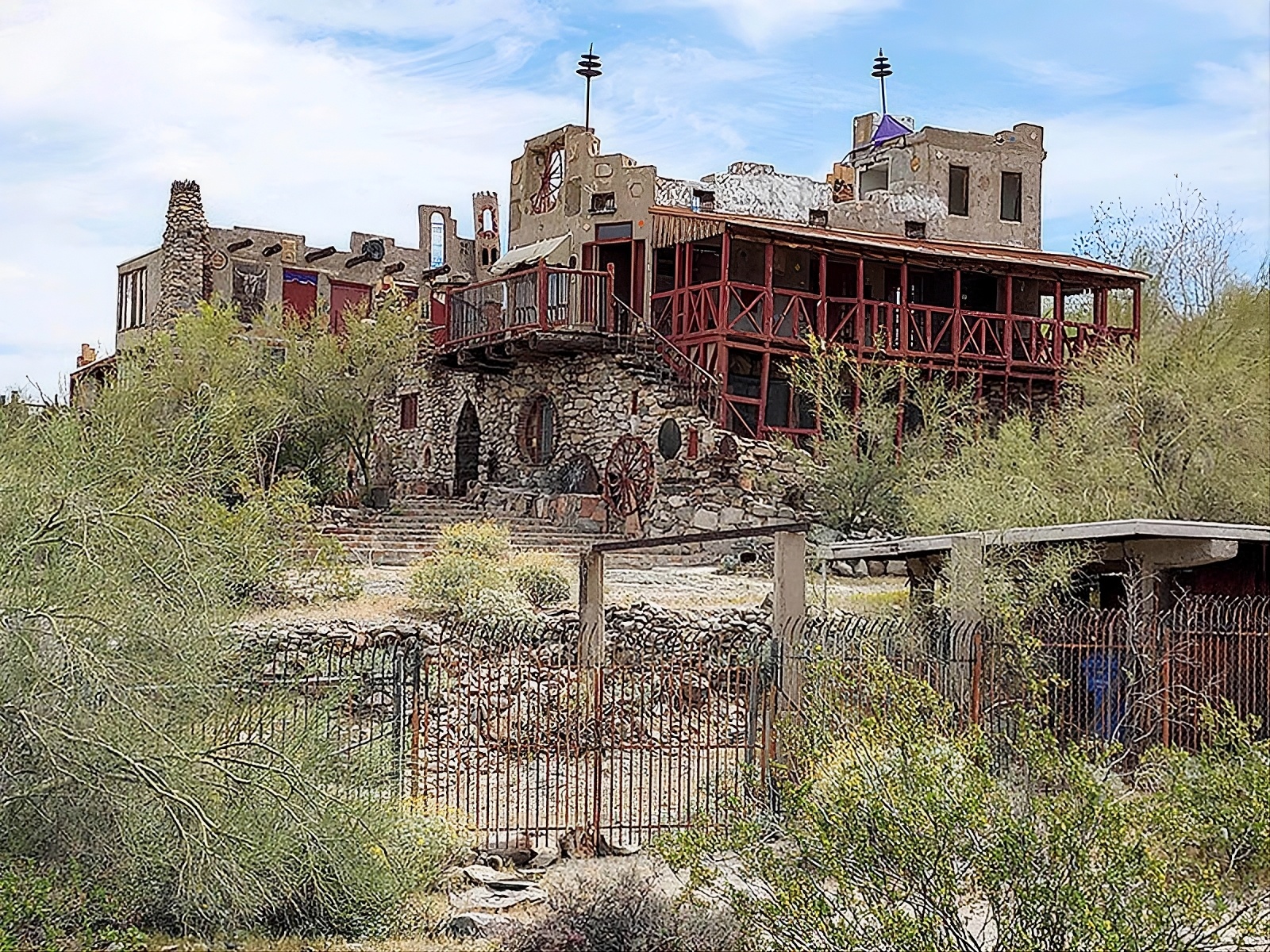
Without a blueprint, without an engineer, and using scrap from the dump, a father spends 15 years building an 18-room castle for his daughter, featuring tram tracks, 13 fireplaces, and over 700 m², which may now be demolished.
-
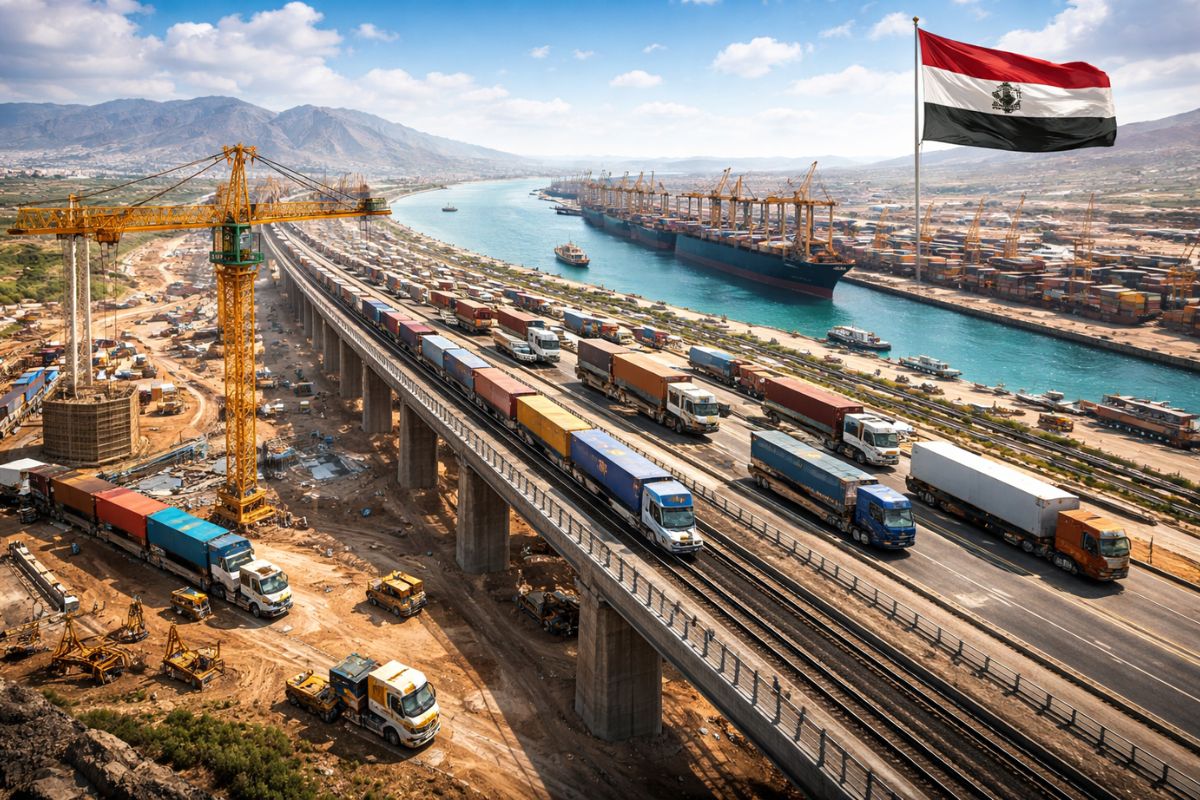
A megaproject worth R$ 89 billion is advancing in Iraq and promises to change the game in global trade by creating a new corridor between Asia and Europe, reducing traditional routes and repositioning the country as a logistics powerhouse.
-
Goodbye bedside table: floating shelves become a trend in 2026 by freeing up space in the bedroom, improving circulation, bringing visual lightness, and integrating technology without taking up floor space.


To understand the magnitude of this production, this accumulated energy would be enough to meet Brazil’s demand for approximately 5 years and 3 months, or the world’s demand for 1 month, 10 days, and 19 hours. Comparatively, Brazil would need to burn 588 thousand barrels of oil per day to obtain the same energy output that Itaipu generates in thermoelectric plants.
Stages Of The Power Plant Construction
The construction of the Itaipu Hydroelectric Plant began in the 1960s, when the governments of Brazil and Paraguay signed an agreement to study the hydraulic potential of the Paraná River section. In 1974, Itaipu Binacional was born, the entity responsible for the construction and operation of the plant.
The project was carried out in several phases, with construction starting in 1975 and completing, according to the initial plan, in 2016. The official inauguration took place in 1984, but only in 2016 were all 20 generating units operating at full capacity.
First Phases Of The Construction
Between 1975 and 1978, crucial activities took place such as the excavation of the Paraná River diversion channel and the construction of the rockfill dam. The installation of the industrial site and the execution of control structures were also carried out during this period.
From 1978 to 1982, the construction of the main dam, right side dam, and other earth and rockfill dams took shape. At the same time, the main electromechanical assemblies began to be implemented.
Itaipu Started Generating Energy In May 1984
From 1982 to 1986, the gates of the diversion control structure were closed, forming the reservoir. In May 1984, Itaipu began generating energy, reaching a level close to 90 million megawatt-hours (MWh) of energy starting in 2006.
Between 1986 and 1991, the construction of the powerhouse of the diversion channel was completed, along with the assembly of generating units up to the 18th. Later, from 2000 to 2007, the last two generating units were installed, completing the 20 units planned in the original project.
Planning And Executing A Work Of The Magnitude Of The Itaipu Hydroelectric Plant Presented Formidable Challenges.
Planning and executing a work of the magnitude of the Itaipu Hydroelectric Plant presented formidable challenges. From ensuring that all materials met technical specifications to verifying the properties of materials and concretes, engineers faced and overcame various difficulties.
They established rigorous information and control routines and trained professionals to ensure the quality and safety of the construction. Additionally, they created working conditions that maintained the motivation of the employees throughout the extensive construction period.
Diplomacy And International Cooperation In The Construction Of The Itaipu Hydroelectric Plant
The construction of the Itaipu Hydroelectric Plant was not only an engineering feat but also a diplomatic milestone between Brazil and Paraguay. The region of Salto de Sete Quedas, now covered by the plant’s lake, was an area disputed by the two countries since the 18th century.
The Paraguayan War (1865-1870) exacerbated the border dispute in the Sete Quedas region. The 1872 Peace Treaty established that the territories should be divided by the Paraná River up to the Salto and by the crest of the Maracaju Mountain Range.
Diplomatic Solution: Iguaçu Agreement
In the 1960s, the discovery of the hydroelectric energy potential of the Paraná River reignited the dispute. Instead of confronting each other, Brazil and Paraguay chose to join forces. The result of these negotiations was the Iguaçu Agreement, signed on June 22, 1966, by the foreign ministers of both countries.
This joint declaration expressed the willingness to study the utilization of hydraulic resources collectively held by both countries, in the section of the Paraná River from Salto de Sete Quedas to the mouth of the Iguaçu River. From this cooperation, Itaipu Binacional was born.
Creation Of Itaipu Binacional Caused Tensions With Argentina
In May 1974, the binational entity Itaipu was formed to manage the construction of the plant, structured as an international company. The legal solution found was one of the contributions of the jurist Miguel Reale. Thus, the land dispute at the border was overcome.
However, the creation of Itaipu caused tensions with Argentina, which feared that the plant would harm its rights over the waters of the Paraná River. The issue was discussed at the United Nations General Assembly in 1972, but the project moved forward.
The Construction Of The Plant Was Considered A Herculean Task
In 1973, Brazilian and Paraguayan technicians traveled the Paraná River by boat in search of the best location for the plant’s construction. After detailed studies with the support of a barge, they chose a stretch of the river known as Itaipu, which in Tupi means “the singing stone.”
The construction of the plant was considered a Herculean task, starting in 1974 with the arrival of the first machines at the construction site. Between 1975 and 1978, the area transformed into a “hive” of human activity, with the construction of over 9,000 homes and a hospital to house the workers.
Transport Of Materials Mobilized 20,113 Trucks And 6,648 Freight Cars.
The magnitude of the Itaipu project required impressive logistics. In 1980, the transportation of materials mobilized 20,113 trucks and 6,648 freight cars. The demand for labor was so high that it caused immense lines at the sorting centers of the consortia.
With the concrete almost finished, the assembly of the generating units was the next phase. Transporting entire parts from the factories to the plant was a logistical challenge, with the first turbine wheel, weighing 300 tons, taking three months to arrive from São Paulo to the construction site.
The Paraná River And The Dam
The dam works were completed in October 1982, but work on Itaipu did not stop. The closing of the diversion channel gates began the formation of the plant’s reservoir. Operation Mymba Kuera, which means “animal rescue” in Tupi-Guarani, saved the lives of 36,450 animals in the area to be flooded.
Due to heavy rains and floods at that time, the currents of the Paraná River took 14 days to fill the reservoir. The resulting water surface covered 135 thousand hectares, equivalent to four times the size of Guanabara Bay.
An Energy Giant
The construction of Itaipu also meant the discovery of the huge energy potential of the Paraná River. Before the plant, only a small hydropower plant lit up the city of Guaíra and a military company. In 1962, studies proposed a plant with a capacity of 10 thousand megawatts, but the idea did not go ahead.
The signing of the Itaipu Treaty in 1973 coincided with the global oil crisis, intensifying the exploration of renewable energy sources. Itaipu Binacional nearly doubled Brazil’s energy generation capacity and consolidated the use of river power as a source of clean and renewable energy.
The Magnitude Of Itaipu’s Energy Production
The Itaipu Hydroelectric Plant became an energy powerhouse, with the first mechanical spin of a turbine occurring on December 17, 1983. Finally, on May 5, 1984, the plant began producing energy, when the first of the 20 generating units was put into operation.
In the first seven years, 18 generating units were installed. In 2000, the plant reached a new world production record by generating 93.4 billion kilowatt-hours (kWh). In 2004, upon completing 20 years of activity, Itaipu had produced enough energy to power the world for 36 days.
The Completion Of The Work: Itaipu Reached The Historic Mark Of 2 Billion Megawatt-Hours (MWh) Of Energy
May 2007 marked the operation of the last two generating units planned in the original project, thus completing the 20 generating units in operation. With favorable conditions of the Paraná River, including normal rainfall levels across the basin, the plant’s energy generation could reach 100 billion kWh.
On August 8, 2007, Itaipu reached the historic mark of 2 billion megawatt-hours (MWh) produced since it began operation in 1984. This amount of energy would be enough to meet world consumption for 39 days, or Brazil’s consumption for four years and eight months, or Paraguay’s consumption for 183 years.
Energy Records
In 2016, Itaipu became the first hydroelectric plant in the world to exceed the mark of 100 million MWh of annual generation, reaching a total of 103,098,366 MWh. This achievement surpassed the previous record of 98.8 million MWh set by the Chinese hydroelectric plant Three Gorges in 2014.
In addition to being the largest hydroelectric plant in the world in accumulated production, since the beginning of its operations, Itaipu generated over 2.4 billion MWh by 2016. This milestone reaffirms the importance of the plant as a producer of clean and renewable energy, significantly contributing to the energy matrix of both countries.
Importance Of Clean Energy: Itaipu’s Energy Production Avoids The Need To Burn 588 Thousand Barrels Of Oil Per Day,
Itaipu’s energy production avoids the need to burn 588 thousand barrels of oil per day, which would be necessary to generate the same amount of energy in thermoelectric plants. This highlights the relevance of the plant in promoting a more sustainable and less polluting energy matrix.
Moreover, the energy generated by Itaipu contributes to the reduction of greenhouse gas emissions, reinforcing the commitment of Brazil and Paraguay to sustainability and environmental preservation. The plant is an example of how international cooperation can result in significant benefits for the involved countries and for the planet.
Itaipu Is Recognized As One Of The Seven Wonders Of The Modern World
Itaipu is recognized as one of the Seven Wonders of the Modern World, a choice made by engineers from around the world in 1995, in an election promoted by Popular Mechanics magazine. Between 1975 and 1978, more than 9,000 houses and a hospital were built to accommodate professionals working on the project.
At that time, Foz do Iguaçu was a city with only two paved streets and about 20,000 inhabitants. In a decade, the population grew to 101,447 people, completely transforming the region and contributing to its socioeconomic development.
Discover The Secrets Of The Largest Energy Producer On The Planet Itaipu Binacional
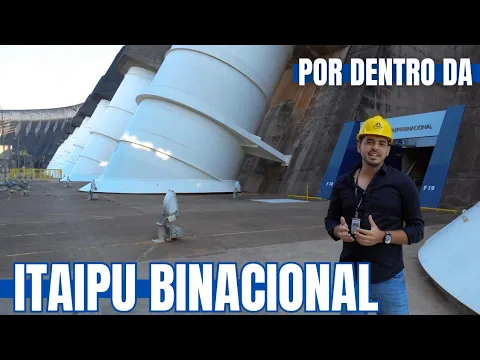

I would love to know if you already knew the incredible story of the Itaipu plant. Tell us in the comments section if you have ever worked on a project like this. Don’t forget to leave 5 stars and activate CPG notifications to keep up with all the news from the world of energy and construction. Until next time!







Seja o primeiro a reagir!