





 Portuguese
  English
  Spanish
  4 min of reading
  2 comments


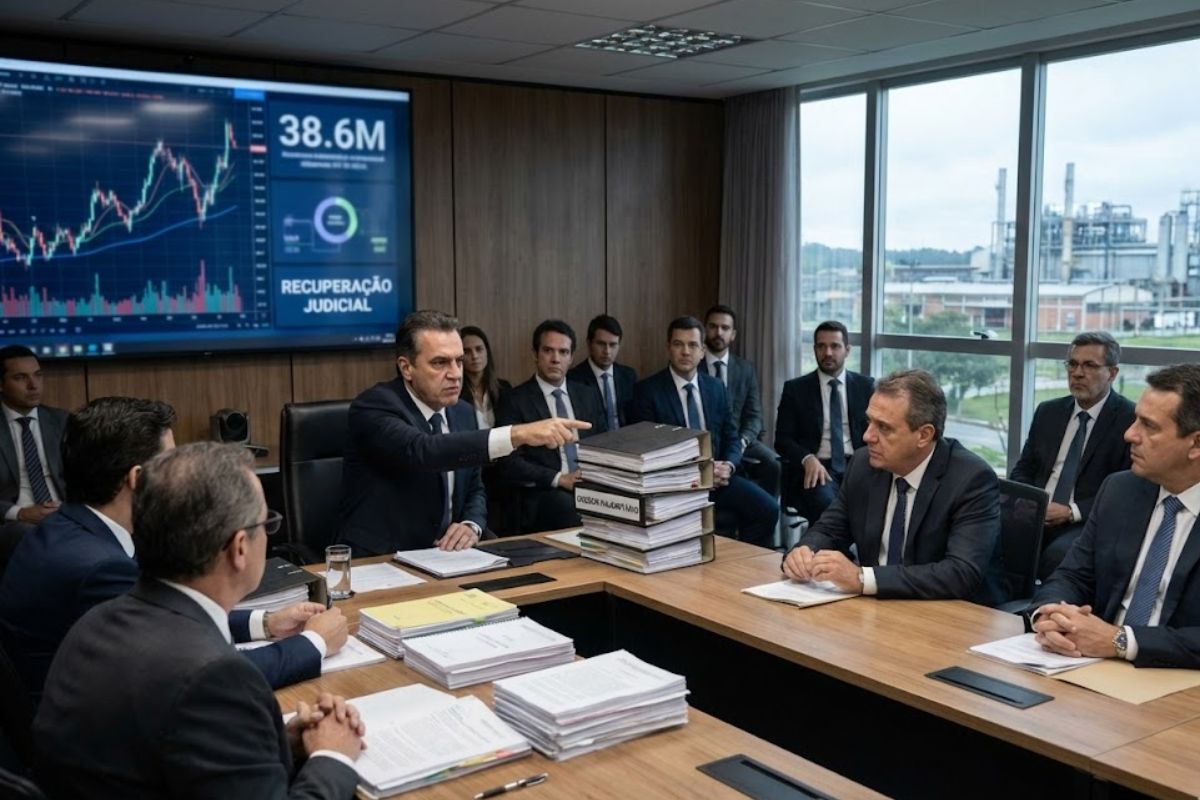


RVB Malhas, Company That Took a Million-Dollar Bad Debt from Yeesco, Concentrated 76.47 of the Debts Subject to the Assembly, Rejected the Plan with a 45 Percent Discount and a Ten-Year Term, and, with Its Isolated Vote, Precipitated the Declaration of Bankruptcy of the Mighty Textile from Santa Catarina at the General Creditors Assembly Held.
The bankruptcy of the mighty textile company Yeesco gained a new chapter with the revelation of the name of the company that took a bad debt of 38.6 million reais and concentrated almost all the decision-making power over the future of the recovering company: RVB Malhas. The creditor became a central piece to understand why the attempt at judicial recovery ended up leading to bankruptcy.
Holder of 76.47 of the liabilities subject to the general creditors assembly, RVB Malhas rejected the judicial recovery plan, which provided for a 45 percent discount and a ten-year term for payment, and its vote ultimately opened the way for the declaration of bankruptcy after a flood of claims and million-dollar debts. With the weight of its credit and the refusal of the offered conditions, the company consolidated the harshest possible outcome for Yeesco.
The Company That Took a Bad Debt and Became a Dominant Creditor
According to the process, the company that took a bad debt is RVB Malhas.
-
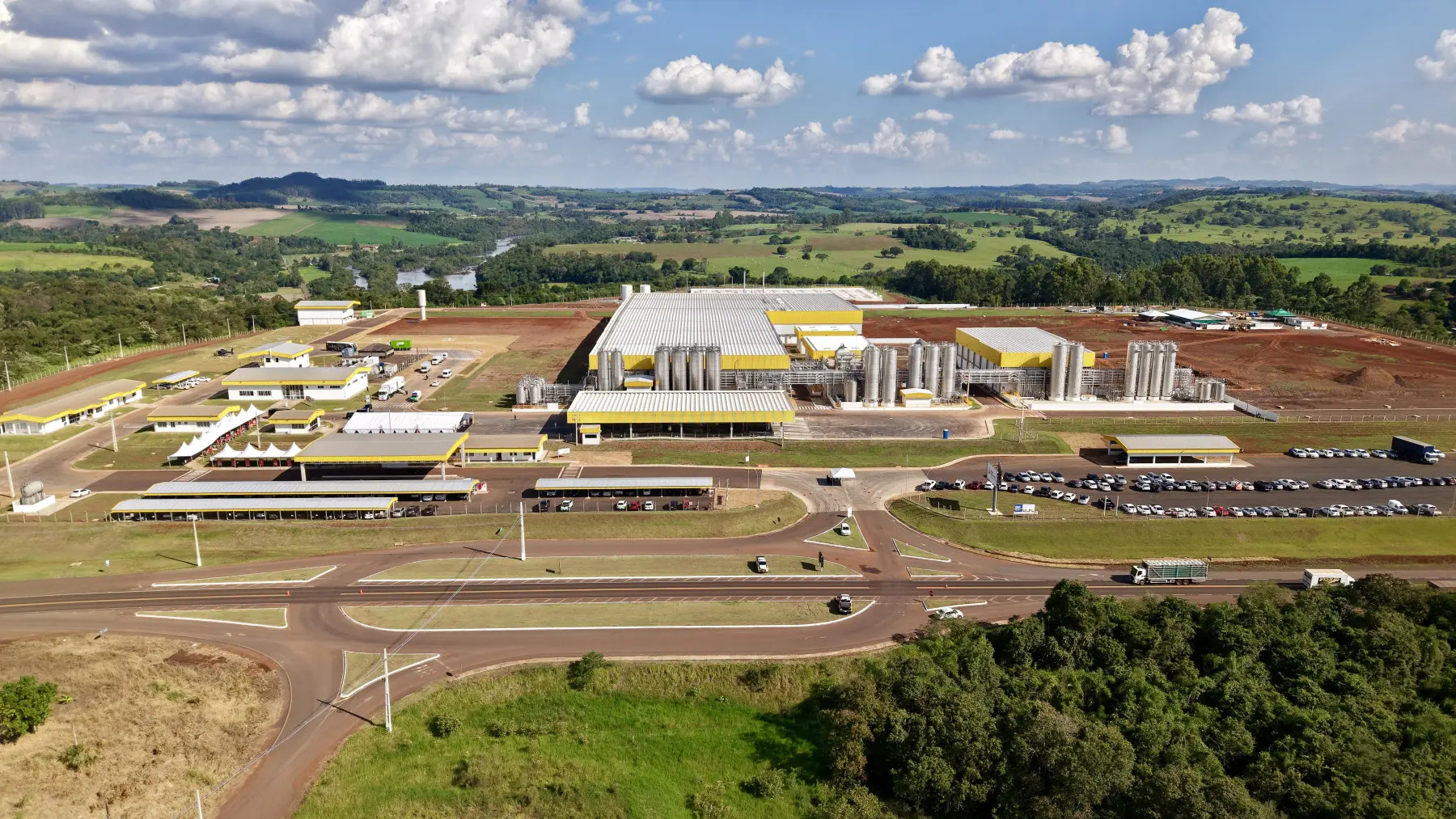
With an investment of R$ 612 million, a capacity to process 1.2 million liters of milk per day, Piracanjuba inaugurates a mega cheese factory that increases national production, reduces dependence on imports, and repositions Brazil on the global dairy map.
-
Brazilian city gains industrial hub for 85 companies that is equivalent to 55 football fields.

-
Peugeot and Citroën factory in Argentina cuts production by half and opens a layoff program for more than 2,000 employees after Brazil drastically reduced purchases of Argentine vehicles.

-
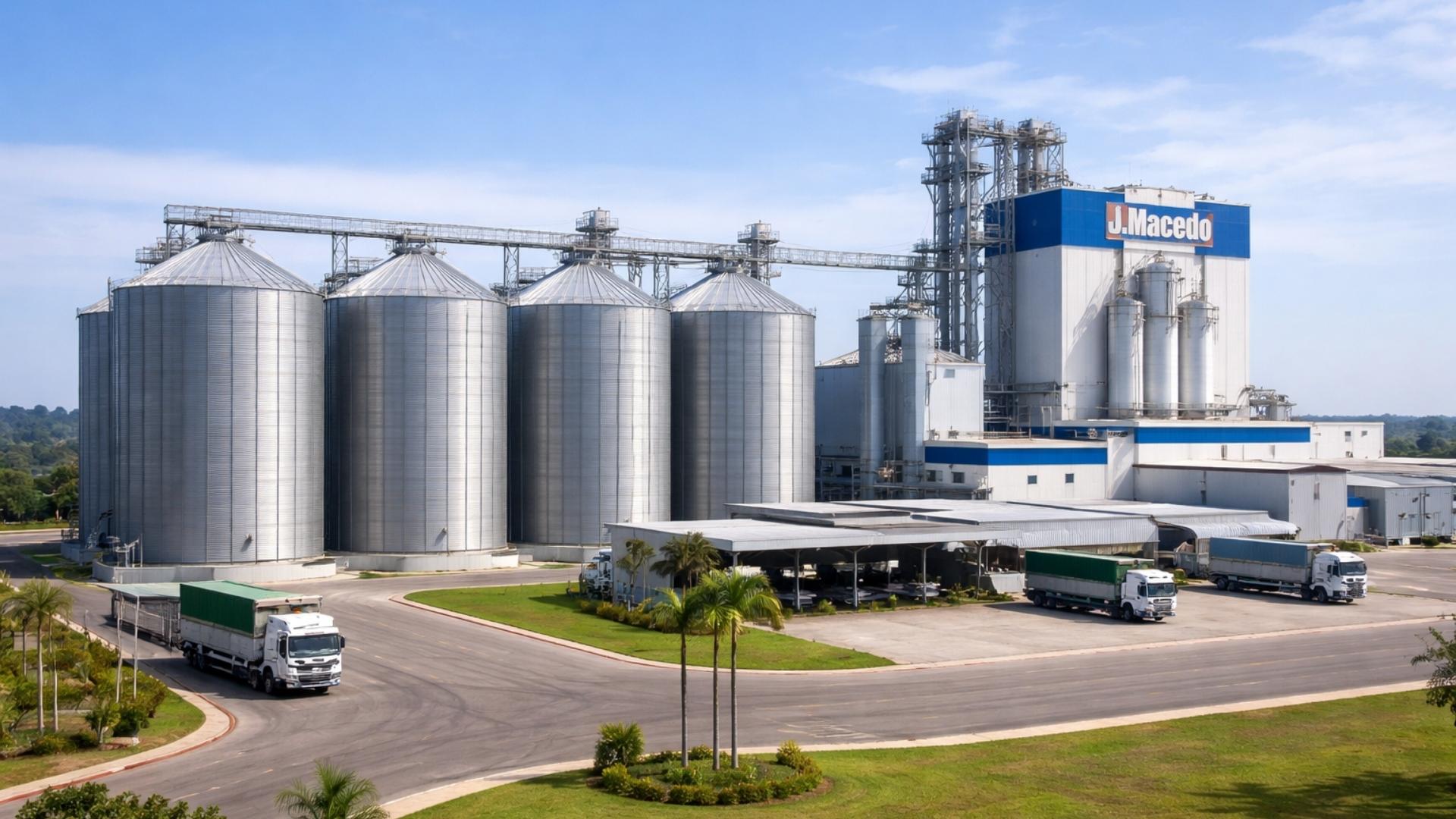
A Brazilian city gains a factory worth R$ 300 million with the capacity to process 200 thousand tons of wheat per year, a mill of 660 tons/day, silos for 42 thousand tons, and an industrial area of 276 thousand m².

Yeesco owed the creditor 38.6 million reais, out of a total of 50.47 million in debts subject to deliberation at the general creditors assembly, which represented 76.47 percent of all liabilities present in the vote.
Only in Class III, of unsecured creditors, RVB Malhas’s share reached 84.24 percent.
In practice, the creditor’s vote acted as an automatic veto to the judicial recovery plan presented, as any contrary position from the company was enough to overturn the proposal built by the recovering company.
How the Creditor’s Vote Overturned the Plan of Yeesco
With this dominance over the voting liabilities, the decision of RVB Malhas was decisive in the outcome of the judicial recovery.
Although other creditors also positioned themselves against, the concentration of credits meant that the final result reflected, above all, the creditor’s position.
The plan of Yeesco was ultimately rejected by 80.83 percent of the present credits, by value criterion, remaining far from the minimum quorum required for approval or even for a potential cram down.
Without sufficient support and with the weight of the company that took the bad debt against the proposal, the Judiciary had no alternative but to move towards bankruptcy.
Who Is RVB Malhas, the Creditor That Destroyed the Giant
Founded in 1991 and based in Brusque, RVB Malhas is a consolidated textile industry, operating throughout Brazil and in countries in Latin America.
The company operates two manufacturing parks totaling over 30,000 square meters and employs more than 450 direct collaborators.
With a productive capacity of about 700 tons of fabric per month, the company supplies some of the largest brands in the sector, focusing on cotton, viscose, polyamide, and polyester bases, in addition to developing exclusive articles on demand.
One of the pillars of the operation is the constant investment in innovation, laboratory testing, and technical training.
This industrial size helps explain why RVB Malhas, the company that took a bad debt from Yeesco, had such a weight as a relevant creditor in the Santa Catarina textile segment.
Judge Rejected Abuse Thesis and Pointed Out Business Viability
In the understanding of RVB Malhas, the plan presented by Yeesco represented an excessive sacrifice. The proposal provided for a 45 percent discount and a ten-year term for payment, conditions that the creditor considered incompatible with its commercial interests and with the risk already assumed by being exposed to the million-dollar debt.
Yeesco tried to argue in court that the creditor was exercising abusive economic power by rejecting the plan.
The judge, however, did not accept the thesis. According to the court, disagreeing with the payment conditions, particularly to defend legitimate credit rights, does not characterize abuse.
Coupled with the categorical rejection of the plan and the inability to propose an alternative, which was ultimately rejected by 86.93 percent of the present credits, the conclusion was that there were no real conditions for continuity of activities.
Even in a legal environment that prioritizes the preservation of companies, the specific case of Yeesco was considered financially unfeasible.
And Now, What Happens to Employees and Other Creditors
With the declaration of bankruptcy, Yeesco ceases attempting recovery and has its assets used to pay, as far as possible, the line of creditors, in which RVB Malhas stands out for the volume of credit.
The company’s employees, in turn, can claim their labor rights, according to the order of preference defined by law and the progress of the bankruptcy process.
Other creditors are awaiting the liquidation of assets and the distribution of amounts, a stage in which the history of bad debts and the actions of the company that took a bad debt in the final assembly will remain at the center of discussions about responsibilities and economic consequences of the case.
In your opinion, did the company that took a bad debt act only to defend itself or should it have given one last chance to Yeesco’s plan?







A RVB TINHA Q COMPRAR A YESCO, COM O CREDITO Q TINHA LÁ E. DAR ANDAMENTO NA RECUPERAÇAO JUDICIAL, REDUSINDO E PARCELANDO OS RESTANTES DAS DIVIDAS.
Estão certíssimos se eles não entregam nem o que vendem imagina se vão honram uma dívida desse porte