





 Portuguese
  English
  Spanish
  5 min of reading
  0 comments


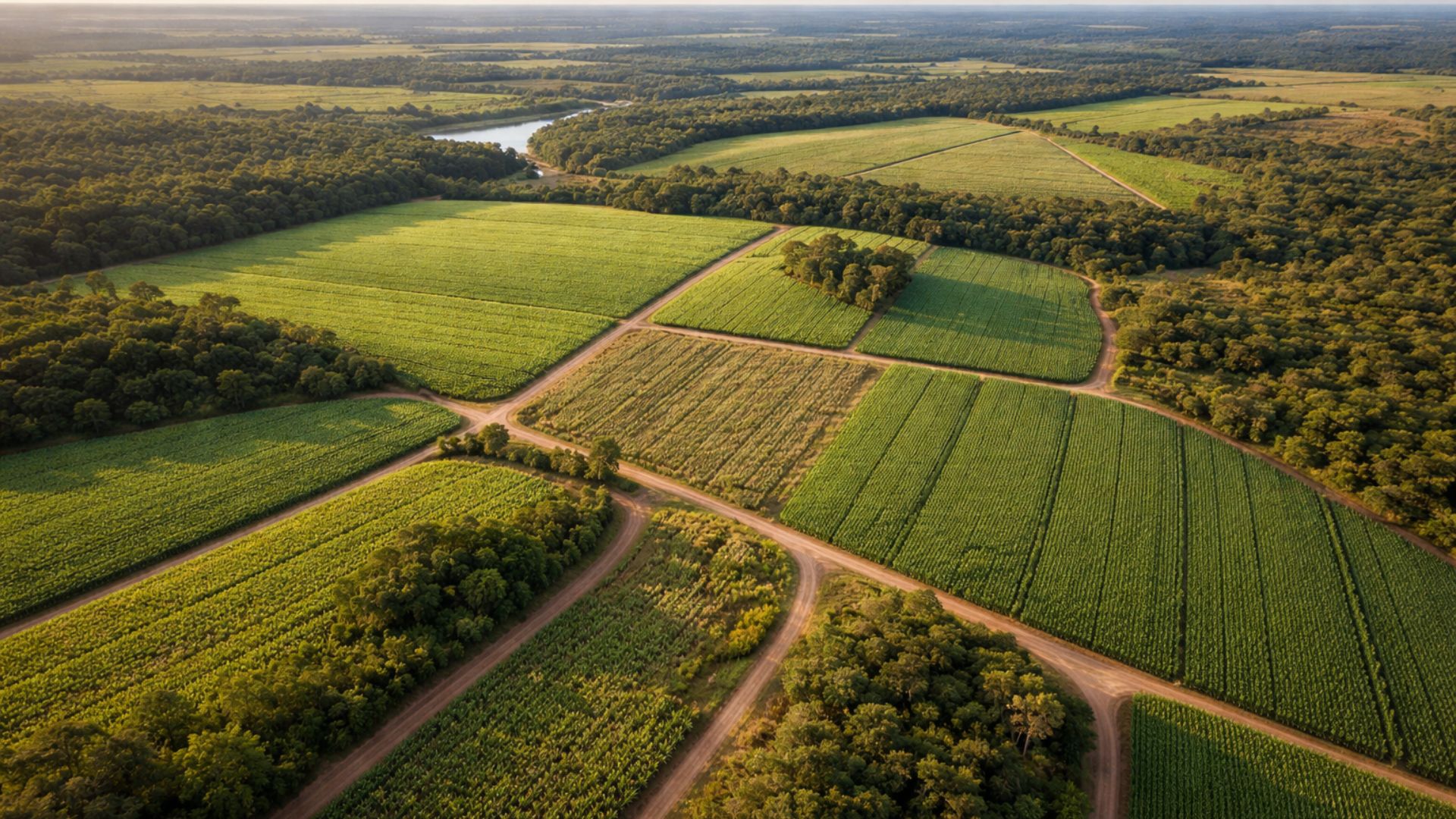
Regenerative Agriculture Changes the Profit Logic in the Field by Recovering Degraded Soil and Reducing Dependency on Inputs, with Cases Reporting Consistent Gains Without Expanding Area.
Regenerative agriculture has been changing the equation for farms operating with tight margins by combining soil recovery with reduced inputs and increased efficiency, in cases reporting profits above R$ 2,000 per hectare and cost reductions of up to 64%.
In the field, producers who depended on fertilizers and pesticides to sustain productivity have started to treat the land as a living system, with permanent cover, plant diversification, and biological management, seeking to stabilize costs and increase results without expanding area.
In regions like Goiás and Mato Grosso do Sul, the advancement of the model has been presented as an alternative for degraded areas, where the traditional response tends to be to intensify chemicals, raising expenses and keeping margins under pressure throughout the harvests.
-
The sugar-energy sector advances with agricultural technology, but agricultural productivity still raises concerns.

-
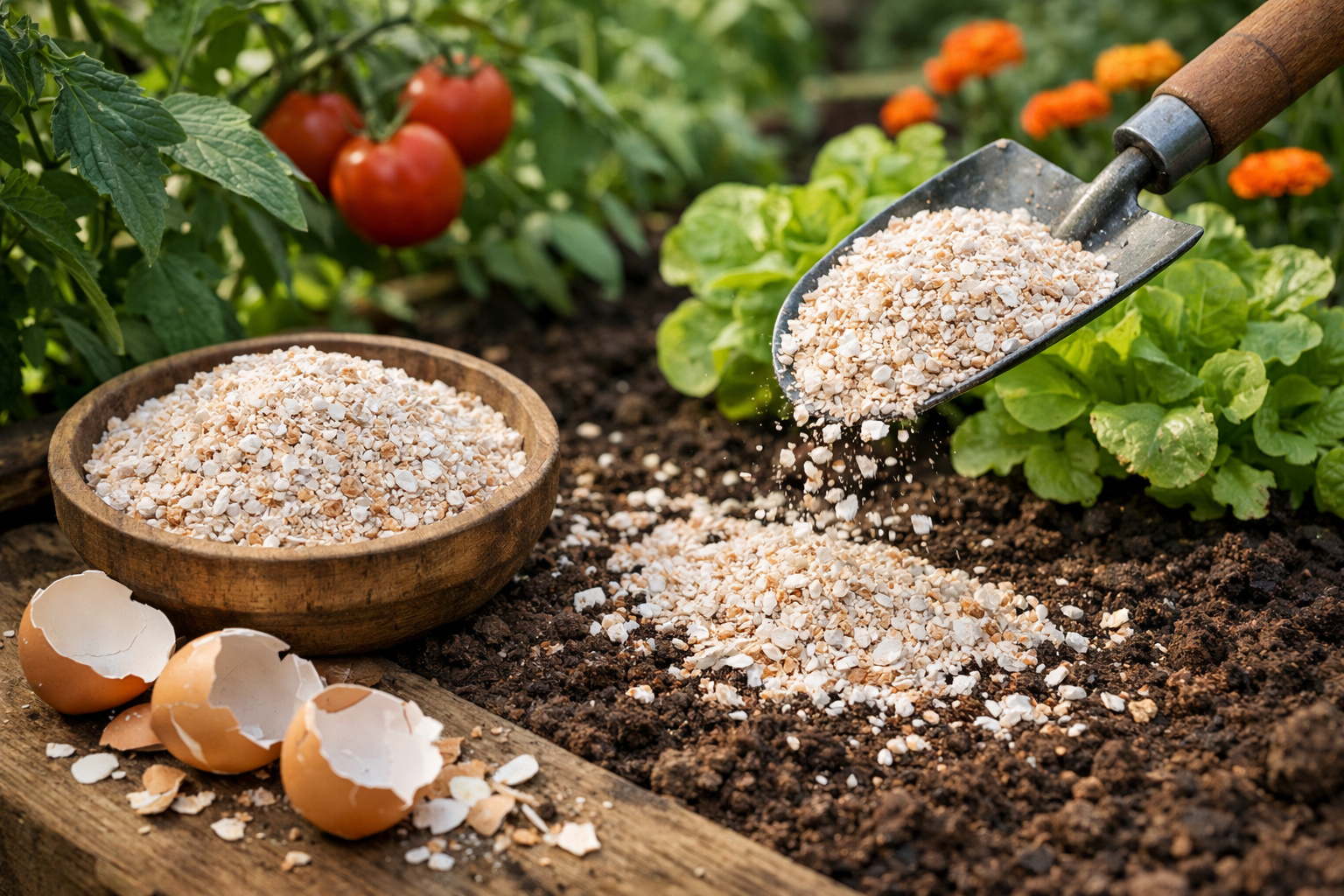
The eggshell that almost everyone throws away is made up of about 95% calcium carbonate and can help enrich the soil when crushed, slowly releasing nutrients and being reused in home gardens and vegetable patches.
-
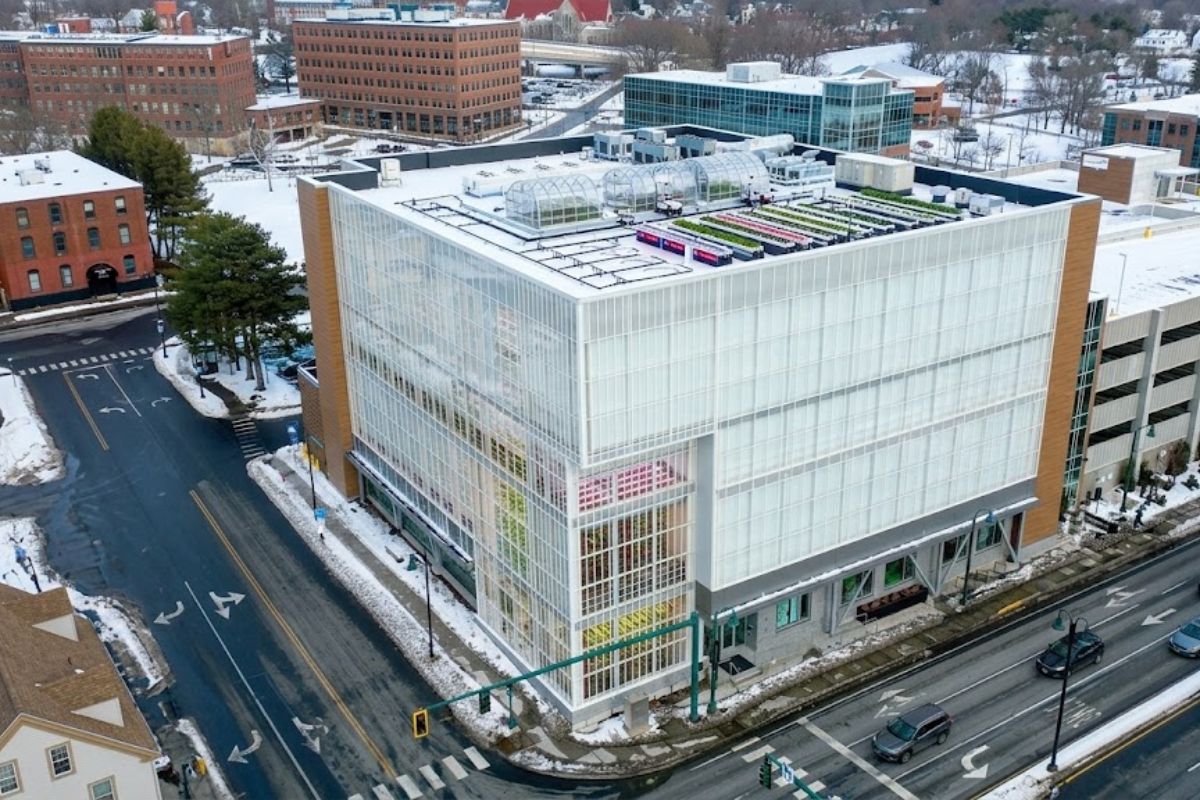
This farm in the United States does not use sunlight, does not use soil, and produces 500 times more food per square meter than traditional agriculture: the secret lies in 42,000 LEDs, hydroponics, and a system that recycles even the heat from the lamps.
-
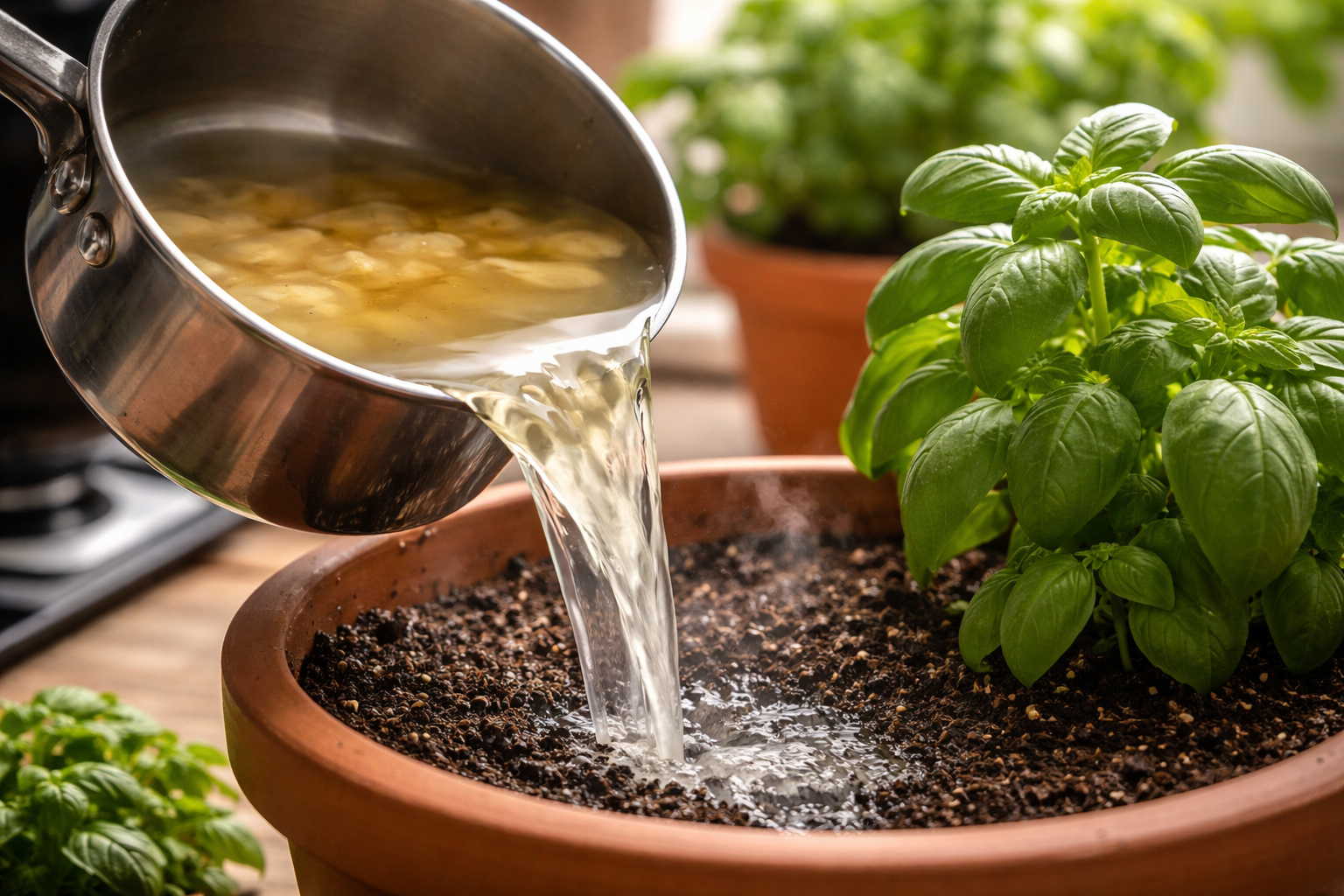
The water that almost everyone throws away after cooking potatoes carries nutrients released during the preparation and can be reused to help in the development of plants when used correctly at the base of gardens and pots, at no additional cost and without changing the routine.

Margin Per Hectare and the Invisible Cost of Soil
Low profitability, often estimated by producers as something between R$ 300 and R$ 400 per hectare, tends to walk alongside a less visible problem: the impoverishment of the soil after years of monoculture, compaction, and loss of organic matter, which compromises microbial activity.
With the soil biology weakened, the crop tends to require larger doses of fertilizers and pesticides to maintain production standards, forming a cycle in which productivity becomes a hostage to spending, and the cash flow first feels the price of fertilizers, insecticides, and fungicides.


In this scenario, the promise of regenerative management is to reduce dependency on external inputs by reactivating natural processes, substituting part of the “chemical fix” with ground cover, species diversification, and stimulation of soil life.
Fazenda Bom Jardim Lagoano and the Transition in Goiás
In Montividiu, in southwestern Goiás, Fazenda Bom Jardim Lagoano, with about 1,400 hectares of soybeans and corn, began the transition in search of cost relief, according to reports gathered in stories and interviews about the system adopted.
The change started on a controlled scale, with an experimental plot before expansion to the rest of the area, and was guided by gradual adjustments in management, focusing on cover crops, balanced nutrition, and progressive reduction of chemical applications.
Describing the starting point, agronomist Adriano Cruvinel stated that “the cost was high and we needed to find a solution to reduce it,” in a statement reproduced in a publication attributing the quote to Revista Novo Solo.
With the transition progressing over eight years, the figures associated with the case began to draw attention: cost reductions with peaks of up to 64%, significant decreases in the use of insecticides, and the elimination of fungicides in part of the harvests, according to reports released about the farm.
In another direct statement reproduced in the same coverage, the producer summarized the financial impact of the process by saying that “this set of integrated techniques and actions has already generated savings of over R$29 million,” attributing the result to the regenerative strategy applied on the property.
Reduction of Insecticides, Fungicides, and Use of Defensives
The reduction of insecticides, cited at 76% in the material that gathered the case data, is associated with a set of management decisions, which include better soil coverage and system balance, as well as more careful monitoring of pests and diseases.
When the vegetation cover is maintained and organic matter increases, the soil tends to gain structure, infiltration, and resilience, creating a less favorable environment for pest outbreaks and more responsive to nutrition, although results vary according to climate and historical context of the area.
Although the term “regenerative” sounds like a technological package, the reported practices tend to be presented as a combination of already known measures in the field, but integrated with discipline, measurement, and adaptation time, without total reform done all at once.
Regenerative Livestock Farming and Profit in Pasture Rebreeding

In Mato Grosso do Sul, the discussion about regeneration also appears in livestock farming, with a pasture rebreeding project at Fazenda Paraíso, in Paraíso das Águas, which recorded a profit of R$ 2,045.60 per hectare during the 2024/25 rainy season, according to a publication from Compre Rural.
The same material reports a partnership with Premix and contrasts the project’s results with a reference of average losses in conventional systems, reinforcing the view that precision management and nutrition can change the competitiveness of rebreeding compared to less efficient models.
Although agriculture and livestock farming have distinct dynamics, the common point highlighted in the experiences is the search for productivity with less dependence on inputs, supported by pasture planning, nutrition, and better functioning of the soil-plant-animal system.
Chapada Diamantina and the Soil Cover Experiment
In Bahia, reports on an experiment in Lençóis, in Chapada Diamantina, related the use of limestone, agricultural gypsum, cover crops, and minimal soil preparation to significant increases in nutrients measured in analyses, in an area described as naturally poor.
According to these publications, calcium and magnesium levels increased by over 1,000% and potassium advanced by 71% in seven months, in an initiative attributed to researchers from Embrapa Mandioca e Fruticultura in partnership with the company Bioenergia Orgânicos.
In addition to the chemical gain, the technical justification presented for this type of management is that the vegetation cover, when it dies and decomposes, becomes a source of organic matter, feeds microorganisms, and improves physical and biological attributes, which tends to sustain productivity with less erosion.
Investment Per Hectare and Start by Plots
The initial investment to convert the system, as estimated by Boston Consulting Group, is around R$ 2,800 per hectare, considering items such as biological soil analysis, cover crop seeds, bioinputs, and remineralizers.
On the other hand, the most frequent recommendation in the reported experiences is to start with smaller areas, to adjust management to the farm’s history, train the team, and compare costs and productivity with the previous system before expanding the change to the entire area.
The escalation of the topic in the Cerrado has also appeared in reports and economic projections: studies cited in reports indicate a potential return of up to US$ 100 billion by 2050 with regenerative practices, although the process involves significant investments and long-term coordination.
Regenerative Soy, Reg.IA, and Sustainability Award
A recent example of scale is the Reg.IA consortium, which announced a harvest of 149,000 tons of regenerative soy in its first harvest, across 36,600 hectares and 38 properties, with an average reported productivity of around 4 tons per hectare.
In the sector’s coverage, the reported productivity was presented as about 14% above the national average for soy in the 2024/25 harvest, citing a reference from Conab’s bulletin, and the project was also associated with an award for sustainability attributes in marketing.
Even with promising results, the reported cases themselves reinforce that the transition depends on consistency, measurement, and time, with signs of soil quality improvement within months and clearer effects in cost reduction starting from subsequent years, with no guaranteed shortcuts.








Seja o primeiro a reagir!