





 Portuguese
  English
  Spanish
  6 min of reading
  0 comments


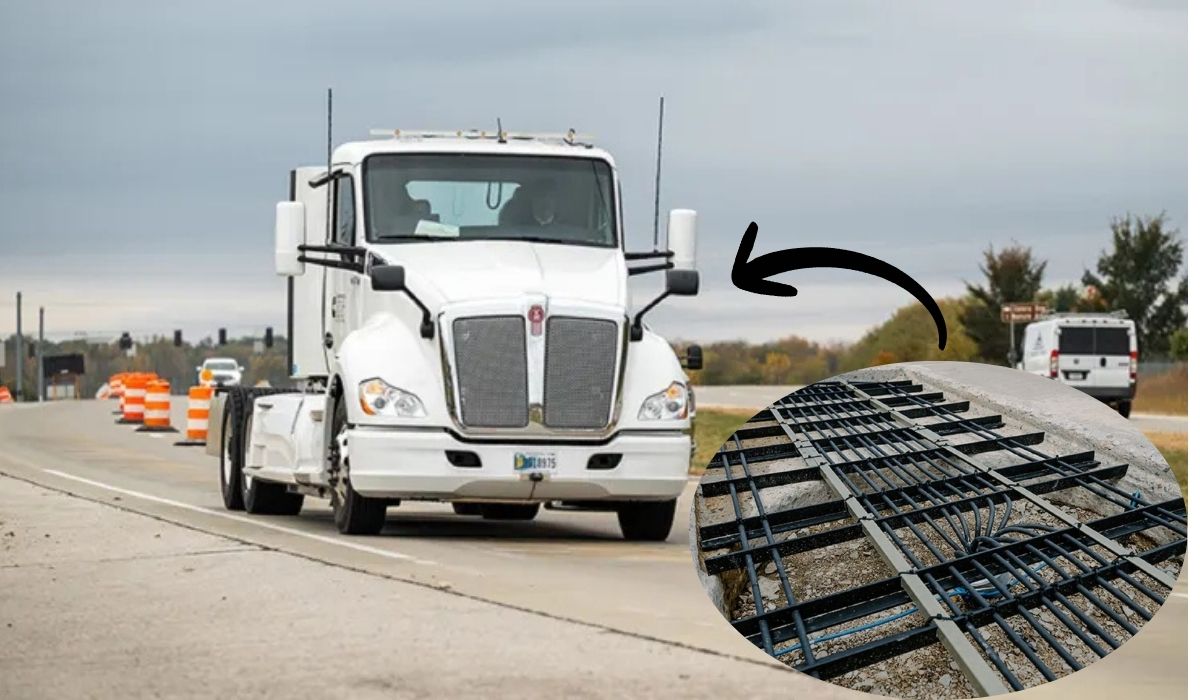
A Tested Technology on Public Roads Reignites the Debate on Electric Recharging in Motion, by Integrating Pavement and Heavy Vehicles in an Experimental System that Transfers Energy without Physical Contact while the Truck Travels at Highway Speed.
For years, the idea of recharging vehicles while they move has been discussed in academic environments and experimental projects.
It has appeared in prototypes, technical studies, and small-scale pilot programs.
In general, these tests have taken place outside busy traffic highways and without application to heavy vehicles.
-
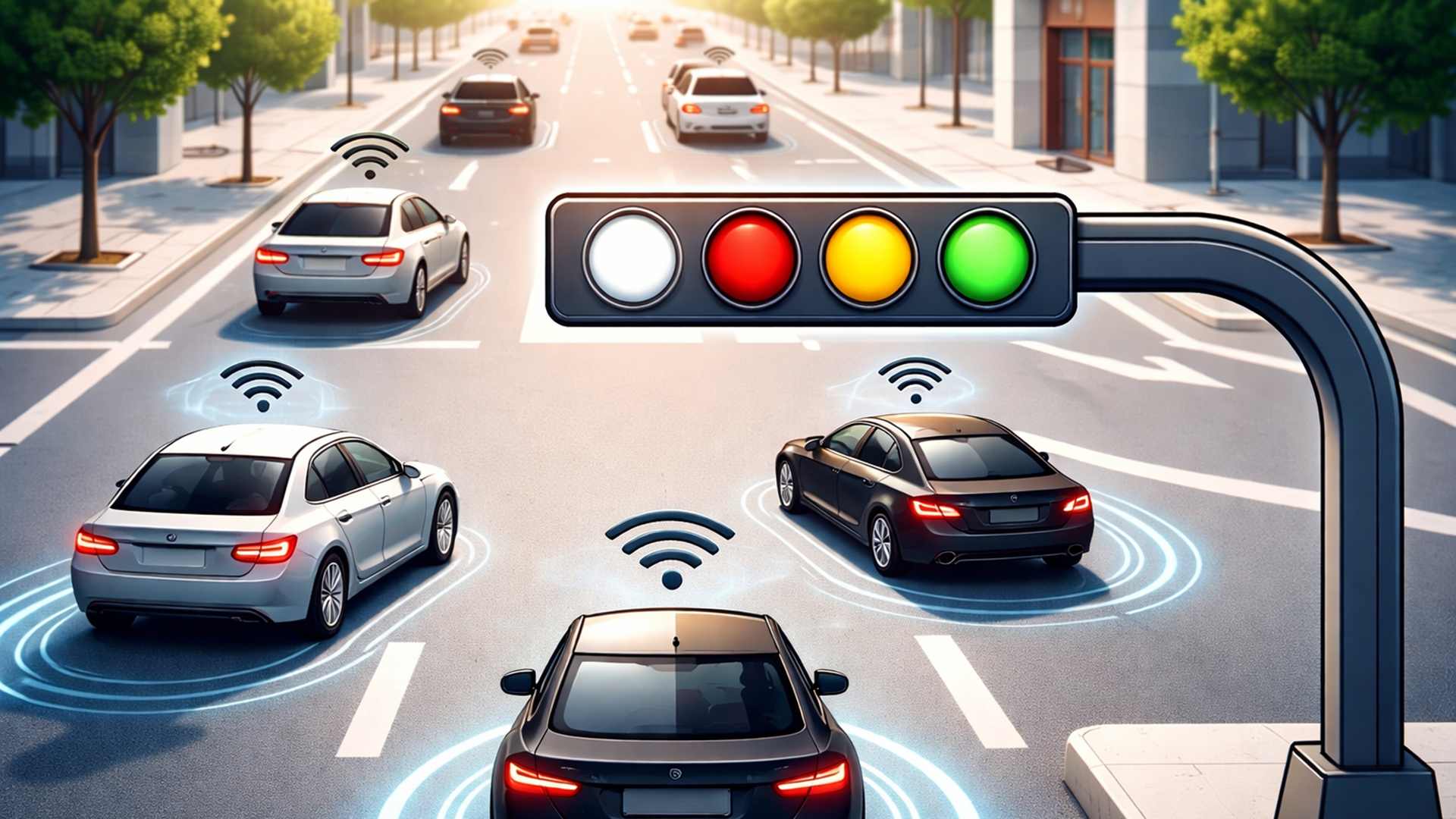
Engineers propose a fourth traffic light for intersections – the change promises to affect crossings, queues, and waiting times.
-
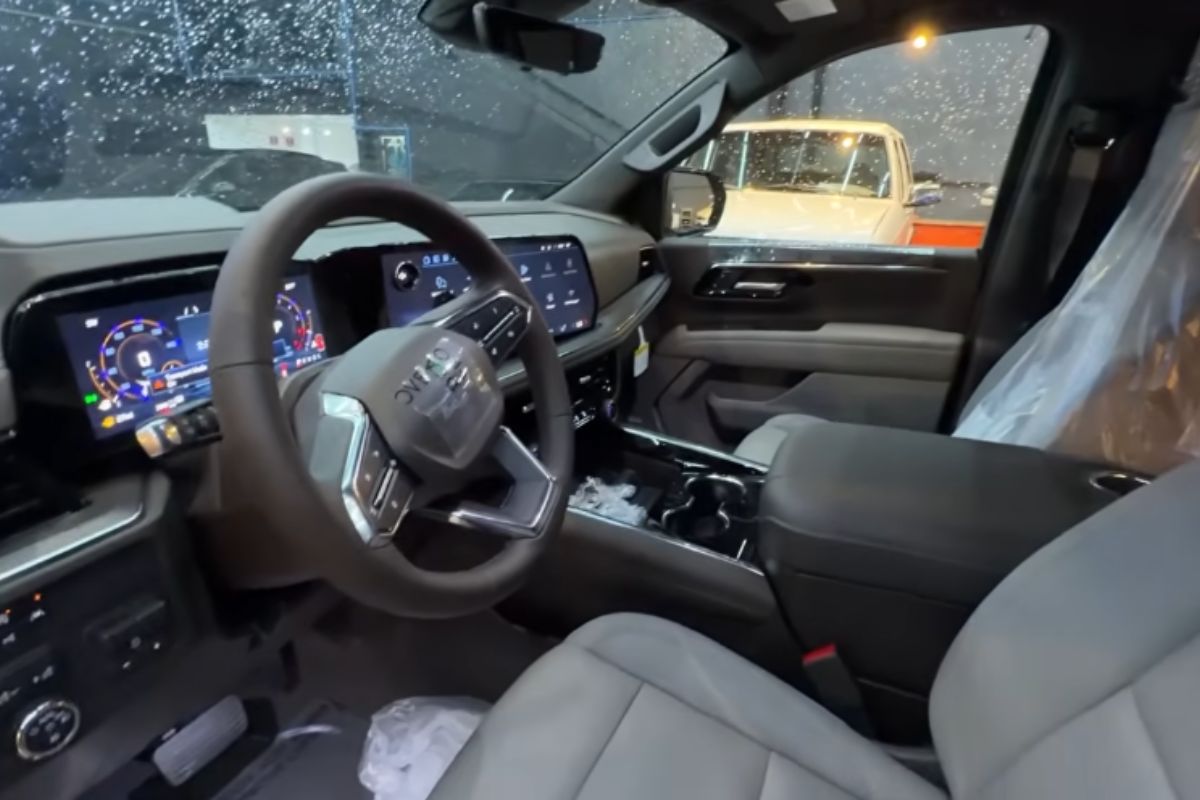
Chevrolet Suburban Z71 lands in Brazil with a V8 engine, off-road design, air suspension, seven seats, and colossal size, a rare version imported for around R$ 1.3 million with luxury and exclusivity.
-
The Chevrolet Onix 1.0 turbo achieves 17.7 km per liter on the highway and ranks among the three most economical cars in Brazil in 2026, alongside two more expensive Toyota hybrids available at dealerships.

-
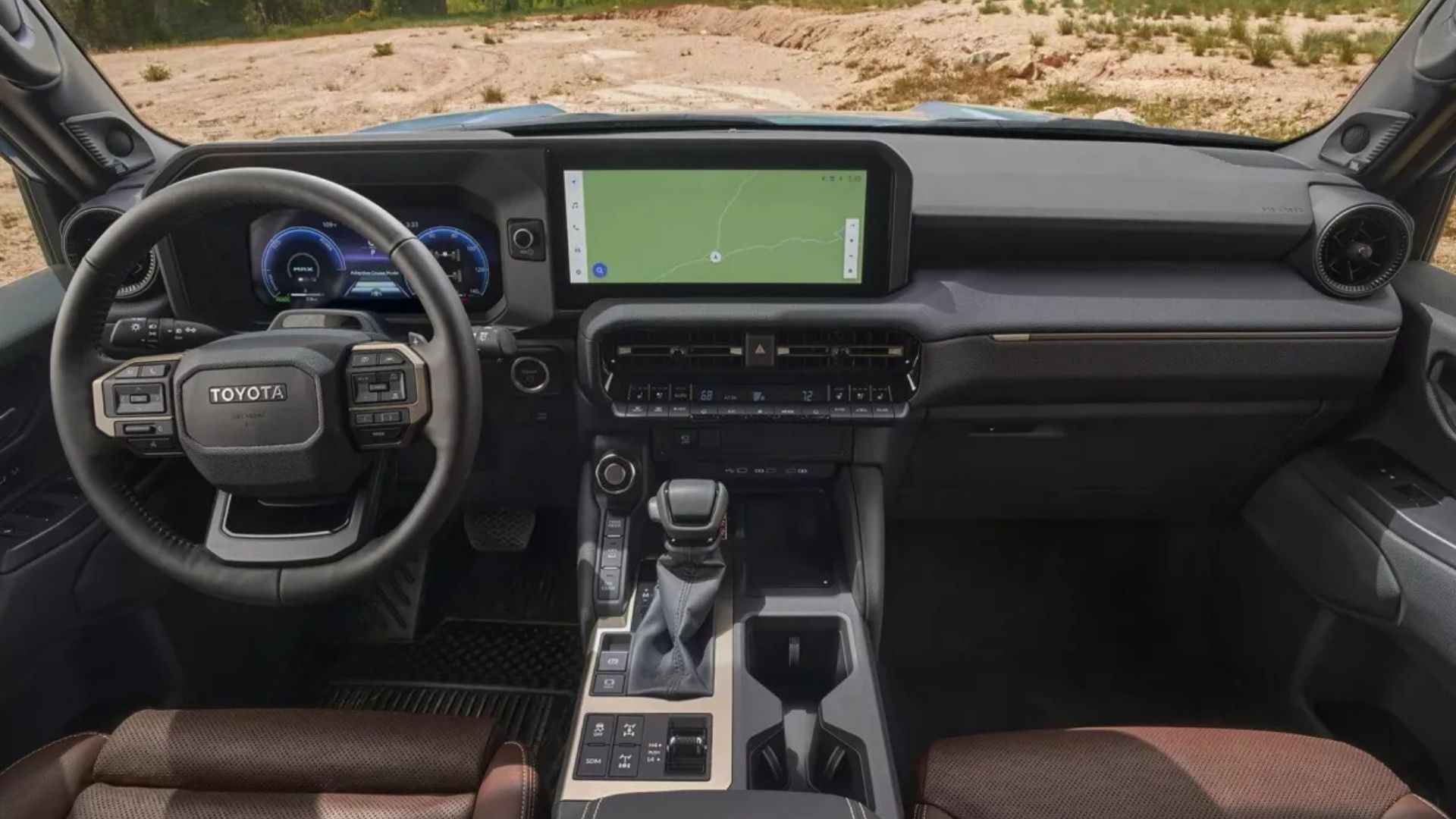
Little sister of the Hilux: Toyota launches Land Cruiser FJ with 4 radical versions, 2.7 engine with 166 hp and 4×4 traction with locking.

According to researchers in the field of electric mobility, the main challenge has always been to enable energy transfer through the pavement, efficiently and safely, without visible cables, and synchronized with vehicles at high speeds.
According to the portal Interesting Engineering, researchers from Purdue University tested this possibility on a public road in the United States and published results that, according to the institution, expand the debate on electric recharging infrastructure.
On an experimental segment of a quarter mile on U.S. Highway 52 and U.S. Highway 231, in West Lafayette, Indiana, an electric truck received wireless energy while traveling at 65 miles per hour, equivalent to about 105 km/h.
According to the university and the Indiana Department of Transportation, the system transferred 190 kilowatts to the moving vehicle during tests conducted in the fall of 2025, including a phase in October.
Wireless Recharging System Integrated into the Pavement
The experiment took place on a segment specifically built to test a system described as patent pending by Purdue University, installed beneath the concrete pavement.
According to researchers, the system uses transmitting coils embedded in the road structure, capable of generating a controlled magnetic field.
The vehicle used in the tests was equipped with receiving coils mounted on the bottom of the chassis.
As per the technical description presented by the university, when the truck passes over the equipped lane, energy is transferred through the magnetic field, crossing the concrete layer and directed to the vehicle’s electrical system in real time, without direct physical contact.
Purdue reports that reaching levels close to 200 kilowatts at highway speed represents a threshold still little explored in public tests in the United States for dynamic recharging of heavy vehicles.
The university emphasizes that, on the segment in West Lafayette, the system delivered 190 kilowatts to a truck traveling at 65 miles per hour, highlighting the power value achieved during the vehicle’s passage.
To provide context for the scale of the energy involved, researchers compared the volume transferred to the average residential consumption.
“To put this in perspective, 200 kilowatts is on the scale of consumption of about one hundred residences,” stated Steve Pekarek, a professor at Purdue University.

Why the Tests Started with Heavy Trucks
According to the project leaders, the choice of a heavy-duty truck is related to the technical requirements of the system.
Heavy vehicles demand high power levels, and the team believes that a system capable of meeting this profile could also operate with lower-consumption vehicles.
In the assessment presented by the researchers, this design broadens the application spectrum of the technology, as the same infrastructure could be used by different categories of vehicles.
“This is a system designed to operate from the heaviest class of trucks to passenger vehicles,” stated Aaron Brovont, a researcher involved in the project development, explaining the criteria adopted in sizing the coils and the receiver system.
Purdue also links the study to recurring discussions about cost and adoption of electric vehicles.
According to the university, two points frequently cited in opinion research are the range and cost of vehicles.
“Two of the biggest barriers to the adoption of electric vehicles, at least from the public’s perspective, are range anxiety and cost,” stated John Haddock, a professor at the Lyles School of Civil and Construction Engineering.
According to Haddock, a significant part of that cost is related to the size of the battery packs required to ensure range over long distances.
The project team notes that, in a scenario of recharging during travel, the need for large batteries could be reduced, a topic that is still under analysis.
In freight transportation, researchers also note that the weight of the batteries directly impacts the vehicle’s usable capacity, as mass and volume compete with the transported load.
The university mentions public data from the logistics sector to contextualize the relevance of trucks in road transport and in the economy of the United States.
Concrete Pavement as Part of the Electric System
Another aspect highlighted by the team is the pavement material.
According to Purdue University, the system was designed to operate within concrete pavements, common on highways with heavy traffic in the country.
The Indiana Department of Transportation reports that the transmitting coils were installed under the pavement, forming an electrified lane without visible components on the road surface.
The truck traveled with the receiver assembly fixed on the bottom, receiving energy during its passage through the section prepared for the test.
Although wireless recharging is already used in low-power applications, the university emphasizes that the roadway environment imposes additional challenges, due to the distance, speed, and power involved.
“Transferring energy through a magnetic field at these relatively long distances is a challenge,” stated Dionysios Aliprantis, a professor of electrical and computer engineering at Purdue University.
According to him, the complexity increases when the transfer occurs for a moving heavy vehicle, operating at power levels thousands of times higher than those used in consumer electronic recharging systems.
Cummins Truck and Public Road Tests
The vehicle used was a class 8 electric semi-trailer provided by Cummins, adapted to integrate the dynamic transfer system developed by Purdue University.
The university reports that the road tests took place in the fall of 2025.
The Indiana Department of Transportation notes that a drive conducted in October was part of the public demonstration of the segment, maintaining a speed of 65 miles per hour.
Cummins, through its chief technology engineer, John Kresse, assessed the trial performance in a corporate statement.
“The road tests went exceptionally well, thanks to the strong collaboration among the teams,” Kresse stated.
He added that the combination of high power and promising cost structure makes the technology a practical solution for the future of commercial road transport.
According to Purdue University, the project involved collaboration with engineering and construction companies such as AECOM, White Construction, and PC Krause and Associates, as well as state public agencies.
The Indiana Department of Transportation describes the segment as the first highway segment in the country to demonstrate wireless recharging of a moving heavy electric truck, emphasizing that the system remains in the experimental phase.
Project Started in 2018 and Support from the National Science Foundation
The initiative is part of a research effort that began in 2018 by Purdue University in partnership with the Indiana Department of Transportation.
The project has the support of the Joint Transportation Research Program.
The university also links the work to ASPIRE, a research center in engineering of the National Science Foundation of the United States, focused on electrified transport infrastructure.
According to the Indiana Department of Transportation, the next steps involve expanding the tests, collecting additional data, and contributing to the development of technical standards, with no immediate plans for commercial application.








-

-

-

-

-

15 pessoas reagiram a isso.