





 Portuguese
  English
  Spanish
  3 min of reading
  3 comments




With Expressive Growth and a New Plant in Brazil, BYD Bets on the Flex Hybrid Engine for Its Next National Launch, the Song Pro.
BYD, which has been standing out in the Brazilian market, is ready to take another big step. After an impressive 2024, with sales increasing by more than 565% year-to-date until October, the Chinese automaker plans to start local production of the Song Pro in Camaçari (BA). And the big news? The debut of the flex hybrid engine in the model.
BYD has already adapted the 1.5 DM-i aspirated engine, used in the Song Pro, Song Plus, and King models, to run on any mixture of gasoline and ethanol. This aligns the automaker’s technology with the particularities of the Brazilian market, where gasoline contains 27.5% ethanol—a percentage that is expected to increase in the coming years.
This adaptation also makes the engine more powerful when using ethanol, a fuel widely available in Brazil. Although the brand has not yet confirmed the exact numbers, it is estimated that the engine will gain about 5 horsepower when running on ethanol, maintaining the same power when using gasoline.
-
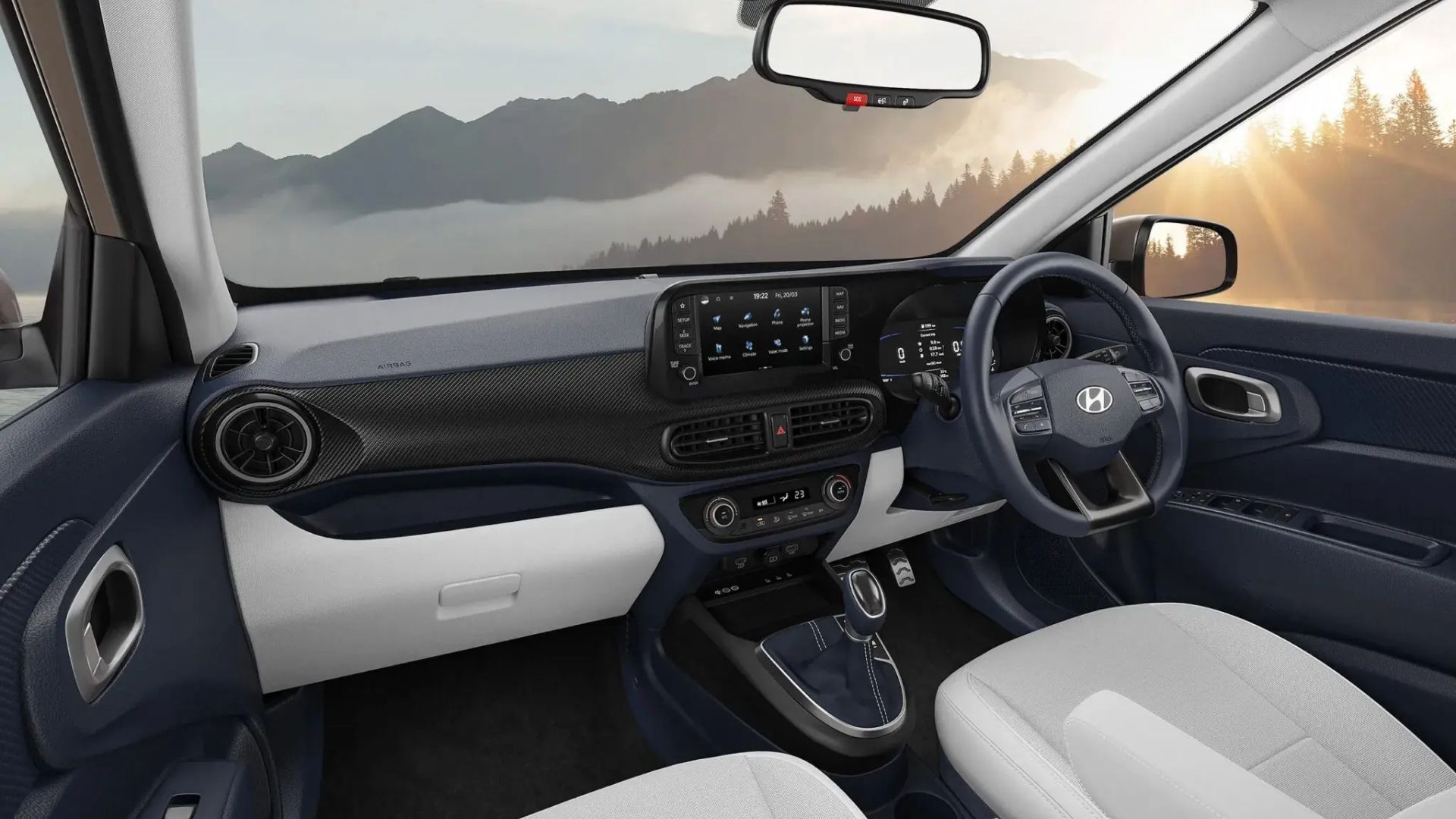
For R$ 32,000, a brand new Hyundai car is a rival to the Kwid with a 1.2 engine producing 82 hp, 6 airbags as standard, multimedia with wireless Android Auto, up to 391 liters in the trunk, and a refreshed look for 2026 in India.
-
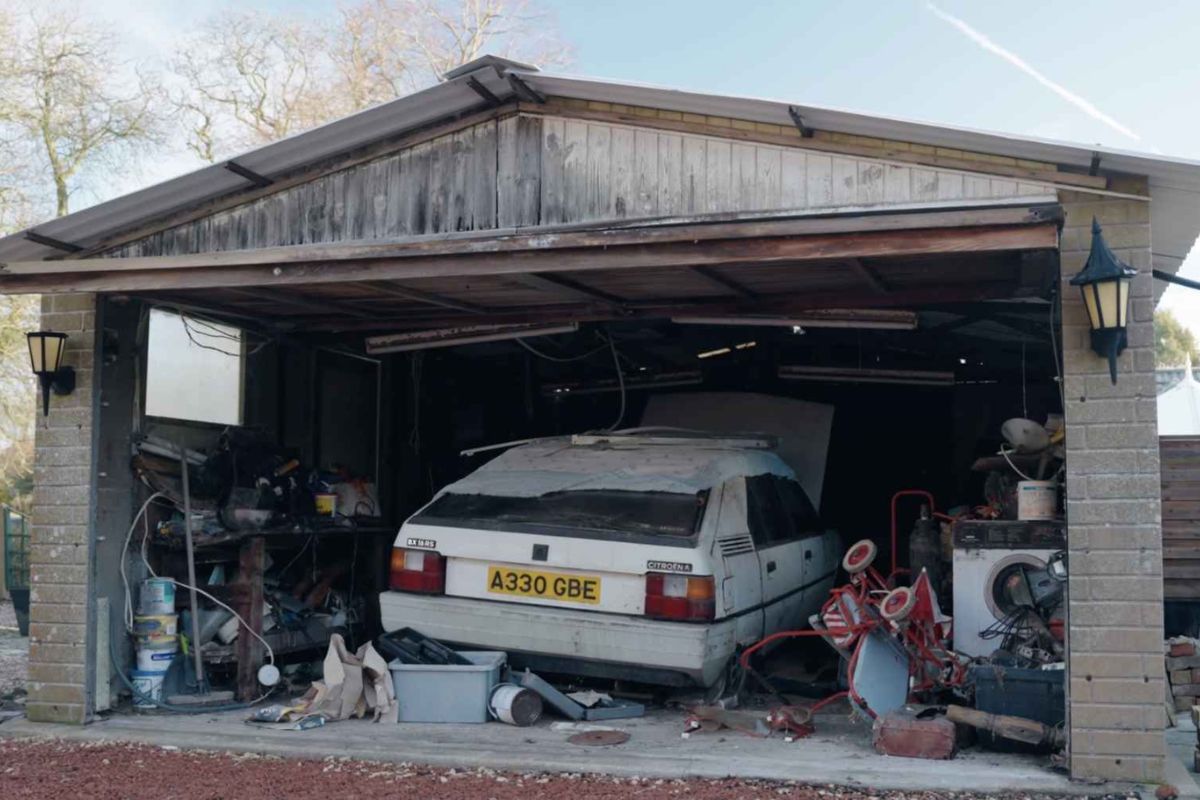
He bought a new car in 1983, locked it in the barn in 1988, and no one opened the door for 38 years until the family discovered what was stored inside and realized it looked like something out of a movie.
-
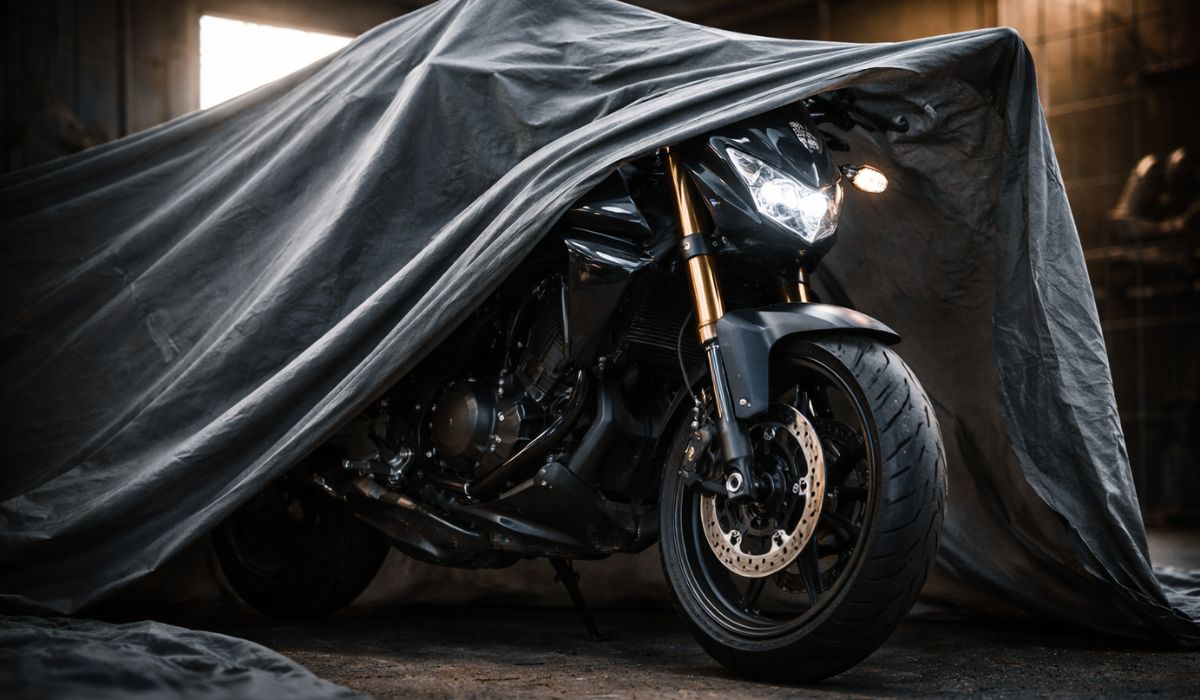
A 250cc motorcycle that can reach 560 km with a 14-liter tank, features disc brakes on both wheels and is among the most well-known in Brazil.
-
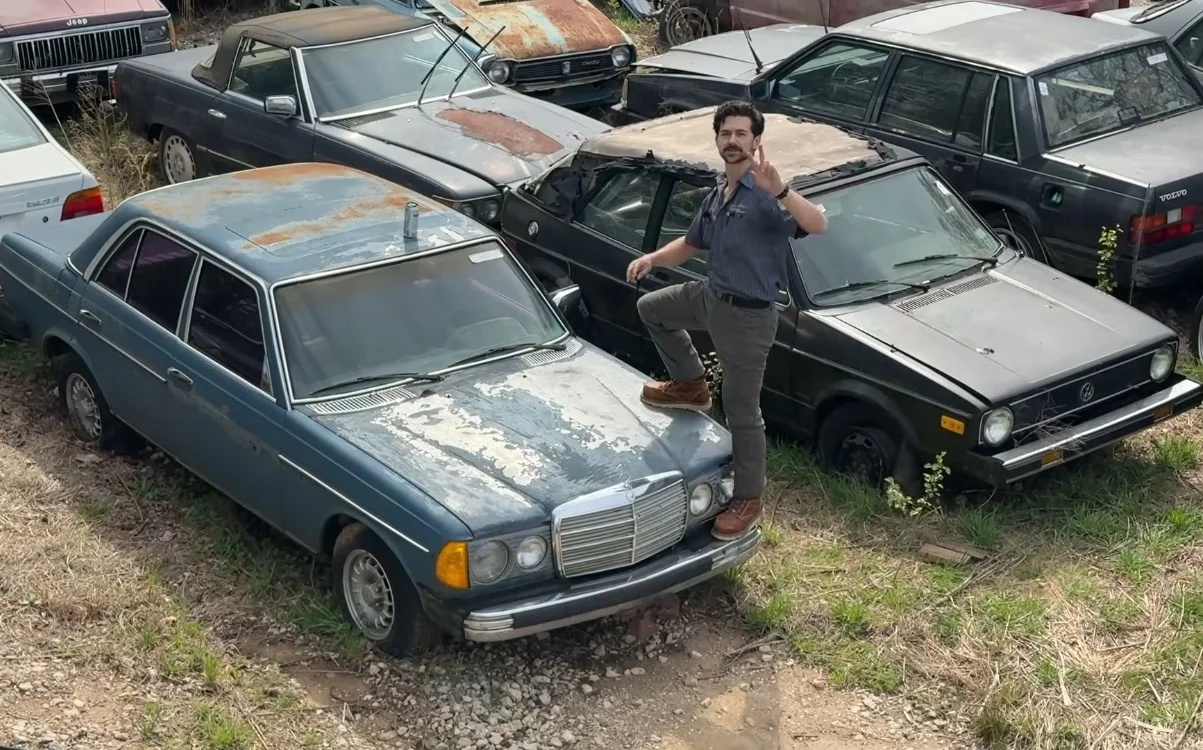
Man finds over 200 rare cars abandoned on a lot and tries to do the impossible in 8 hours with a surprise at the end.

BYD Song Pro National and Flex Hybrid Engine: The Perfect Combination
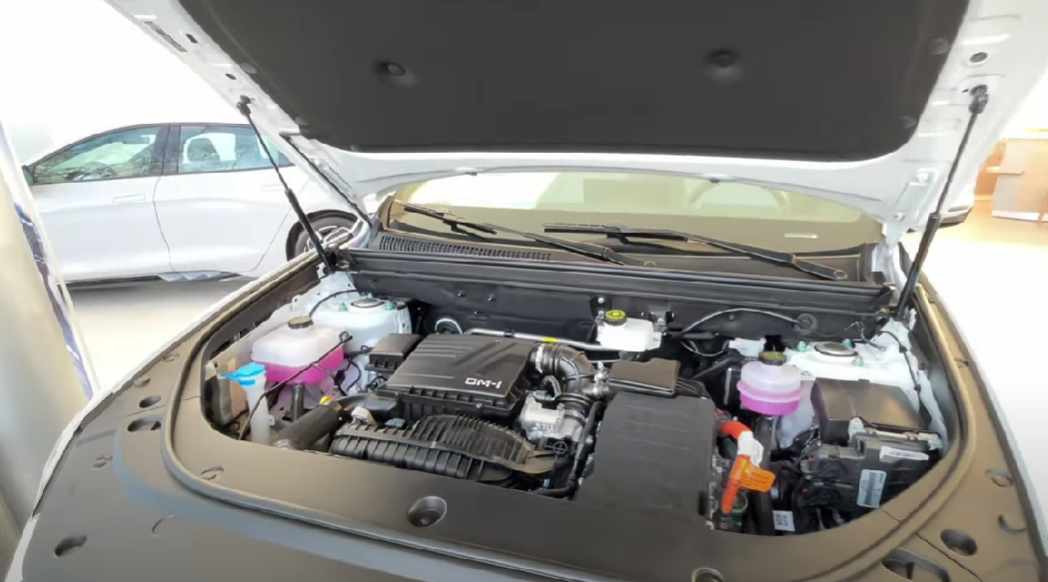
The Song Pro will be BYD’s first vehicle produced in Brazil. Initial production, in CKD format (with imported parts), is expected to start in late 2024. In the first quarter of 2025, the Camaçari plant will begin series production, marking the arrival of the national Song Pro equipped with the flex hybrid engine.
The 1.5 aspirated engine from the DM-i family, already known for its efficiency in the Atkinson cycle, will be available in a flex version for the Brazilian market. Additionally, there is an expectation that the plug-in hybrid model will be the first of its kind with this technology in Brazil, reinforcing BYD’s commitment to innovation.
What to Expect from the Future of the Chinese Brand in Brazil
The advancements do not stop there. BYD is also studying adapting the 1.5 turbo DM-i engine for flex technology. This version, already used in the Shark pickup, may find applications in hybrid SUVs and other plug-in models from the brand, such as the Seal U, which is expected to debut in 2025.
The Seal U is a version of the Song Plus with design inspired by the electric sedan Seal and hybrid performance nearing 300 hp combined.
With these moves, BYD not only strengthens its presence in the Brazilian market but also bets on technologies aligned with local demands, such as the flex hybrid engine. The debut of the national Song Pro will be a milestone, consolidating the brand as a reference in innovation and sustainability in Brazil.
BYD is keeping an eye on the future and promises to keep surprising. The national production of the Song Pro, equipped with the flex hybrid engine, shows that the Chinese automaker is prepared to lead the market with technologies that meet both local needs and global trends. The next chapter of this story begins in 2025, straight from the Camaçari plant.








O song pro está sendo fabricado no Brasil, segunda a reportagem, significa que terá isenção de IPI e ICMS para taxista?
A empresa parece estar retrocedendo lançou esse modelo com banco manual pqp fala sério, ela têm que continuar melhorando os produtos, RETROCEDER NUNCA.
A Toyota tem o Prius flex no bolso mas não tem a coragem de colocar aqui. Com a falta de estrutura de pontos de reabastecimento seria a solução imediata para eletrificação. Depois choram isenções do governo.