





 Português
  Inglês
  Espanhol
  3 min de leitura
  0 comentários


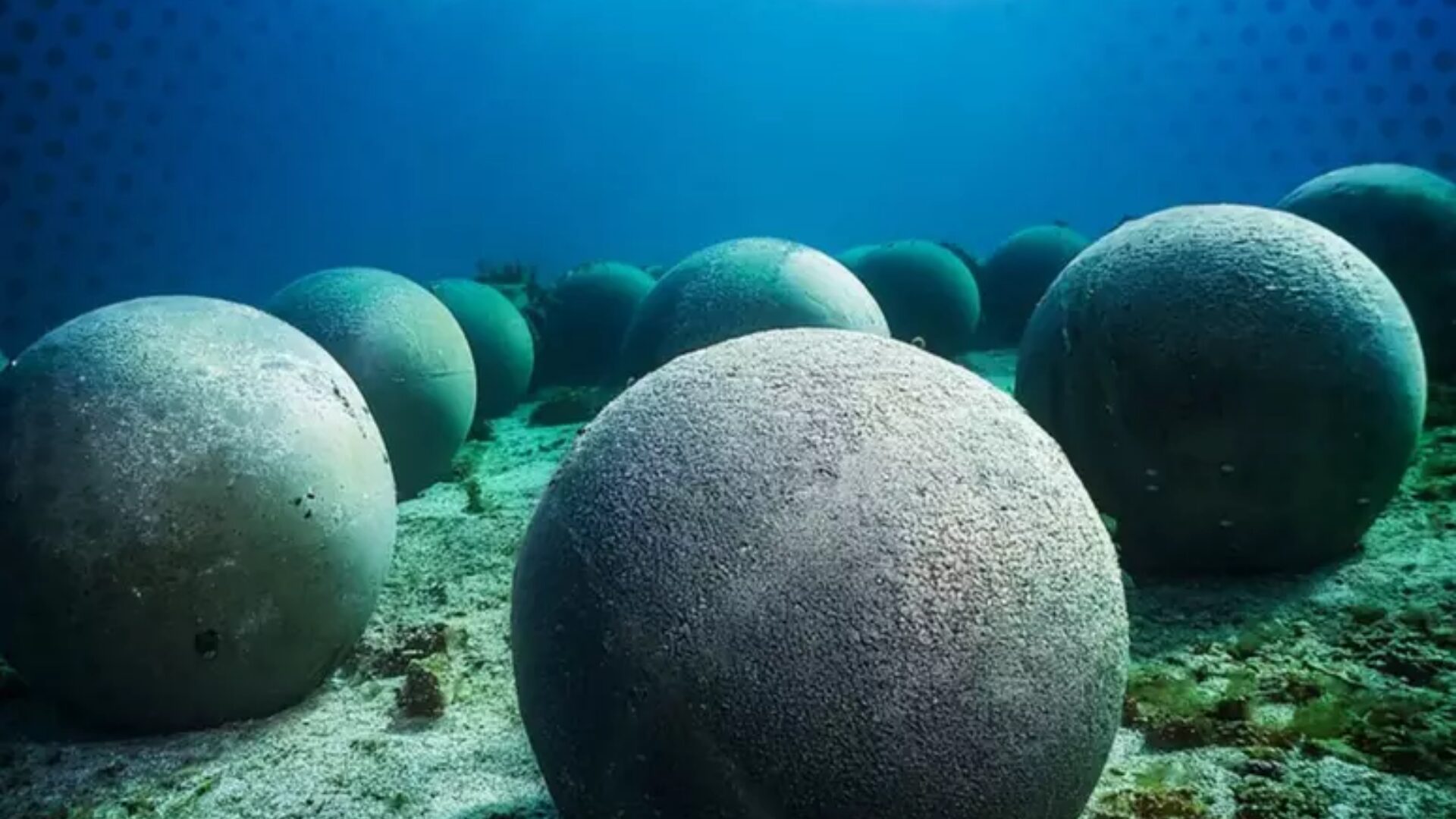
The Innovative Project Utilizes Cutting-Edge Technology to Transform Seabed Pressure into Electricity, Offering a Sustainable Solution
At the seabed, a field of dark and discreet spheres will be anchored at a depth of 500 to 600 meters off the coast of California. Each hollow concrete sphere has a diameter of nine meters and weighs 400 tons, with a storage capacity of 0.4 megawatt-hours (or 400 kilowatt-hours). This new approach aims to use water pressure to store and release energy, functioning as a submarine battery.
Operation and Efficiency of the Spheres
The operation is simple: when the battery is empty, water enters the sphere due to ambient pressure. Using sustainable electricity, the water is pumped out, charging the sphere.
When there is a need for electricity, the valve is opened, allowing water to flow under high pressure, activating a turbine and generating electrical energy for the grid.
-
Renewable energy advances over protected areas in Brazil, and a survey by the Energy Transition Observatory reveals silent impacts that challenge environmental conservation and pressure sensitive traditional territories.

-
Rio Grande do Sul accelerates energy transition: State invests in renewable technologies and consolidates decarbonization strategies and pathways to attract billions in new industrial investments.

-
With 160,000 m² of collectors, an area larger than 20 football fields, Silkeborg, in Denmark, hosts a solar thermal plant that heats 19,500 homes and could become the largest solar heating plant in the world.

-
A study reveals the expansion of renewable energy procurement in Brazil and shows how companies are taking advantage of opportunities to reduce expenses, ensure energy efficiency, and strengthen strategic environmental commitments.


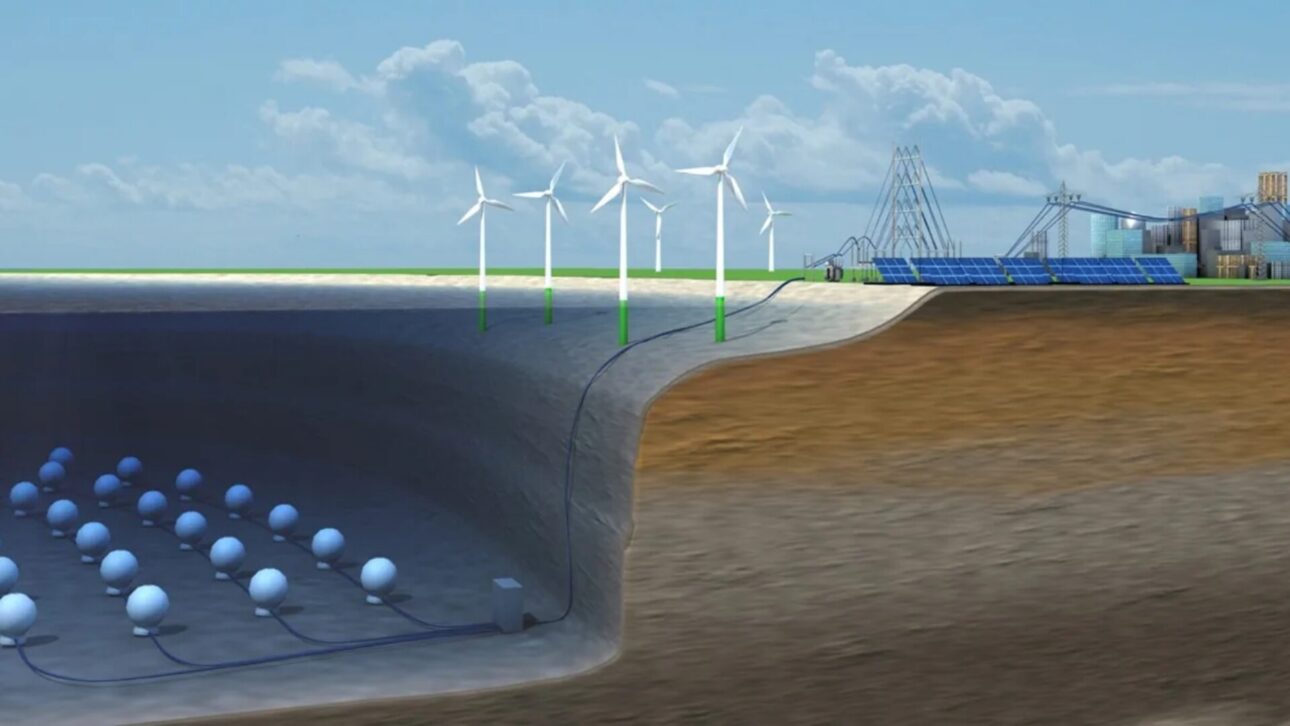
The lifespan of these spheres is estimated at 50 to 60 years, with a need to replace the turbine and generator every 20 years.
This system promises not only efficiency but also considerable durability, which is essential for long-term energy storage solutions.
Challenges and Opportunities for Underwater Energy Storage
An initial test with three-meter-diameter spheres has already been conducted in Lake Constance, Europe, and the results were promising, leading the team to plan even larger spheres in the future, with diameters of up to 30 meters.
The use of submerged spheres presents significant advantages over pumped energy plants on land, which require large areas and have a considerable environmental impact.
Furthermore, underwater storage may be less intrusive to local ecosystems, as the installation occurs at depths where human activity is minimal.
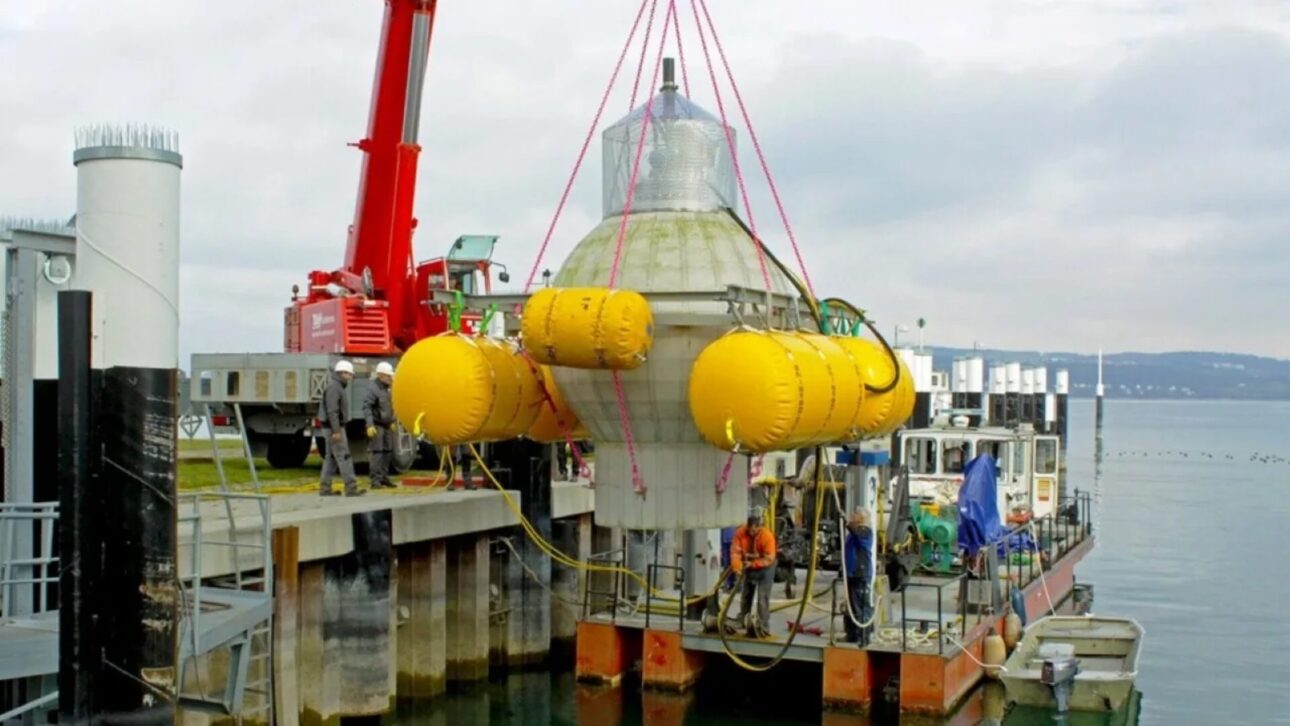
Dr. Bernhard Ernst from Fraunhofer IEE explains that underwater storage has virtually unlimited expansion potential, minimizing natural and ecological constraints.
There are many ideal locations around the world, including Norway, Portugal, and the coasts of the USA, where these spheres could be installed on a large scale.
Estimates indicate that global storage potential could reach 817,000 gigawatt-hours, enough to power over 200,000 homes.
This number highlights the relevance of this project for the global energy transition, especially at a time when the demand for sustainable solutions is increasing.
Environmental Impact and Public Acceptance
One of the main challenges for the implementation of new technologies is public acceptance.
Large-scale projects, such as traditional power plants, often face resistance due to environmental and social concerns.
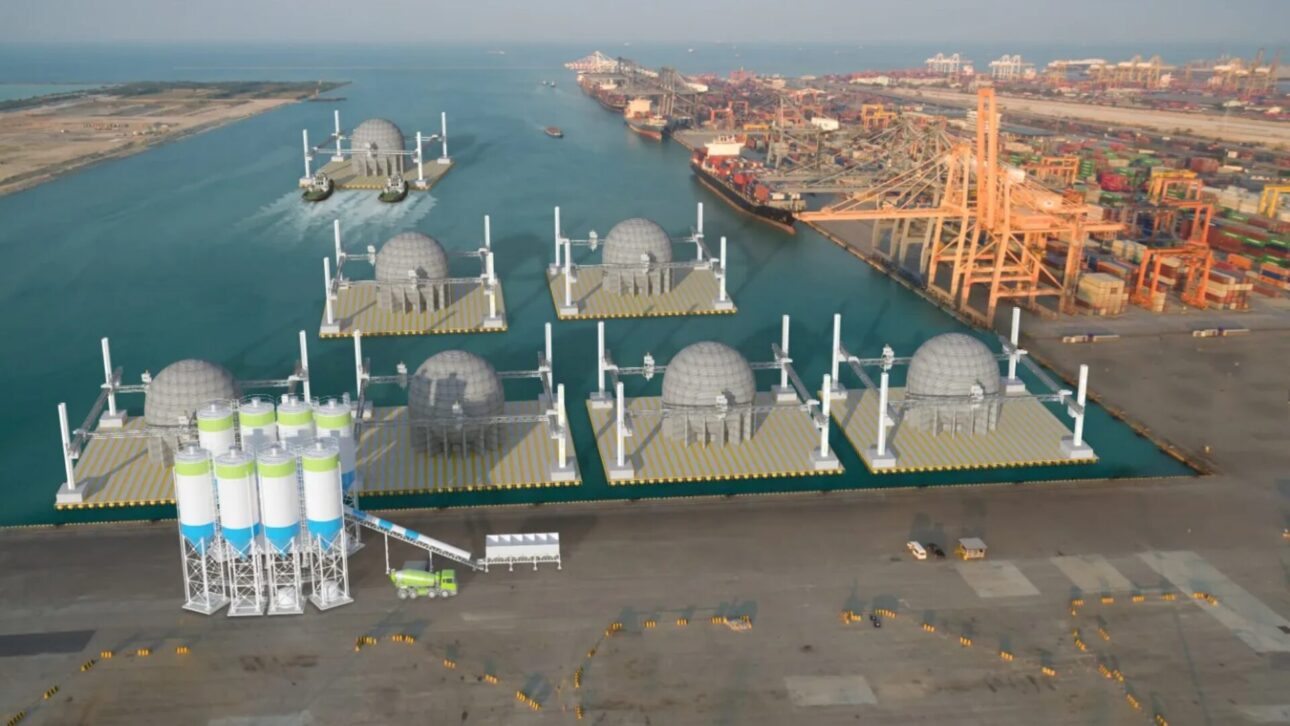
However, the concept of storing energy at the seabed may be more well-received, considering that installation occurs in less visible areas with a lower direct impact on local communities.
Dr. Ernst believes that this approach can facilitate acceptance among citizens and authorities, promoting a more positive dialogue about renewable energy.
Future Prospects and Technology Development
As the project progresses, all stages, from production to installation and operation, will be carefully evaluated.
The success of this experiment in California will represent a significant step toward the commercialization of new energy storage solutions, contributing to the transition to a more sustainable energy matrix.
This initiative stands out as an example of how innovation can transform the way we deal with electricity and sustainability in the future.
The StEnSea project is not only a technical solution but also an opportunity to learn how technology can be integrated more harmoniously into the environment.
As more data and results become available, this approach is expected to inspire other projects worldwide, helping to shape a more sustainable and resilient energy future.
With the increasing capacity for renewable energy storage and the decreasing dependence on fossil fuels, initiatives like the concrete spheres may play a key role in the fight against climate change and in promoting a sustainable energy future.
SOURCE: IGN









Seja o primeiro a reagir!