





 English
  Francês
  Alemão
  Italiano
  Japonês
  Norueguês
  Portuguese
  Spanish
 5 min of reading


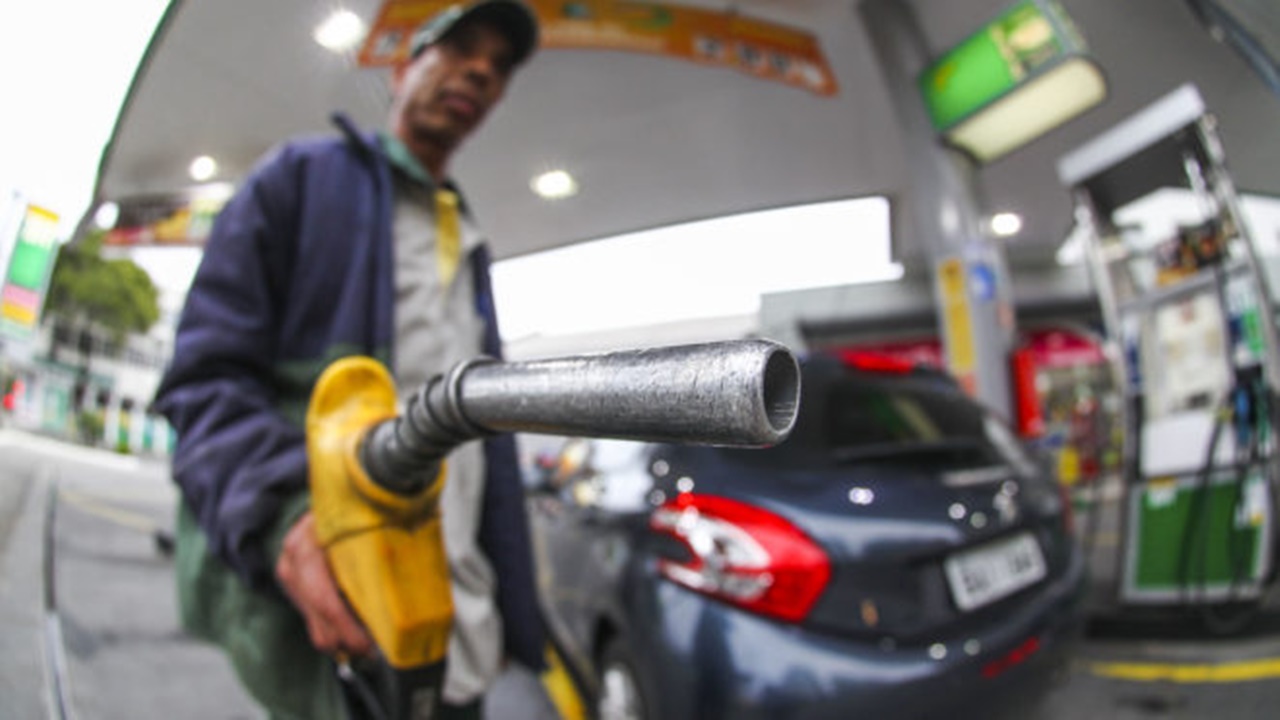
Found at R$ 6.45 at the Fuel Stations in Rio de Janeiro, Gasoline Price Soars and Registers New Increase of 1.04%. Ethanol Hits R$ 5.35 and Consumers Have Nowhere to Run!
According to the latest survey by the Ticket Log Price Index (IPTL), the Southeast Region recorded a 1.04% increase in the average price of gasoline at the beginning of August compared to the end of July. The fuel was found at the stations for R$ 6.458. In addition to gasoline, Rio de Janeiro had the highest ethanol price in the region at R$ 5.354. With all the increases, domestic consumers and professional drivers such as taxi and app drivers find themselves with their hands tied.
Read Also
- Oil Evaporates Under Strong Selling Pressure Reaching US$ 66 Per Barrel and Pressures Petrobras on Gasoline Drop, Which Suffered Another Increase on August 12
- Direct Sale of Ethanol from Plants to Fuel Stations Generates Benefits for Consumers Who Will Get Low Prices and Quality
- Gasoline Is Cheap, Costs R$ 1.95 at the Refinery; Federal Tax Has Been Fixed for Years but Does Not Prevent Constant Fuel Price Increases
- Ambev, the Largest Brewery on the Planet, Calls for Positions in SP; Students from All Areas and Without Experience Can Apply for the 2022 Internship Program
- Ocyan and Actemium in Partnership with Firjan Call for Women in Macaé for Positions in a Free Welding Apprentice Course on August 27
The average higher price in the country recorded in Rio de Janeiro, of R$ 6.458, contributed to the increase in the region. The highest regional increase was also reported in the state, at 1.16%.
“Other fuels also showed increases. Ethanol rose by 0.79% and was found at R$ 4.864. Common diesel and S-10 diesel, with increases of 0.32%, were sold for R$ 4.666 and R$ 4.736, respectively,” points out Douglas Pina, Head of Urban Market at Edenred Brasil.
-
Petrobras finds high-quality oil in the pre-salt at 113 km from RJ and reignites expectations about strategic reserves in the Campos Basin.

-
Ocyan opens registrations for startups focused on innovation in the oil and gas sector and will select projects for Innovation Day with the support of Nexio.

-
Petrobras announces new oil discovery in the pre-salt of the Campos Basin and reinforces Brazil’s prominence with high-quality reserves that can increase production and energy revenues.

-
Alert in the fuel market: Analysts and a former director of ANP warn that oil prices may worsen in the coming months due to global instability.
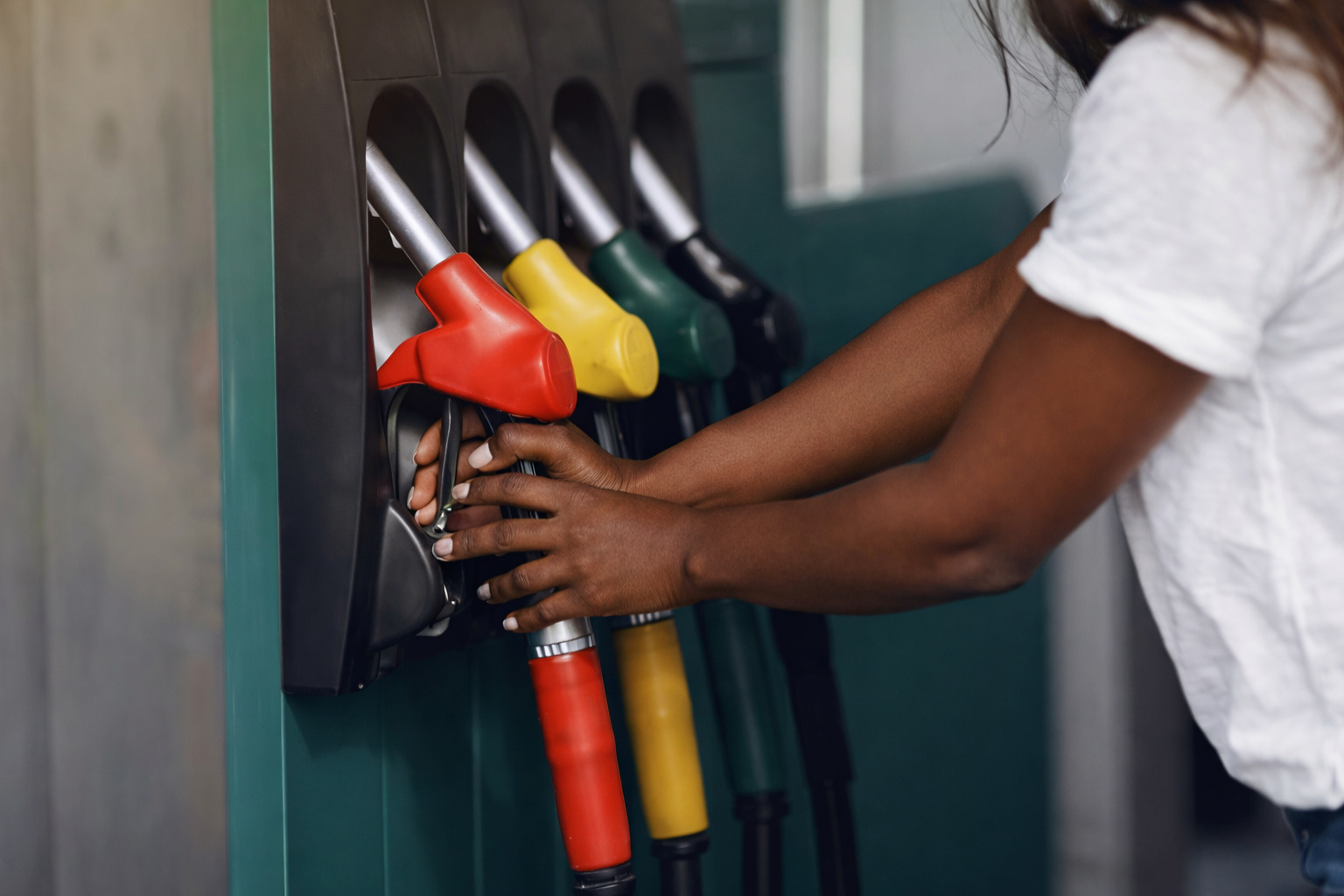

In Addition to Gasoline, Rio de Janeiro Recorded the Highest Ethanol Price in the Region
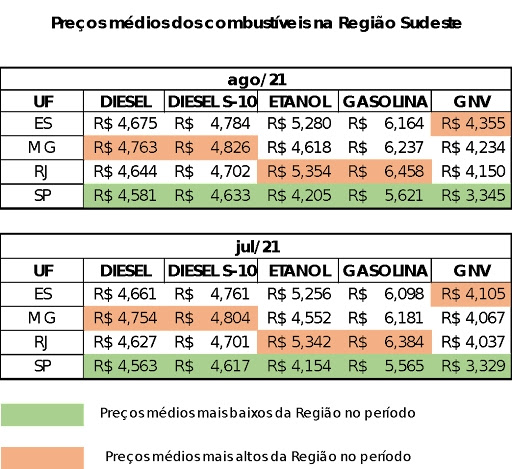
In addition to gasoline, Rio de Janeiro recorded the highest ethanol price in the region, at R$ 5.354, although the increase of 0.22% compared to the end of July was the lowest in the Southeast. In Minas Gerais, diesel and S-10 diesel had the highest values per liter, at R$ 4.763 for common and R$ 4.826 for S-10. In Espírito Santo, the most expensive compressed natural gas (CNG) was sold for R$ 4.355 per cubic meter.
At the fuel stations in São Paulo, all fuels were found at the lowest average prices in the region. Common diesel was at an average of R$ 4.581, and S-10 at R$ 4.633. Ethanol was sold for R$ 4.205; gasoline for R$ 5.621; and CNG for R$ 3.345.
The IPTL is a fuel price index based on refueling carried out at the 21 thousand stations accredited to Ticket Log, which is highly reliable due to the number of vehicles managed by the brand: 1 million in total, with an average of eight transactions per second. Ticket Log, a fleet management and mobility solutions brand of Edenred Brasil, has over 30 years of experience and adapts to the needs of clients, offering modern and innovative solutions to simplify daily processes.
Gasoline Is Cheap, Costs R$ 1.95 at the Refinery; Federal Tax Has Been Fixed for Years but Does Not Prevent Constant Fuel Price Increases
The price of gasoline in Brazil suffers from rampant spikes even with the federal tax being fixed for years, but the ICMS, which is regulated by governors, is almost double what it was at the beginning of January. President Jair Bolsonaro, in a conversation with supporters at the Palácio da Alvorada, declared that gasoline in Brazil is “cheap,” since the fuel “costs R$ 1.95 at the refinery.” After all, how is it possible for Brazilians to pay so much for this fuel?
“Gasoline is cheap. No, it’s cheap… It costs R$ 1.95 at the refinery. By the time it reaches the pump, well…,” said the head of the executive. On the other hand, at the stations, the latest weekly average price of the liquid reported by the National Agency of Petroleum (ANP) was R$ 5.866.
“You can see, the federal tax on gasoline exists. It’s called PIS-Cofins. It has been the same fixed amount since I took office. For two and a half years, I didn’t increase it at all. Now, the ICMS is almost double what it was at the beginning of January. ICMS is the governors’. I’m not… I’m open to criticism, no problem at all, but let’s criticize reasonably,” said the president in response to criticisms of the rising fuel prices.
After a 3.3% adjustment made by Petrobras last week, the price of gasoline that comes from the refineries rose from R$ 2.69 to R$ 2.78. The oil company takes into account the price of 73% of a liter of gasoline, since in Brazil ethanol is added to the fuel before it is sold.
For better understanding, a liter of gasoline that goes into the consumer’s tank is composed of 73% gasoline and 27% ethanol. In other words, Petrobras is responsible for R$ 1.97 of the cost of a liter of gasoline sold at the stations.
According to the state-owned company, the increase in the average gasoline price follows the increase in international price levels. They serve as a way to ensure that the market does not suffer the risk of a supply crisis.
But in the end, it’s the consumer who pays the bill, as other issues must be considered, such as state taxes, the mandatory addition of anhydrous ethanol and biodiesel, in addition to the margin charged by distribution and resale.
Direct Sale of Ethanol from Plants to Fuel Stations Generates Benefits for Consumers, Who Will Get Low Prices and Quality
The provisional measure approved last week by the Government, which guarantees the direct sale of ethanol from plants to fuel stations, can generate benefits for consumers. This statement is from Alexandre Andrade Lima, president of the Federation of Sugarcane Growers of Brazil (Feplana).
According to Lima, “The expectation is that it will lower the price of ethanol, especially in the industrial units that are close to the large consumer centers.” He further states that it guarantees the quality of the biofuel that will go from the plant straight to the stations.
“The sector is well-regulated by the ANP. There is no chance of losing quality at the pumps, as there will be information from the plant that provided the product, and that will ensure quality. The sector is very responsible when it comes to product provenance,” he points out.









Seja o primeiro a reagir!