





 Portuguese
  English
  Spanish
 5 min of reading
  0 comments


Study Reveals That The Lack Of Correction In Oil Prices May Directly Affect The Royalties Of Rio De Janeiro, Bringing Billion-Dollar Losses And Risk To The Stability Of The State Economy In The Coming Years
On October 21, 2025, the newspaper O Globo revealed a concerning study: The state of Rio de Janeiro could lose up to R$ 20 billion in royalty revenues over the next 10 years. The indicated cause is the lack of an effective oil price correction policy in exploration and production contracts.
The analysis, conducted by experts in the energy and economic sectors, highlights that this lag severely compromises state revenue and threatens the fiscal balance of the state.
The Relevance Of Royalties For The State Economy
Oil royalties are one of the main sources of revenue for Rio de Janeiro. The total distribution of royalties to all beneficiaries (Union, States, and Municipalities) in 2024 amounted to approximately R$ 58.22 billion. This revenue is essential for financing areas such as health, education, and public safety.
-
Brazilian giant expands borders in the Southeast: Petrobras confirms new oil discovery in ultra-deep waters in the pre-salt of the Campos Basin.

-
Alert in the global energy market: Severe tropical cyclone hits the coast and disrupts gas production at major plants in Australia, threatening global supply.

-
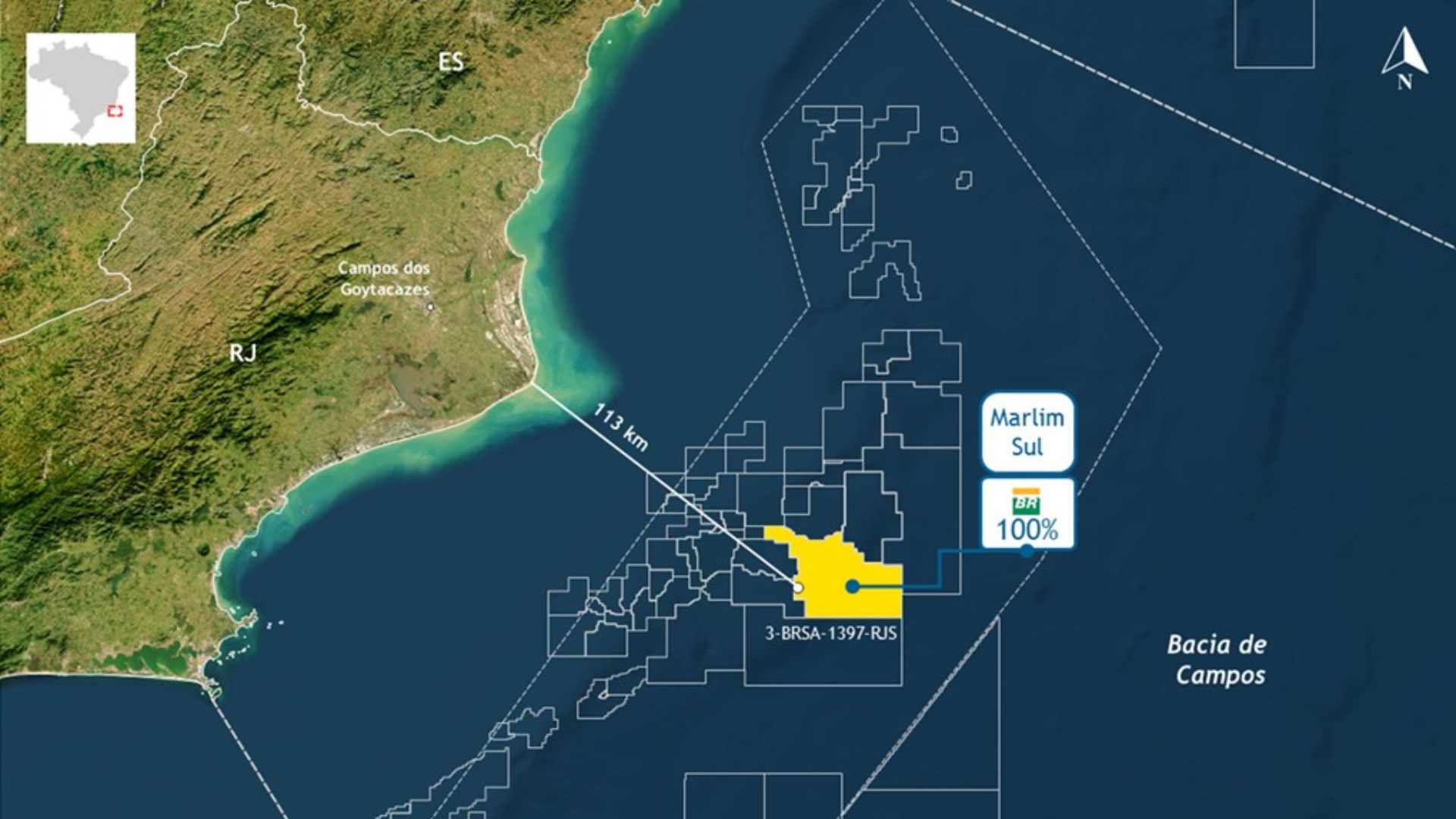
Petrobras finds high-quality oil in the pre-salt at 113 km from RJ and reignites expectations about strategic reserves in the Campos Basin.

-
Ocyan opens registrations for startups focused on innovation in the oil and gas sector and will select projects for Innovation Day with the support of Nexio.


However, the released study shows that without proper correction of oil prices, the amounts transferred to the state are likely to fall progressively. This occurs because the concession and sharing contracts use reference prices that do not keep up with the real appreciation of the barrel in the international market.
The estimate of R$ 20 billion in losses by 2035 represents a significant gap in state finances, worsening the already delicate fiscal scenario. In 2025, the Fluminense government projects a budget deficit of R$ 18.9 billion, the largest in five years.
Correction Of Oil Prices: Role Of ANP And Need For Review
The ANP is responsible for defining the reference prices used in calculating royalties. However, the study points out that the current criteria do not accurately reflect the actual price of oil traded by companies. This distortion directly harms the producing states and municipalities, which receive less than they should.
Experts advocate for an urgent review of these criteria, with greater transparency and alignment with international prices. In addition, they suggest creating an automatic updating mechanism for values to avoid future losses and ensure predictability in revenue collection.
Impacts On Royalties And The Sustainability Of The State Economy
The lack of correction of oil prices compromises not only the royalty transfers but also the sustainability of the state economy. With fewer resources, the government faces difficulties in honoring commitments, investing in infrastructure, and maintaining essential services.
Rio de Janeiro is already experiencing a scenario of fiscal fragility, worsened by debts with the Union and dependence on volatile revenues such as those from oil. The estimated loss of R$ 20 billion over a decade represents nearly the equivalent of an entire year of collections from royalties, which could seriously compromise the state’s investment capacity.
Proposals To Mitigate The Impacts On Royalties
In light of the warning, lawmakers and representatives from the energy sector have been pressuring the federal government and the ANP for changes. Among the proposals under discussion are:
- Review of concession and sharing contracts, with clauses for automatic updates of reference prices;
- Creation of a compensatory fund for states and municipalities affected by the lag;
- Greater transparency in ANP criteria, with participation from representatives of federal entities;
- Adoption of market prices as the basis for calculating royalties, reducing distortions and ensuring fiscal fairness.
These measures aim to protect the state economy from future losses and ensure greater equity in the distribution of oil revenues.
The Political And Economic Context Of Rio De Janeiro
The alert about the impacts on royalties comes at a delicate moment for Rio de Janeiro. The state is facing difficulties to balance its finances, even after joining the Fiscal Recovery Regime.
The projection of a deficit of nearly R$ 19 billion for 2026 underscores the urgency for new revenue sources and greater efficiency in revenue collection.
Moreover, the international oil scenario is marked by volatility, with price fluctuations directly affecting royalty transfers. Without an effective correction policy, the state remains vulnerable to these fluctuations.
Correction Of Oil Prices And Federal Justice
The discussion about the correction of oil prices is not limited to Rio de Janeiro. Other producing states also face significant losses due to the lag in reference prices. The lack of updates harms revenue collection and creates inequalities in the distribution of oil resources.
Federal justice requires that the criteria for calculating royalties reflect market reality, ensuring that states receive amounts commensurate with the production and commercialization of oil. The adoption of market prices as the basis for calculations is one of the main demands from federal entities.
The Role Of The National Congress And Control Institutions
Political mobilization is essential for effective changes to occur. The National Congress can act in reviewing the legislation governing exploration and production contracts, as well as overseeing the ANP’s actions.
Institutions such as the Federal Court of Accounts (TCU) and the Public Ministry also play a relevant role in analyzing the impacts of the lag and proposing corrective measures.
Transparency and social control are fundamental to ensure that oil resources are distributed fairly and efficiently, contributing to regional and national development.
Paths To Strengthen The State Economy
In addition to reviewing the criteria for calculating royalties, Rio de Janeiro needs to diversify its economic base and reduce dependence on oil revenues. Investments in sectors such as tourism, technology, creative industry, and infrastructure can generate jobs, attract investments, and increase revenue collection.
The state’s fiscal crisis requires structuring and long-term solutions, which go beyond simply correcting oil prices. Modernizing public management, improving tax efficiency, and promoting public-private partnerships are possible paths to strengthen the state economy.
The Future Of Rio De Janeiro In Light Of Energy And Fiscal Challenges
The study released in October 2025 serves as a stark warning for the future of Rio de Janeiro. The potential loss of R$ 20 billion over 10 years due to the lack of correction of the oil price represents a real threat to fiscal stability and the state’s development.
It is essential that this issue be treated as a priority by authorities, with concrete actions to review the criteria for calculating royalties and protect the interests of producing federal entities. The state economy directly depends on these revenues, and their preservation is crucial to ensuring quality public services and structuring investments.








Seja o primeiro a reagir!