





 English
  Francês
  Alemão
  Italiano
  Japonês
  Norueguês
  Portuguese
  Spanish
  2 min of reading


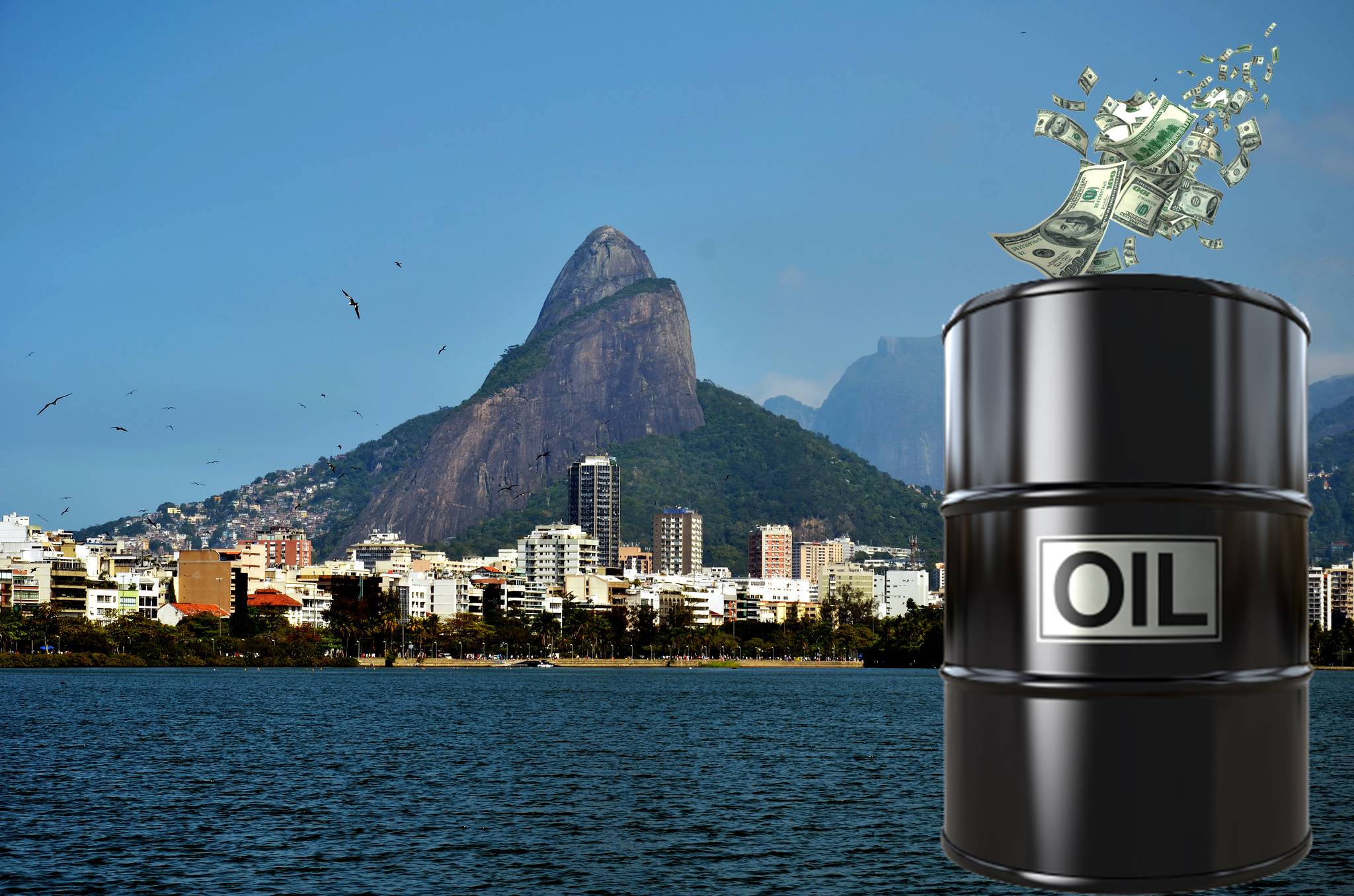
An Increase in Revenue from Royalties and Participations Indicates More Investment and More Jobs Not Only in the Oil Sector but Also in Other Areas
For 2019, the expected revenue of the State of Rio de Janeiro regarding oil royalties and special participations is the highest in the state’s history. According to the Annual Budget Law project for next year, which will be analyzed by Alerj (Legislative Assembly), the forecasted collection by the government is R$14.13 billion. The forecast indicates a revenue increase of 62% compared to 2014, the best year for revenue from the product, when R$8.70 billion came in, according to Rio Previdência.
However, according to Thiago Valejo, strategic content coordinator of the Petroleum, Gas and Naval management at Firjan, the main difference is that in the past, the barrel had a much higher value and lower production. This logic has changed over time, and currently, the projection is for a record barrel production value.
-
Government unlocks R$ 554 million for a highway that has been requested for decades and accelerates the duplication of BR.
-
Without bricks, without cement, and without endless construction: the cardboard house that is assembled in modules and can be moved.

-
Billions of barrels on the equatorial margin could lead Amapá to double its oil production in Brazil — the state aims to enter the route of companies in the Campos Basin, attract investments, and boost jobs and businesses in the oil and gas sector.

-
Without bricks, without cement, and without endless construction: the cardboard house that is assembled in modules and can be moved.

Other experts project an even higher value; analyzing the indication given by the government of Rio, Firjan recognized it to be a cautious projection.
But according to oil and gas naval expert Fernando Montera, the state could double what entered the Treasury in 2014. Using the projection model with the premise of the Central Bank and the barrel price pegged at $73 for next year (2019), reaching a revenue of R$16 billion. This is a reality, especially since there will be many new operations next year.
“There are reasons for the future to be better than the present, as the scenario is positive and most analysts and agents in the oil economy have a solid understanding that we will maintain the price levels at where they are.” – said Ivan Tauil, partner at Tauil & Chequer Advogados and expert in the sector.
Despite the progress, the budget evaluation does not inspire severity. However, 2018 should close with the oil barrel price at a level above U$$80.
The budget forecast does not show a policy to reduce the deficit, with an increase of R$5 billion in expenses over what was planned in the Fiscal Recovery Plan. Even if this revenue increase occurs, it would need to be redirected to reduce the deficit without shifting the growth of expenses or to other powers, according to André Luiz Marques (expert in management and public policy at Insper).
We can believe that the royalties and special participations of 2019 will boost investments, productions, and jobs in the state of Rio de Janeiro.









Seja o primeiro a reagir!