





 Portuguese
  English
  Spanish
 3 min of reading
  0 comments


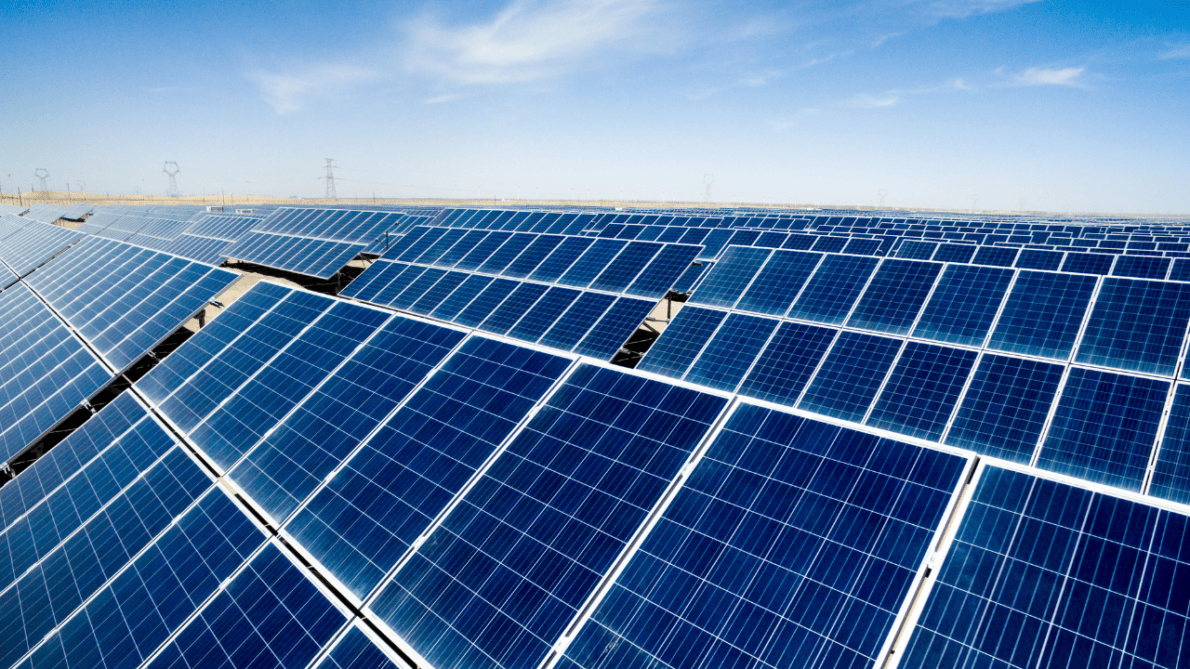
With Investment of R$ 5.4 Million, Photovoltaic Solar Plant in Rio Grande do Norte Focuses on Research on Extreme Climate.
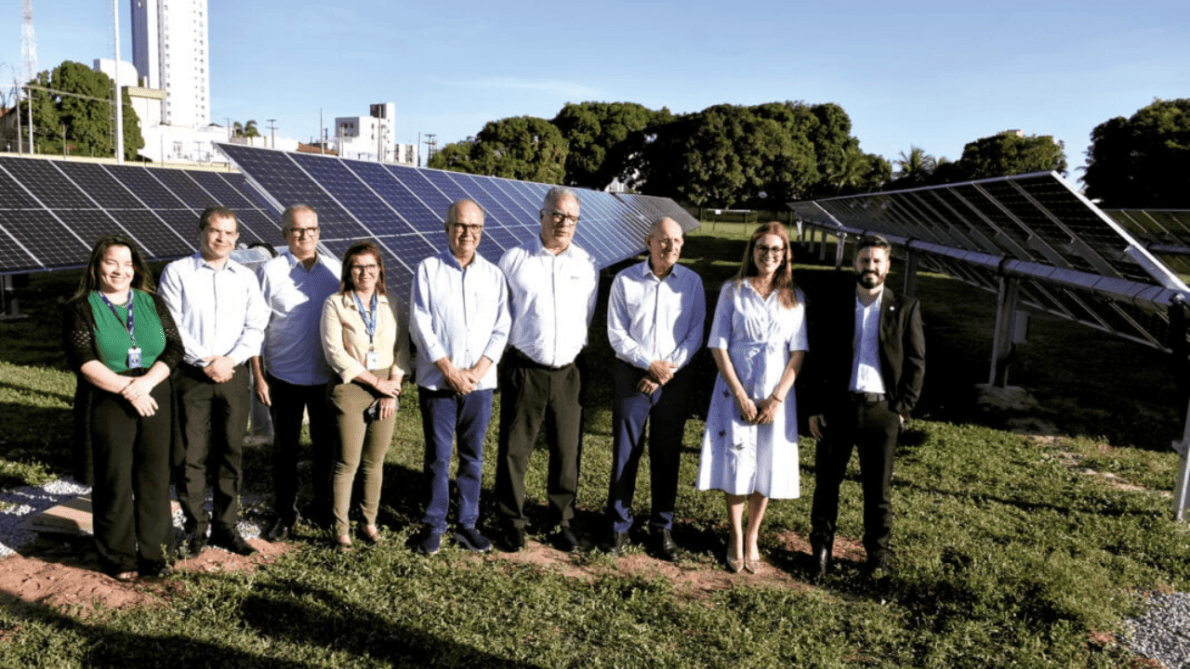
The state of Rio Grande do Norte has just inaugurated a pilot photovoltaic plant aimed at studying how extreme weather events affect solar energy generation. With an investment of R$ 5.4 million, the structure is the result of a partnership between the Senai Institute of Innovation in Renewable Energies (ISI-ER) and TotalEnergies, and is expected to be operational in the second half of this year.
Installed in Natal, the plant has 380 solar modules with different technologies distributed over an area of 4,400 m². In addition to energy generation, the plant will have a scientific function: to evaluate phenomena such as intense irradiance, which can cause overheating and damage solar equipment.
Photovoltaic Solar Plant in Rio Grande do Norte
The new photovoltaic plant functions as a large experimental center. The structure was designed to allow testing under real conditions, connected to the ISI-ER electrical grid.
-
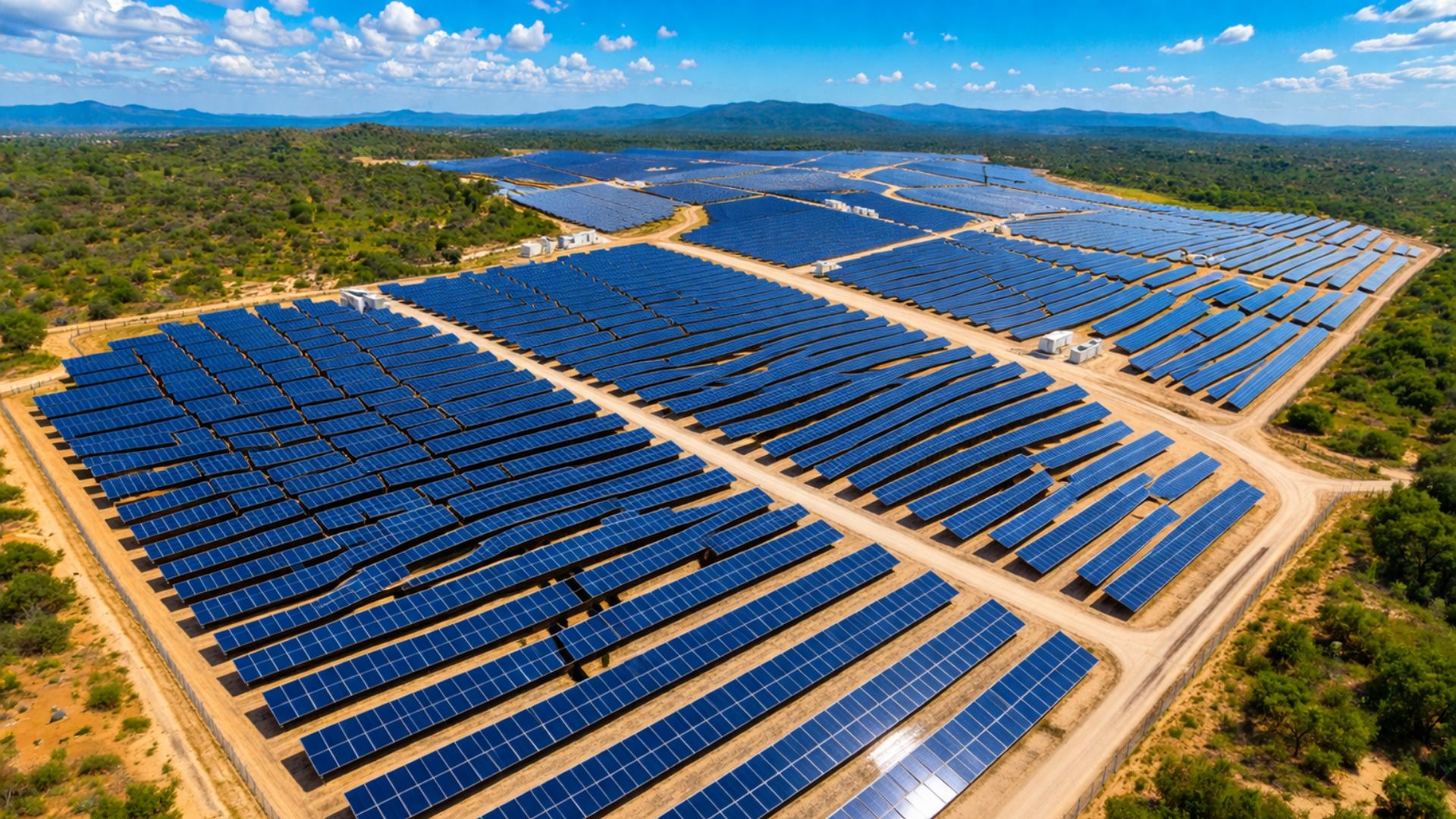
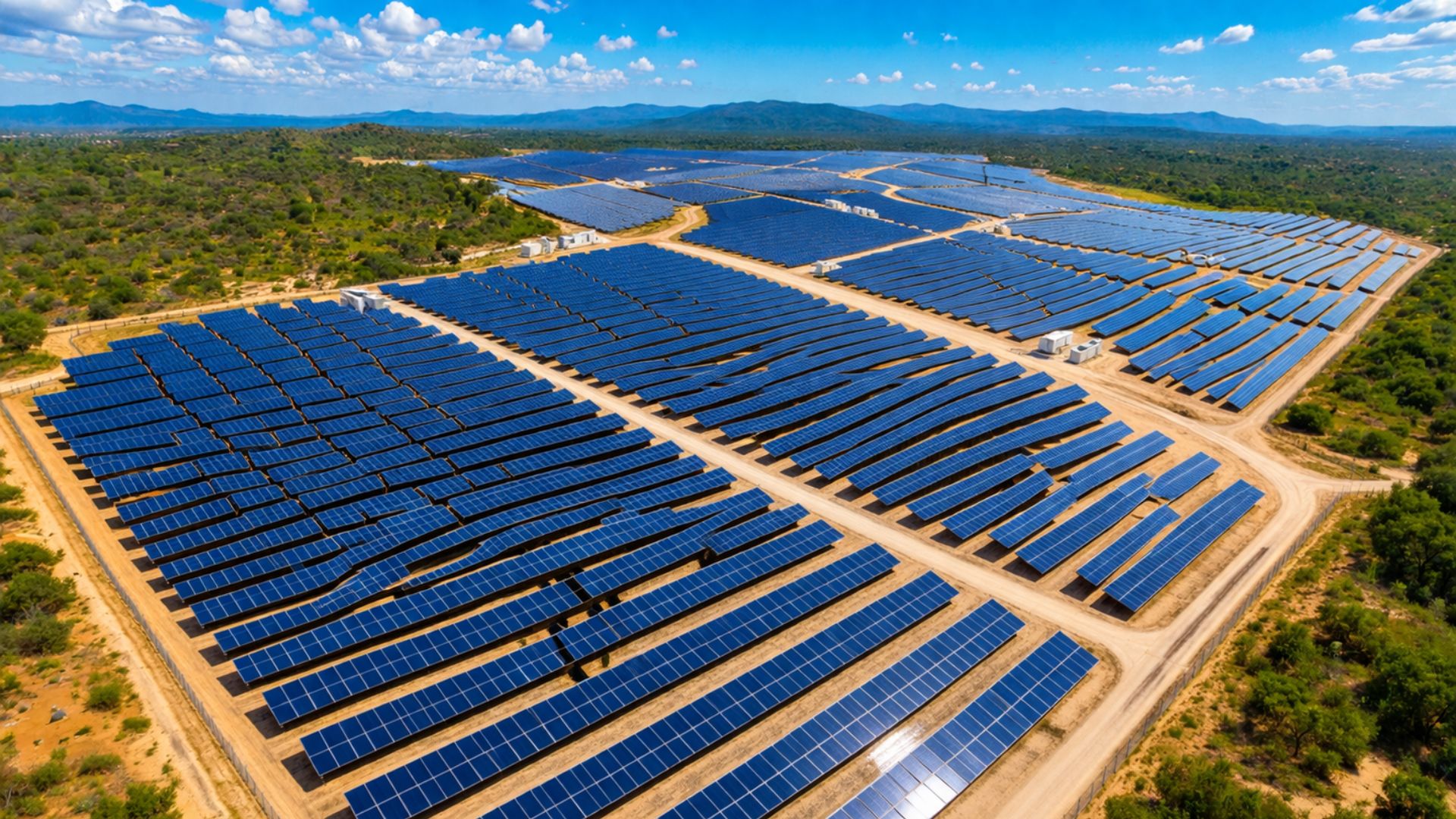
The Sol do Agreste Photovoltaic Complex begins operations in Pernambuco and accelerates the expansion of solar energy in Brazil, directly impacting the reduction of emissions and strengthening the sustainable energy matrix.
-
The Sol do Agreste Photovoltaic Complex begins operations in Pernambuco and accelerates the expansion of solar energy in Brazil, directly impacting the reduction of emissions and strengthening the sustainable energy matrix.
-
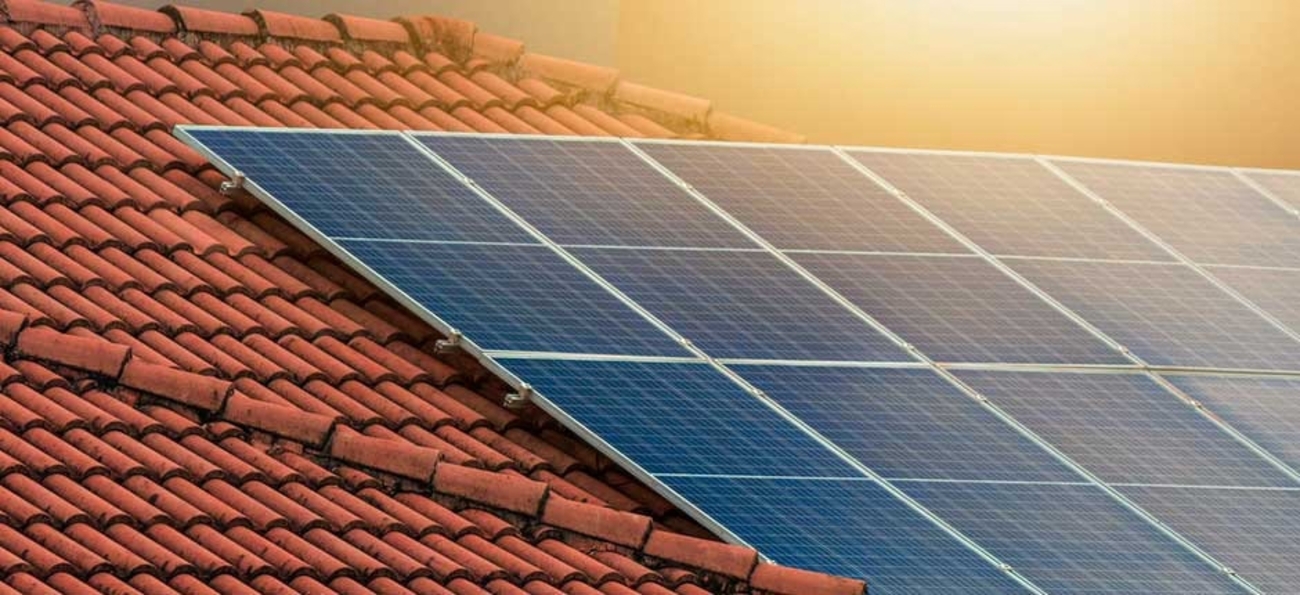
Roraima bets on the sun to escape high tariffs: Amid the energy crisis and price hikes, solar energy is growing in Roraima and transforming consumption in the North region.
-
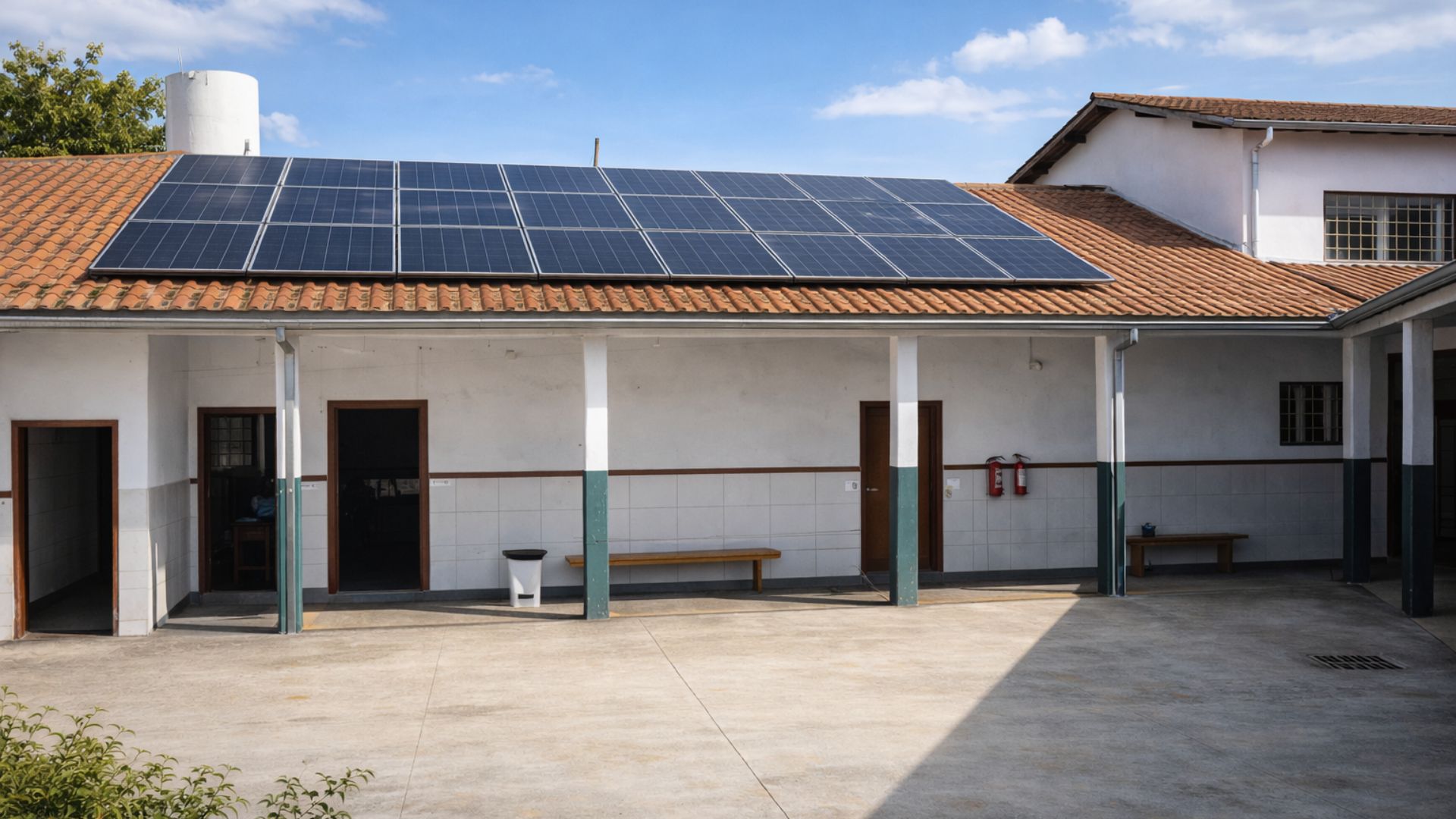
Copel boosts solar energy in Paraná and brings innovation to public schools, promoting savings on electricity bills, energy efficiency, and a direct impact on the quality of education.

The significant difference lies in the installed technological diversity. Both monofacial and bifacial modules are used, with different types of inverters, allowing for performance comparisons.
Additionally, the plant features a state-of-the-art meteorological station that will provide real-time data on solar radiation, temperature, and other climatic factors.
Why Study Irradiance?
One of the central focuses of the project is the study of concentrated irradiance, a phenomenon that occurs when dense clouds pass and, soon after, sunlight intensely hits specific points of the plant.
This effect can generate “hot spots”—areas of overheating that compromise the lifespan of solar equipment.
According to Samira Azevedo, a researcher at ISI-ER, this type of event was poorly understood until a few years ago.
“At that time, we did not understand if this type of event [the irradiance] could cause any damage to photovoltaic plants, but the truth is that despite occurring in a few minutes, when irradiance is very intense, it is quite likely that equipment will be damaged,” she states.
Research Project with National Impact
The initiative involves 17 researchers and is supported by the National Agency of Petroleum, Natural Gas, and Biofuels (ANP).
The expectation is that the data collected will help make photovoltaic systems safer and more efficient, including for small residential installations.
The knowledge generated will initially be passed on to TotalEnergies and then shared with the market, contributing to the advancement of solar technology in Brazil.
Solar Energy and Innovation in Rio Grande do Norte
The state of Rio Grande do Norte is already a national highlight in wind energy production. Now, with advancements in research in the field of solar energy, the state reinforces its role as a hub of innovation in renewable energies.
This pilot plant represents a milestone not only for the state but for the entire energy sector of the country. It combines science, technology, and sustainability to face real challenges—such as the impacts of climate change on clean energy generation.
The development of the photovoltaic plant in Natal shows how Rio Grande do Norte is investing in solutions to ensure a more resilient and sustainable energy future.
By studying extreme phenomena, the project helps protect investments and improve the reliability of solar plants throughout Brazil.






Seja o primeiro a reagir!