





 Portuguese
  English
  Spanish
 4 min of reading


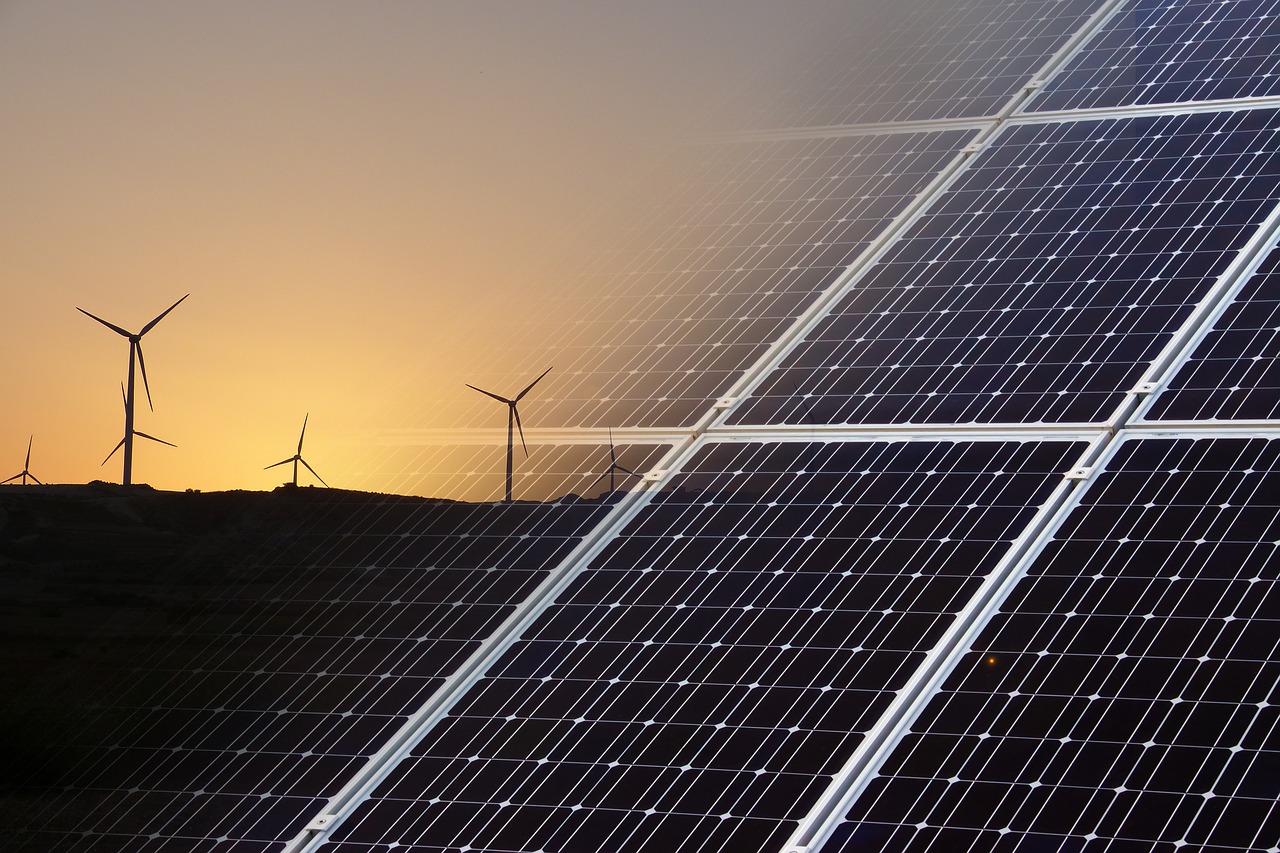
With Investments Over R$ 30 Billion, Rio Grande do Norte Gains Prominence in the Renewable Energy Sector
Those responsible for the renewable energy sector are planning an investment of R$ 35 billion in Rio Grande do Norte in the next four years. This forecast was presented during the first edition of RMT Eólica & Solar, an event that brought together on Thursday (12) entrepreneurs, investors, and national and international authorities from the renewable energy sector. The conference is sponsored by Baur, an international organization providing cable management services and technology, which sees Rio Grande do Norte as an area with huge potential for investments in medium-sized renewable energy networks. The company is preparing to work directly in the state of Rio Grande do Norte.
Rio Grande do Norte was chosen to host the event and accommodate about three wind farms in Brazil. The executive director and representative of Baur in Brazil, Daniel Bento, reports that it is customary for the state to continue to be a leader in the renewable energy sector. He notes that over the past 10 years, more than R$ 200 billion has been invested in wind and solar energy. He predicts that this year alone, R$ 80 billion will be invested, which will be used to acquire the wind turbine, the most expensive component that will actually generate energy, and also the central power grid, which will serve to transmit the energy. The meeting also featured Markus Baur, CEO of the Austrian multinational that plans to start operating directly in Rio Grande do Norte.
The conference focused on the development of the renewable energy sector and also on discussing issues related to the new investment project in renewable energy, operation and maintenance of medium-sized power grids, which are used to connect industries to the SIN (National Interconnected System).
Wind and solar energy parks, due to having several isolated production units from each other, require this type of grid, which is mostly installed underground. With the growing supply of renewable energy, the electrical network infrastructure also increases to transfer this energy to utility points, as well as the need for training professionals to work in the field.
-
Renewable energy advances over protected areas in Brazil, and a survey by the Energy Transition Observatory reveals silent impacts that challenge environmental conservation and pressure sensitive traditional territories.

-
Rio Grande do Sul accelerates energy transition: State invests in renewable technologies and consolidates decarbonization strategies and pathways to attract billions in new industrial investments.

-
With 160,000 m² of collectors, an area larger than 20 football fields, Silkeborg, in Denmark, hosts a solar thermal plant that heats 19,500 homes and could become the largest solar heating plant in the world.

-
A study reveals the expansion of renewable energy procurement in Brazil and shows how companies are taking advantage of opportunities to reduce expenses, ensure energy efficiency, and strengthen strategic environmental commitments.


Sandro Yamamoto, technical director of ABEEólica (Brazilian Wind Energy Association), was also present at the event giving a presentation on the current scenario in the state of Rio Grande do Norte. He emphasized that the state can be an important source of income, based on the expertise of specialists that will be produced in the coming years with the construction of the renewable energy sector.
For the director, it is a massive investment coming through a series of regional developments. Many wind farms will generate energy, which is also a way of distributing income to people who rent their land to build parks.
During the presentation, investors also discussed the challenges that entrepreneurs face in bringing new wind farms to Rio Grande do Norte. ABEEólica is analyzing the government declaration that establishes an environmental compensation fee. According to Yamamoto, the sector fears that the fee could pose a risk to business in Rio Grande do Norte or that the text could even alienate new investors.
“In this regulation, there is an unprecedented social and environmental compensation for companies that will invest in the state, ranging from 0 to 5% of the total investment. In this field, we understand that such an application will not be a compensation of 4%, 5%, because the wind farm does not have that impact; it has a complete formula. However, it is an unprecedented value; we have projects in development that have already signed energy sale contracts and are considering the environmental compensation,” explains Yamamoto.
However, a representative of the Brazilian Wind Energy Association states that they maintain good relations with Sedec (Secretary of Economic Development) and Governor Fátima Bezerra. “It is a good conversation that we maintain with the governor and with Jaime Calado himself. We plan to meet next week to discuss these measures, as the relationship is good and this investment will help Rio Grande do Norte grow,” he said.
Regulation Provides Percentage for Environmental Compensation
The management of environmental compensation is exercised by the Public Power through Proclamation No. 31,278, published on February 16, 2022. This document regulates the natural compensation of projects in various sectors of the economy. The document discusses compensation plans for significant environmental impacts in projects that, at the inclusion stage, must allocate 0.5% to 5% of the investment value for compensation actions.
The document also regulates the Environmental Compensation Chamber and created the State Environmental Compensation Committee. In the field of renewable energies, such as wind farms, there are concerns that costs may rise, driving away investors. The calculation of the level of impact, prices, and allocation of resources will be done by the Environmental Compensation Chamber and the State Environmental Compensation Committee, which has consultative and deliberative character. This body should be composed of representatives from governmental institutions and civil society organizations, with the functions of defining priorities, monitoring and evaluating the work of the Chamber, aiming to provide greater security, combat corruption, and transparency.
Environmental compensation is a partner to the entrepreneur in the use of natural resources and economic benefits. The government’s model was incorporated into state law in 2004 and requires the use of at least 0.5% of the investment value to support the implementation and maintenance of conservation units, and up to a maximum of 5% to support or create another environment with measures to compensate the affected community and the ecosystem.






Seja o primeiro a reagir!