





 Portuguese
  English
  Spanish
  2 min of reading


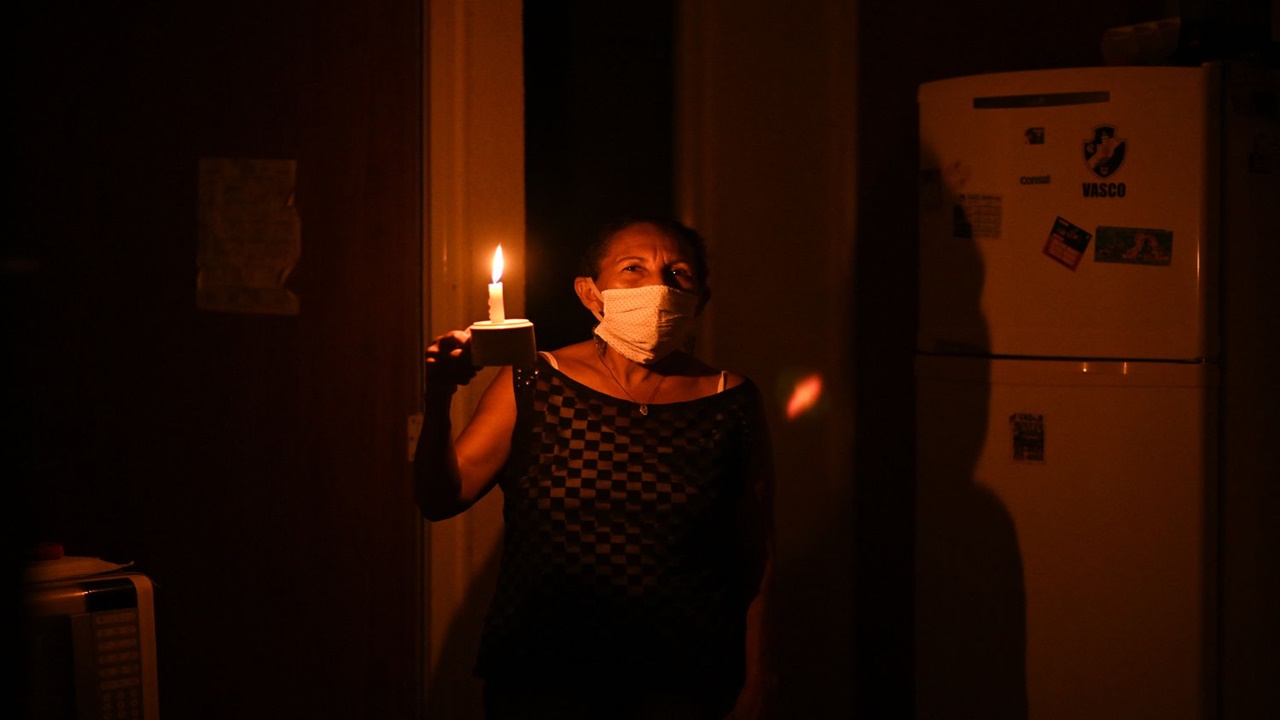
In Addition To High Tariffs, We Will Cope With Power Cuts And Hope We Don’t Reach A Blackout Situation. Alert Adilson de Oliveira, Professor At The Federal University Of Rio De Janeiro (UFRJ)
Blackout? According To The Sector Monitoring Committee, Despite An Increase In Rainfall In The Major Watersheds That Supply Brazil’s Hydroelectric Plants, This Increase Has Not Yet Been Able To Reverse The Conditions Of The Reservoirs, And The Water Scarcity In The Basins Increases The Risk Of Collapses In Energy Generation.
Read Also
- Groupo Marítimo And Offshore Wilson Sons Starts Recruitment And Selection For Maritime Workers
- Aeronautics Contest (EAGS) With 231 Vacancies For Technical High School
- 40 Job Openings At Construction Company Camargo Corrêa For Civil Construction And Infrastructure Works
- Petrobras Announces Million-Dollar Disinvestment In The Northeast; State-Owned Company Sells 3 Wind Farms To Vinci Group
Between October And December, The National Interconnected System (SIN) Registered The Second Lowest Inflow – Water That Reaches The Reservoirs Of Hydroelectric Plants – In 90 Years In The Southeast, Midwest, And South Regions.
To Understand How Serious The Situation Is, One Third Of The Reservoirs Monitored By The National Electric System Operator (ONS) Is Below 20% Of Total Capacity.
-
The Brazilian state accelerates industrial competitiveness with a focus on the extraction of strategic minerals to boost the energy transition in Goiás.

-
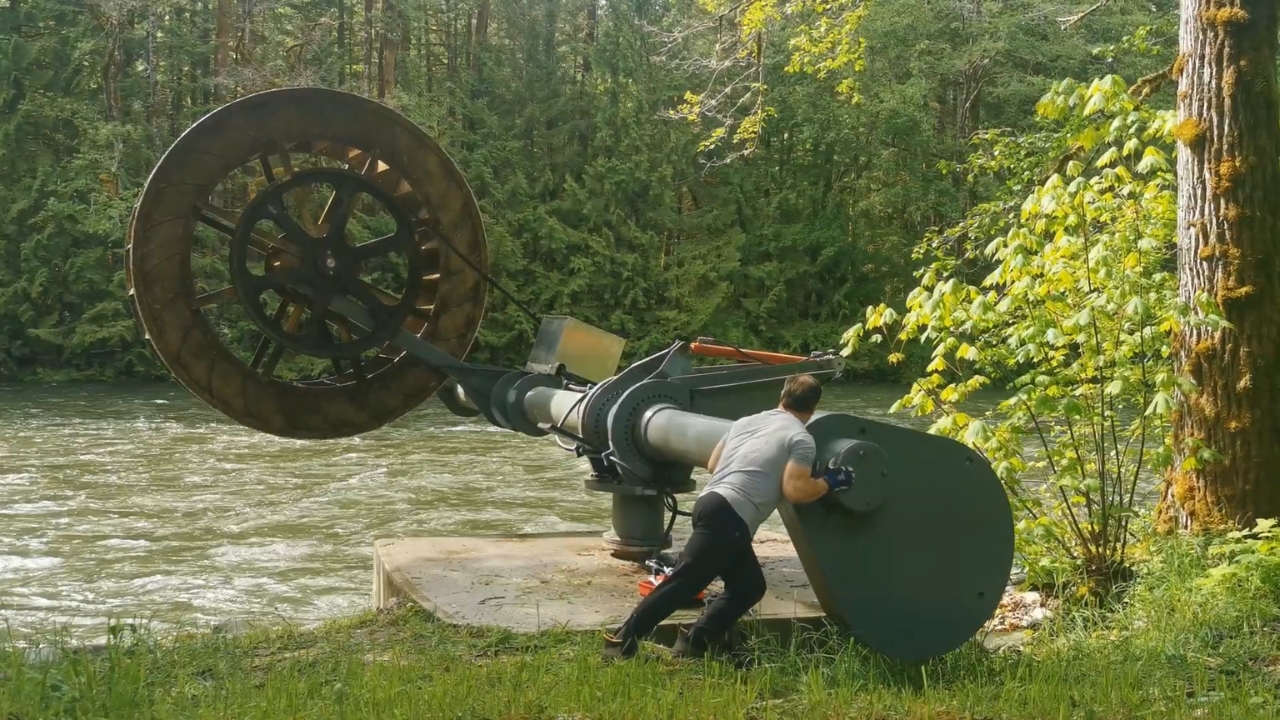
A Canadian retiree creates a hydroelectric system on a real river, generating energy continuously throughout the day and demonstrating how the power of water can supply a house with stability even in a simple structure.
-
Petrobras reaffirms its commitment to the market and ensures that it will carry out the energy transition safely to maintain national sovereignty.

-
Researchers discover a possible hydrogen deposit of up to 46 million tons beneath an ancient coal basin, and the volume could exceed half of the entire global production.


Despite The Data Being Concerning, There Are Good Rain Prospects In Important Basins, Especially In The Southeast Region, Which Contains Most Of The Country’s Hydroelectric Power Plants.
Due To The Expectation, The Electric Sector Monitoring Committee (CMSE), Linked To The Ministry Of Mines And Energy, Decided Last Wednesday (6) To Limit Energy Generation By Thermal Plants And To 16,500 Average Megawatts (MW) For Energy Imports.
Since The Electricity Generated By Thermal Power Plants Is More Expensive Compared To Electricity Generated By Hydroelectric Plants And Directly Affects The Consumer’s Wallet.
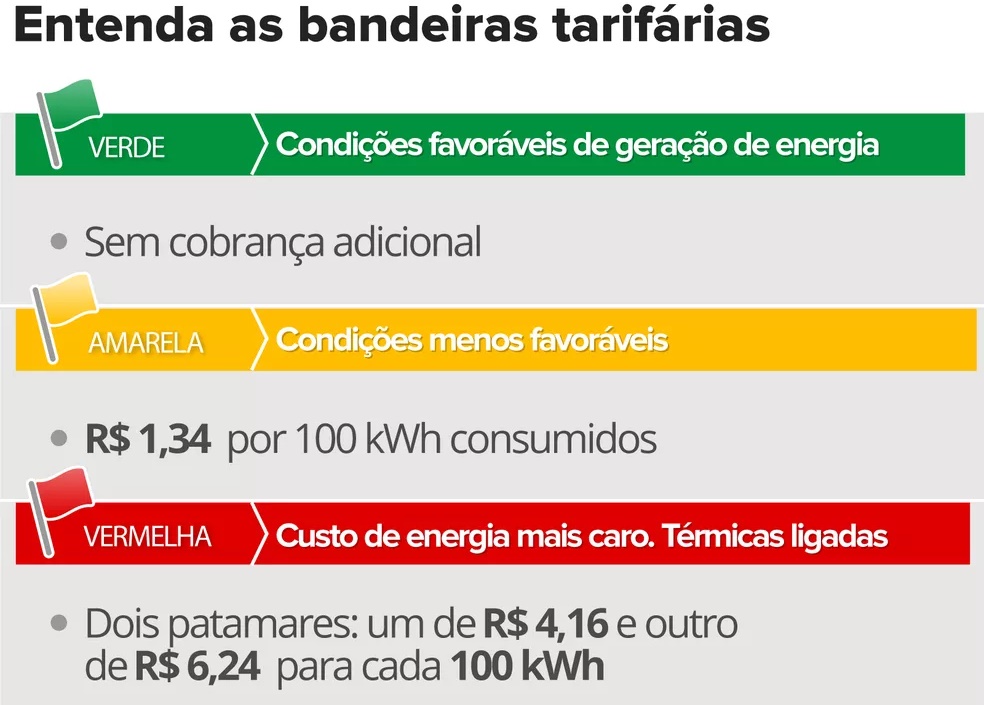
At The End Of Last Year, Electricity Bills Were Adjusted, And Consumers Started Paying The Highest Rate (Red Flag Level 2). Now, It Has Returned To A Caution Status (Yellow Flag).
Adilson de Oliveira, Professor At The Federal University Of Rio De Janeiro (UFRJ), Who Was A Consultant To The Ministry Of Mines And Energy During The Electric Sector Reform, Explains That The Government Needs To Act Quickly To Avoid Even More Drastic Problems:
“The Bill Will Increase Because We Will Work With Higher Tariff Bands. In March, It Is Likely That There Will Be Another Tariff Change. In Addition To The High Tariffs, We Will Cope With Power Cuts And Hope We Don’t Reach A Blackout Situation.”









Seja o primeiro a reagir!