





 Portuguese
  English
  Spanish
  5 min of reading
  24 comments


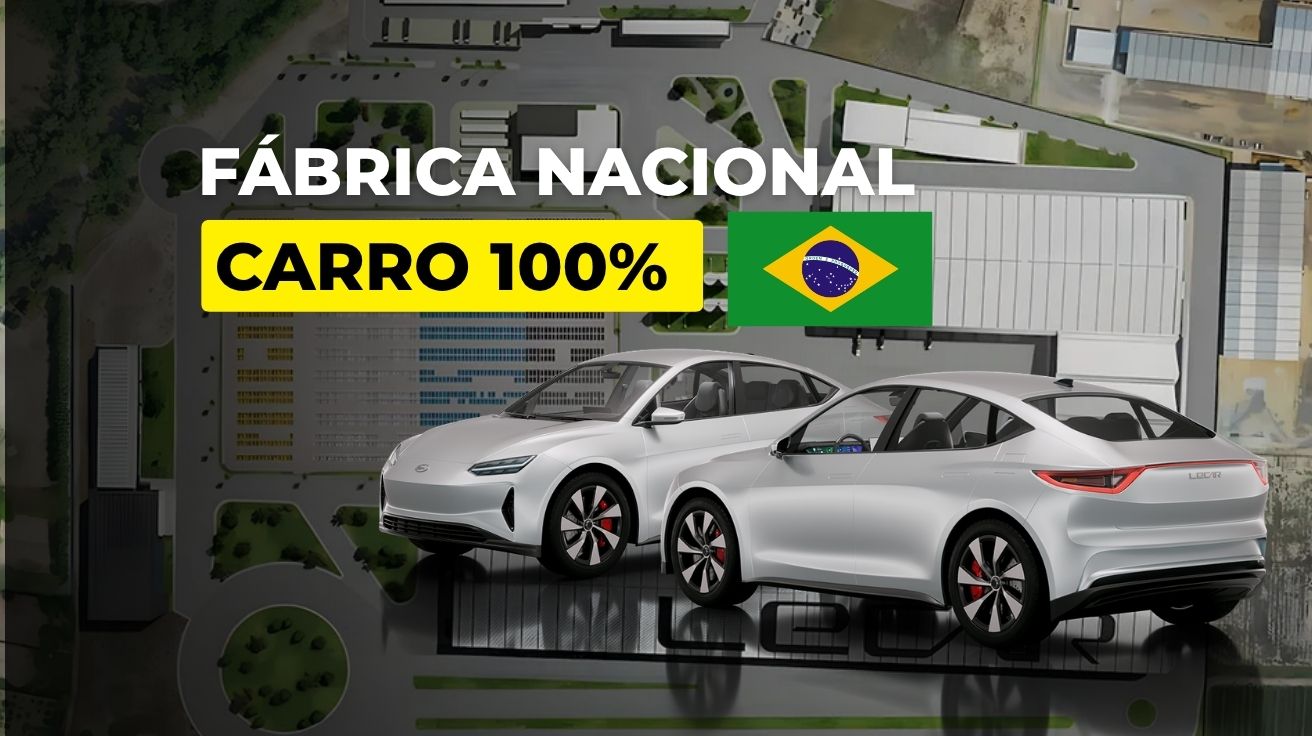


Brazilian Manufacturer Prepares Factory for Electric and Hybrid Cars with Advanced Technology
National company plans to produce vehicles with a range of up to 1,000 km and a 1.0 turbo flex engine, in a factory in Espírito Santo, to compete with Chinese giant BYD.
Rival of BYD? 100% Brazilian manufacturer prepares national production of electric and hybrid cars with a range of up to 1,000 km and a 1.0 turbo flex engine with 165 hp.
A Brazilian entrepreneur announced an ambitious project: to create a 100% national manufacturer focused on producing electric and hybrid cars.
-
Son of a seamstress from the rural area of Ceará who did not speak English wins a scholarship of over 2 million reais at Williams College, one of the top 10 universities in the United States, covering everything including dormitory, meals, and annual trips to Brazil.

-
Bill Gates revealed that the true secret behind every great achievement is not a brilliant leap but rather small improvements repeated over the years, and the data from his own career and the fight against climate change prove that he is right.

-
With 22 thousand tons of steel, a height nearly three times greater than the Eiffel Tower, and a cost of R$ 1.6 billion, China is building the highest bridge on the planet over a colossal canyon, reducing a crossing time of over 2 hours to just over 2 minutes.

-
With an investment of R$ 612 million, a capacity to process 1.2 million liters of milk per day, Piracanjuba inaugurates a mega cheese factory that increases national production, reduces dependence on imports, and repositions Brazil on the global dairy map.


Flávio Figueiredo Assis, leading the initiative, aims to position his company as a direct competitor to Chinese BYD, which currently dominates the Brazilian electric vehicle market.
According to updated data from February 2025, BYD holds a 77.7% market share of electric car sales in Brazil, a segment that saw approximately 89% growth in 2024.
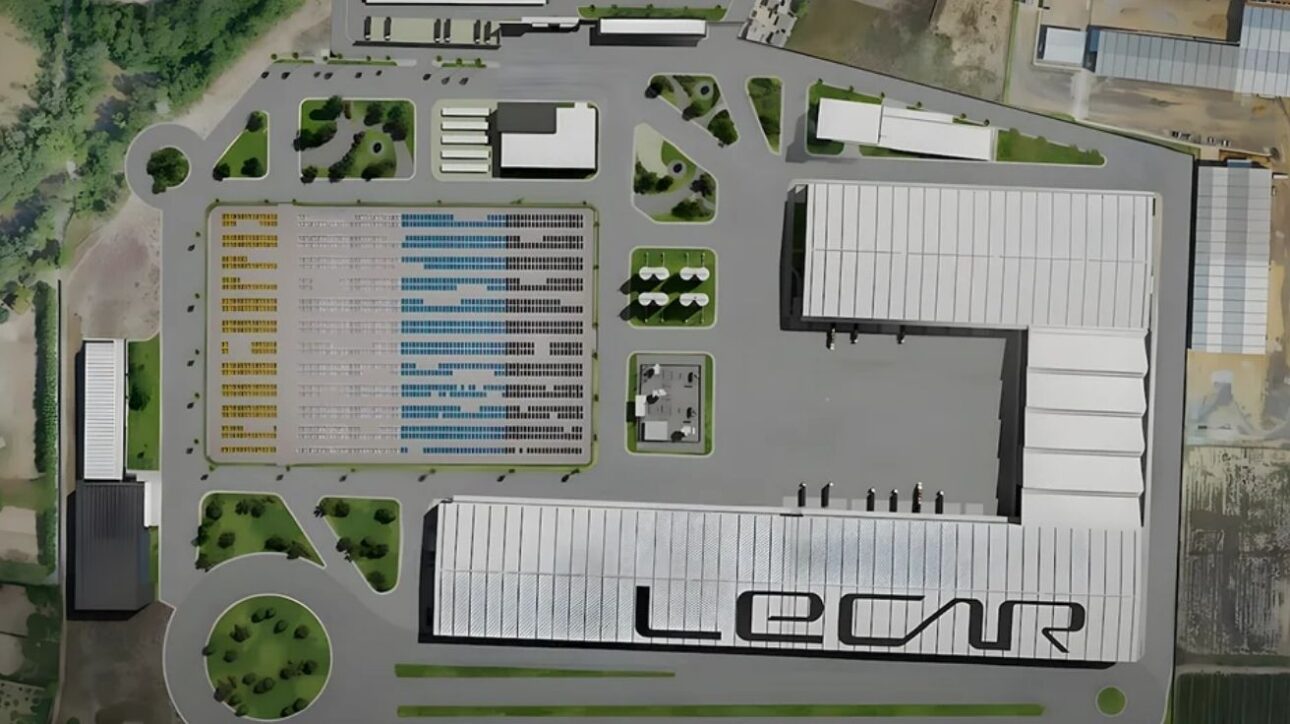
In this context, Assis launches his innovative proposal, betting on the manufacture of hybrid and electric vehicles produced in the country, from a factory located in Sooretama, Espírito Santo, about 100 kilometers from the capital Vitória.
National Production of Electric and Hybrid Cars
The manufacturer, named Lecar, presents itself as the first 100% Brazilian company dedicated to the production of hybrid and electric vehicles.
As stated on its official website, the company highlights the technology of electric traction without the need for external recharging through conventional outlets, making vehicles more accessible and practical for the national consumer.
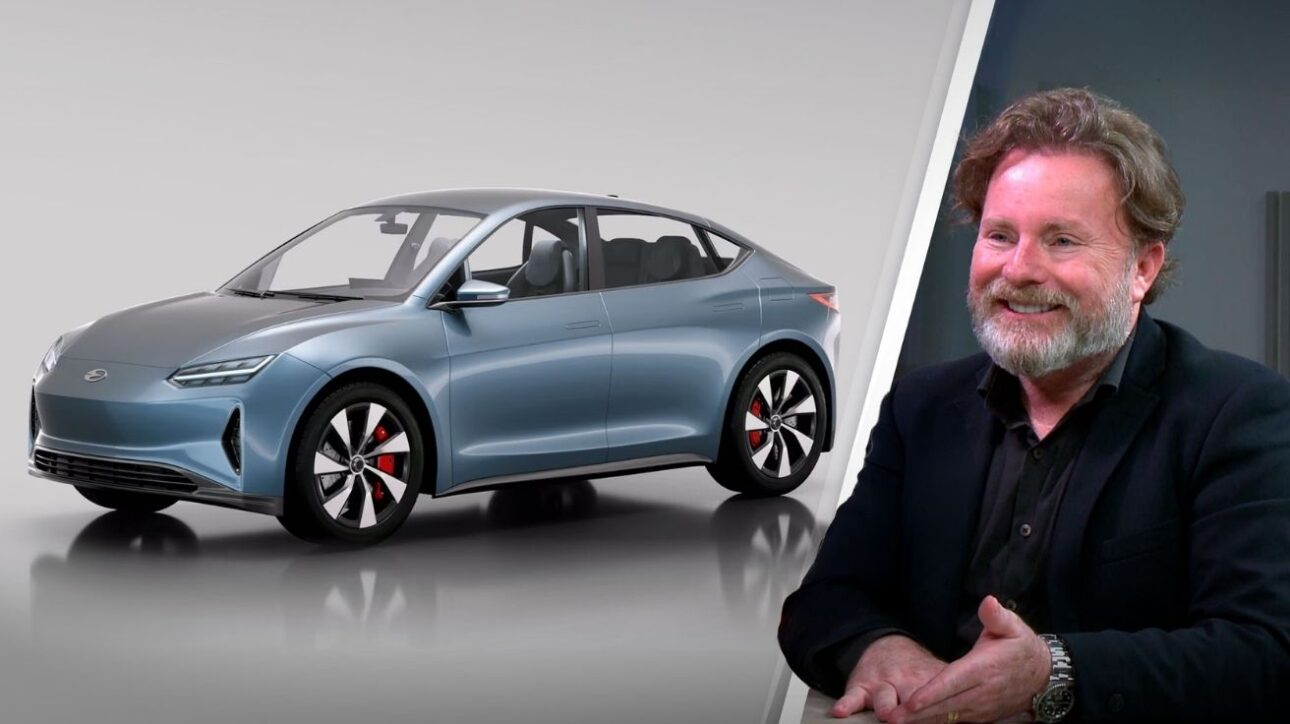
The first model announced by Lecar is the Model 459, a hybrid that combines a 1.0 turbo flex three-cylinder engine with an electric motor producing 165 horsepower.
The electric propulsion is powered by a generator specially developed by WEG, a renowned Brazilian company in electro-electronic solutions, which was integrated into the project to ensure efficiency and autonomy for the vehicle.
Visually, the Model 459 features a futuristic design with angular lines that reference the main global electric cars, while maintaining a Brazilian identity, especially with a flatter profile at the top, contrasting with the style adopted by BYD.
Currently in pre-sale, the model can be reserved for R$ 1,593, an amount that guarantees the buyer priority for acquisition as soon as the vehicle is launched on the market.
Partnerships and Investment for the Factory in Espírito Santo
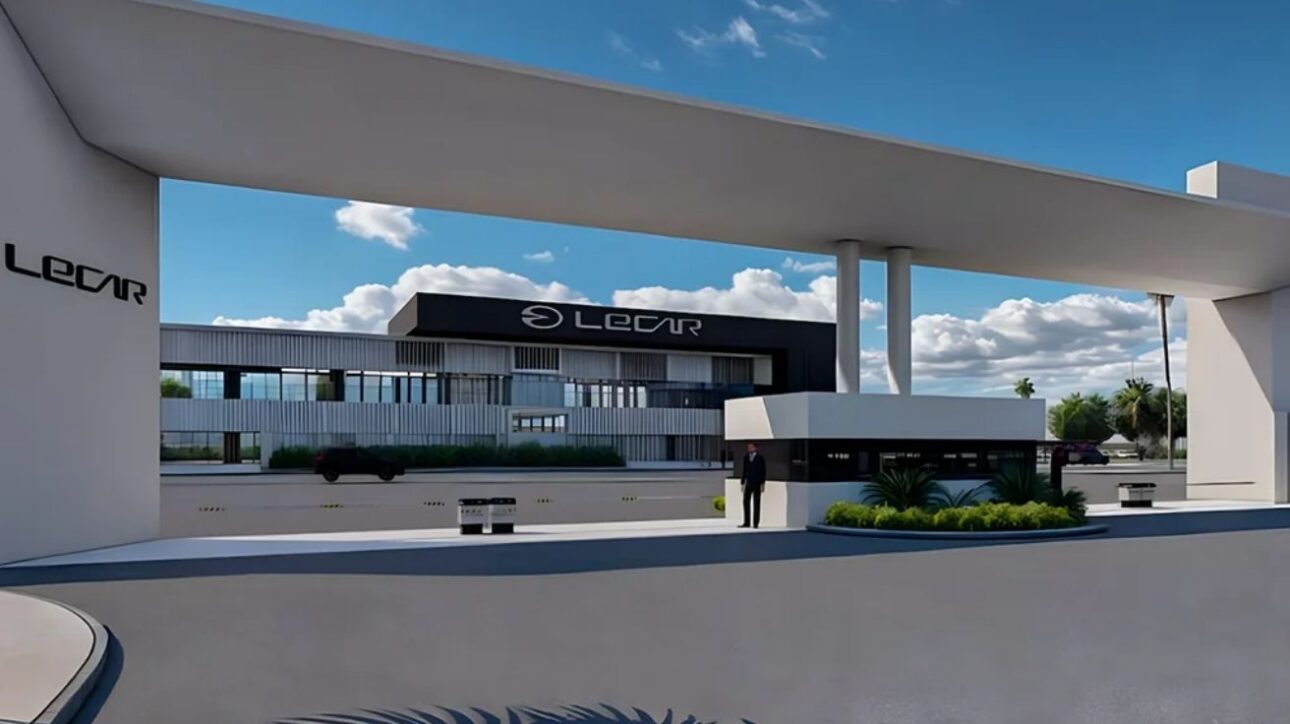
The production of Lecar will be supported by the partnership with Machine Desenvolvimento, responsible for the construction of the industrial plant, also located in Espírito Santo.
The assembly of the production line will be handled by the Italian multinational Comau, a specialist in automation and industrial robotics, which promises high technology in the manufacturing of the vehicles.
The factory will have an area of approximately 460,000 square meters and will benefit from tax incentives and exemptions granted by the state government of Espírito Santo.
Initially, the plant was planned to be built in Camaçari, Bahia, but the land was previously acquired by BYD, which led to the move to Sooretama.
The initial investment forecast for the development of the national hybrid car line is R$ 870 million.
Of this amount, about R$ 630 million will be directed to the automation of the assembly line, while the remainder will be applied to the infrastructure of the factory.
To make the project viable, Lecar plans to raise funds from the National Bank for Economic and Social Development (BNDES), the Financing Agency for Studies and Projects (Finep), the Superintendency for the Development of the Northeast (Sudene), and other regional financial institutions.
Technology and Autonomy of the Lecar 459 Model
The Model 459 has an estimated range of up to 100 kilometers in exclusively electric mode, with a total combined range of up to 1,000 kilometers.
A technological differentiator of the vehicle is the Range Extender system, which uses an internal combustion engine only to recharge the battery, powering the electric motor responsible for the traction.
This eliminates the need for recharging at conventional outlets, enhancing practicality for the user.
Other Models and Progress of the Manufacturer
In addition to the Model 459 sedan, Lecar has plans for a hybrid pickup called Lecar Campo.
With a 900-liter cargo bed and a hybrid ethanol engine, the pickup offers 165 horsepower and a double cab configuration.
Its robust design and futuristic angles indicate a focus on off-road performance, catering to the needs of Brazilian consumers seeking vehicles for work and leisure on varied terrains.
In November 2024, a prototype of the Model 459 was spotted in Barueri, in the interior of São Paulo, as reported by CNN.
The vehicle was still in the experimental phase and displayed a design that predates the recent modifications, which aligned its look with contemporary electric vehicle standards, with clear inspirations from Tesla models, the American manufacturer led by Elon Musk.
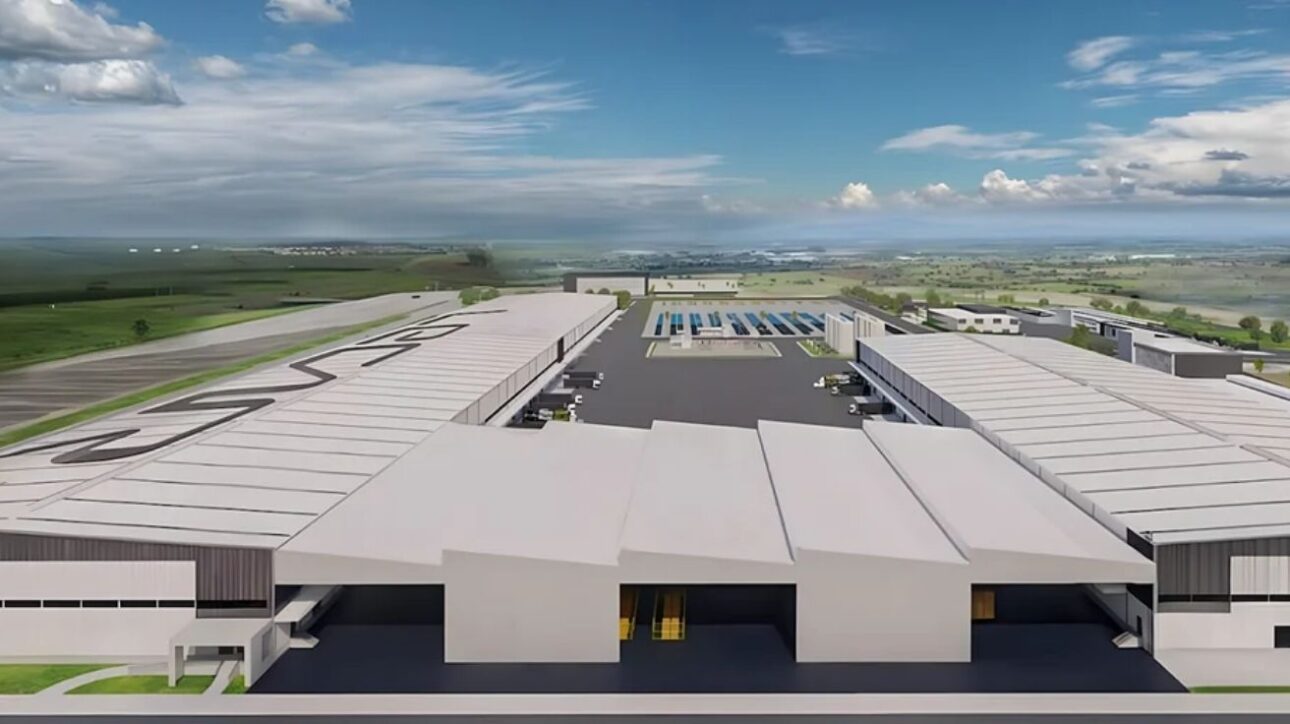
The presence of the prototype on the streets highlights the advancement of development stages, while Lecar’s factory is set to begin operations in 2026.
The national project aims not only to compete with BYD but also to strengthen the Brazilian automotive industry in the sustainable vehicle segment, combining technological innovation with local knowledge.
With the rapid growth of the Brazilian electric and hybrid car market, the arrival of a 100% Brazilian manufacturer could alter the dynamics of a sector currently dominated by foreign brands.
The range of up to 1,000 kilometers and the Range Extender system present themselves as differentiators that can attract consumers concerned with everyday practicality and environmental sustainability.





Torço pra que de Certo e que não Seja Boicoitada pela nossa Classe política Suja, que se deixa levar por interesse Cabulosos.
Vamos nos interessar, acompanhar e colaborar para que de certo!
Só roubalheira!