





 Portuguese
  English
  Spanish
 5 min of reading
  0 comments


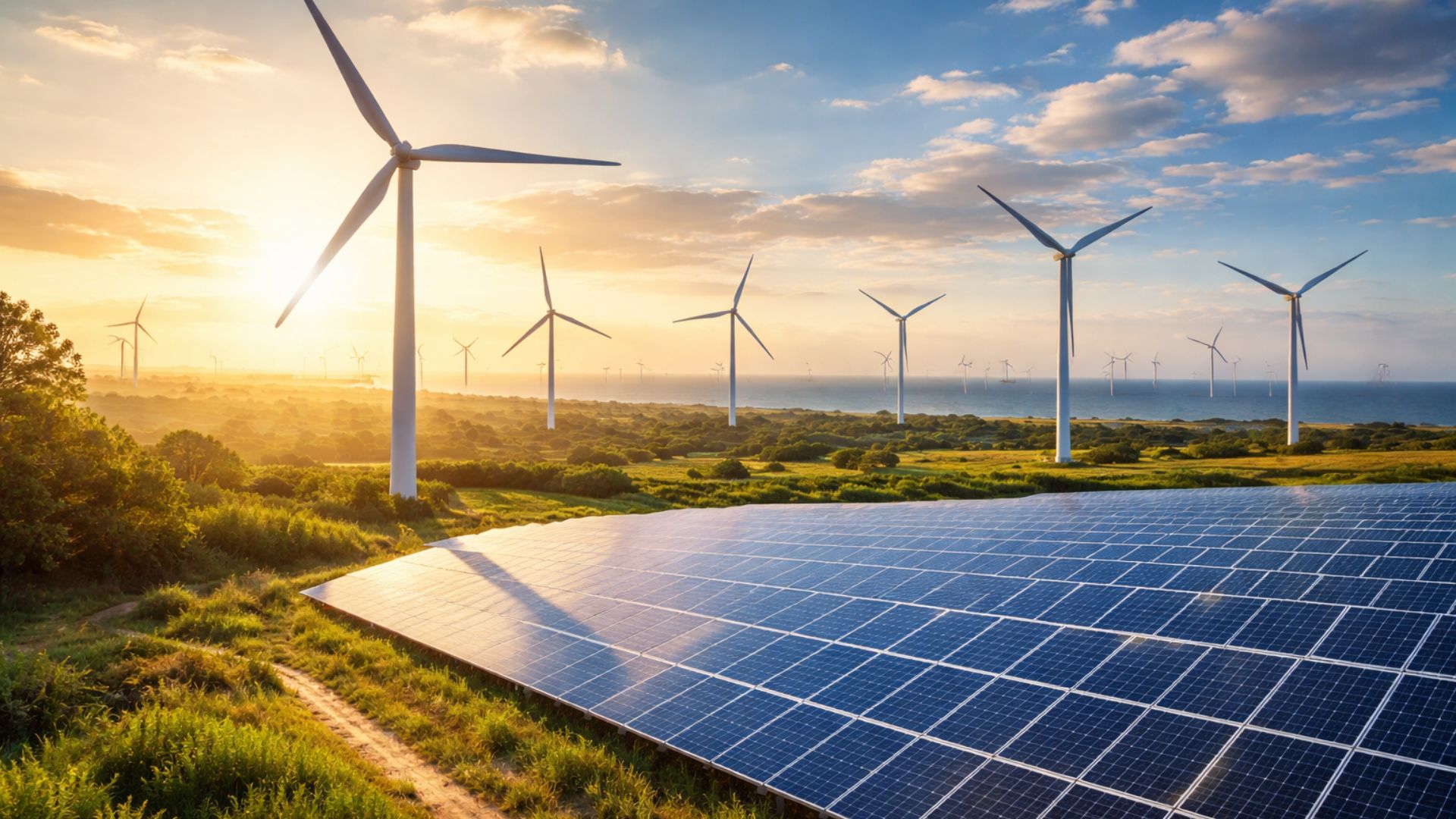
RN Consolidates Its Position as a Power in Renewable Energy, with Strong Wind and Solar Growth, Billions in Investments, and Transmission Challenges Defining the Future of Energy Infrastructure in Brazil.
By 2025, Rio Grande do Norte solidified its position as one of the main protagonists of the energy transition in Brazil. According to an article published by Agora RN this Wednesday (28), official data from the National Electric Energy Agency (Aneel) shows that the state maintained a nearly clean power matrix, with 99% of the granted capacity and 98.14% of the installed capacity coming from renewable sources.
The information is part of the Electric Sector Balance of RN – Base Year 2025, prepared by the State Department of Economic Development, Science, Technology, and Innovation (Sedec), through the Energy Development Coordination (Coder). The survey confirms that the state achieved 12.4 gigawatts (GW) of installed capacity, mainly supported by wind and solar sources, which together represent 97.61% of the capacity in operation.
RN and Renewable Energy Consolidate National Standout
The standout of RN in renewable energy is the result of a continuous process that began over a decade ago. The state has managed to align natural factors, public planning, and private sector interest, creating a favorable environment for the installation of large clean generation projects.
-
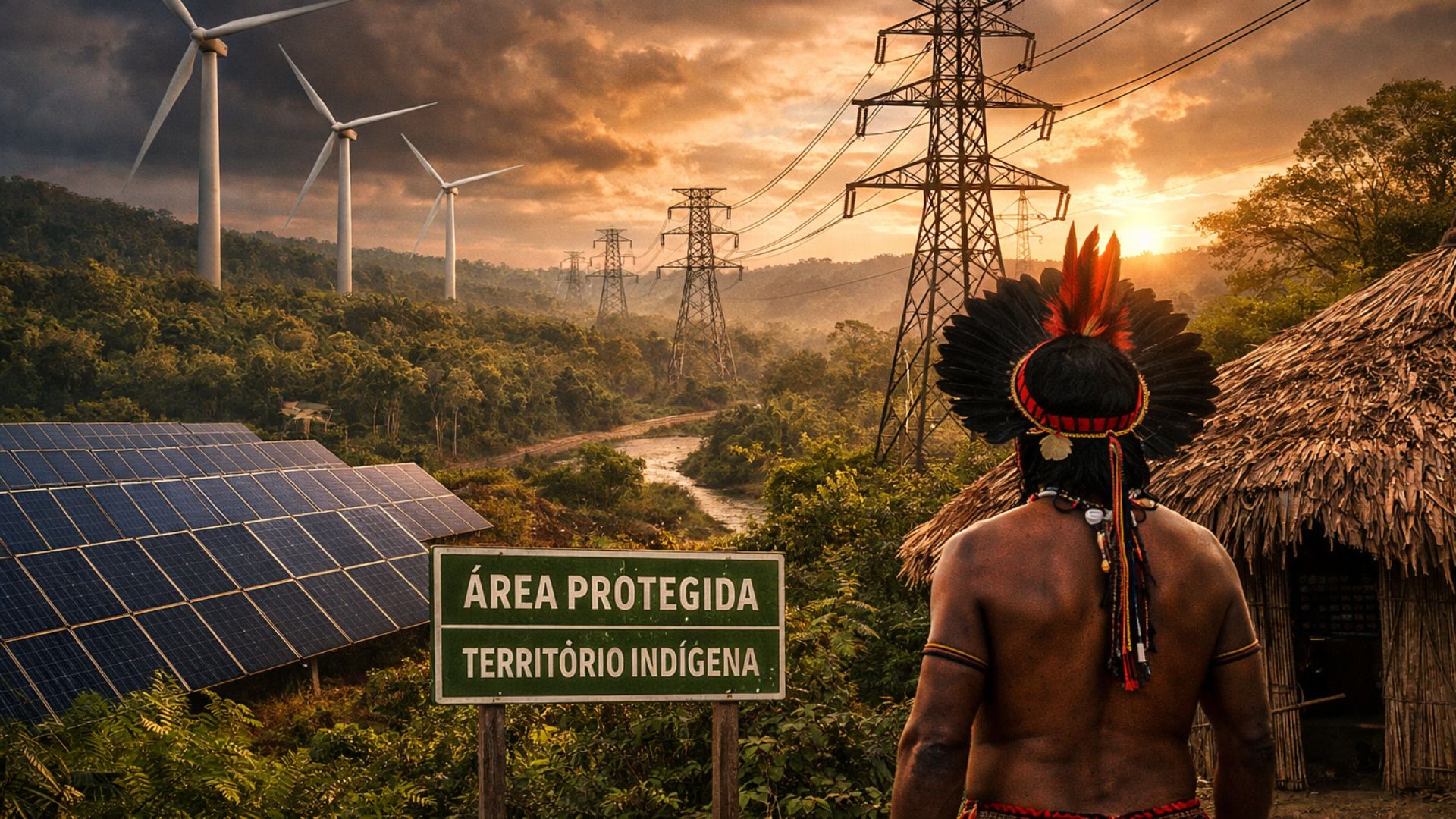
Renewable energy advances over protected areas in Brazil, and a survey by the Energy Transition Observatory reveals silent impacts that challenge environmental conservation and pressure sensitive traditional territories.
-
Rio Grande do Sul accelerates energy transition: State invests in renewable technologies and consolidates decarbonization strategies and pathways to attract billions in new industrial investments.

-
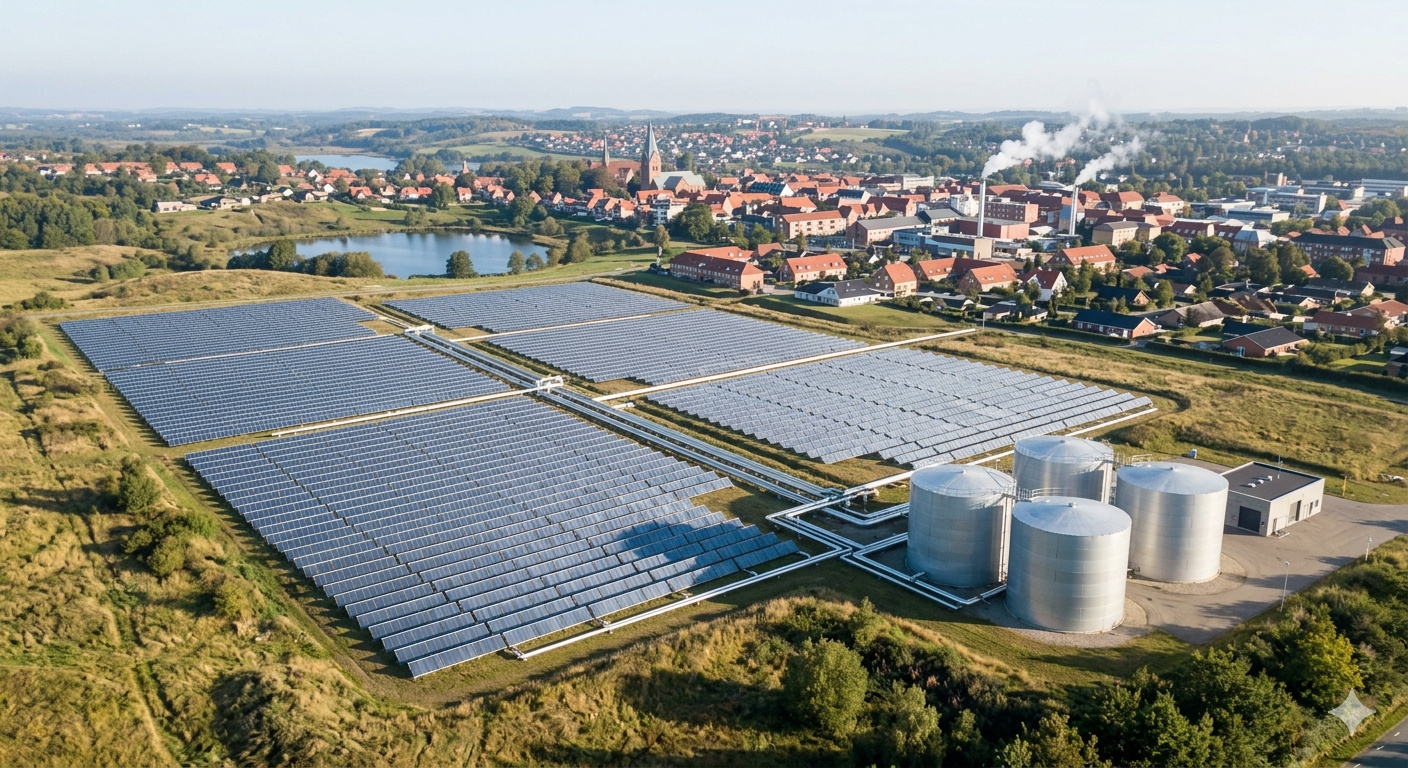
With 160,000 m² of collectors, an area larger than 20 football fields, Silkeborg, in Denmark, hosts a solar thermal plant that heats 19,500 homes and could become the largest solar heating plant in the world.
-
A study reveals the expansion of renewable energy procurement in Brazil and shows how companies are taking advantage of opportunities to reduce expenses, ensure energy efficiency, and strengthen strategic environmental commitments.


While other federative units still depend on fossil sources or large-scale hydroelectric plants with significant environmental impact, RN has advanced to a model almost entirely based on renewable sources. This scenario positions the state among the most sustainable in the country in terms of its power matrix.
In addition to reducing greenhouse gas emissions, the diversification of generation strengthens regional energy security and amplifies the relevance of RN in the national electric system.


Wind and Solar Predominance in RN’s Power Matrix
Wind energy remains the main driver of the potiguar power matrix. In 2025, this source accounted for 85.34% of the installed capacity, reinforcing RN’s historical role as one of Brazil’s largest producers of wind electricity.
Throughout the year, ten new wind farms came into operation, adding 552.6 megawatts (MW) to the state’s capacity. Although significant, this volume represents a more moderate growth rate compared to previous cycles of accelerated expansion.
According to Sedec, this movement reflects a period of accommodation in the sector, influenced by factors such as limitations in transmission infrastructure, operational restrictions known as curtailment, and a scenario of oversupply of renewable energy against a demand that grows more gradually.
In contrast, solar photovoltaic energy showed more consistent expansion. In 2025, 12 new solar plants started operations, adding 294.9 MW to the state’s power matrix. The municipalities of Assú and Santana do Matos concentrated the highest number of new projects, increasing the presence of solar generation in the potiguar interior.
Investments Maintain Economic Relevance of the Energy Sector
Investments in new clean generation projects remain one of the main drivers of the economy in Rio Grande do Norte. In 2025, the estimated contributions to wind and solar projects totaled R$ 5.5 billion, according to Sedec data.
Of the total invested, R$ 4.4 billion was directed to wind sources, while R$ 1.1 billion went to solar photovoltaic energy. Although the amount represents a decline compared to the previous year, the total is still considered high and strategic for the state.
Total investments between 2022 and 2025 surpassed R$ 36.6 billion, consolidating RN as one of the main poles for attracting capital in the renewable energy sector in Brazil. The financial impact goes beyond electricity generation, boosting productive chains, tax revenue, and regional development.
Renewable Energy Drives Jobs and Local Economies
The expansion of renewable energy also had direct effects on the job market. In 2025, the implementation of wind farms generated 5,917 jobs, considering direct and indirect positions.
Meanwhile, solar projects accounted for the creation of 3,449 jobs, primarily during civil works, electromechanical assembly, and electrical installations. These temporary jobs played a significant role in energizing local economies.
Municipalities that received new projects reported increased income circulation and strengthened sectors such as services, hospitality, food, and transportation. Clean generation has become a driver of territorial development in RN.
Transmission Infrastructure Limits New Investments
Despite advances, the balance of the electric sector points to a structural bottleneck that concerns the market: transmission infrastructure. The current capacity of the network does not keep up with the growth potential of generation, especially in regions with a high concentration of wind and solar parks.
This mismatch has caused episodes of curtailment, a situation in which plants are forced to reduce generation due to a lack of capacity to transport the generated energy. The problem affects the profitability of projects and decreases the attractiveness for new investments.
Sector experts warn that without reinforcement in transmission, RN may face difficulties in absorbing new projects, even in the presence of highly favorable natural conditions.
Perspectives for RN and Renewable Energy in the Coming Years
Official projections indicate continuity in the expansion of the potiguar power matrix. By 2031, new wind projects could add about 1.81 GW to the state’s installed capacity. For solar energy, the outlook is even broader, with expectations of 7.88 GW additional by 2038.
However, the realization of these projections depends directly on the implementation of structural investments, especially in the expansion and modernization of the transmission system.
According to Sedec, these advancements are critical to ensure energy security, reduce operational losses, and ensure regulatory predictability, factors deemed decisive for attracting new private projects.
What the 2025 Data Reveals About the Potiguar Energy Future
The balance of the electric sector for 2025 confirms that RN leads renewable energy in Brazil, supported by an almost entirely clean matrix, strong predominance of wind and solar, and a robust history of investments in the sector.
The state possesses natural advantages, technical capacity, and strategic relevance in the national electric system, but the future of growth inevitably passes through overcoming structural bottlenecks.
Reinforcing transmission infrastructure emerges as the main challenge to maintain prominence, enable new projects, and expand the economic and social benefits of the energy transition.








Seja o primeiro a reagir!