





 Português
  Inglês
  Espanhol
  3 min de leitura
  1 comentário


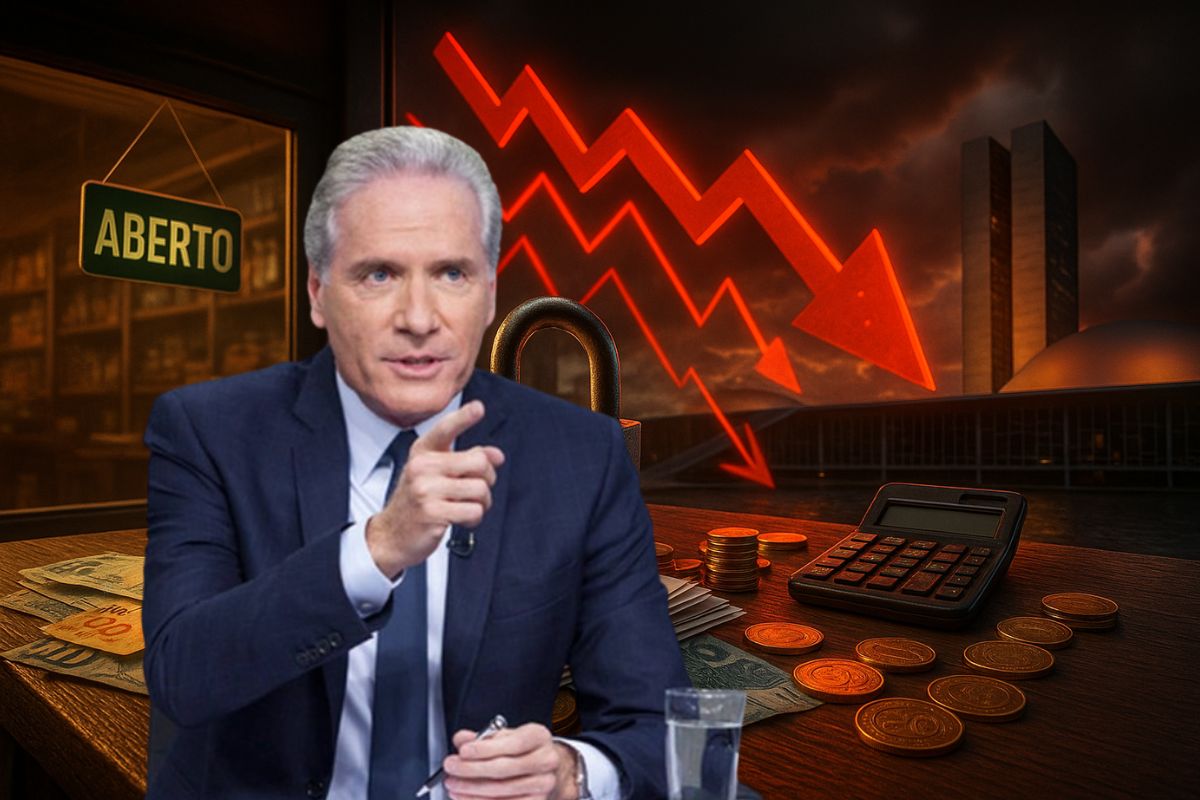


Roberto Justus Critiques Economic Scenario, Points Out “Stratospheric” Interest Rates and Legal Insecurity as Barriers to New Business Growth in the Country
The businessman Roberto Justus made a harsh analysis of the business environment in Brazil. With nearly five decades of experience, he states that starting a business in the country has always been a challenge, but that the current situation has raised the risks to an “extremely unfavorable” level. For him, the biggest obstacle is not the lack of innovation, but rather high interest rates, political instability, and legal insecurity.
According to Roberto Justus, the high interest rates — with the CDI close to 15% — make credit practically unfeasible for those who wish to expand or start a business. This financial burden, combined with political instability and institutional insecurity, discourages investments and stifles startups and small businesses. “The Brazilian entrepreneur succeeds despite the government,” he summarized.
High Interest Rates as a Brake on Investments
In Roberto Justus’ assessment, the Central Bank’s monetary policy has a direct effect on the entrepreneurial environment.
-
Brazilian city gains industrial hub for 85 companies that is equivalent to 55 football fields.

-
Peugeot and Citroën factory in Argentina cuts production by half and opens a layoff program for more than 2,000 employees after Brazil drastically reduced purchases of Argentine vehicles.

-
A Brazilian city gains a factory worth R$ 300 million with the capacity to process 200 thousand tons of wheat per year, a mill of 660 tons/day, silos for 42 thousand tons, and an industrial area of 276 thousand m².

-
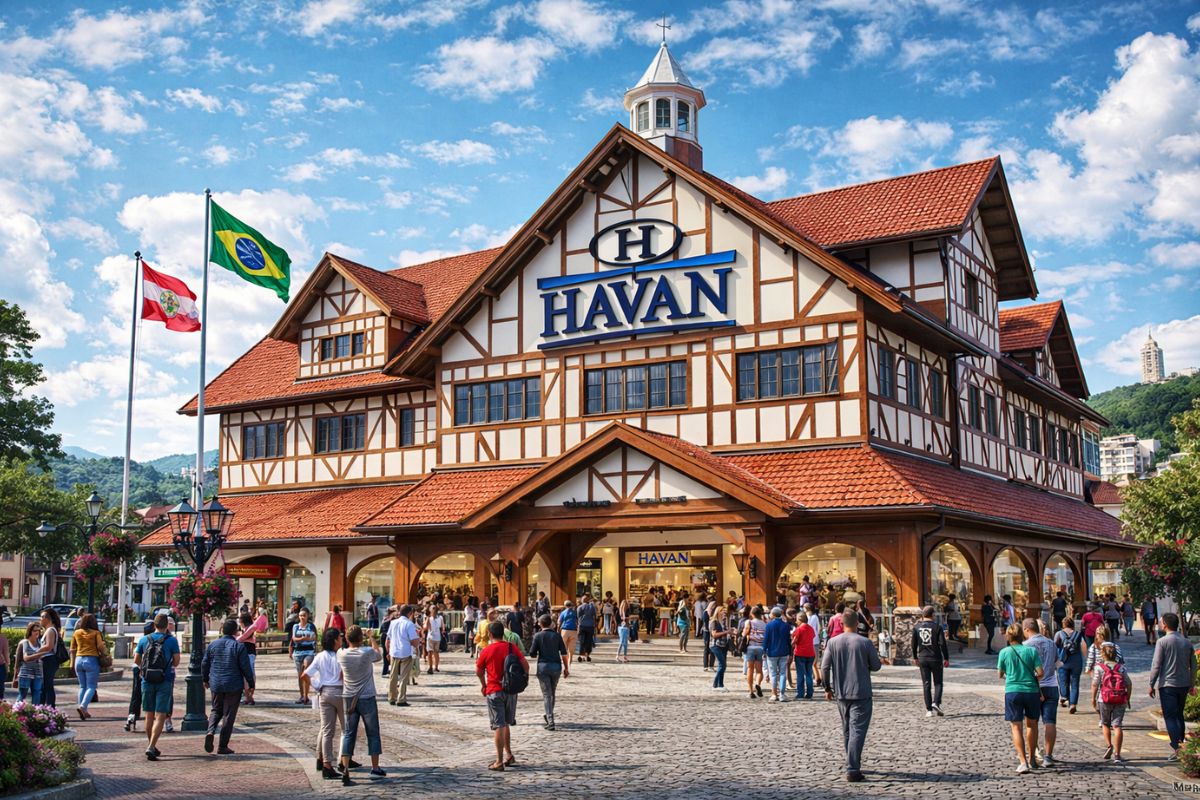
Havan will leave the shopping mall in Blumenau to inaugurate something that the chain has never done before: a megastore in half-timbered style in the Historic Center of the city, which is expected to be completed in May and change the landscape of local retail.

With interest rates at abusive levels, the real cost of financing makes most expansion projects unfeasible.
He emphasized that “there is no way to compete with a CDI at 15%”, as the risks and burdens make borrowing disadvantageous for small and medium-sized enterprises.
This scenario, according to the businessman, not only hampers the opening of new businesses but also weakens those already in existence, which become limited in terms of innovation and competitiveness.
For Roberto Justus, the cascading effect affects the entire ecosystem: from job creation to attracting foreign capital.
Political Instability and Legal Insecurity
Another central point raised by Roberto Justus is the perception that the Brazilian state treats the entrepreneur as a “villain”.
He cited the high tax burden, resistance to privatizations, and constant government intervention as elements that deter investors.
He criticized the impunity in cases of corruption, noting that in countries like the United States, accountability is immediate, even for minor offenses.
This institutional instability, for Justus, creates insecurity and prevents entrepreneurs from making long-term plans.
The uncertainty about fiscal, regulatory, and legal rules is today one of the main reasons many choose to invest outside the country.
Creativity as a Brazilian Differential


Despite the critical tone, Roberto Justus emphasized that Brazil still produces entrepreneurs capable of competing globally.
He attributes this to the creativity and courage typical of the national market, where entrepreneurs are forced to reinvent themselves daily in the face of adversities.
For him, those who can prosper in Brazil are naturally better prepared to compete abroad.
The businessman reinforced that he continues to believe in the country’s potential and bets that a future political change could unlock “golden years of national and foreign investment”.
When asked if it is worth starting a business in Brazil given so many difficulties, Roberto Justus was direct: “I entrepreneur out of passion and courage.”
He acknowledges that the current situation does not favor new businesses, but emphasizes that the resilience and innovation of Brazilian entrepreneurs are factors that still sustain part of the growth.
For him, the future depends on the electorate’s ability to make responsible choices that reduce instability and bring predictability to the economy.
And you, do you agree with Roberto Justus? Do you think that interest rates and political instability are truly the biggest barriers to entrepreneurship in Brazil? Or do you believe there are other more decisive factors? Leave your opinion in the comments — we want to hear from those who live this in practice.










Não gosto do luladron, mas eu respeito as urnas.