





 Portuguese
  English
  Spanish
  4 min of reading
  0 comments


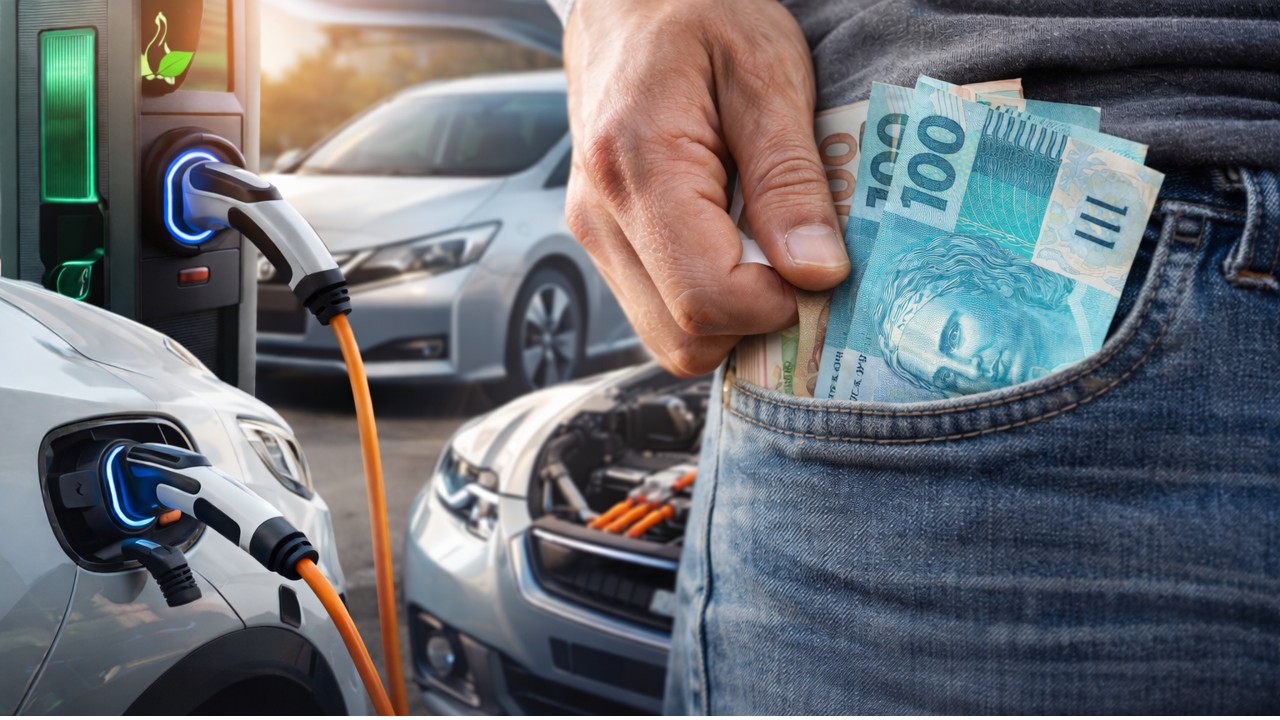
The Decision Stopped Being Technological and Became Mathematics: Fuel, Energy, Maintenance and Daily Use
In 2026, the doubt between buying an electric car or a hybrid car no longer revolves around innovation or sustainability. For Brazilian consumers, the central question is another: which one weighs less on the wallet over time?
And when the numbers come into play, the answer varies considerably according to the usage profile. The market has matured, prices have dropped on some models, and costs have become more predictable. Even so, making the wrong choice can mean spending thousands more reais per year.
The Invisible Cost Starts Before Driving
The first impact is the purchase price. Even in 2026, electric cars still tend to cost more than equivalent hybrid models. The difference is not just in the battery, but also in taxes, logistics, and production scale.
-
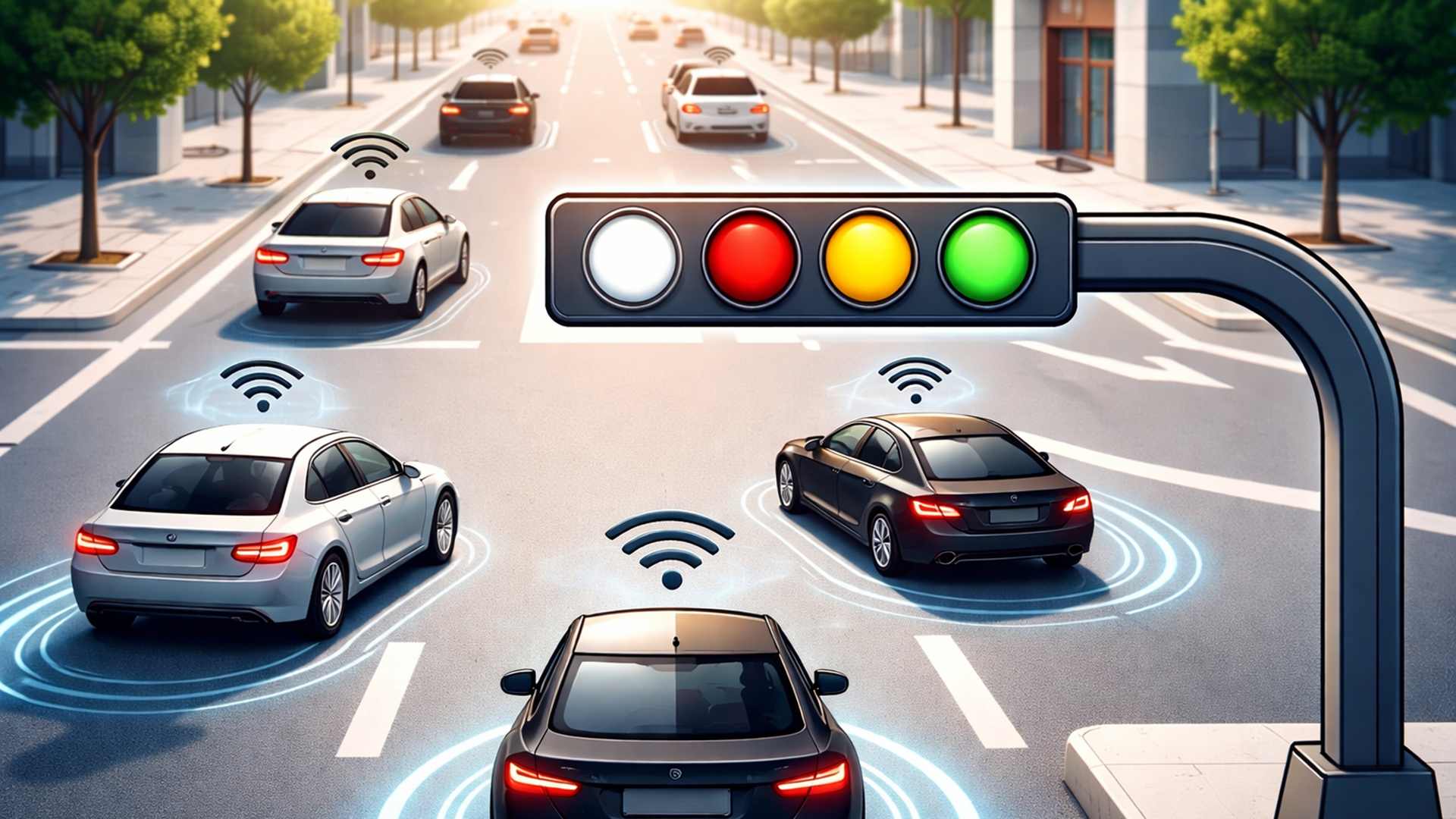
Engineers propose a fourth traffic light for intersections – the change promises to affect crossings, queues, and waiting times.
-
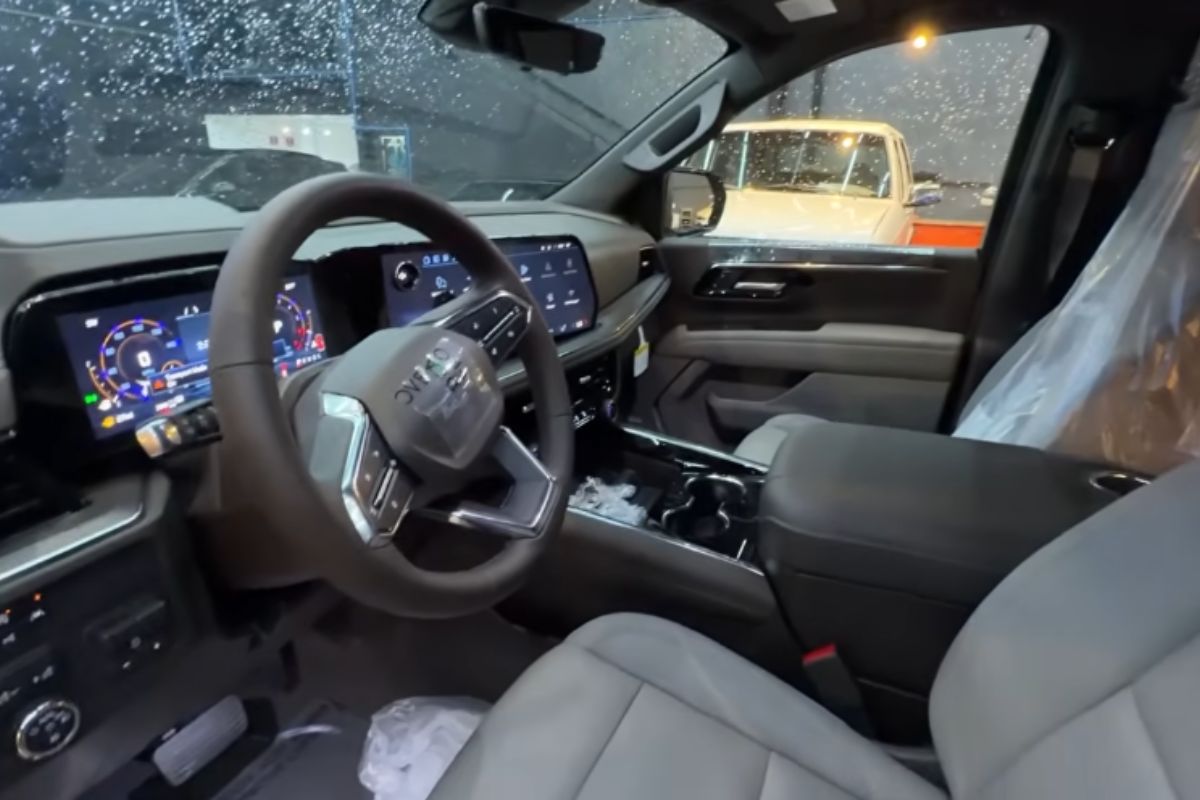
Chevrolet Suburban Z71 lands in Brazil with a V8 engine, off-road design, air suspension, seven seats, and colossal size, a rare version imported for around R$ 1.3 million with luxury and exclusivity.
-
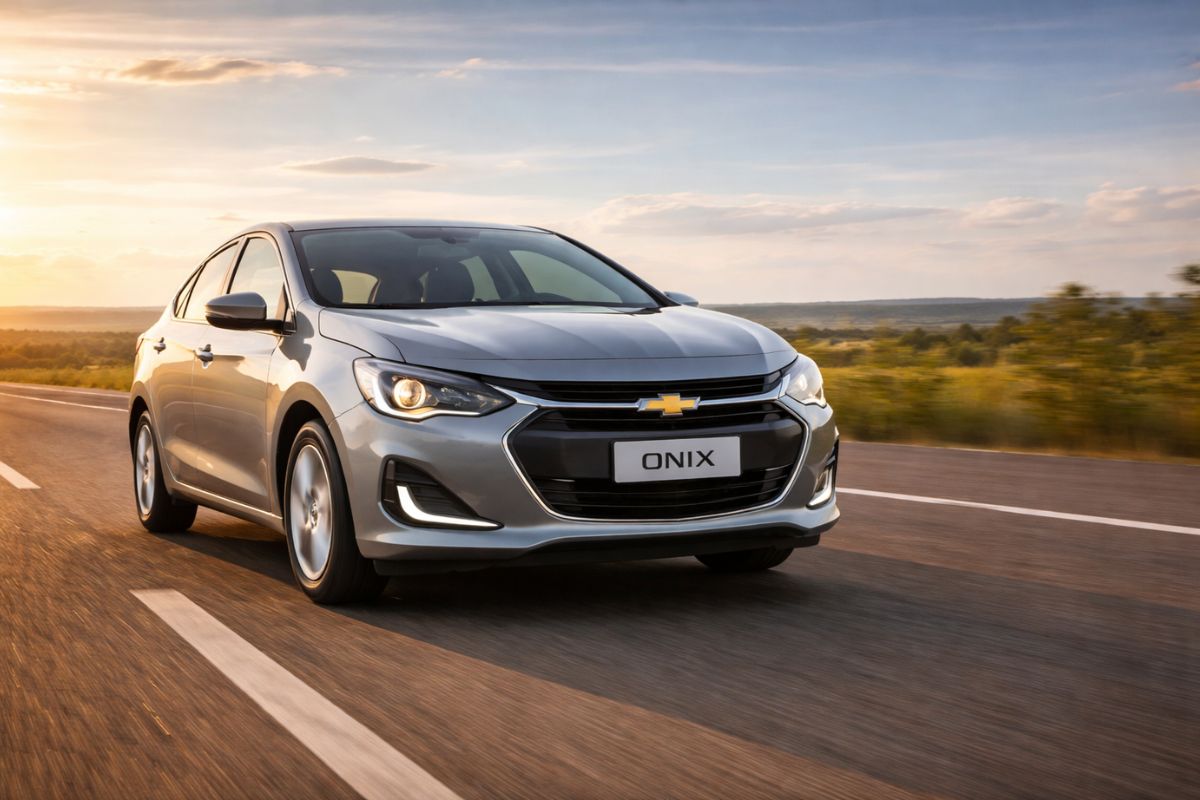
The Chevrolet Onix 1.0 turbo achieves 17.7 km per liter on the highway and ranks among the three most economical cars in Brazil in 2026, alongside two more expensive Toyota hybrids available at dealerships.
-
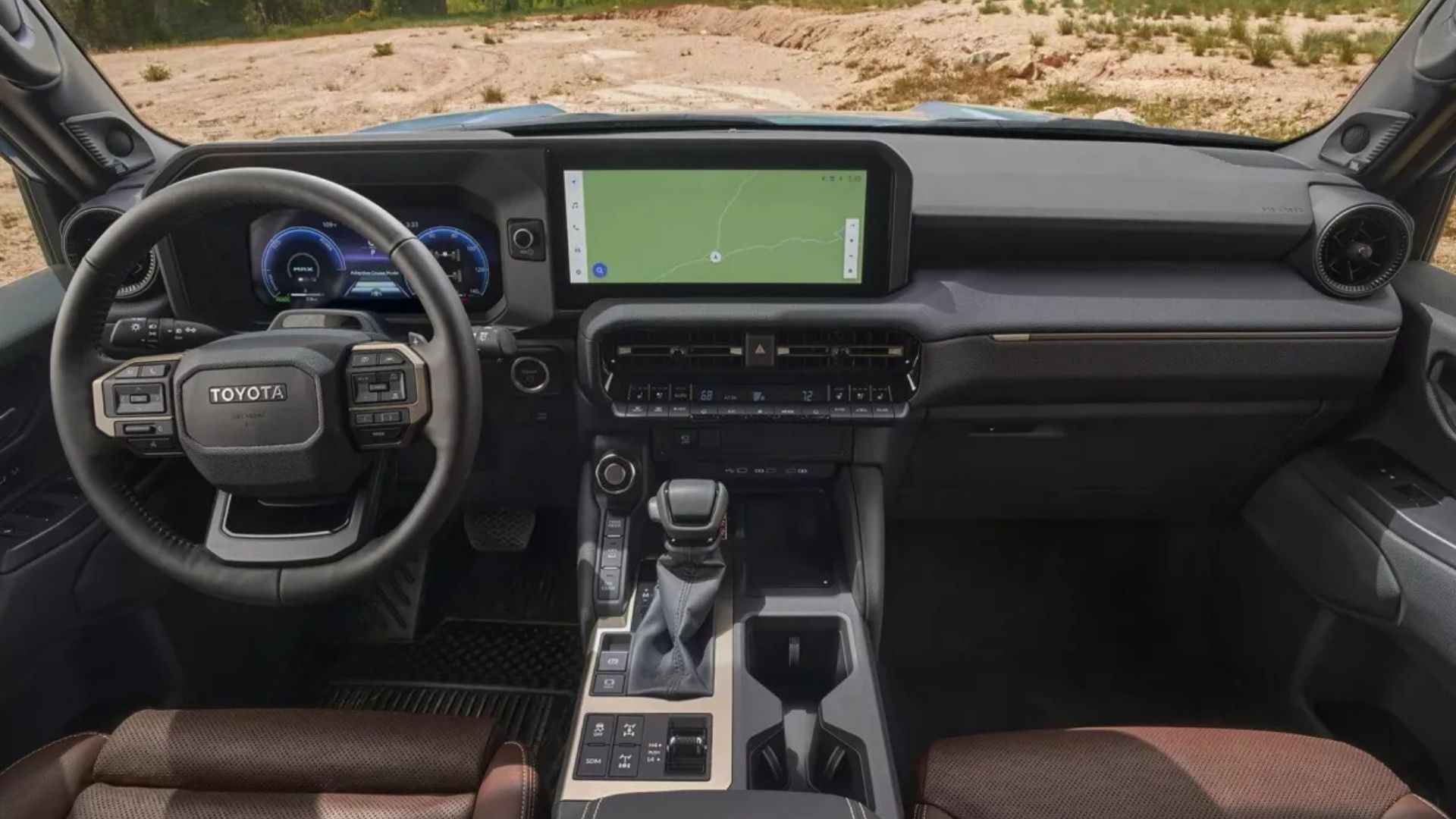
Little sister of the Hilux: Toyota launches Land Cruiser FJ with 4 radical versions, 2.7 engine with 166 hp and 4×4 traction with locking.

Hybrids tend to have a more “friendly” initial price, especially non-plug-in models, which do not require home chargers or changes in the driver’s routine.
But the price of the ready-to-go vehicle is just the beginning of the calculation.
How Much Does It Cost to Drive 1,000 km in a Month
This is where the difference clearly appears.
On average, an electric car consumes around 15 to 18 kWh every 100 km. Considering a common residential rate, driving 1,000 km per month can cost between R$ 90 and R$ 130 in energy.
In the case of a hybrid car, the cost depends on how much it operates in electric mode. For those who mainly drive in the city, the consumption usually ranges between 18 and 22 km per liter. With gasoline around R$ 6, those same 1,000 km cost approximately R$ 270 to R$ 330.
At the end of the year, the difference can exceed R$ 2,000, just in energy and fuel.

Maintenance: Where The Electric Wins
Another less discussed point is maintenance. Electric cars do not have items such as:
- engine oil
- belts
- clutch
- exhaust
This drastically reduces the number of inspections and costs over the years. In urban use, many owners report almost negligible expenses with basic maintenance.
Hybrids, on the other hand, still require maintenance of the combustion engine, albeit to a lesser extent. The cost is still lower than that of traditional cars, but it exceeds that of electric vehicles in the long run.
Infrastructure Changes Everything
This is where the decisive factor for many Brazilians comes in: where the car will be used.
Those who live in a house, a condo with their own space, or a location with a charging point have a clear advantage with electric vehicles. It’s just a matter of arriving, connecting, and using it the next day.
However, those who depend on street parking, public parking, or frequently travel long distances face more uncertainties. Even with the expansion of fast chargers, there are still regions in Brazil where the infrastructure is limited.
In this scenario, the hybrid scores points for flexibility: it operates on electric when possible and uses fuel when needed, without extra planning.
Resale Value and Perceived Risk
In 2026, the electric market has matured, but there is still concern regarding battery replacement in the long term. Although durability is greater than many imagine, the potential replacement cost still weighs on the decision of those thinking about reselling the car after a few years.
Hybrids, in turn, suffer less rejection in the used car market, precisely because they are seen as a transitional technology, more “secure” for the average consumer.
So, Which One Is More Worth It?
There is no single answer. The right decision depends on the usage profile:
Electric car is worth it more for those who:
- drive a lot in the city
- have a charging point at home
- plan to keep the car for several years
- seek lower monthly costs
Hybrid car is worth it more for those who:
- travel frequently
- do not have charging infrastructure
- want total flexibility
- prefer lower initial investment
The Final Calculation Is Not Ideological
In 2026, choosing between electric or hybrid has stopped being a “green” or technological decision. It has become a financial decision.
The electric vehicle wins in monthly cost and maintenance.
The hybrid wins in practicality and adaptation to Brazilian reality.
In the end, the car that truly pays off is the one that fits the driver’s routine — and not the most modern or the most talked about.








-

Uma pessoa reagiu a isso.